Richard Weitz, Senior Fellow, Hudson Institute
Jul 07, 2017
The Shanghai Cooperation Organization achieved a major boost in momentum at last month’s Astana summit, but realizing its potential will require consistent leadership and resources over the coming year from the Chinese presidency.
Brahma Chellaney, Professor, Center for Policy Research
Jul 07, 2017
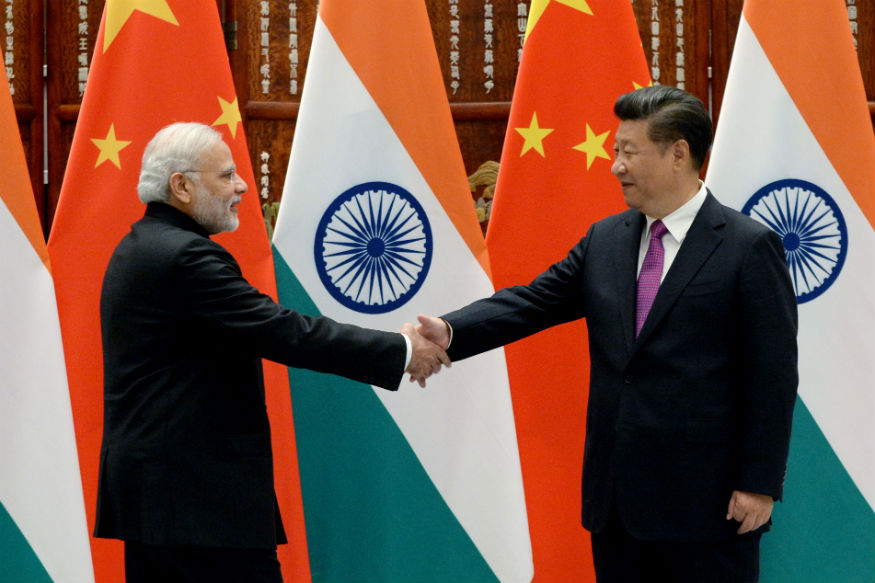
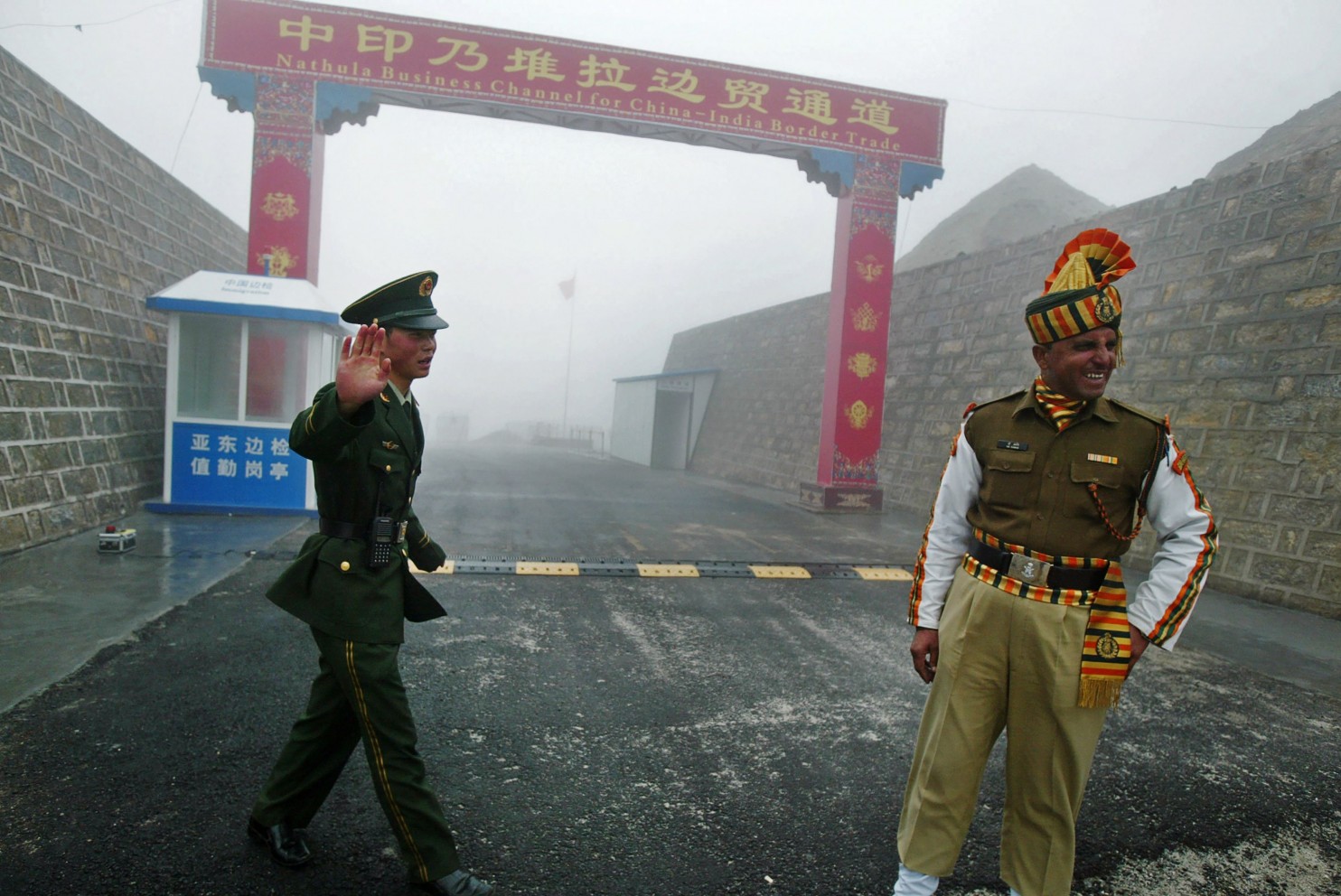
Bhutan has protested that China is chipping away at its territory by building a strategic highway near the Tibet-India-Bhutan tri-junction in the Himalayas. Bhutan has security arrangements with India, and the construction has triggered a tense standoff between Chinese and Indian troops at the tri-junction while Chinese state media warns of the possibility of war.
He Yafei, Former Vice Minister of Foreign Affairs
May 22, 2017
If there is anything about B&R that can contribute to the future of global governance and world order, it is the inherent opportunity in that proposal to further democratize international relations and make globalization an equal, more sustainable process for sharing benefits among all nations.
Zhang Monan, Deputy Director of Institute of American and European Studies, CCIEE
May 19, 2017
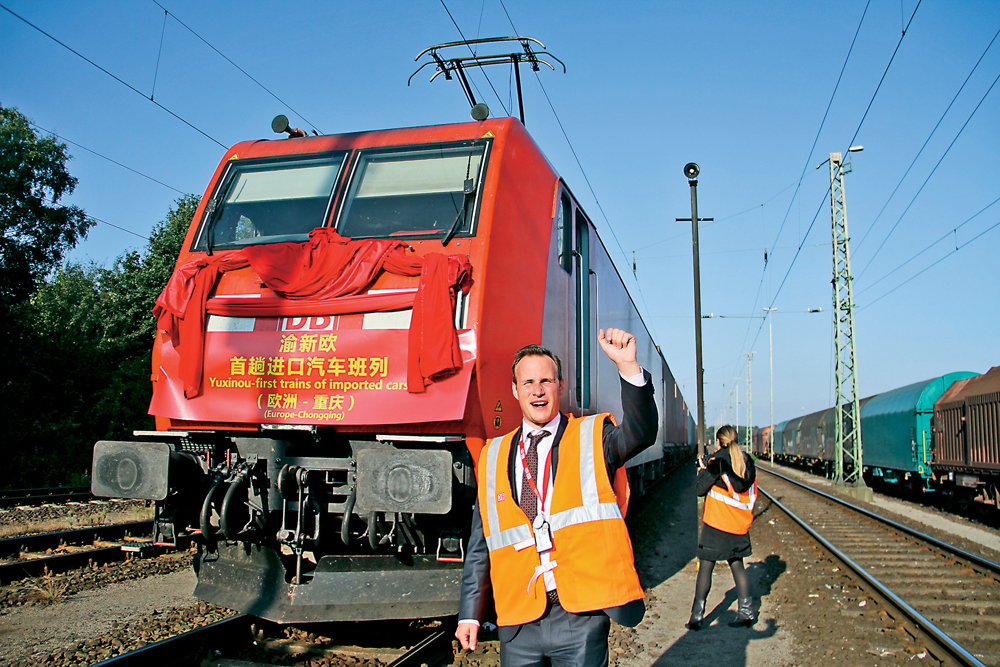
Giving priority to important institutional innovations and rule-making will not only provide opportunities for promoting China’s industrial capacity cooperation and manufacturing upgrading, but also promote a new round of prosperity-oriented growth for global trade and new globalization.
Patrick Mendis, Visiting Professor of Global Affairs, National Chengchi University
May 18, 2017
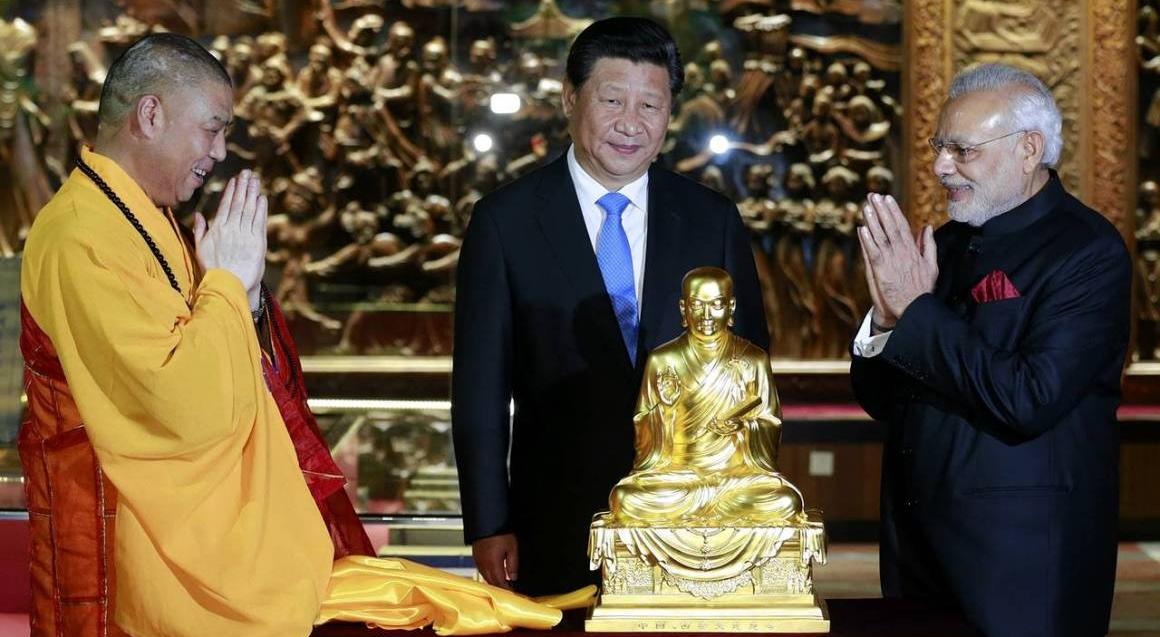
During his historic visit to Sri Lanka in September 2014, President Xi Jinping described the island as a “splendid pearl” while the two countries signed over twenty bilateral agreements in Colombo. Symbolized by the Buddhist-inspired Lotus Tower on the waterfront of the picturesque Beira Lake in the commercial district, the globalizing BRI is reviving the ancient glory of “trade-for-peace” to bring about a more harmonious and prosperous “Pacific New World Order” for the Asia-Pacific region and beyond.
He Yafei, Former Vice Minister of Foreign Affairs
Oct 13, 2015
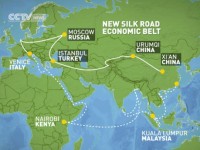
China’s “One Belt, One Road” initiative would create multiple economic corridors encompassing more than 60 countries Asia, North Africa and East Africa, linking the most dynamic East Asia Economic Zone with the advanced European Economic Zone. Intraregional free trade and infrastructure funding will enable more efficient circulation of currency and culture.
Richard Weitz, Senior Fellow, Hudson Institute
Sep 15, 2015
China and its Eurasian neighbors likely discussed the future of Central Asian security while attending the Chinese military parade. Chinese leaders may have to assume a more prominent security role in Central Asia and talks with U.S. officials can make this process more manageable.
Dan Steinbock, Founder, Difference Group
Jul 13, 2015
As the focus of the West was fixed in Greece and Iran, the 7th BRICS Summit began a massive shift from a dialogue to an economic partnership – one whose full impact will be witnessed in the coming years.
Kemel Toktomushev, Research Fellow, University of Central Asia
Jul 14, 2015
Neighbourhood diplomacy is becoming a foreign policy priority for official Beijing, and demonstrates that China is willing to undertake the role of mediator in Afghanistan and accelerate regional efforts to bring all relevant parties to the negotiating table.
Curtis S. Chin, Former U.S. Ambassador to Asian Development Bank
Jul 07, 2015
The Asian Infrastructure Investment Bank will help finance billions in infrastructure projects around Asia, and also challenge the existing financial institutions. Curtis S. Chin, provides suggestions on how the new institution should organized to be efficient, environmentally stringent, and respectful of local rights.
Back to Top

- China-US Focus builds trust and understanding between the U.S. and China through open dialogue among thought leaders.