
Wang Zhen, Professor and Deputy Director, Institute for International Relation Studies, Shanghai Academy of Social Sciences
Jan 06, 2026
Acquiring nuclear weapons would not only undermine the global nuclear non-proliferation framework but also deal a fundamental blow to the postwar international order—a prospect that must be met with deep concern and strong opposition from its allies and neighbors.
Zhang Yun, Professor, School of International Relations, Nanjing University
Nov 05, 2025
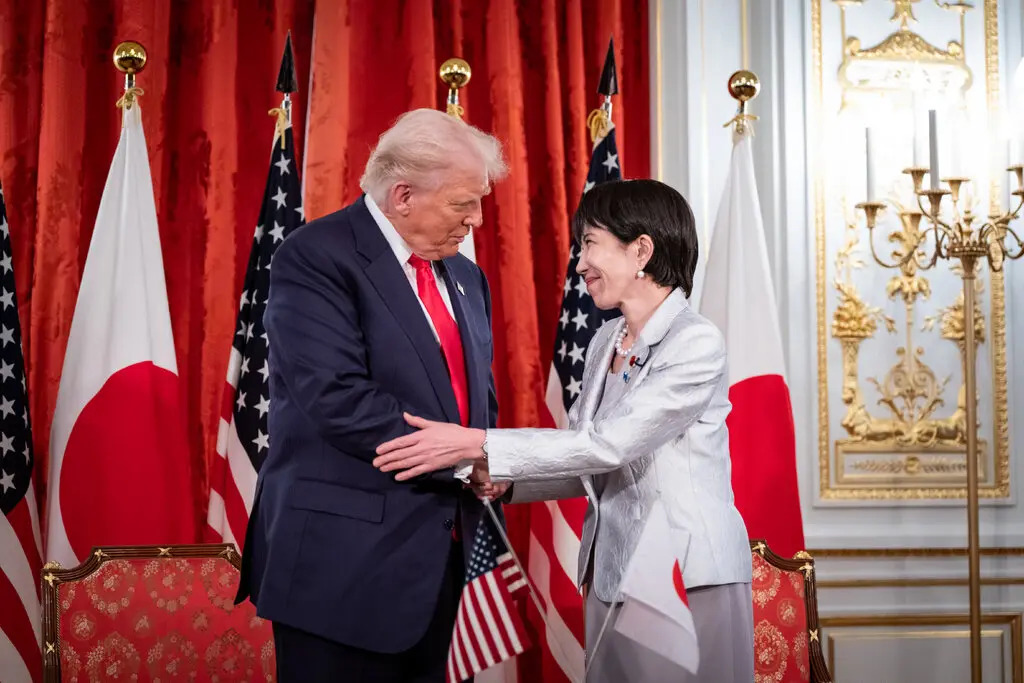
A stronger alliance between the U.S. and Japan poses significant challenges for China, but it’s important to recognize the internal and external constraints on Prime Minister Sanae Takaichi’s foreign policy. Actively identifying new areas of growth and nurturing the internal momentum of the relationship is essential.

Ted Galen Carpenter, Senior Fellow, Randolph Bourne Institute
Sep 26, 2025
The conduct of the Trump administration seems to show that traditional methods of keeping up appearances of cordial relations are no longer in the playbook, threatening U.S. hegemony by sabotaging its own image.
Zhou Shengsheng, Research Fellow, Center for Northeast Asian Studies and Institute for Foreign Policy Studies
Li Meiyi, Undergraduate, Waseda University
Sep 25, 2025
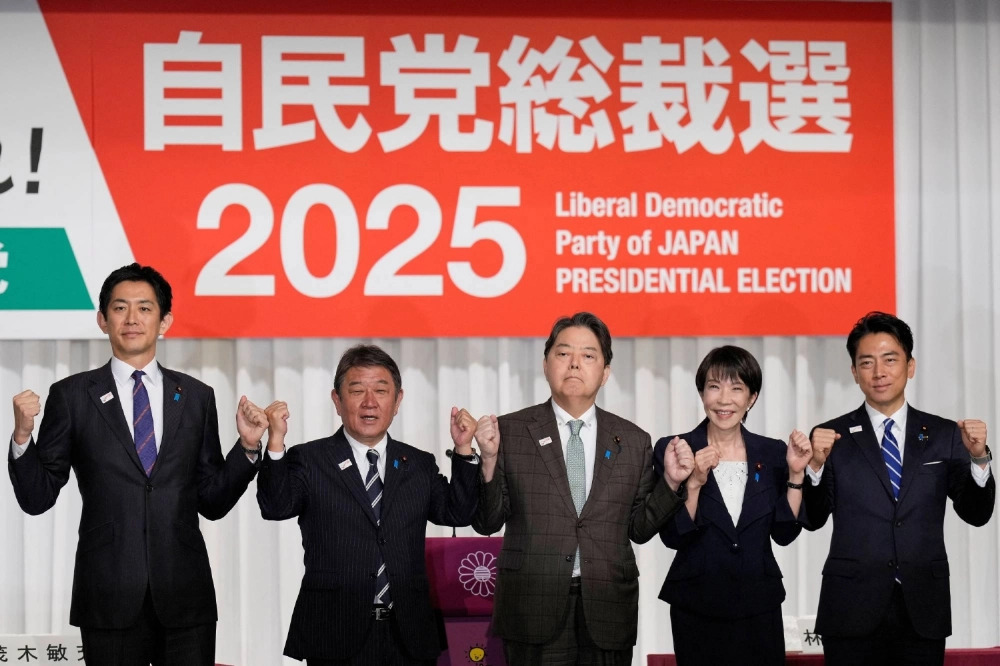
Whoever emerges as leader in the coming election within the Liberal Democratic Party will decide whether Japan will take a path into the future of constructive regional engagement or one that further entrenches antagonism.
Zhang Yun, Professor, School of International Relations, Nanjing University
Aug 04, 2025
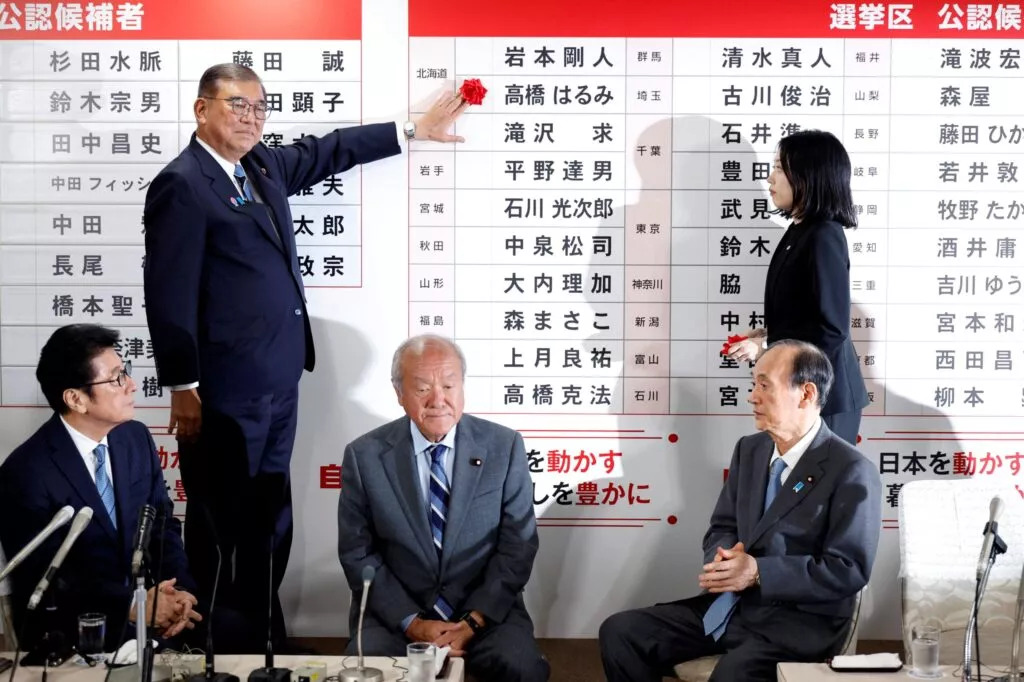
The results of the election in Japan’s House of Councillors highlight a key trend: An era of political fragmentation in Japanese party politics has arrived, and populist political forces are growing.
Richard Weitz, Senior Fellow, Hudson Institute
May 14, 2025
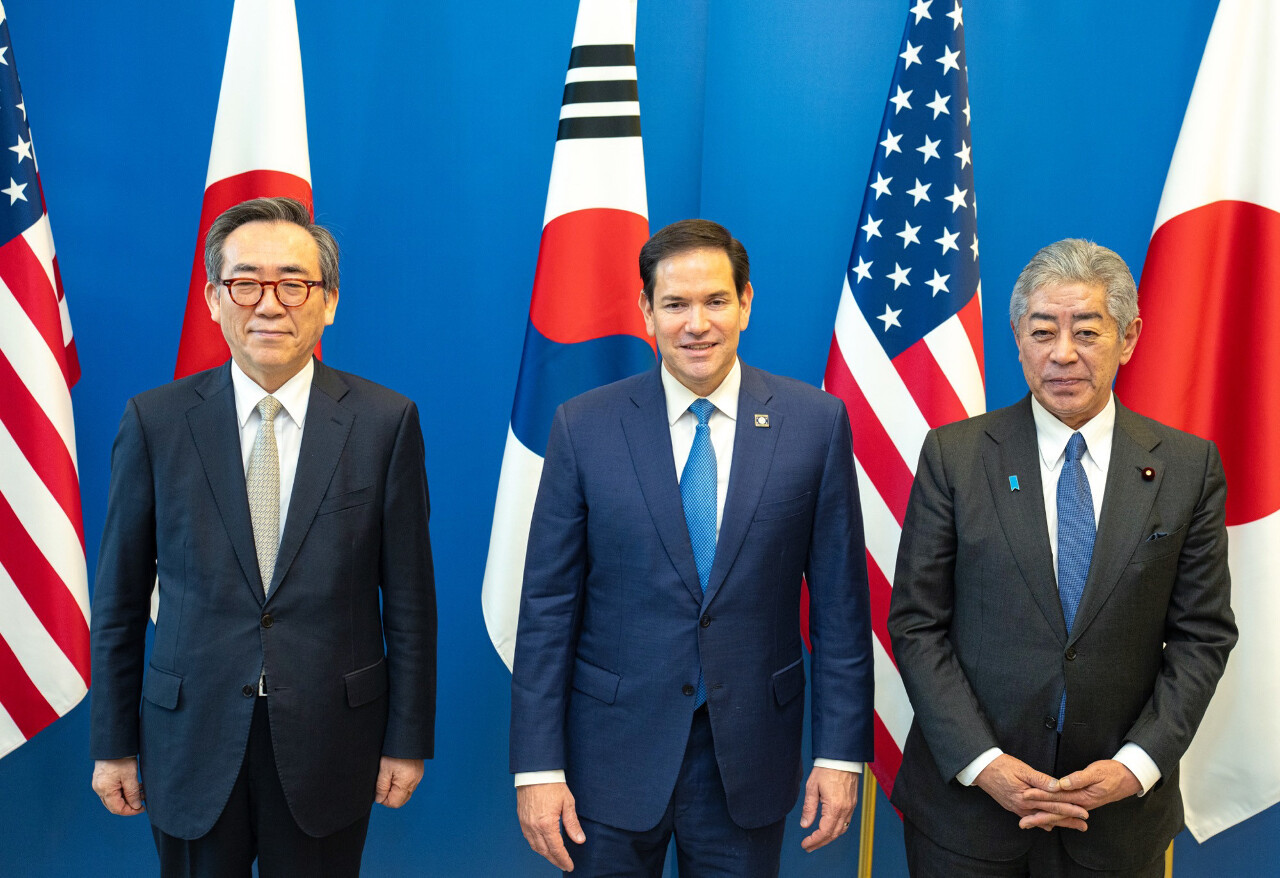
With U.S. encouragement, Northeast Asia has seen unprecedented cooperation between Japan and South Korea in recent years. But rising economic frictions, domestic political changes in Japan and especially South Korea, and evolving U.S. global priorities could impede or even reverse recent gains.
Zhang Yun, Professor, School of International Relations, Nanjing University
Apr 11, 2025
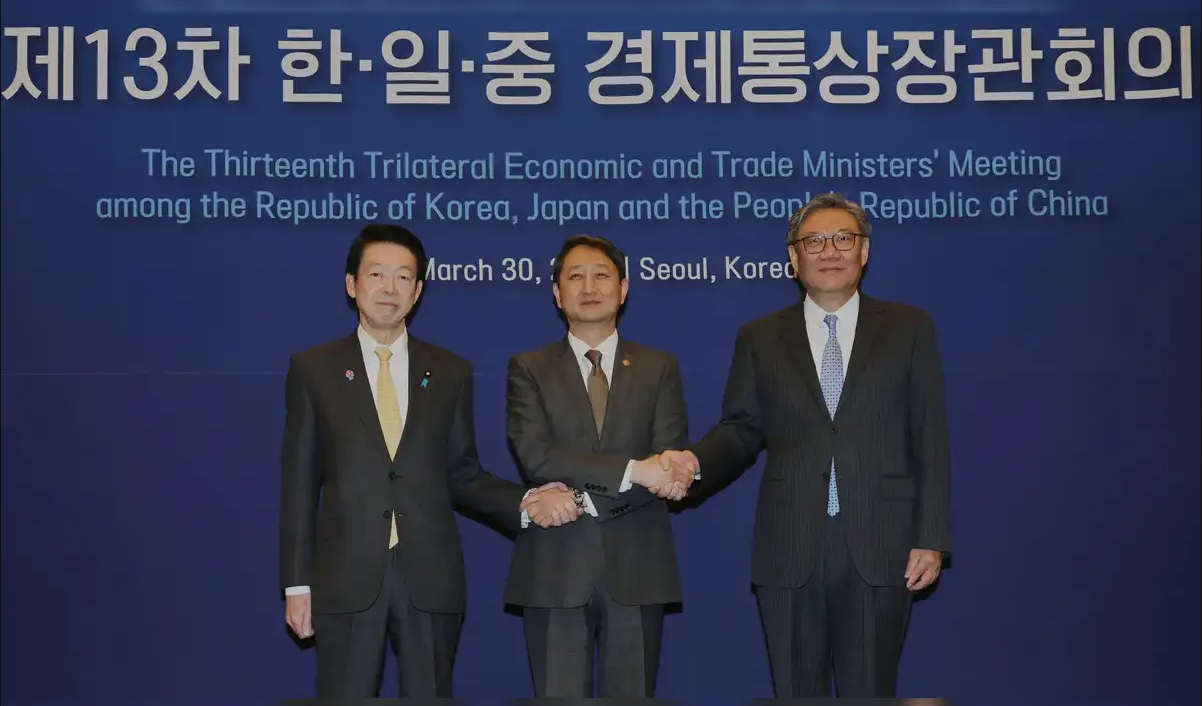
The tariffs will not spell the end of alliances between the United States and Japan or South Korea, but they are likely to promote a strategic awakening in both countries and accelerate the integration process in East Asia.
Zhang Yun, Professor, School of International Relations, Nanjing University
Dec 24, 2024
The election of Donald Trump to a second term signals that the United States will temporarily step back from the next wave of globalization. As a consequence, Japan’s future security will lie in its deep integration into the processes of globalization and regional integration. This raises an opportunity for improving China-Japan relations.
Zhang Yun, Professor, School of International Relations, Nanjing University
Dec 20, 2024
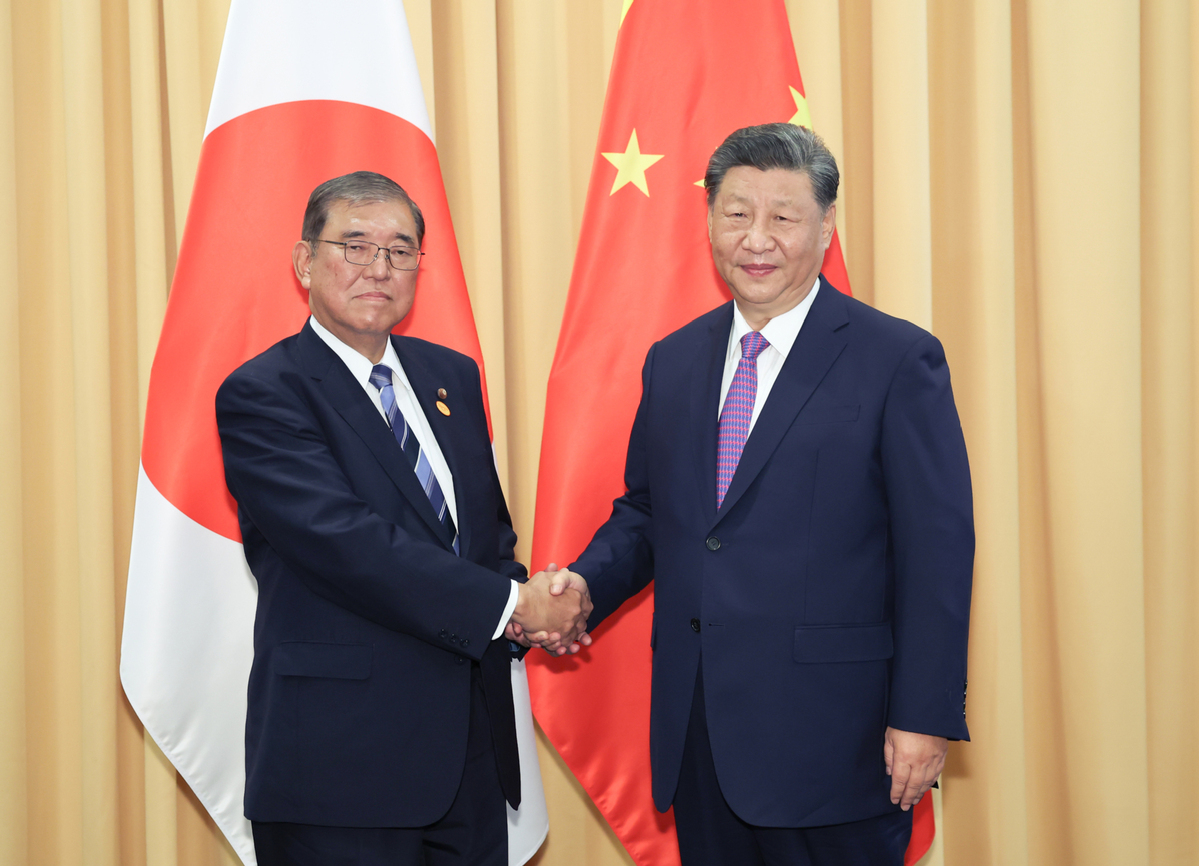
From Shinzo Abe’s concept of escaping the postwar regime to Shigeru Ishiba’s idea of postwar political settlement, the trajectory of Japan’s political evolution is becoming increasingly apparent. For both China and the United States, responding to a Japan that embraces strategic autonomy poses a significant strategic challenge.
Warwick Powell, Adjunct Professor at Queensland University of Technology
Nov 22, 2024
The new Japanese prime minister wants to reassert Japan’s standing as a regional power, which will challenge the expectations of Washington elites and further rattle a region that is seeking to skirt the dynamics of great power competition.
Back to Top

- China-US Focus builds trust and understanding between the U.S. and China through open dialogue among thought leaders.