
Shantanu Roy-Chaudhury, Geopolitical Analyst and PhD scholar at the S. Rajaratnam School of International Studies (RSIS), Nanyang Technological University, Singapore
Jul 30, 2026
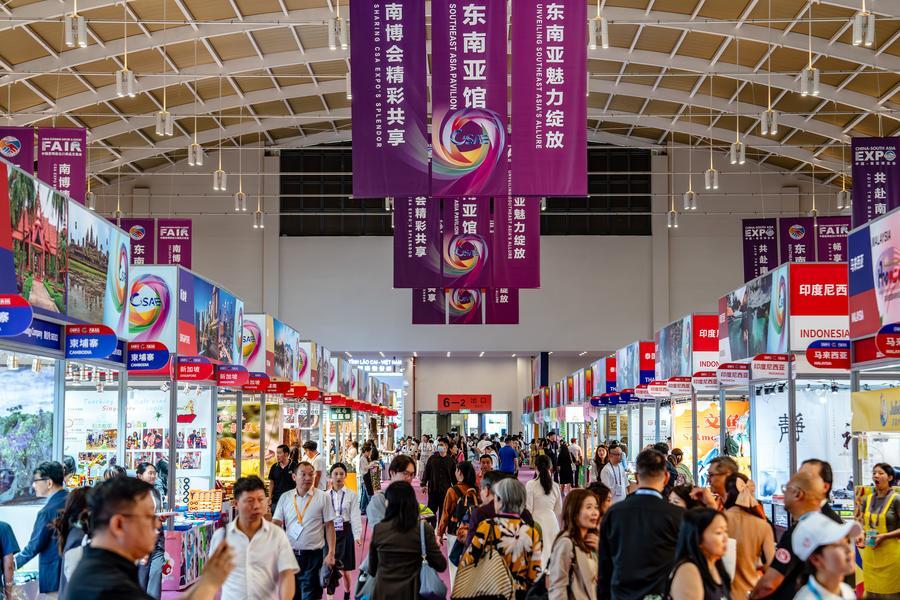
China has developed an expanding network of minilateral and multilateral mechanisms across South Asia that institutionalize its regional influence while remaining separate from, but strategically linked to, its approach toward India. The architecture underscores how Beijing uses parallel diplomatic tracks to strengthen its long-term regional position, with implications for India, the United States, and other partners.
Bibek Raj Kandel, New World AsiaGlobal Fellow Energy and Climate Policy Expert
Oct 28, 2025
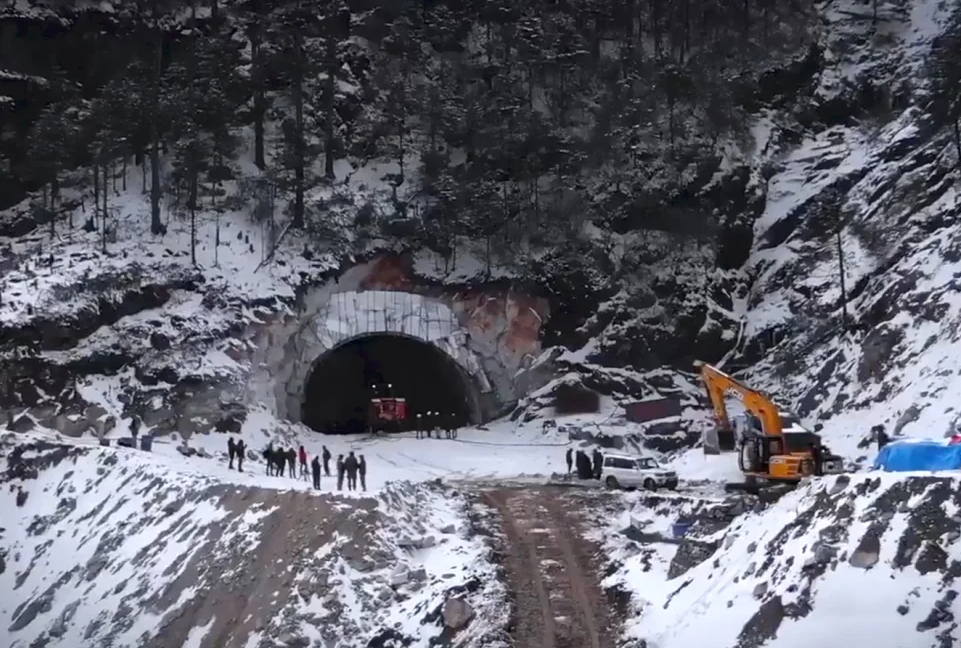
Bangladesh’s deepening energy crisis has made it the center of a regional contest, with China expanding investments and India seeking to use geography to retain influence. Dhaka’s post-election energy choices will determine whether Delhi can convert that leverage into lasting power or yield ground to Beijing’s faster-moving ambitions.
Brian Wong, Assistant Professor in Philosophy and Fellow at Centre on Contemporary China and the World, HKU and Rhodes Scholar
May 07, 2024
There is an urgent need for China and India to prioritize dialogue, establish baseline agreements, and avoid inflammatory rhetoric to prevent further deterioration in bilateral relations.
Kathryn Neville, Founder of Spark Energy Intelligence
Mar 13, 2023
The end of ‘zero-COVID’ policies may have produced some private sector optimism about the country’s growth trajectory but certain indicators reveal a weakness in the system. Policymakers and investors remain skittish on China, increasingly looking to Southeast Asia as a haven of financial promise and stability.
He Wenping, Senior Research Fellow, Charhar Institute and West Asia and Africa Studies Institute of the China Academy of Social Sciences
Jan 24, 2022
Chinese Foreign Minister Wang Yi went to Africa, as is customary. But he also visited two Asian countries, a choice that signals China’s desire to break the U.S. attempt at containment.
Chen Zinan, Assistant Researcher, Maritime Strategy Studies, CICIR
Sep 18, 2021
Maintaining the old zero-sum mentality against China, the United States starts with its own interests in mind, rather than the needs of the island nations. Its diplomatic and military focus will not contribute to development and will ultimately fail.
Sajjad Ashraf, Former Adjunct Professor, National University of Singapore
Apr 28, 2021
Existing tensions between India and Pakistan are being stoked by the U.S. and China, with all parties seeking the elimination of perceived threats for rapid economic growth and security.
Adnan Aamir, Journalist and Researcher, Islamabad, Pakistan
Apr 10, 2019
An Indo-Pakistan conflict was prevented from turning into full blown war by China and other countries. However, the threat for future conflict between both countries lingers on.
Peter Bittner, Lecturer, University of California, Berkeley
Apr 16, 2018
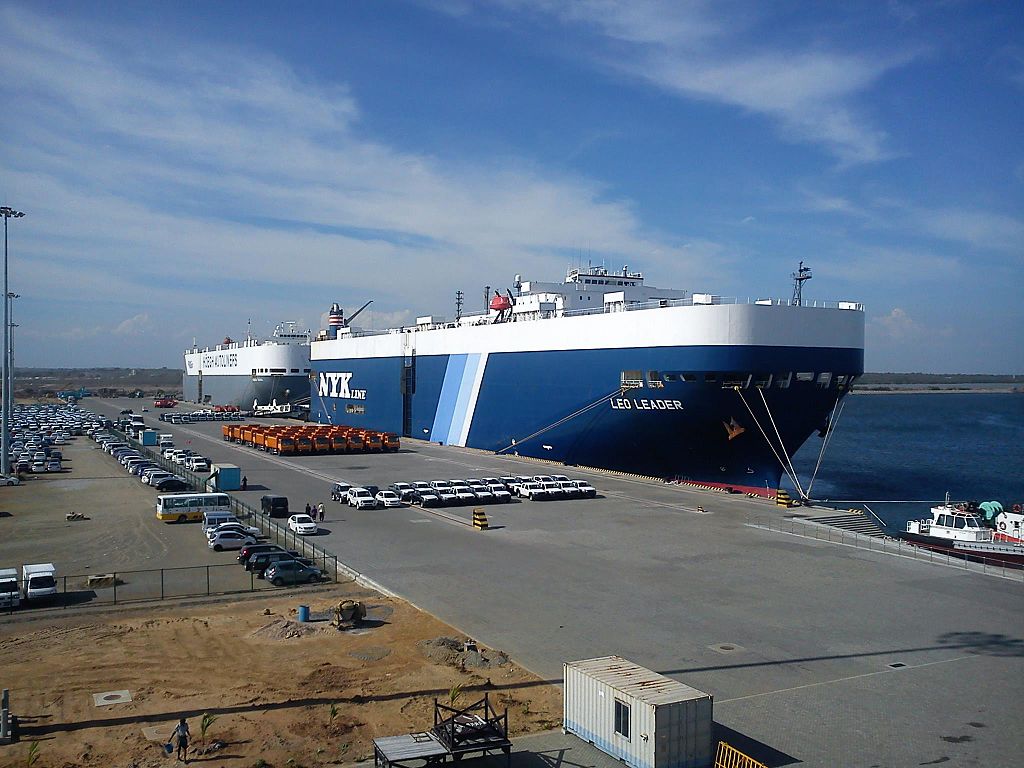
As the role of the United States in the international community grows increasingly isolationist -- and President Trump remains a vocal critic of international aid and development programs -- some countries are looking to Beijing in hopes of securing fast financing for infrastructure development projects. However, as the authors of the report warn, many of China’s loans are given under less-stringent conditions than more-established Western multinational lending institutions such as the World Bank or the International Monetary Fund.
Xue Li, Senior Fellow, Chinese Academy of Social Sciences
Zheng Haiqi, School of International Studies, Renmin University of China
Sep 11, 2017
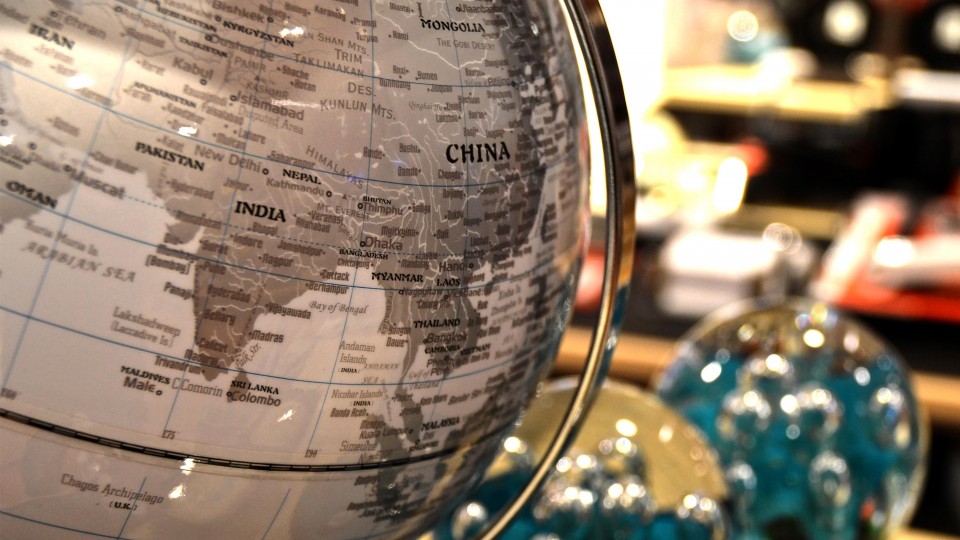
South Asia has been given a big role in China’s Belt and Road Initiative (BRI). The countries there, however, show varying degrees of enthusiasm for the plan.
Back to Top

- China-US Focus builds trust and understanding between the U.S. and China through open dialogue among thought leaders.