Sheng Zhonghua, Researcher and Postdoctoral Fellow, Centre on Contemporary China and the World, The University of Hong Kong
Sep 13, 2024
The Volt Typhoon cyberattacks underscore the escalating tensions between China and the U.S. in cyberspace, with both nations deepening mutual distrust that risks spiraling into broader conflict. To prevent further deterioration, the U.S. and China must engage in dialogue, establish international cybersecurity frameworks, and cooperate on managing cyber threats, ensuring that neither side becomes the winner of a destructive cyber or AI-driven war.

Yuan Sha, Associate Research Fellow, Department for American Studies, China Institute of International Studies
Aug 16, 2024
Given the high stakes, a coordinated effort to rein in artificial intelligence is crucial. Talks between the two powers must communicate mutual concerns, dispel misunderstandings and prevent this emerging technology from becoming a new source of tension.

Richard Weitz, Senior Fellow, Hudson Institute
Jun 14, 2024
The wide divergences in Chinese and U.S. preferences regarding artificial intelligence suggest NGO-led engagements will yield greater security benefits than official meetings.
Richard Weitz, Senior Fellow, Hudson Institute
Jun 14, 2024
The wide divergences in Chinese and U.S. preferences regarding artificial intelligence suggest NGO-led engagements will yield greater security benefits than official meetings.
Yu Xiang, Senior Fellow, China Construction Bank Research Institute
Mar 25, 2024
Security threat worries are unfounded. A ban of the platform would only undermine the confidence of international investors and pose significant risks to global economic development. Investors should pay close attention to these risks when making investment decisions.
Peter Bittner, Lecturer, University of California, Berkeley
Dec 21, 2023
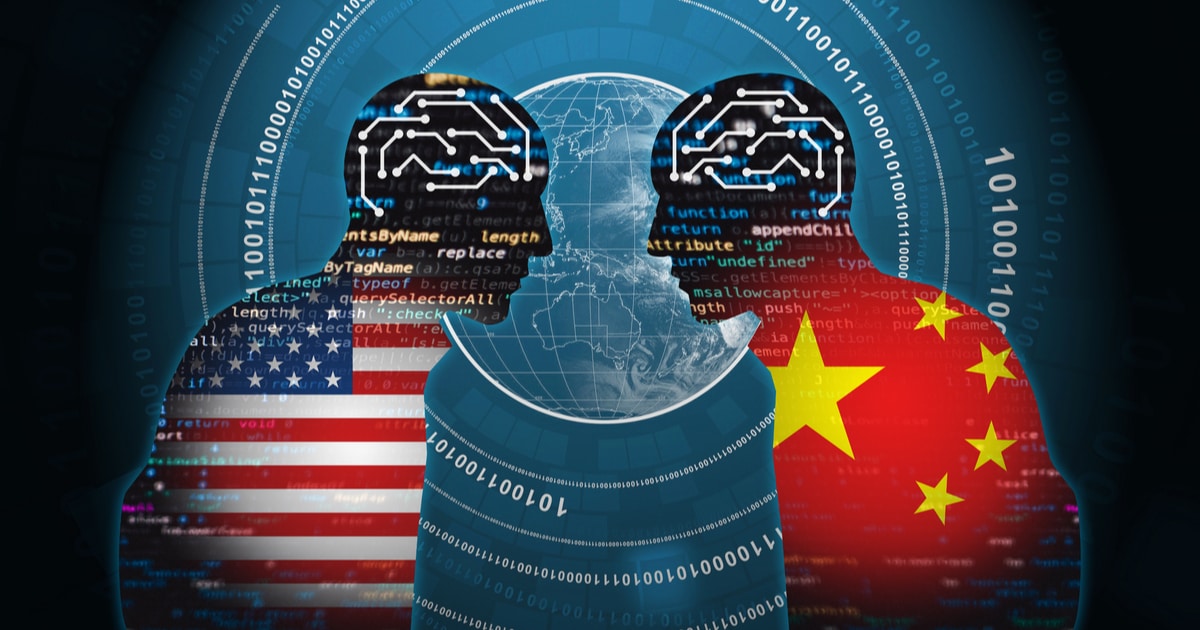
The new frontier of AI may be the most exciting technology in the world, and the most controversial. The need for regulations across cultures and countries could be an opening for the U.S. and China to cooperate for the greater good.
Zhang Tuosheng, Principal Researcher at Grandview Institution, and Academic Committee Member of Center for International Security and Strategy at Tsinghua University
May 04, 2023
New international institutions, mechanisms and laws — as well as the reform and improvement of existing ones — should no longer be dominated by the West. The shaping of a new global order should be done through multilateral cooperation.
James Hinote, Geopolitical Strategist
Aug 02, 2022
The international financial infrastructure has long been dominated by Western institutions. China’s advances in digital currency could help spread its influence on global commerce enough to challenge the hegemony of the U.S. dollar.

Lu Chuanying, Fellow and Secretary-general of the Research Center for the International Governance of Cyberspace, SIIS
Jul 07, 2022
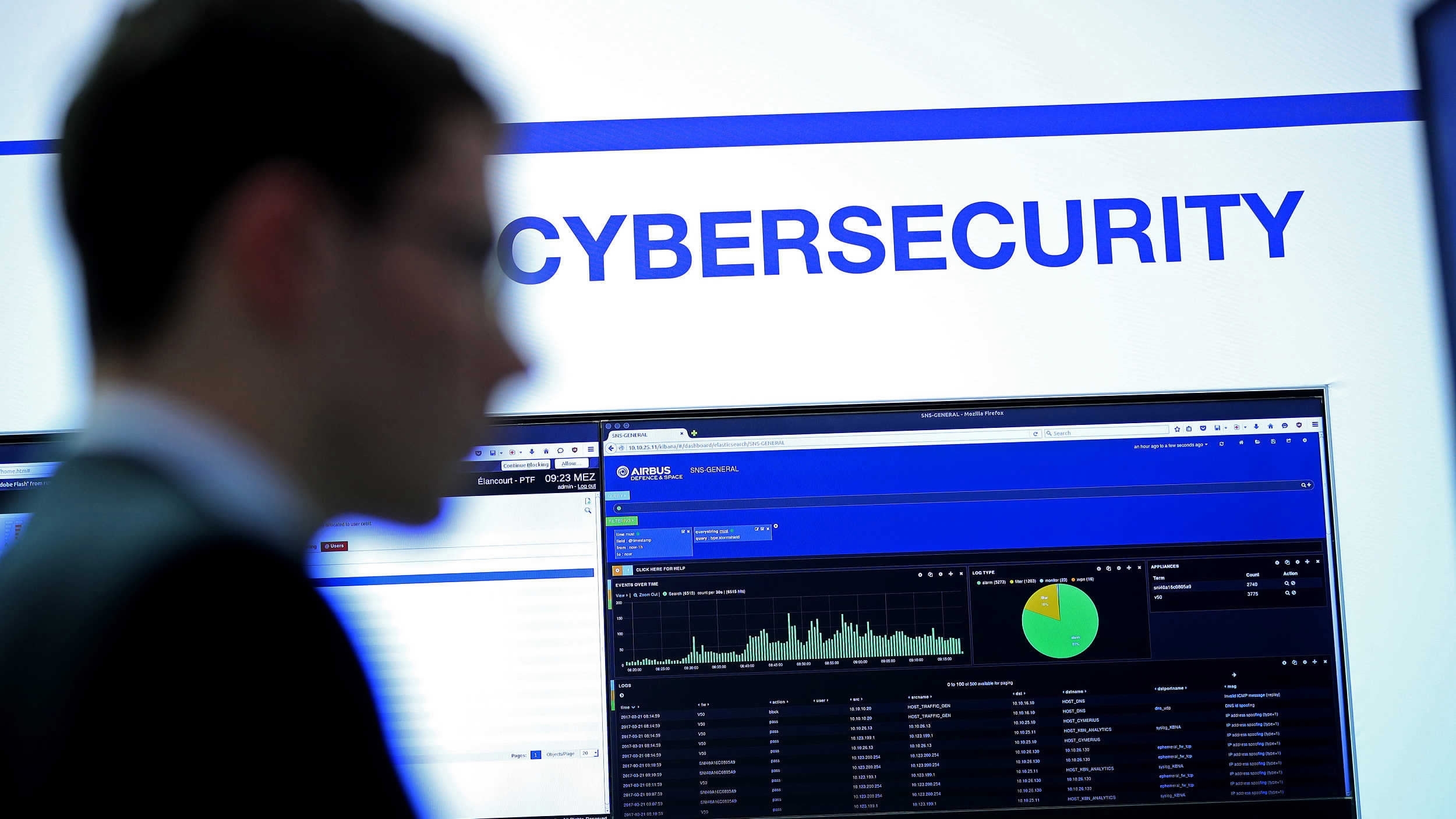
The issue has gradually moved up to become one of the most controversial in bilateral relations. Its impact is extensive and its priority is consequently high. Finite, feasible goals are needed to settle the dust through dialogue.
He Yafei, Former Vice Minister of Foreign Affairs
May 24, 2022
In cyberspace order and governance, China is a global leader. It’s capacity continues to improve, and it has a major role to play in working toward a more peaceful, secure, open and cooperative digital future.
Back to Top

- China-US Focus builds trust and understanding between the U.S. and China through open dialogue among thought leaders.