Zhang Monan, Deputy Director of Institute of American and European Studies, CCIEE
Apr 27, 2026
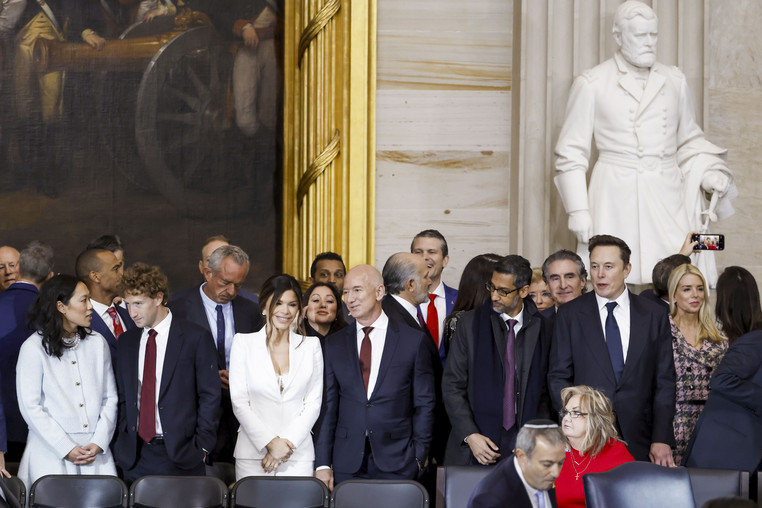
After the 2024 presidential election in the United States, a rising political right wing in Silicon Valley formed a “tech-political complex” with the Trump administration. Centered on tech acceleration and tech nationalism, it is pushing for military-civil integration, technological blockades against China and deregulation of the technology sector.

Xiao Qian, Deputy Director, Center for International Security and Strategy at Tsinghua University
Mar 06, 2026
The Munich Security Conference reveals a shift in transatlantic ties as AI security becomes central to global debate. Europe is increasingly linking AI policy to technological autonomy, seeking to balance cooperation with the United States while strengthening its own strategic capabilities.

Wang Dong, Professor and Executive Director of Institute for Global Cooperation and Understanding, Peking University
Zhang Xueyu, Research Assistant, Institute for Global Cooperation and Understanding at Peking University
Aug 07, 2025
The country is steering artificial intelligence toward a more balanced, secure and inclusive development path. In doing so, it is contributing to a global development trajectory that is more intelligent, equitable and sustainable.
Leonardo Dinic, Expert in Geopolitics and International Business, the Future of Work, and Emerging Technologies
Aug 01, 2025
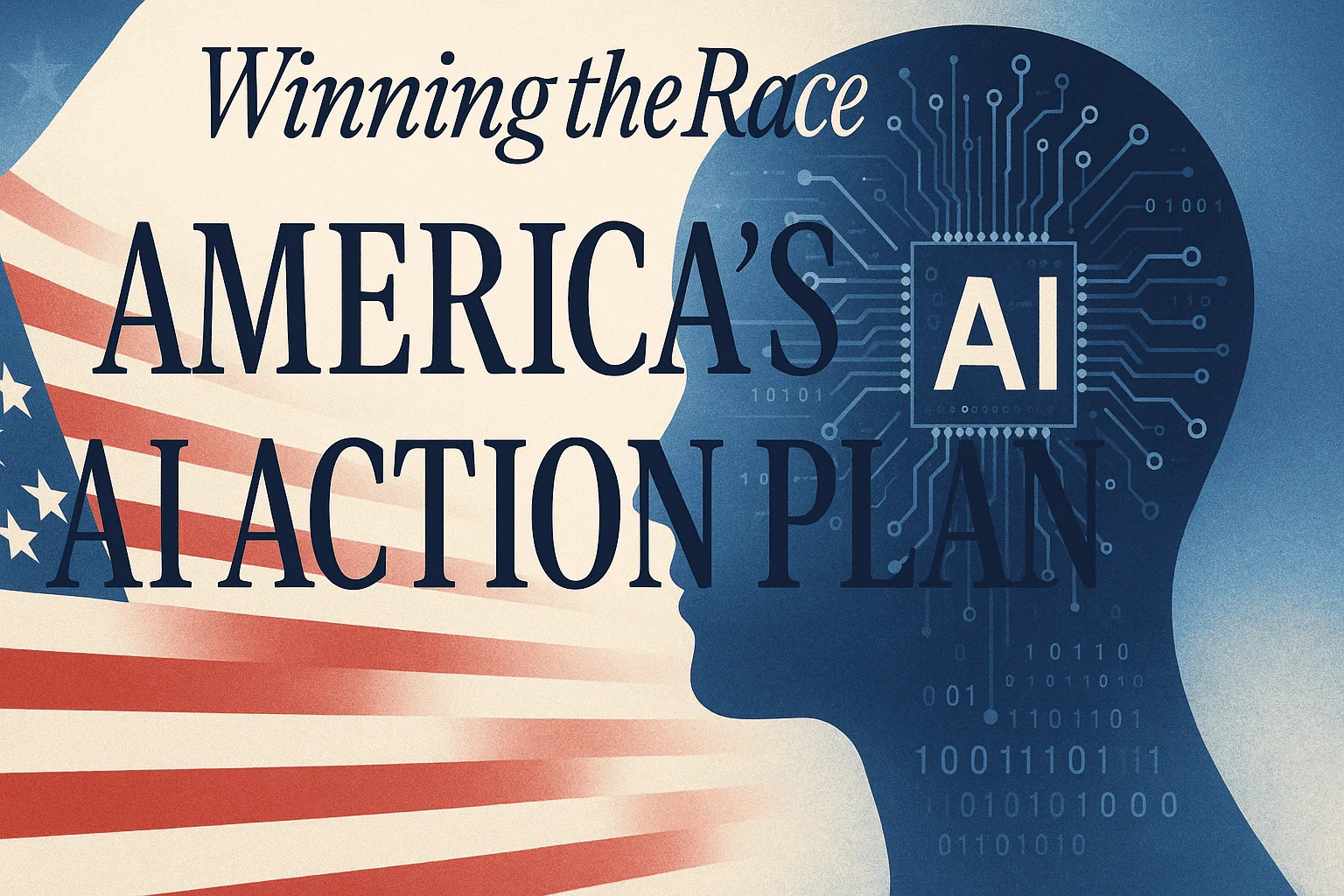
In July 2025, the U.S. and China released national AI strategies with global aims: the U.S. ties AI exports to political alignment, while China promotes open cooperation with fewer conditions. These contrasting approaches reflect broader political differences and may give China an edge in global AI influence.
Sujit Kumar Datta, Professor, Department of International Relations, University of Chittagong, Bangladesh
Jul 09, 2025
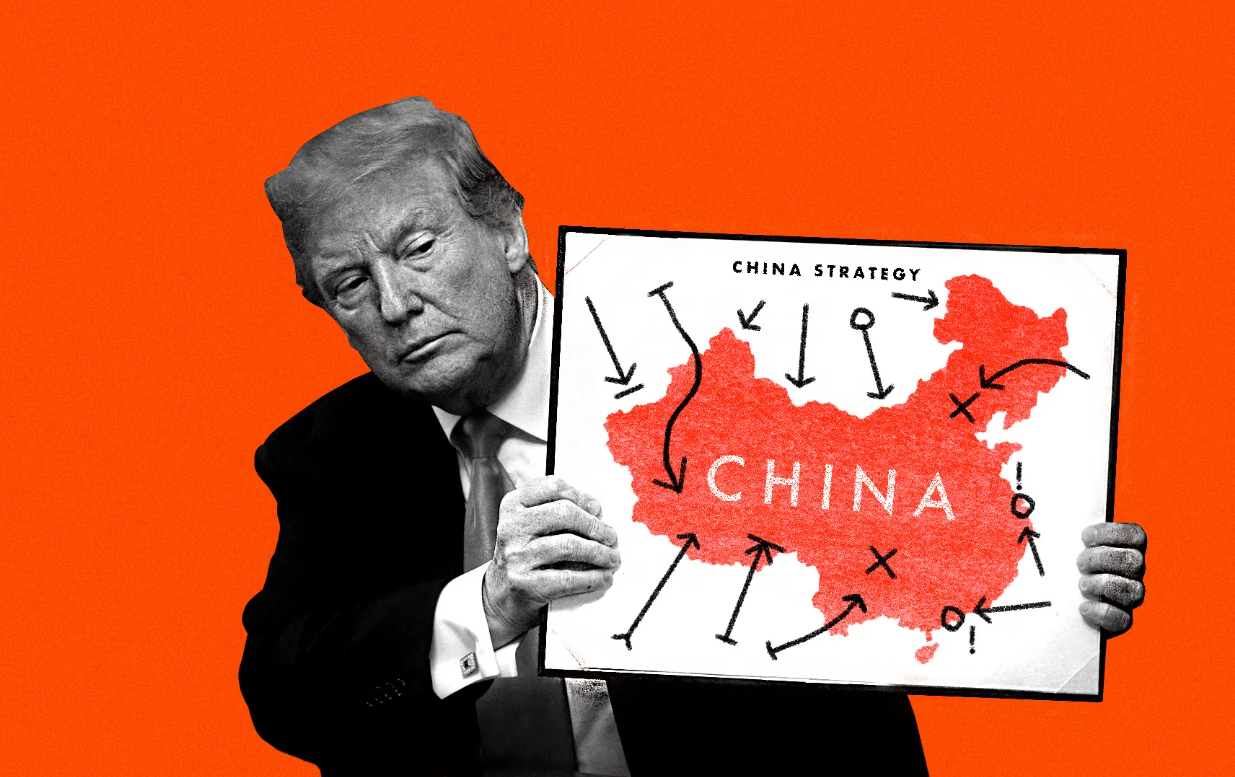
Strategic adjustments, characterized by economic decoupling, high-tech restrictions and military posturing in the Indo-Pacific region, will transform the bilateral relationship and the shape of global security itself.

Sheng Zhonghua, Researcher and Postdoctoral Fellow, Centre on Contemporary China and the World, The University of Hong Kong
Jul 04, 2025
Data security governance has become a global priority amid rising competition over data resources, with the U.S., EU, and China adopting distinct models: the U.S. favors a market-driven, security-conscious approach with public-private cooperation; the EU relies on strict regulatory frameworks like the GDPR; and China enforces centralized, party-led oversight. Despite their differences, all three aim to strengthen data security within their respective systems.

Fu Ying, Founding Chair of Center for International Security and Strategy, Tsinghua University; China's former Vice Minister of Foreign Affairs
Feb 17, 2025
The Paris AI Action Summit was held on February 10 and 11. AI experts, policymakers and industry leaders from various countries gathered to engage in in-depth discussions about opportunities and challenges in AI development and governance. Chinese scholars led by former Chinese vice-foreign minister Fu Ying attended the Paris AI Summit. Below are the main points in Fu Ying’s Remarks on AI Safety and Governance at the Paris AI Summit.

Dec 20, 2024
Daniel Russel is vice-president for international security and diplomacy at the Asia Society Policy Institute. He previously served as special assistant to U.S. President Barack Obama and Assistant Secretary of State for East Asian and Pacific affairs at the U.S. State Department from 2013 to 2017. He was a major figure in the Obama administration's "pivot towards Asia" strategy. In a recent interview with James Chau of China-US Focus in Tokyo, Daniel Russel shares his concerns on U.S.-China rivalry in new technologies and its impact on bilateral relations and the globe as well.
Sun Chenghao, Fellow, Center for International Security and Strategy of Tsinghua University; Munich Young Leader 2025
Zhang Xueyu, Research Assistant, Institute for Global Cooperation and Understanding at Peking University
Nov 18, 2024
China and the United States held their first governmental dialogue on artificial intelligence in May. But skepticism arose about its value because the U.S. continued to impose technological restrictions on China. Here are some suggestions for how to move forward toward greater understanding and mutual security.
Warwick Powell, Adjunct Professor at Queensland University of Technology
Oct 04, 2024
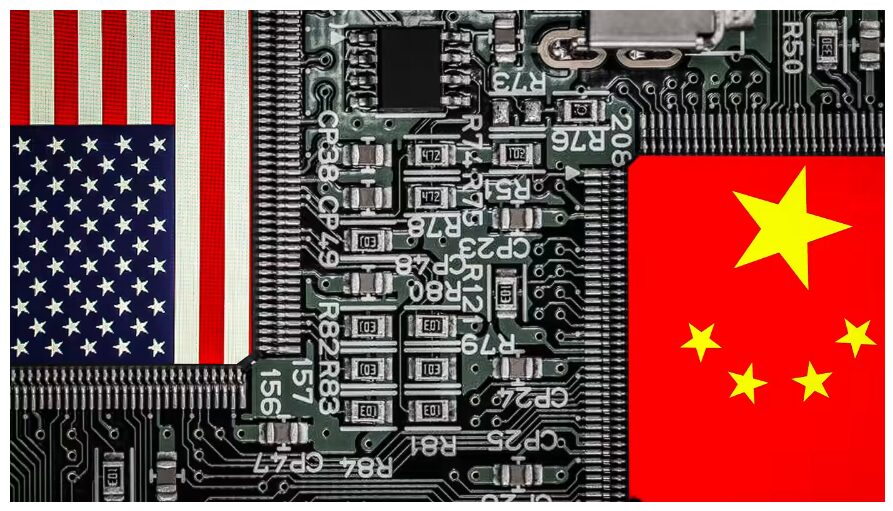
By insisting on protocols that enable cross-national interoperability in a world that lacks trust, the concept aims to break the grip of a handful of American tech giants while offering a chance for open-source systems to reestablish the sovereignty of all.
Back to Top

- China-US Focus builds trust and understanding between the U.S. and China through open dialogue among thought leaders.