Cui Lei, Research Fellow, China Institute of International Studies
Jul 18, 2017
Changing the goal from denuclearization to resuming talks is something worth trying, since other options are becoming dead ends or getting increasingly risky.
Amitai Etzioni, Professor, International Relations at The George Washington University
Jul 14, 2017
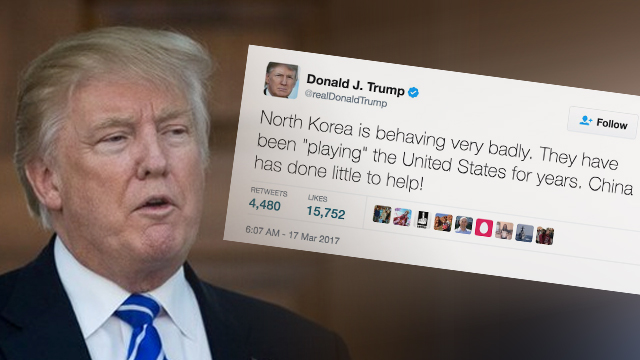
It will take much more from the U.S. to sway China, such as promising to remove the anti-missile defenses from South Korea if North Korea gives up its nukes, and promising not to move U.S. troops north, among other such ‘gives.’ Instead, the impatient and impulsive Trump Administration seems ready to assume China will not cooperate and move on to dealing with North Korea some other way.
Doug Bandow, Senior Fellow, Cato Institute
Jul 14, 2017
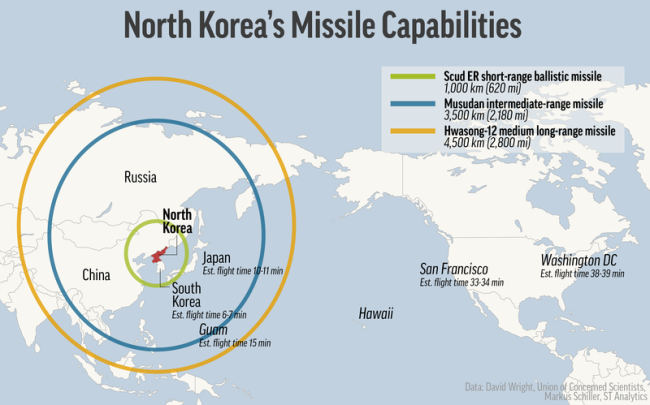
As the North Korean nuclear issues escalates due to the rough state’s recent ICBM testing, the United States should seek a new approach to court Chinese cooperation on the matter. By offering carrots as well as sticks, the two countries can combat nuclear proliferation and address security threats at the same time.
Richard Javad Heydarian, Professorial Chairholder in Geopolitics, Polytechnic University of the Philippines
Jul 14, 2017
Despite the ruling of the South China Sea arbitration case, the Chinese continue to use the waters in Filipino territory however they please. The Duterte Administration downplayed the ruling in order to try and strengthen economic and strategic ties with China, and the Philippines are paying for it.
Ma Xiaolin, Professor, School of Arabic Studies, Beijing Foreign Studies University
Jul 14, 2017
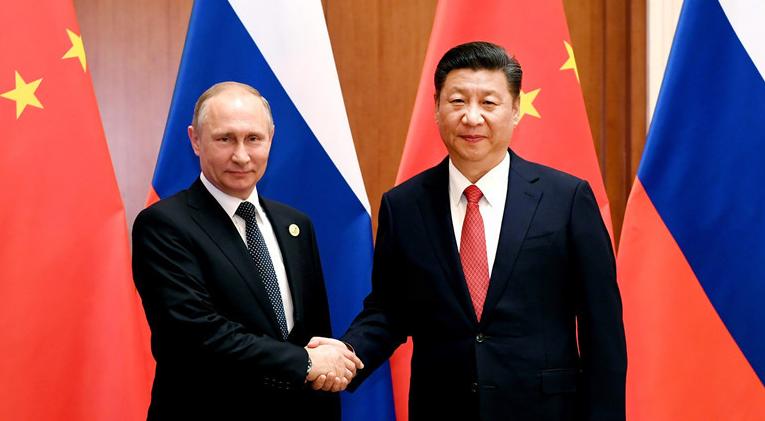
The proposal from Beijing and Moscow could push the Korea nuclear crisis out of its dead-end. Yet there is a very long way to go for that to happen, considering the deep-rooted mutual prejudices, suspicions and the extreme lack of strategic trust.
Ian Storey, Senior Fellow, ISEAS Yusof Ishak Institute
Jul 12, 2017
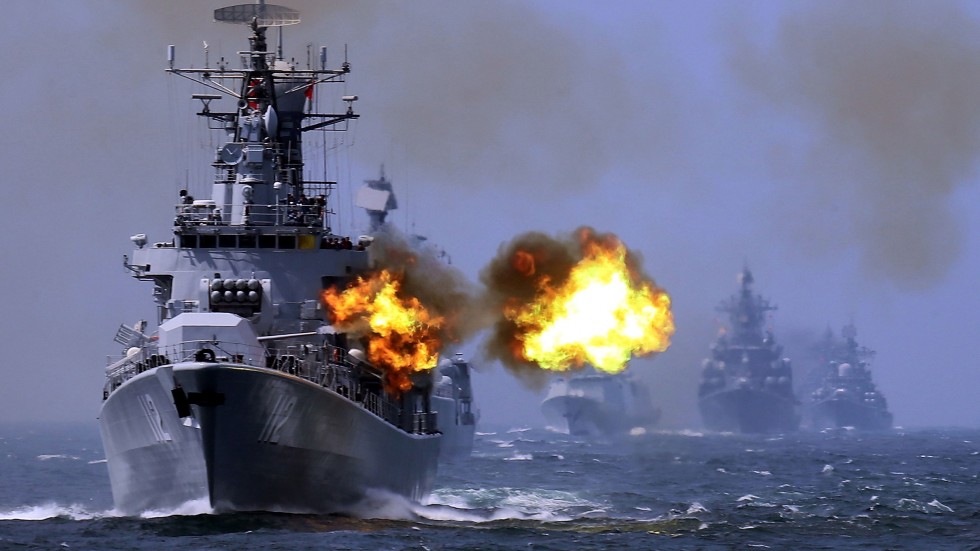
For the past 12 months, the waters of the South China Sea have been fairly tranquil. However, long-time, and hence jaded, observers of one of Asia’s most intractable disputes understand the cyclical nature of tensions; and also know that given the unchanging central drivers of the conflict and the absence of collective political will to palliate those drivers and negotiate an equitable solution, periods of calm are invariably followed by strong tempests.
Anni Piiparinen, Associate Director, Atlantic Council
Jul 12, 2017
While Russia’s hybrid warfare tactics have dominated the news cycle since the annexation of Crimea in 2014, China’s activities in the South China Sea have drawn close lessons from the Kremlin’s playbook. Beijing’s embrace of the concept of modern hybrid warfare has been part of the regional power’s calculated bid to blur the lines between ‘war’ and ‘peace’ in pursuit of its maritime sovereignty claims and avoid outright provocation of its rivals – particularly the United States.
Cui Lei, Research Fellow, China Institute of International Studies
Jul 11, 2017
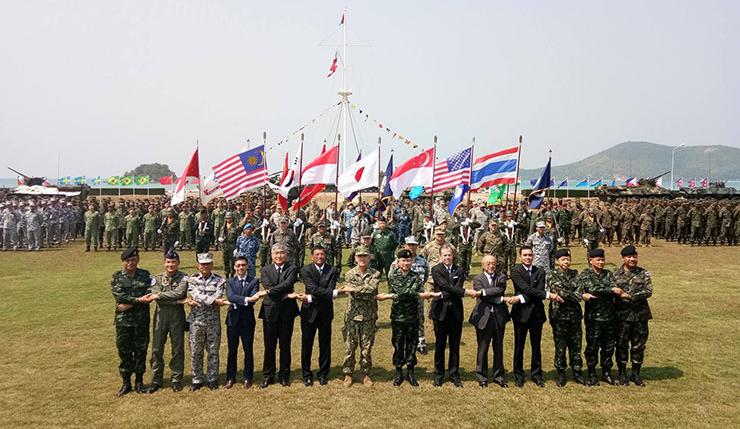
The current fuzzy state of geopolitics in the Asia-Pacific has prompted some middle powers in the region to explore new ties. In the foreseeable future, as long as the US remains in the Asia -Pacific, and China sticks to its peaceful foreign policy, US allies and partners will be reluctant to build informal or formal alliances.
Richard Javad Heydarian, Professorial Chairholder in Geopolitics, Polytechnic University of the Philippines
Jul 10, 2017
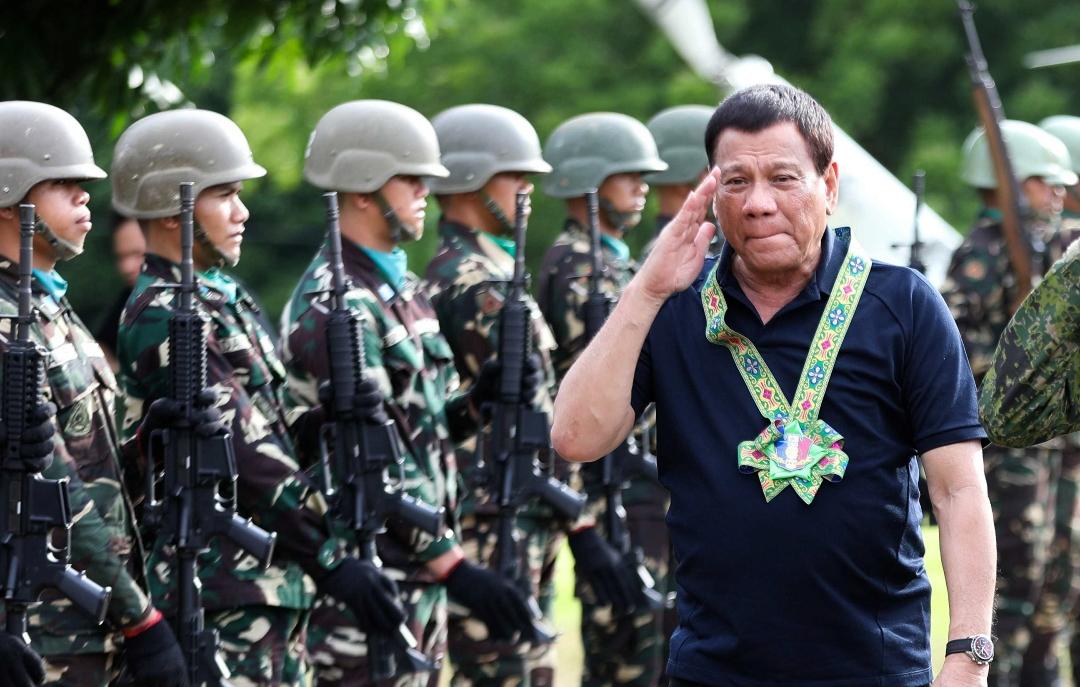
After his first year in office, Rodrigo Duterte has arrived at three key realizations: first, it has become increasingly clear he doesn’t have the power to unilaterally shape his country’s defense policy; second is how far he can distance the Philippines from the U.S.; and third, expanding cooperation between the Philippine military and the Pentagon will constrain Duterte’s outreach to China.
Brahma Chellaney, Professor, Center for Policy Research
Jul 07, 2017
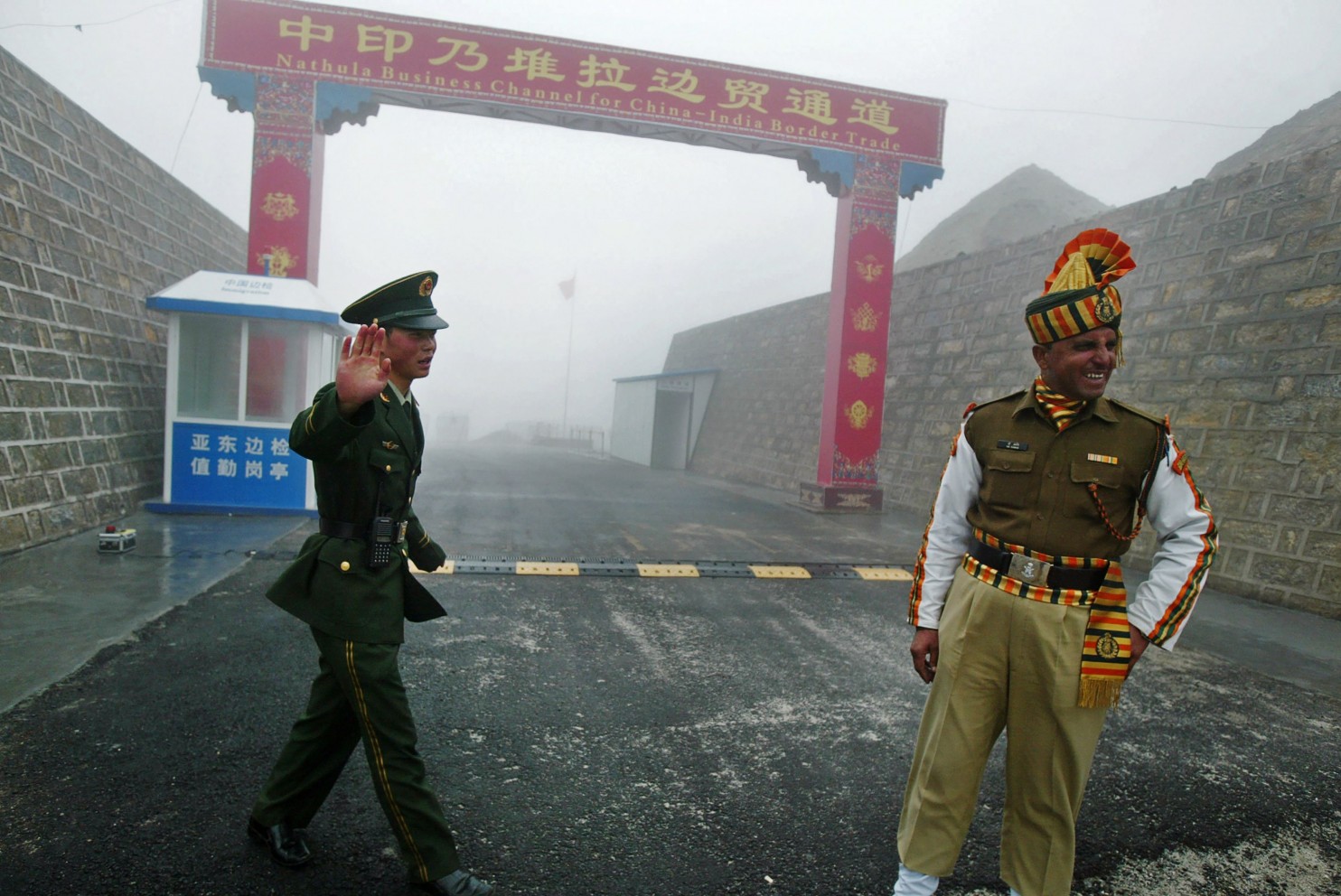
Bhutan has protested that China is chipping away at its territory by building a strategic highway near the Tibet-India-Bhutan tri-junction in the Himalayas. Bhutan has security arrangements with India, and the construction has triggered a tense standoff between Chinese and Indian troops at the tri-junction while Chinese state media warns of the possibility of war.
Back to Top

- China-US Focus builds trust and understanding between the U.S. and China through open dialogue among thought leaders.