
Xu Hongcai, Deputy Director, Economic Policy Commission
Aug 14, 2026
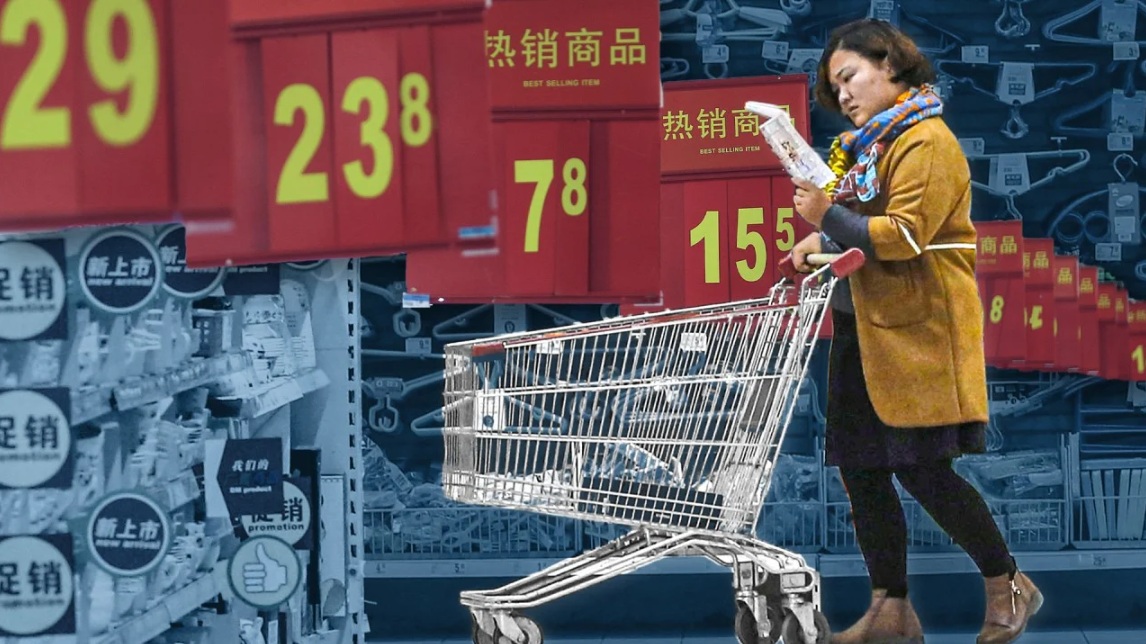
The country’s robust resilience remains intact, putting the full-year growth target of 4.5 to 5 percent well within reach. Its ability to move forward ahead stems from a sound industrial structure: an ultra large domestic market combined with ample policy reserves.
Miao Yanliang, Senior Managing Director and Chief Strategist, China International Capital Corporation
Aug 03, 2026
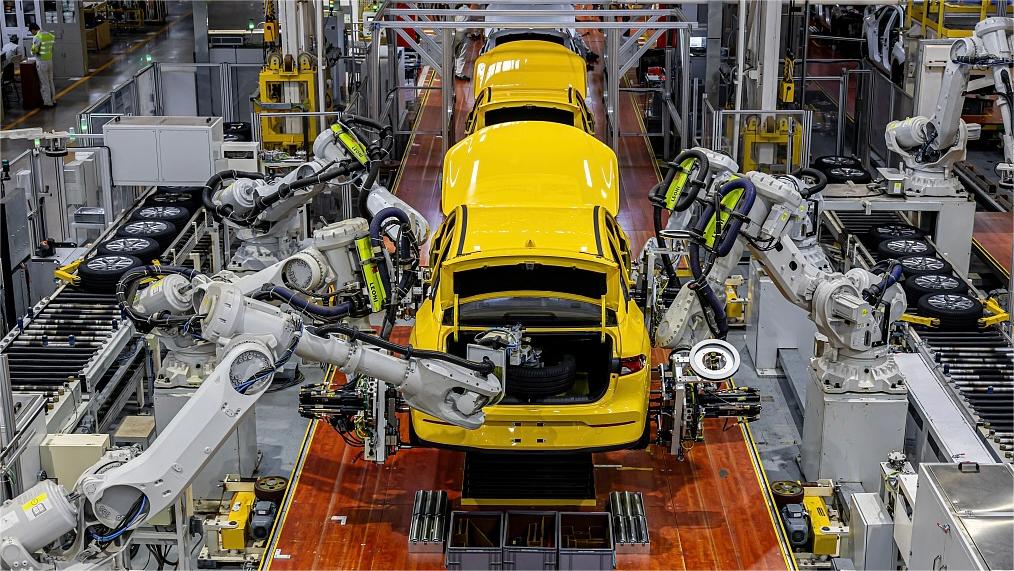
Chinese industry has been operating under distinctly unfavorable external conditions, with trade tensions, the pandemic, geopolitical conflicts, and the reconfiguration of global supply chains all exerting pressure on manufacturing. Yet China’s net goods exports have continued to grow and now exceed $1 trillion, with electric vehicles (EVs), batteries, and machinery expanding their global footprint. Why have external headwinds not weakened China’s manufacturing competitiveness?
Kai Guo, Executive President and Senior Fellow, CF40 Institute
Jul 27, 2026
Chinese firms have achieved global leadership in industries once assumed to be the preserve of advanced economies: electric vehicles, batteries, industrial robots, solar panels, and AI—to name just a few. The standard explanation for this success is that the Chinese state subsidizes production, an argument that has now been given the institutional weight of a major OECD report.
Arvind Subramanian, Visiting lecturer at Harvard’s Kennedy School of Government
Jul 14, 2026
In the long sweep of history, China’s economic performance over the past 50 years will obviously stand out for the sheer scale and pace of quality-of-life improvements within that country. But China’s impact on the rest of the world has still been underappreciated.

Lizzi Lee, Fellow on Chinese Economy, Center for China Analysis, Asia Society Policy Institute
Huiyan Li, Research Assistant, Center for China Analysis
Jul 10, 2026
China’s well-documented rise in prominence in the global supply chain has created an economic engine that now rivals the United States, but now facing stagnating growth, can China innovate into the 21st Century and drive into new territory?
Keyu Jin, Professor of Economics, Hong Kong University of Science and Technology
Apr 10, 2026
China manifests a striking paradox. It is among the world’s most dynamic technological powers, producing breakthroughs in AI, electric vehicles, and advanced manufacturing at an accelerating pace, yet economic growth continues to slow. The reason is no mystery. As the government’s latest Five-Year Plan (2026-30) recognizes, China is experiencing a structural transition, not a cyclical slowdown. The old model is giving way to a new one, which has yet to take hold.
Yanis Varoufakis, Former Finance Minister of Greece, Professor of Economics at the University of Athens
Apr 10, 2026
As missiles, bombs, and drones fly across the Persian Gulf, the prospects of an even more devastating war in the Pacific are strengthening. De-escalation of the new cold war between the United States and China must now become the world’s top priority. To that end, it is essential to explode a powerful myth that makes war more likely: the idea that China has cheated its way to prosperity.
Lawrence Lau, Ralph and Claire Landau Professor of Economics, CUHK
Yanyan Xiong, Associate Professor, School of Economics, and Research Fellow, Center of Social Welfare and Governance, Zhejiang University
Feb 23, 2026
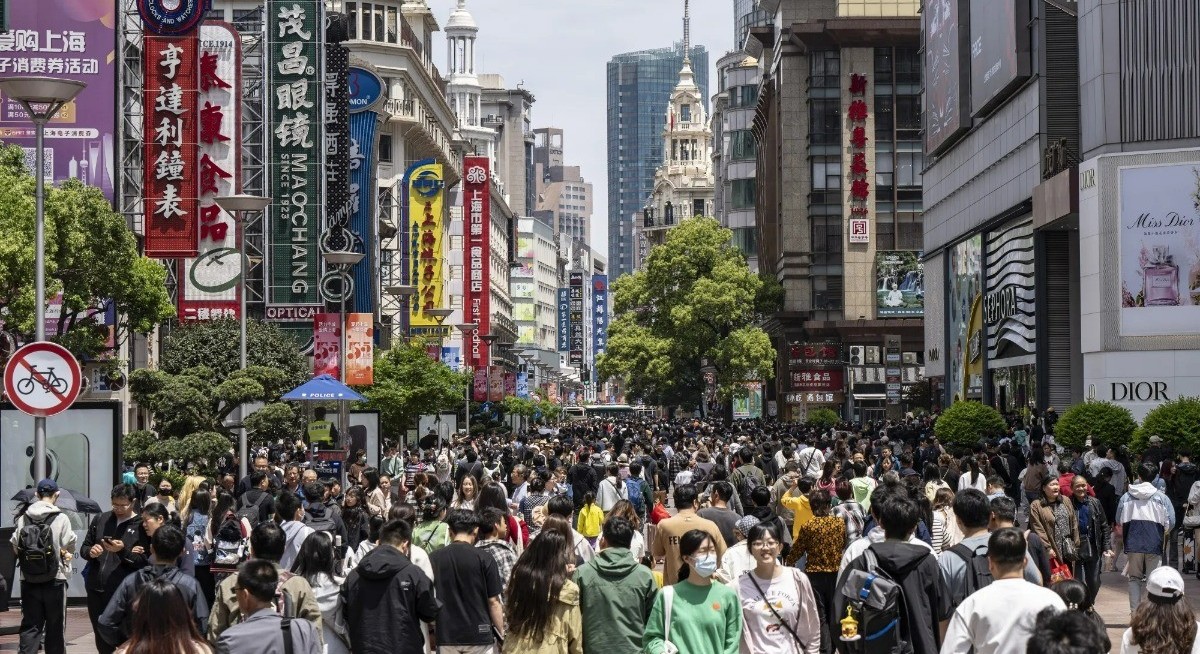
2026 is the first year of the Fifteenth Five-Year (2026-2030) Plan for National Economic and Social Development of China. There is intense interest in the target rate of economic growth as well as the actual rate for 2026, given the continuing slump of the real estate sector in China, the apparent lack of sufficient domestic aggregate demand, and the many different challenging geo-political uncertainties. The official target rate will be announced at the “Twin Conferences (the National People’s Congress and the Chinese People’s Political Consultative Conference)” in early March.
Robin Rivaton, CEO of Stonal, an AI sherpa to MEDEF
Feb 13, 2026
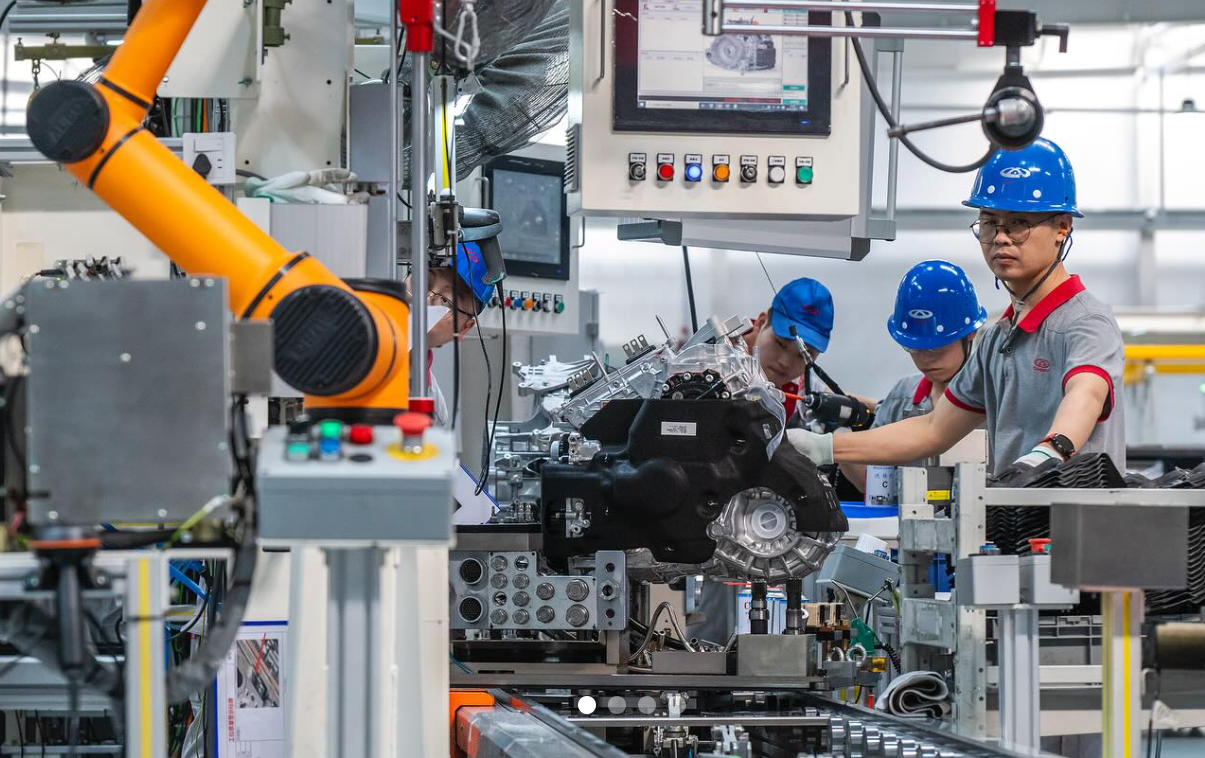
When Western politicians and business leaders discuss China’s manufacturing prowess, they typically invoke images of colossal steel mills flooding global markets, dark factories run by robots, and state-owned champions sustained by subsidies. This supports the view that tariffs and anti-subsidy measures can erode China’s industrial dominance. But while this logic may be comforting, it is wrong.
Dan Wang, China Director, Eurasia Group
Jan 05, 2026
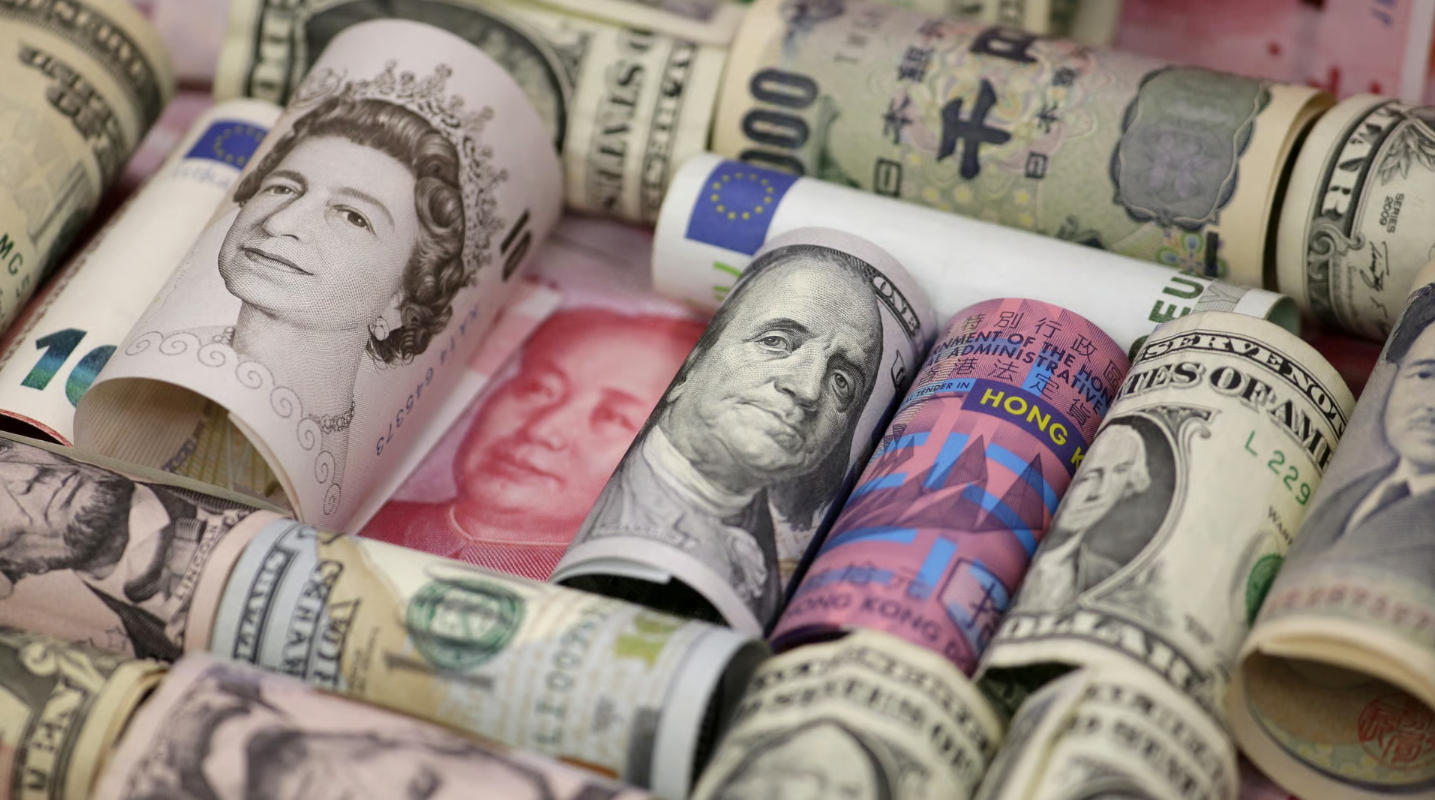
China has deliberately kept the yuan stable in recent years, prioritizing currency credibility and controlled internationalization over export-driven devaluation, as a weaker currency now risks trade tensions, regional instability, and undermining long-term strategic goals. Rather than challenging the dollar outright, Beijing is pursuing a state-led, sanctions-resilient financial system and gradually re-anchoring its exchange rate away from a tight dollar peg toward a more multipolar framework.
Back to Top

- China-US Focus builds trust and understanding between the U.S. and China through open dialogue among thought leaders.