Zhou Xiaoming, Former Deputy Permanent Representative of China’s Mission to the UN Office in Geneva
Oct 16, 2026
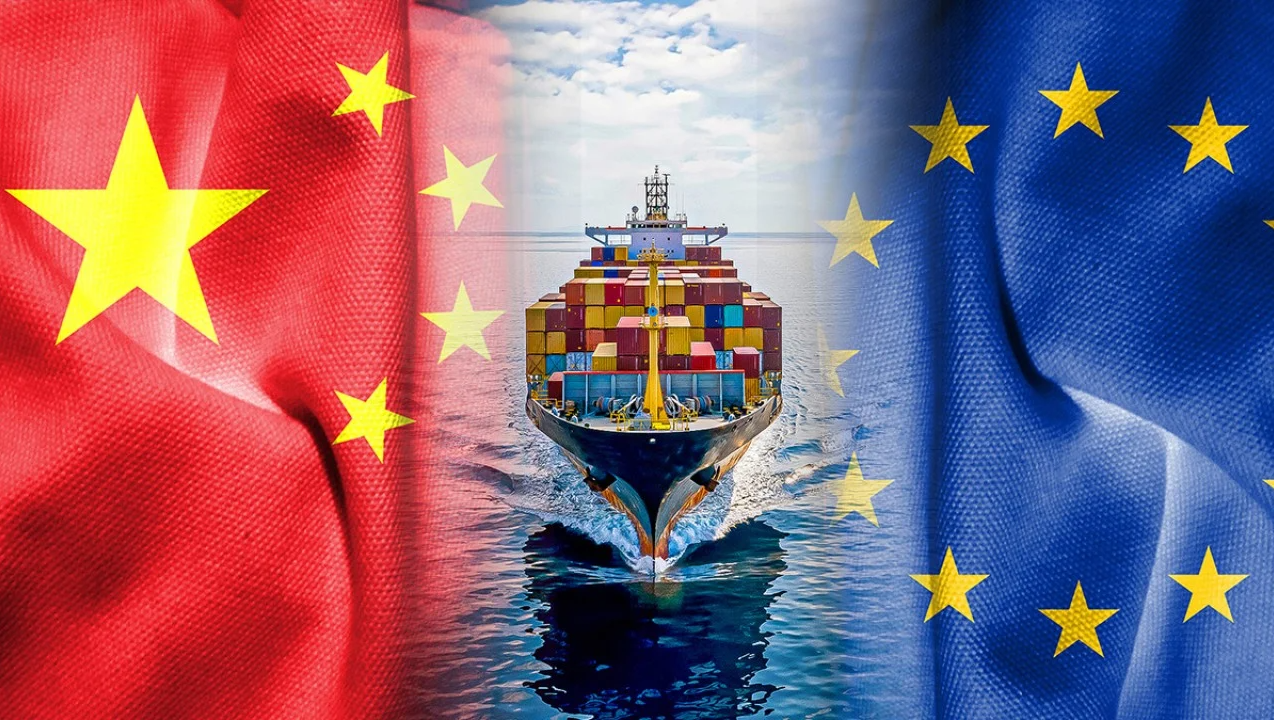
The China-EU trade consensus has meaning beyond a list of commodities, tariffs and various restrictions. Two of the world’s largest trading powers have chosen to engage inside the rules instead of maneuvering outside them. It’s an example that quietly draws a bottom line for global trade.
Zhou Xiaoming, Former Deputy Permanent Representative of China’s Mission to the UN Office in Geneva
Aug 14, 2026
The choice facing the world is clear: Either allow the United States to continue its unilateral reshaping of global trade by coercion, or come together to defend the principles of non-discrimination, fairness and multilateralism that underpin shared global prosperity.
Ma Xue, Associate Fellow, Institute of American Studies, China Institutes of Contemporary International Relations
Jul 24, 2026
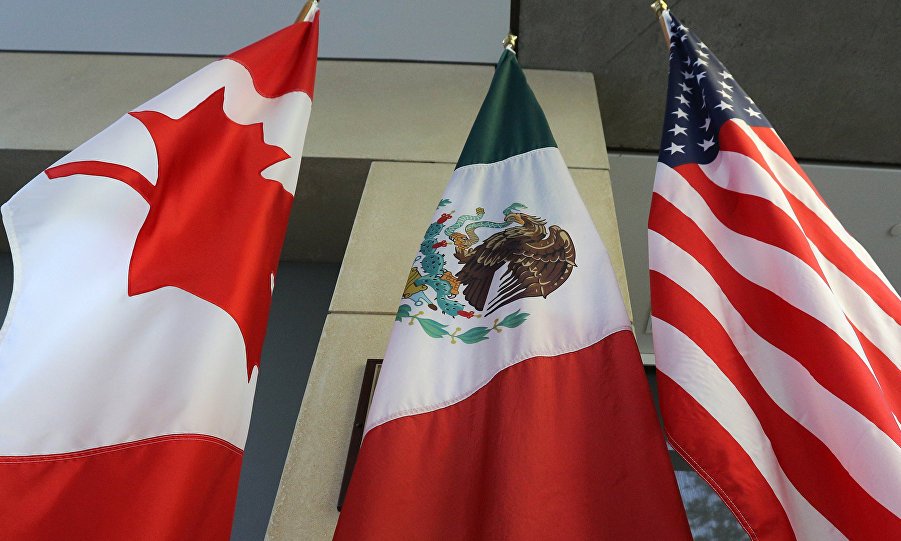
The current USMCA review is expected to introduce new China-related restrictive provisions across four key areas: labor enforcement, rules of origin, economic security coordination and external tariff alignment. Taken together, these measures would substantially narrow market access for Chinese capital, goods and technology in North America.
Ma Xue, Associate Fellow, Institute of American Studies, China Institutes of Contemporary International Relations
Jun 18, 2026
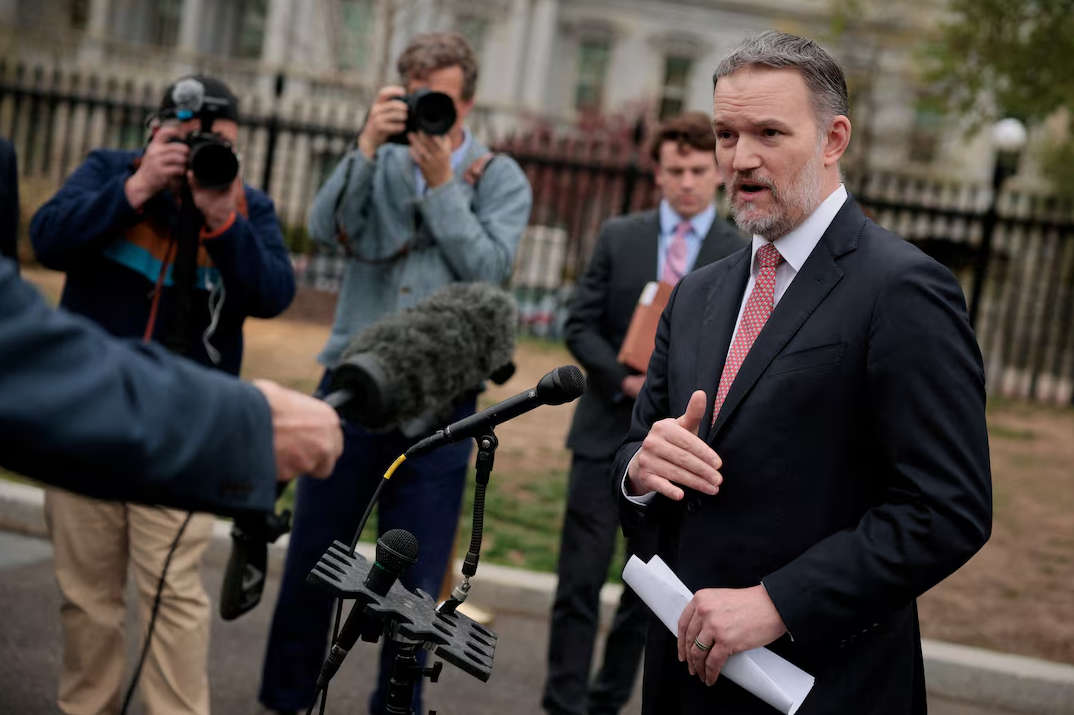
Although small-scale rivalry and periodic tactical bargaining are likely to persist, a new equilibrium characterized by institutionalized cooperation—and occasional issue-specific divergence—may gradually emerge as the new normal in China-U.S. economic and trade relations.
Shang-Jin Wei, Professor, Finance and Economics at Columbia University
May 22, 2026
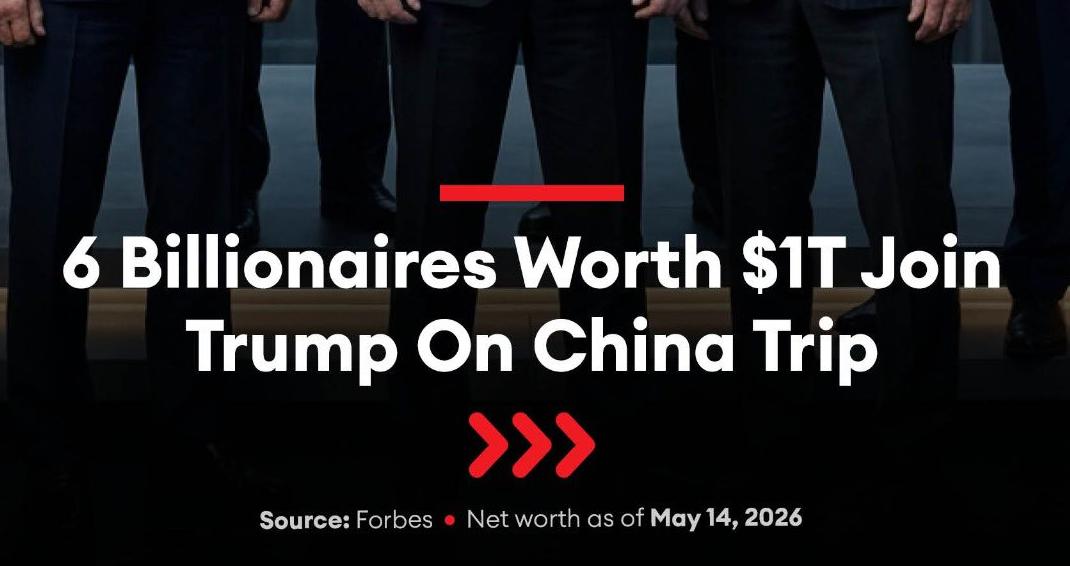
The optics of this week’s summit between Donald Trump and Xi Jinping were carefully staged to signal parity between the United States and China. Trump, the first US president to visit mainland China in nearly a decade, was accompanied by an entourage of American CEOs—including Tesla’s Elon Musk (with his son X), Apple’s Tim Cook, Boeing’s Kelly Ortberg, and Nvidia’s Jensen Huang—whose businesses rely on maintaining good relations with the People’s Republic. They were duly given a grand welcome in the Great Hall of the People.
Zhao Minghao, Professor, Institute of International Studies at Fudan University, and China Forum Expert
May 08, 2026
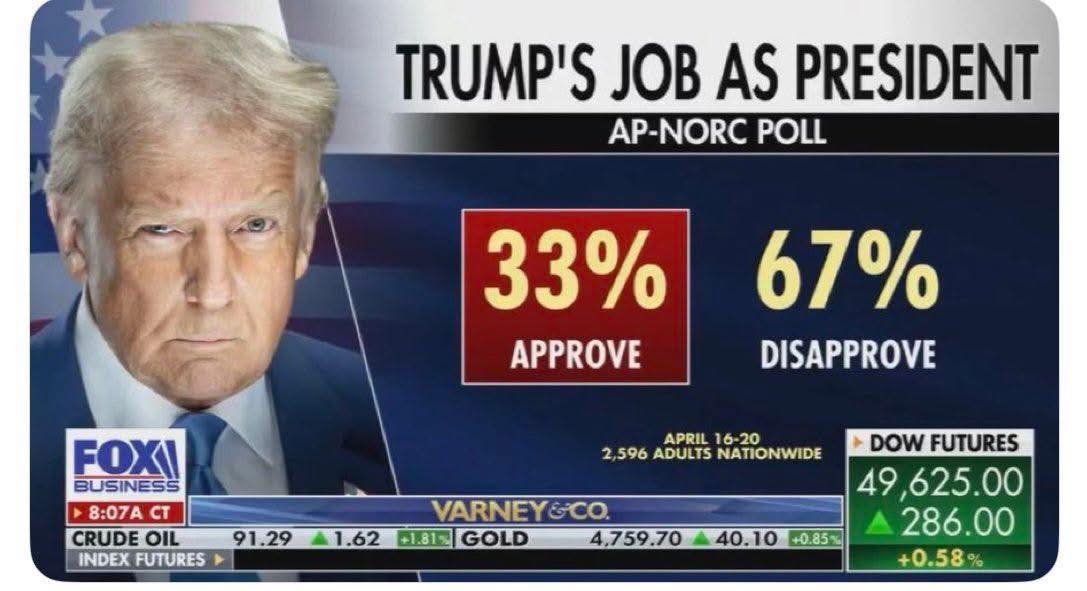
Donald Trump’s approval rating has dropped to 34 percent among the American people, the lowest level of his second term. Given the U.S. war against Iran, the growing internal divisions within his administration and the rising inflationary pressure at home, Trump now has juggle a lot at once.
Sebastian Contin Trillo-Figueroa, Geopolitics Analyst in EU-Asia Relations and AsiaGlobal Fellow, The University of Hong Kong
Apr 21, 2026
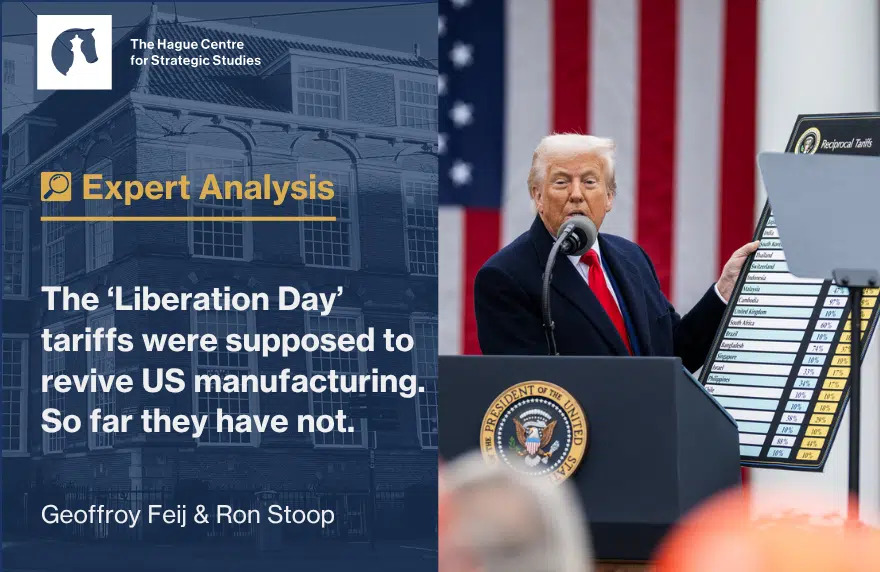
Trump’s tariffs failed to reshore manufacturing or reduce trade deficits, instead weakening U.S. alliances and strengthening China’s global position. They accelerated a shift in power toward control of supply chains and critical materials—an area where China holds a decisive advantage.
He Weiwen, Senior Fellow, Center for China and Globalization, CCG
Mar 10, 2026
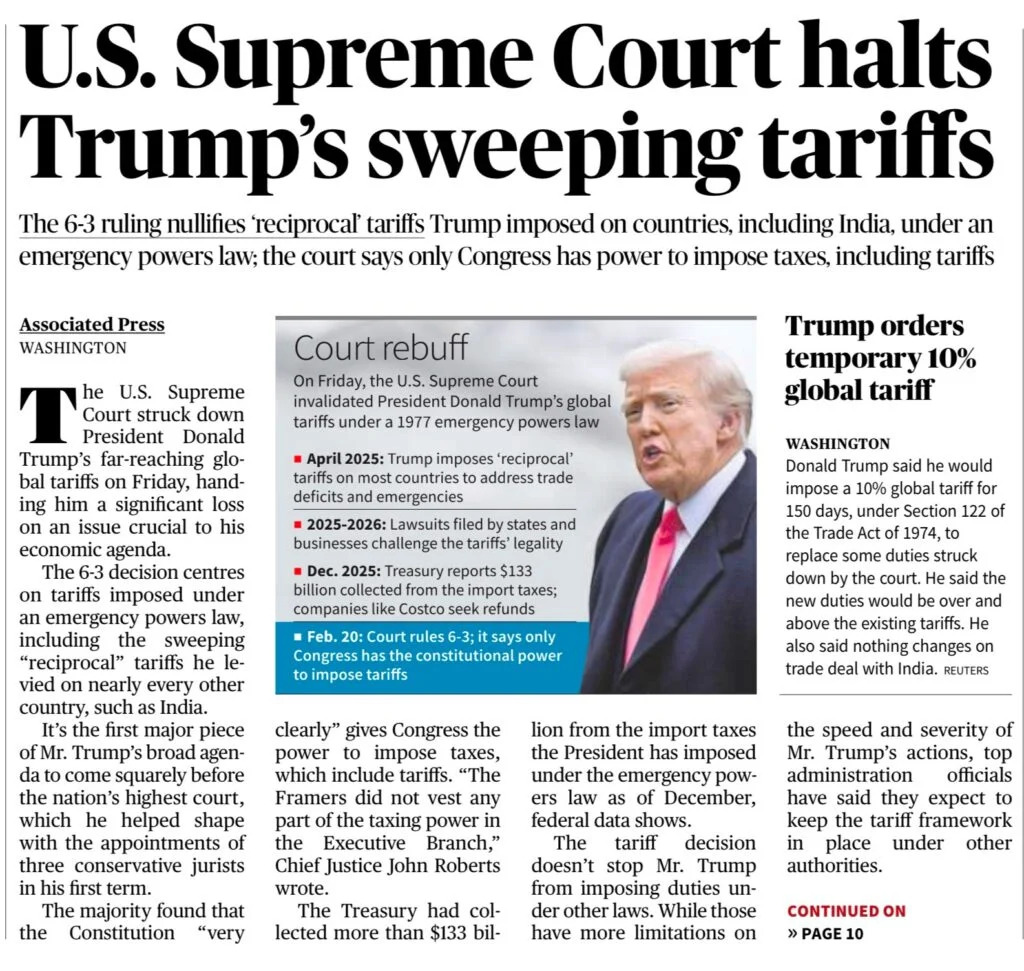
While the U.S. Supreme Court struck down the Trump administration’s IEEPA tariffs, Washington has continued to pursue unilateral tariff policies through other legal mechanisms, creating ongoing uncertainty in global trade. China and the United States should therefore move beyond tariff confrontation and focus on stable, mutually beneficial cooperation in trade, investment, and emerging technologies.

He Weiwen, Senior Fellow, Center for China and Globalization, CCG
Dec 22, 2025
It is highly anticipated that even with a continued mix of tensions and collaboration, 2026 will see more of the positive and less of the negative, thus benefiting the people of both countries and the world at large.
Ghulam Ali, PhD, Monash University, Australia
Dec 18, 2025
Two separate announcements tell how Trump’s tariffs left China’s exports unscathed while quietly taxing American households.
Back to Top

- China-US Focus builds trust and understanding between the U.S. and China through open dialogue among thought leaders.