Li Yan, Director of President's Office, China Institutes of Contemporary International Relations
Jun 18, 2026
As more countries seek to break free from external constraints and assert greater control over their own development and security agenda, the global wave of strategic autonomy is increasingly challenging the post-Cold War order and reshaping the international system.
Richard Javad Heydarian, Professorial Chairholder in Geopolitics, Polytechnic University of the Philippines
May 04, 2026
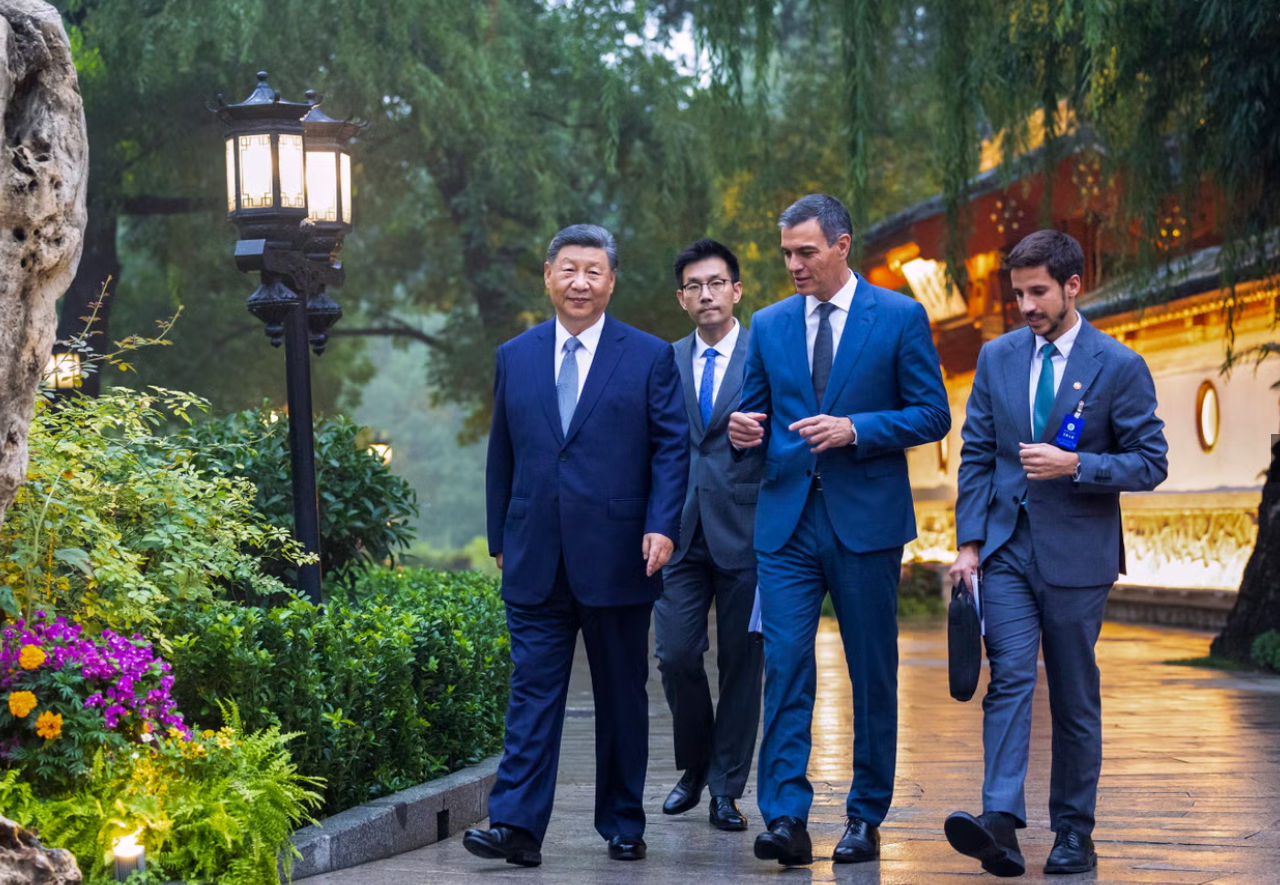
Key U.S. allies in Europe, North America, and Asia are increasingly courting China or hedging toward it in response to growing uncertainty and unilateralism in American foreign policy under Donald Trump. This shift reflects a broader recalibration toward strategic autonomy and multipolarity, as allies seek to diversify partnerships, reduce dependence on the U.S., and manage both the risks and opportunities posed by China’s rise.
Zahid Anwar, Pro-Vice-President at the University of Peshawar, Pakistan
Apr 20, 2026
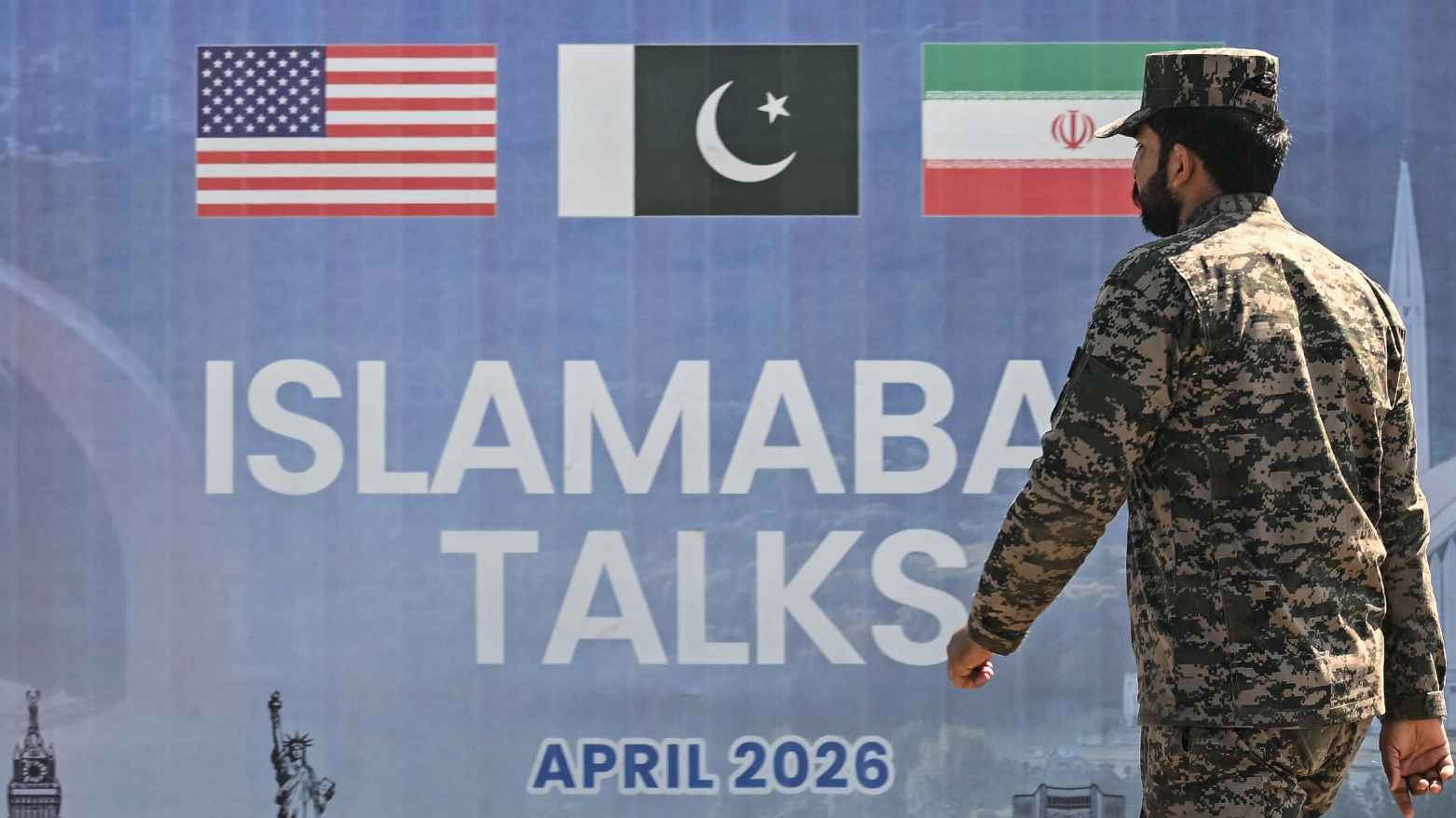
The ongoing conflict involving the United States, Israel, and Iran represents one of the most significant geopolitical crises of 2026. It began in late February when U.S. and Israeli forces launched large-scale strikes on Iranian military and nuclear infrastructure, escalating long-standing tensions over Iran’s nuclear program and regional influence. Iran responded with missile and drone attacks across the Middle East, targeting U.S. bases and allied interests, turning the confrontation into a broader regional war. The conflict has disrupted global energy markets, intensified regional instability, and triggered fragile ceasefire efforts, highlighting the risk of prolonged confrontation and wider international consequences.
Li Yan, Director of President's Office, China Institutes of Contemporary International Relations
Apr 09, 2026
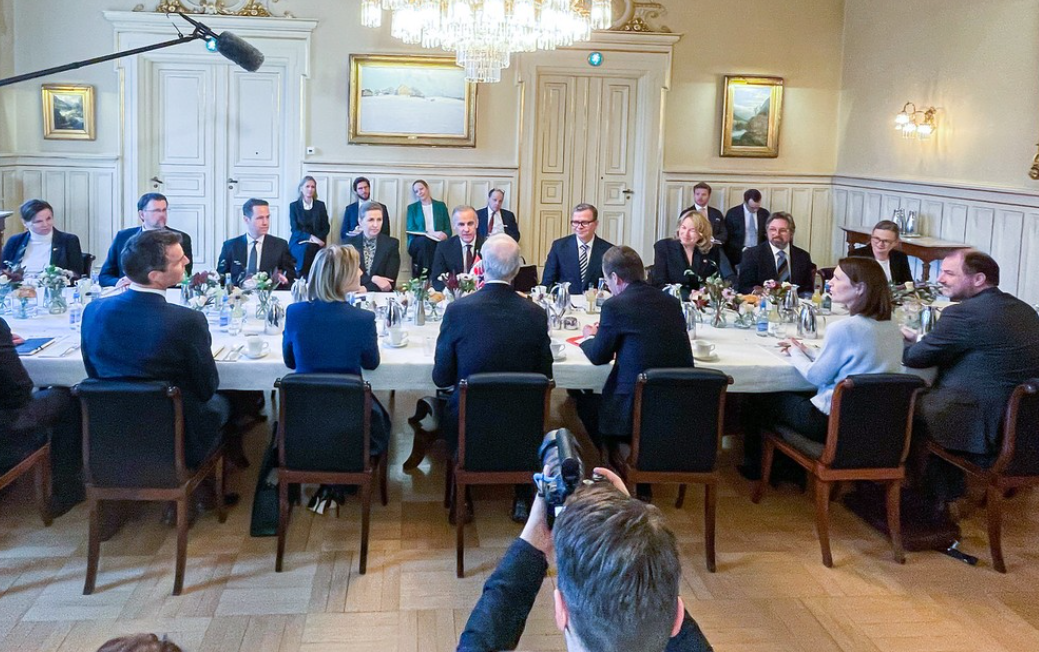
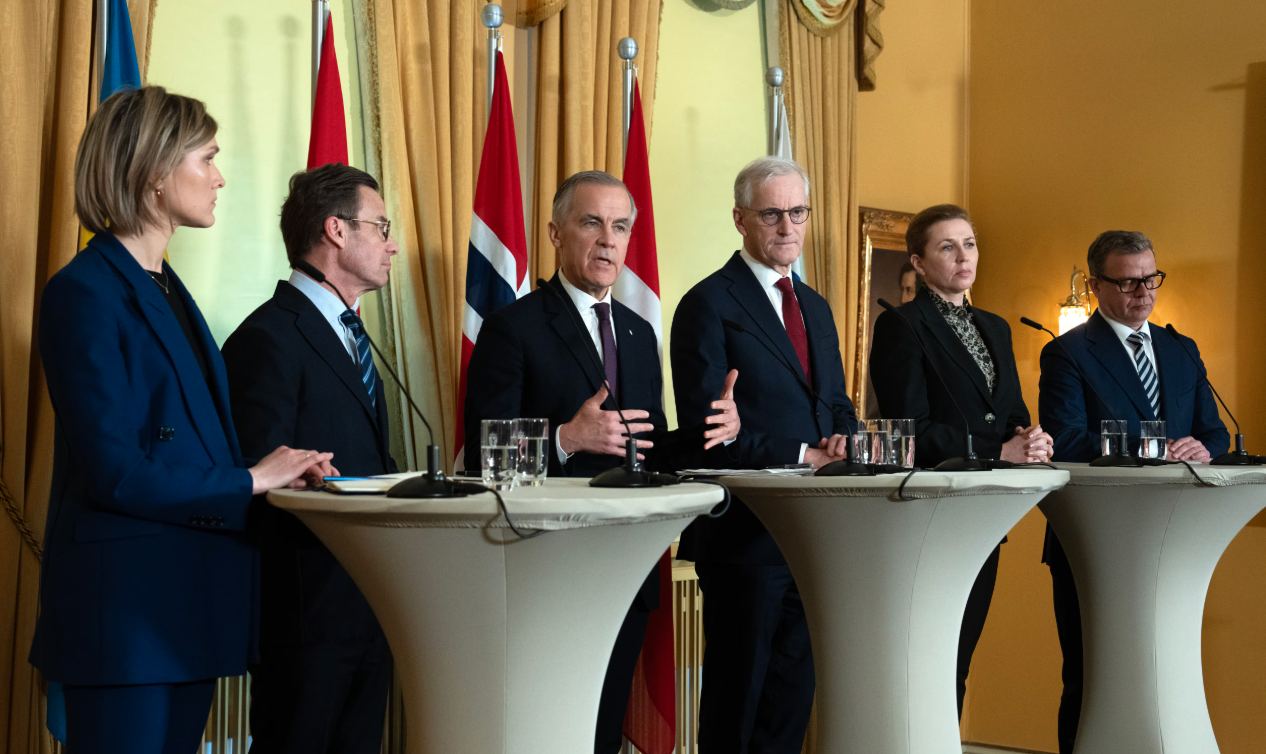
Canada and the five Nordic countries have vowed to seek closer “middle power” cooperation, a strategic effort to preserve national sovereignty. The move exposes a rift in the U.S.-led alliance system, which faces multiple uncertainties, including internal coordination challenges and U.S. pressure.
Xiao Bin, Deputy Secretary-general, Center for Shanghai Cooperation Organization Studies, Chinese Association of Social Sciences
Mar 27, 2026
Middle powers on the continent have a real motivation to cooperate. Constrained by structural factors such as their defense systems, however, the so-called transatlantic shared heritage and the scale of the U.S. market, their cooperation is seen mostly in policy coordination and diplomatic statements.
Back to Top

- China-US Focus builds trust and understanding between the U.S. and China through open dialogue among thought leaders.