Aaron Glasserman, Postdoctoral fellow at the Center for the Study of Contemporary China at the University of Pennsylvania
May 08, 2026
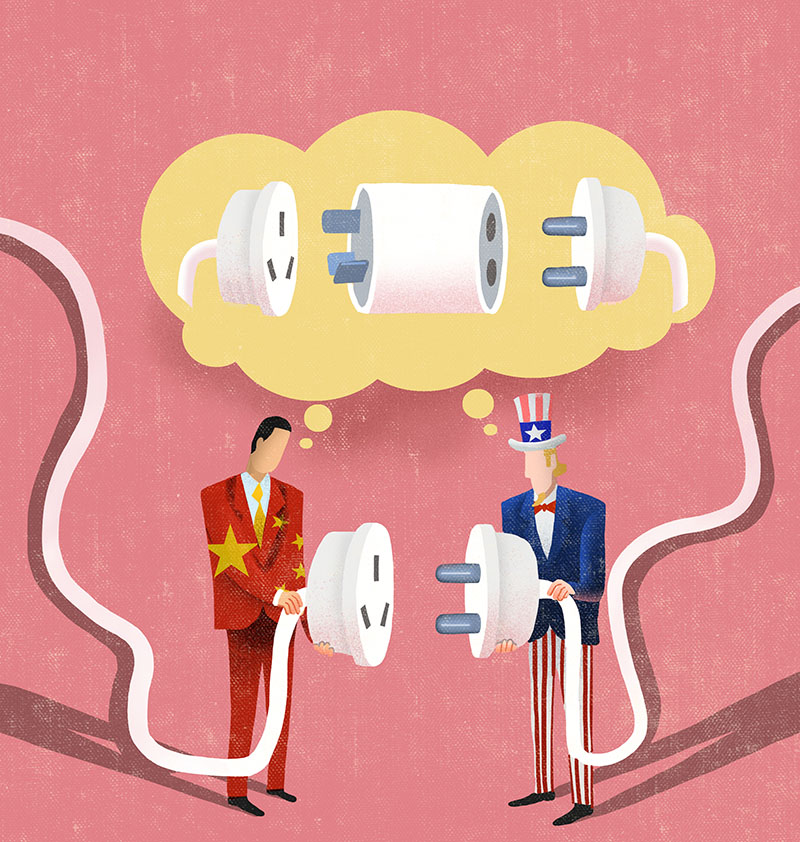
Labeling China as part of an “Axis of Chaos” misrepresents its strategy by overstating its alignment with other U.S. adversaries and wrongly implying that it seeks global instability. China’s power and the challenge it poses to the United States instead stem primarily from its deep integration and central role in the global economy, not from fostering chaos or acting as part of a unified anti-U.S. bloc.
Richard Javad Heydarian, Professorial Chairholder in Geopolitics, Polytechnic University of the Philippines
May 04, 2026
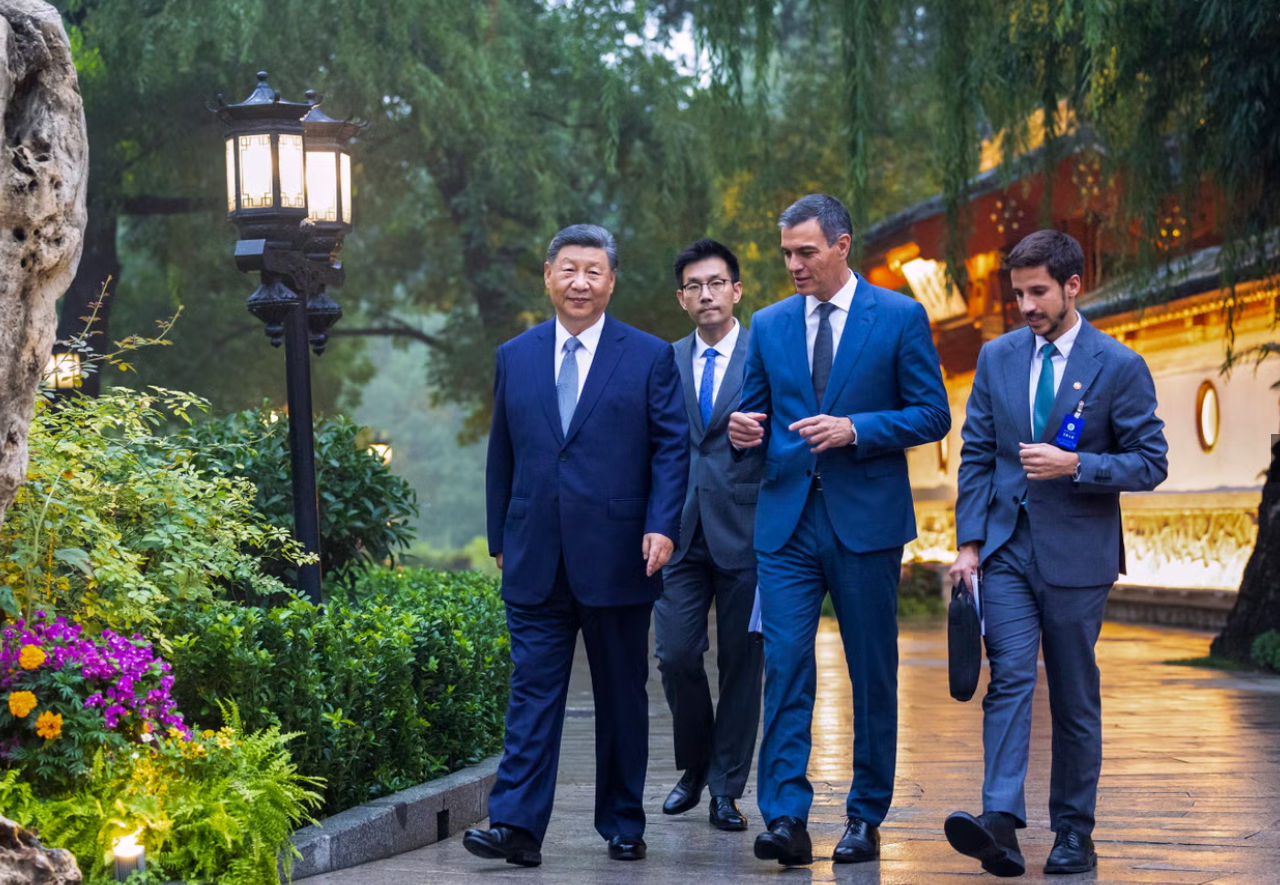
Key U.S. allies in Europe, North America, and Asia are increasingly courting China or hedging toward it in response to growing uncertainty and unilateralism in American foreign policy under Donald Trump. This shift reflects a broader recalibration toward strategic autonomy and multipolarity, as allies seek to diversify partnerships, reduce dependence on the U.S., and manage both the risks and opportunities posed by China’s rise.
Xiao Bin, Deputy Secretary-general, Center for Shanghai Cooperation Organization Studies, Chinese Association of Social Sciences
Mar 27, 2026
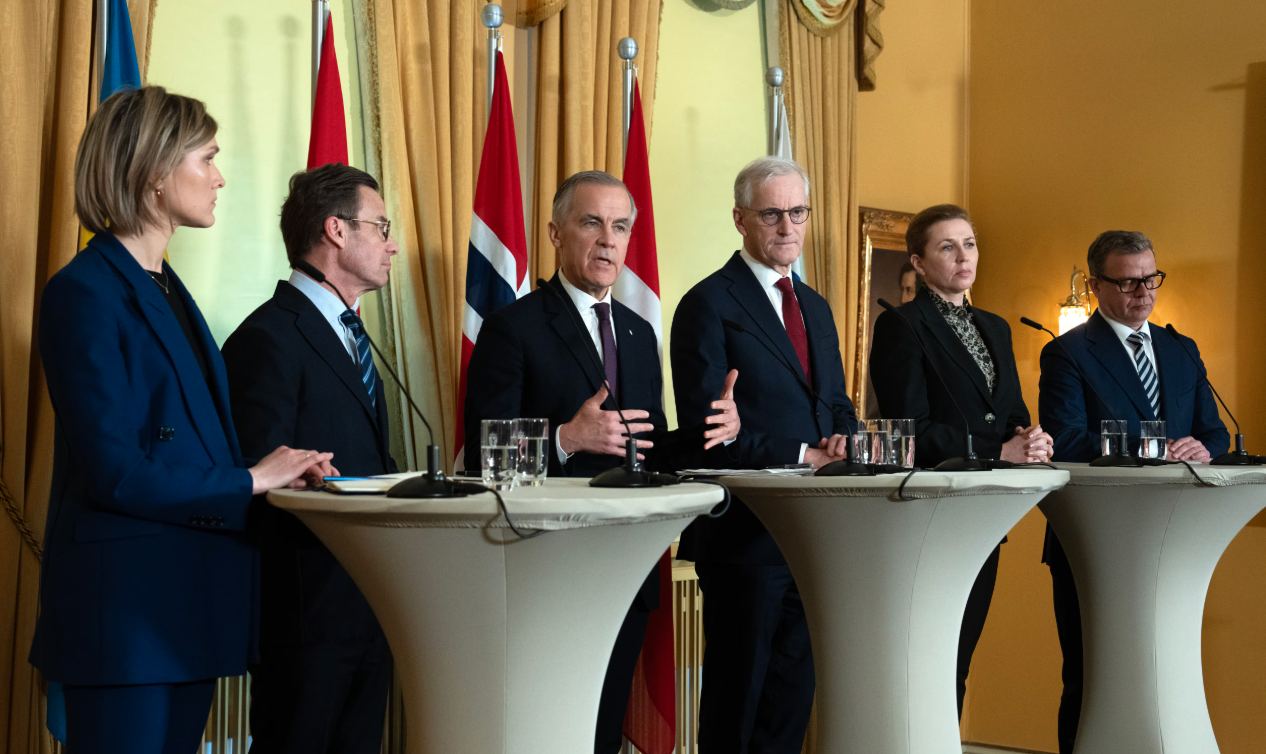
Middle powers on the continent have a real motivation to cooperate. Constrained by structural factors such as their defense systems, however, the so-called transatlantic shared heritage and the scale of the U.S. market, their cooperation is seen mostly in policy coordination and diplomatic statements.
Dan Steinbock, Founder, Difference Group
Feb 13, 2026
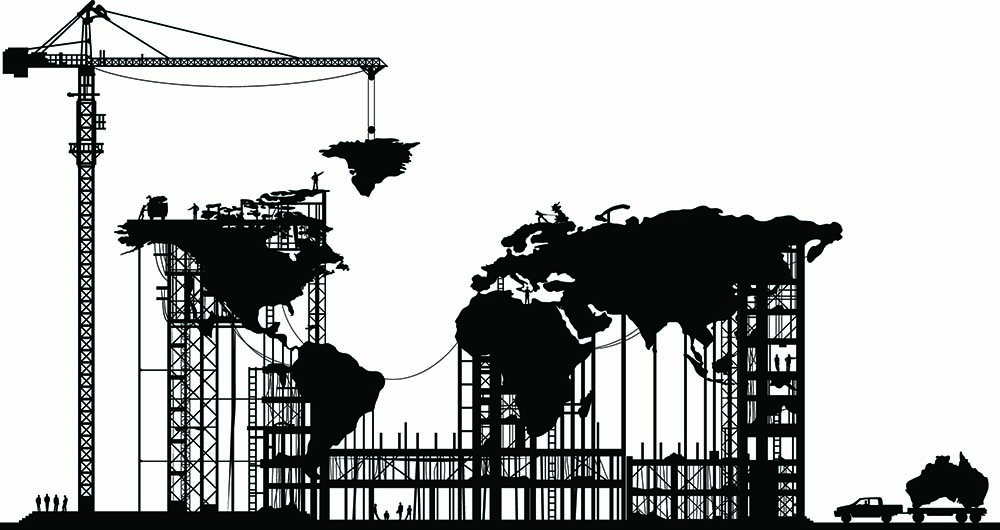
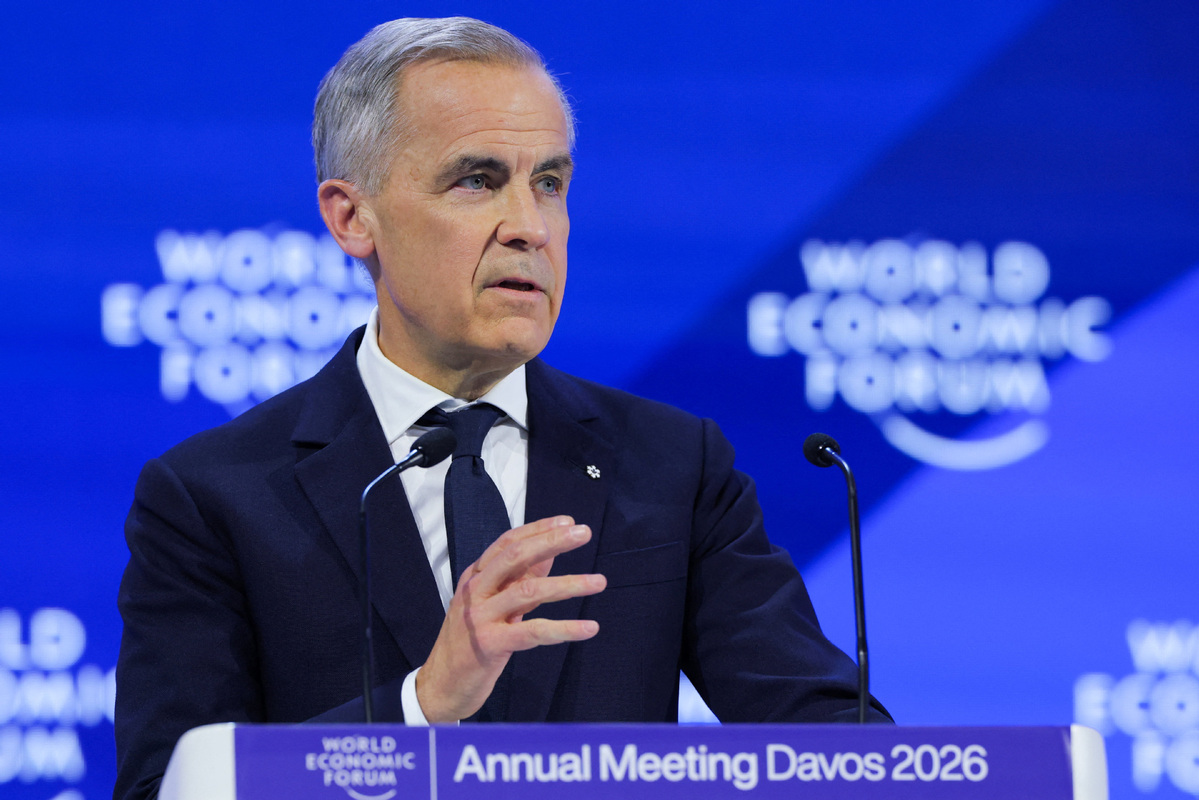
In a recent speech, Canada’s Prime Minister Mark Carney declared the end of the rules-based order. Yet, U.S. unilateralism began accelerating in the 1980s, and much of the West complied so long as it remained beneficial. Today, that alignment no longer holds.
Christopher A. McNally, Professor of Political Economy, Chaminade University
Jan 30, 2026
Donald Trump’s second-term foreign policy has accelerated the collapse of the postwar liberal international order by abandoning its institutions, norms, and sources of legitimacy. Economic integration is now widely used as a tool of coercion, placing middle powers in an unstable interregnum defined by great-power rivalry, forced alignment choices, and a widening contrast between U.S. unilateralism and China’s defense of globalization and multilateralism.
Brian Wong, Assistant Professor in Philosophy and Fellow at Centre on Contemporary China and the World, HKU and Rhodes Scholar
Jan 23, 2026
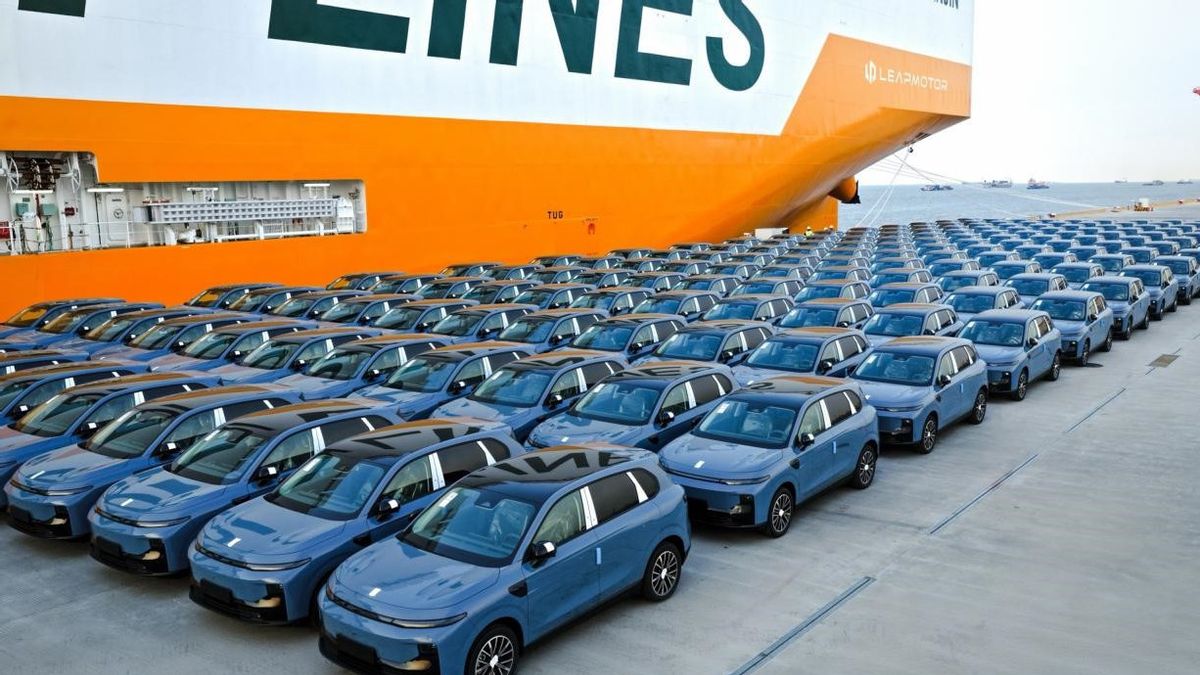
China’s deal with the EU to replace proposed electric vehicle tariffs with a price floor reflects a broader shift in Beijing’s economic and diplomatic strategy to ease trade frictions and rebuild ties with Europe and other U.S. allies amid uncertainty over U.S. leadership. The success of this outreach will depend on China’s ability to address persistent trade imbalances and geopolitical concerns, rather than assuming that tensions with Washington will automatically translate into closer alignment with Beijing.
Xiao Bin, Deputy Secretary-general, Center for Shanghai Cooperation Organization Studies, Chinese Association of Social Sciences
Jan 16, 2026
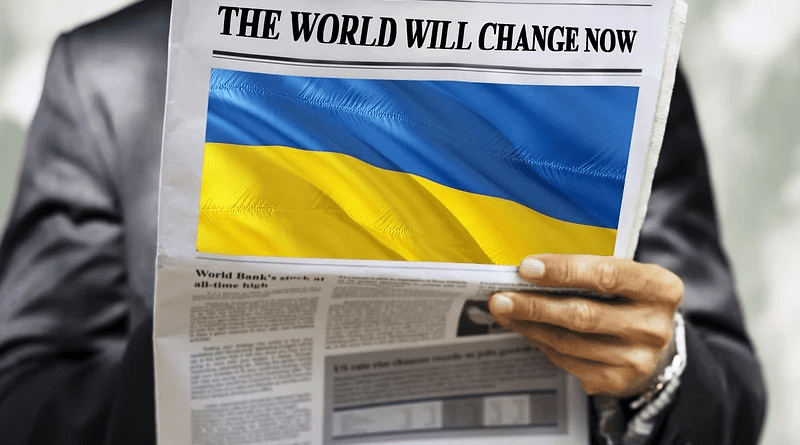
In 2025, Ukraine gradually changed from a battlefield confrontation to a complex contest centered on cease-fire terms, postwar arrangements and the responsibilities of the world’s major powers. The war in Ukraine did not end in 2025, but a new reality was clearly defined.

Sebastian Contin Trillo-Figueroa, Geopolitics Analyst in EU-Asia Relations and AsiaGlobal Fellow, The University of Hong Kong
Dec 08, 2025
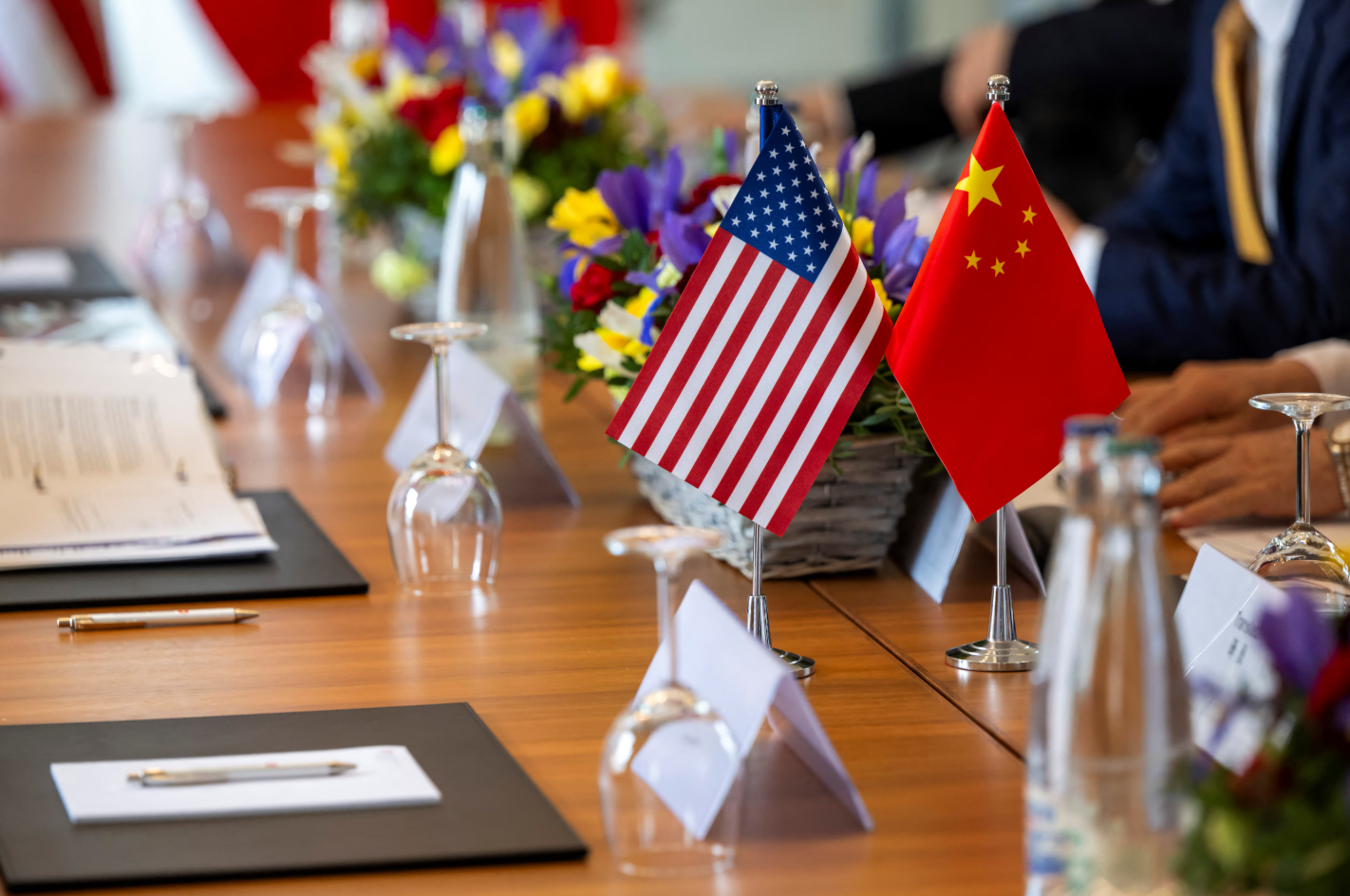
In the near future, the supposed “multipolar” world has been deferred, giving way instead to “orbital bipolarity”—a system in which global politics and industry are pulled into competing gravitational fields centered on the United States and China. Multilateralism has become inert, and every other power now orbits these two anchors while maintaining the fiction of choice and autonomy.
Warwick Powell, Adjunct Professor at Queensland University of Technology
Oct 27, 2025
John Maynard Keynes’ The Economic Consequences of the Peace (1919) remains one of the most prescient critiques of postwar settlement in modern history. In it, Keynes warned that victory can hollow itself out when the victors lose their sense of humility. The punitive reparations imposed upon Germany after World War I, he argued, sowed the seeds for future instability by humiliating and impoverishing a nation that, once stripped of dignity and hope, would not long consent to the order imposed upon it. His insight was both economic as well as moral and political: sustainable peace requires magnanimity, not vengeance; it presupposes an architecture of inclusion, not one of exclusion. In today’s parlance, it rejects blocs aimed at those outside and seeks to ground relations in the idea of indivisible peace.
An Gang, Adjunct Fellow, Center for International Security and Strategy, Tsinghua University
Sep 30, 2025
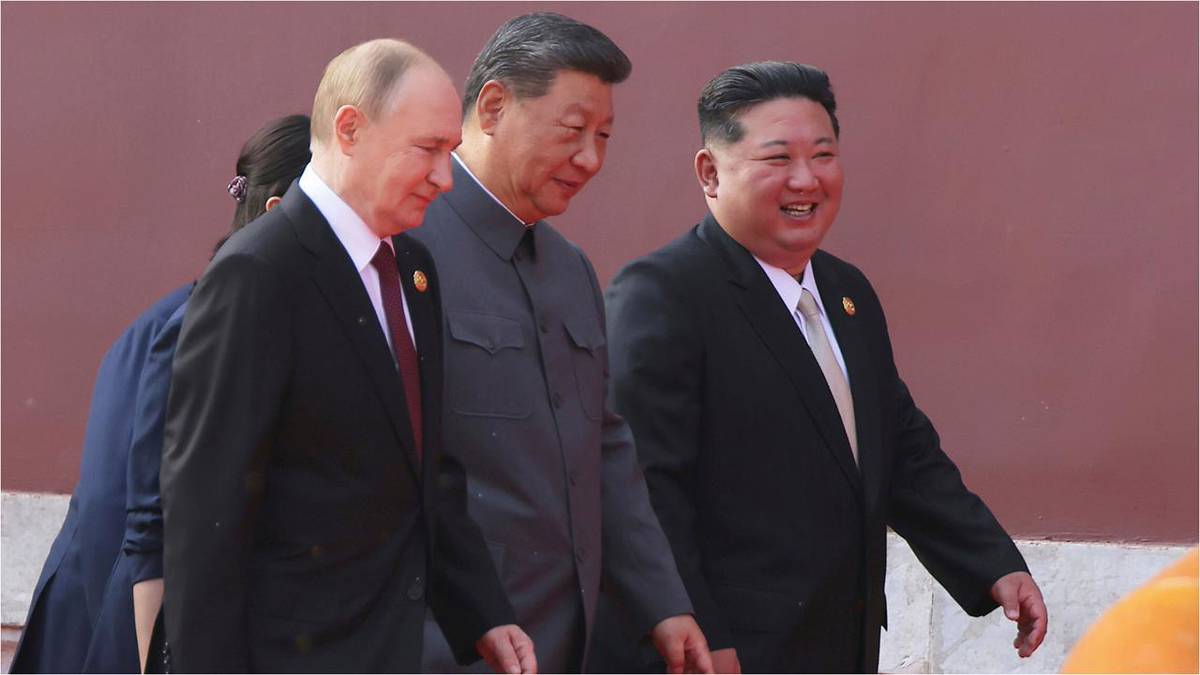
The military parade in Beijing on Sept. 3 and the SCO summit in Tianjin elicited a profound psychological response in the United States and other Western countries. Debates over China’s strategic ascent and the prospect of a continental alignment have intensified.
Back to Top

- China-US Focus builds trust and understanding between the U.S. and China through open dialogue among thought leaders.