Bibek Raj Kandel, New World AsiaGlobal Fellow Energy and Climate Policy Expert
Diana Teoh, Asia Global Institute Fellow
Dec 15, 2025
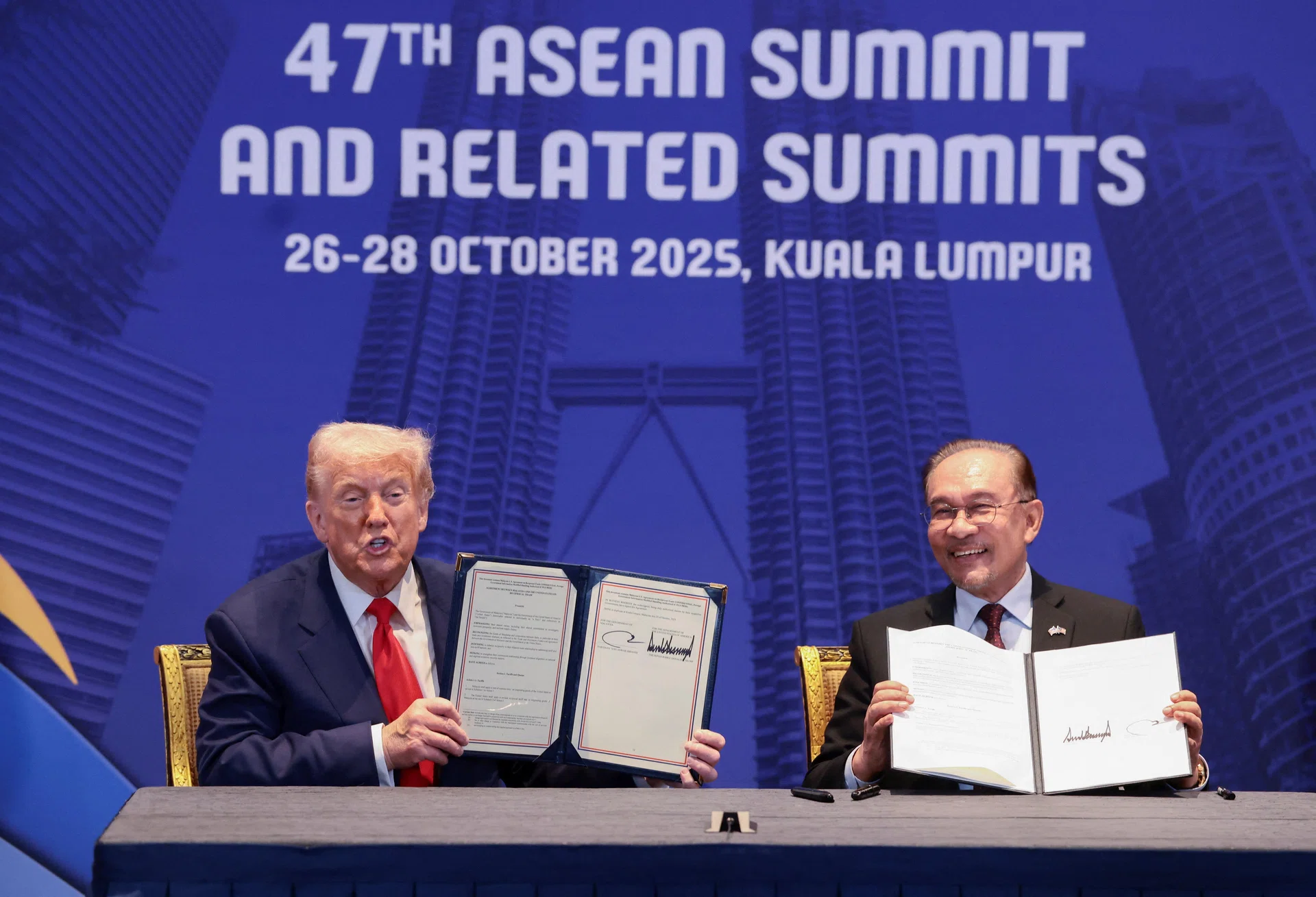
For decades, Western multinationals and tech firms built Malaysia’s export base while China financed its railways, ports, and industrial zones -- a balance Kuala Lumpur managed with unusual ease. Now, rare-earth ambitions are pulling that equilibrium in new directions, intensifying debates at home over control, national interest, and how far neutrality can stretch.
Sajjad Ashraf, Former Adjunct Professor, National University of Singapore
Oct 17, 2025
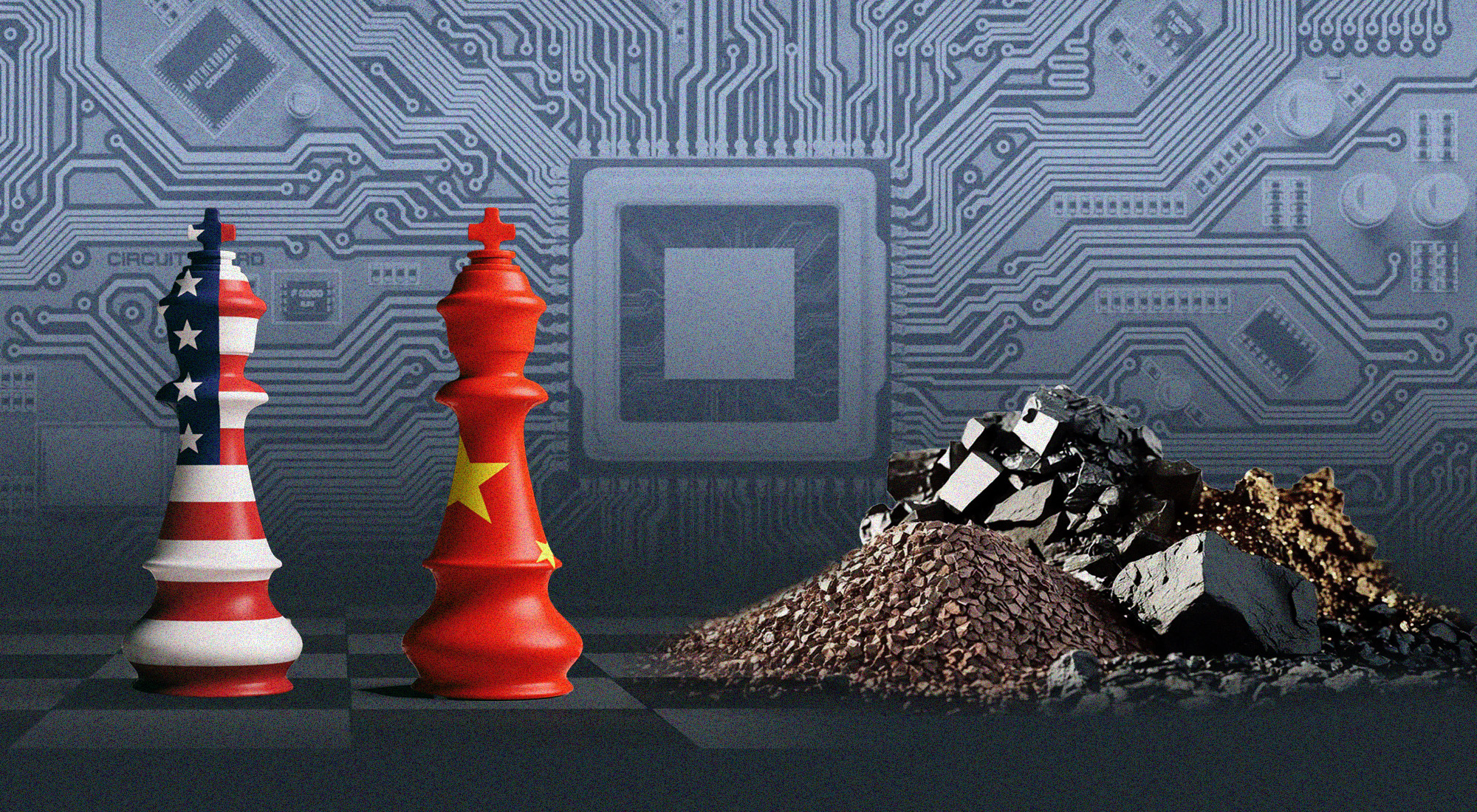
China’s new rare-earth export controls have turned its dominance in the sector into a powerful strategic tool, extending restrictions to technology, equipment, and expertise that tighten global dependence. The move has intensified tensions with the United States and its allies, highlighting how control over critical minerals now defines the balance of economic and geopolitical power.
Sebastian Contin Trillo-Figueroa, Geopolitics Analyst in EU-Asia Relations and AsiaGlobal Fellow, The University of Hong Kong
Jul 04, 2025
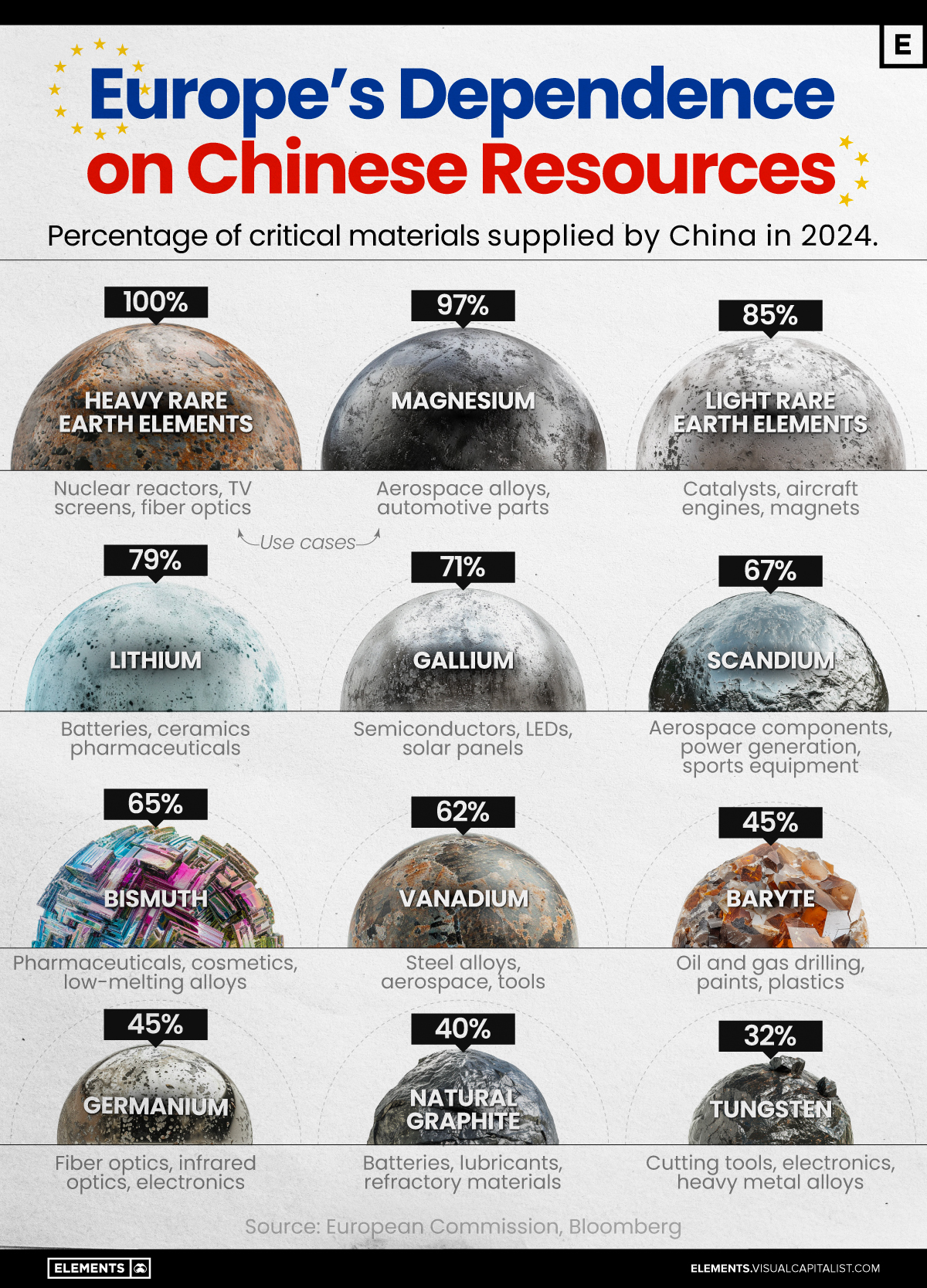
European Union leaders’ proclamations of supply autonomy sound great under the spotlight, but don’t hold up under the microscope. The truth may be that China already has won the game with its vice-grip on rare metal exports.
Fu Suixin, Assistant Researcher at Institute of American Studies, Chinese Academy of Social Sciences
Jun 12, 2025
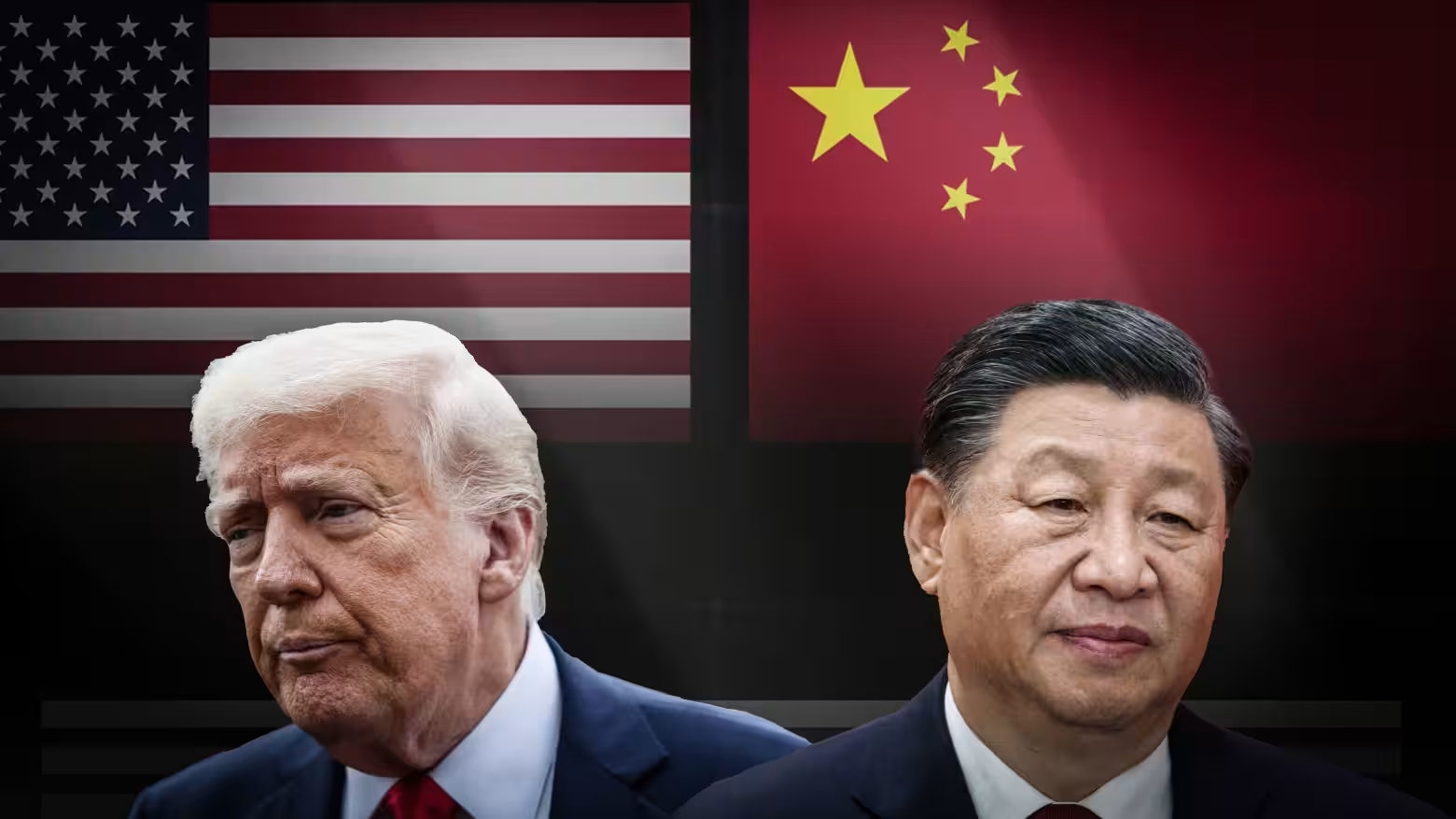
Given the fact that most disruptions in the bilateral relationship originate in Washington, it is essential that the Trump administration apply the consensus reached during the call to its future actions.
Christopher A. McNally, Professor of Political Economy, Chaminade University
May 23, 2025
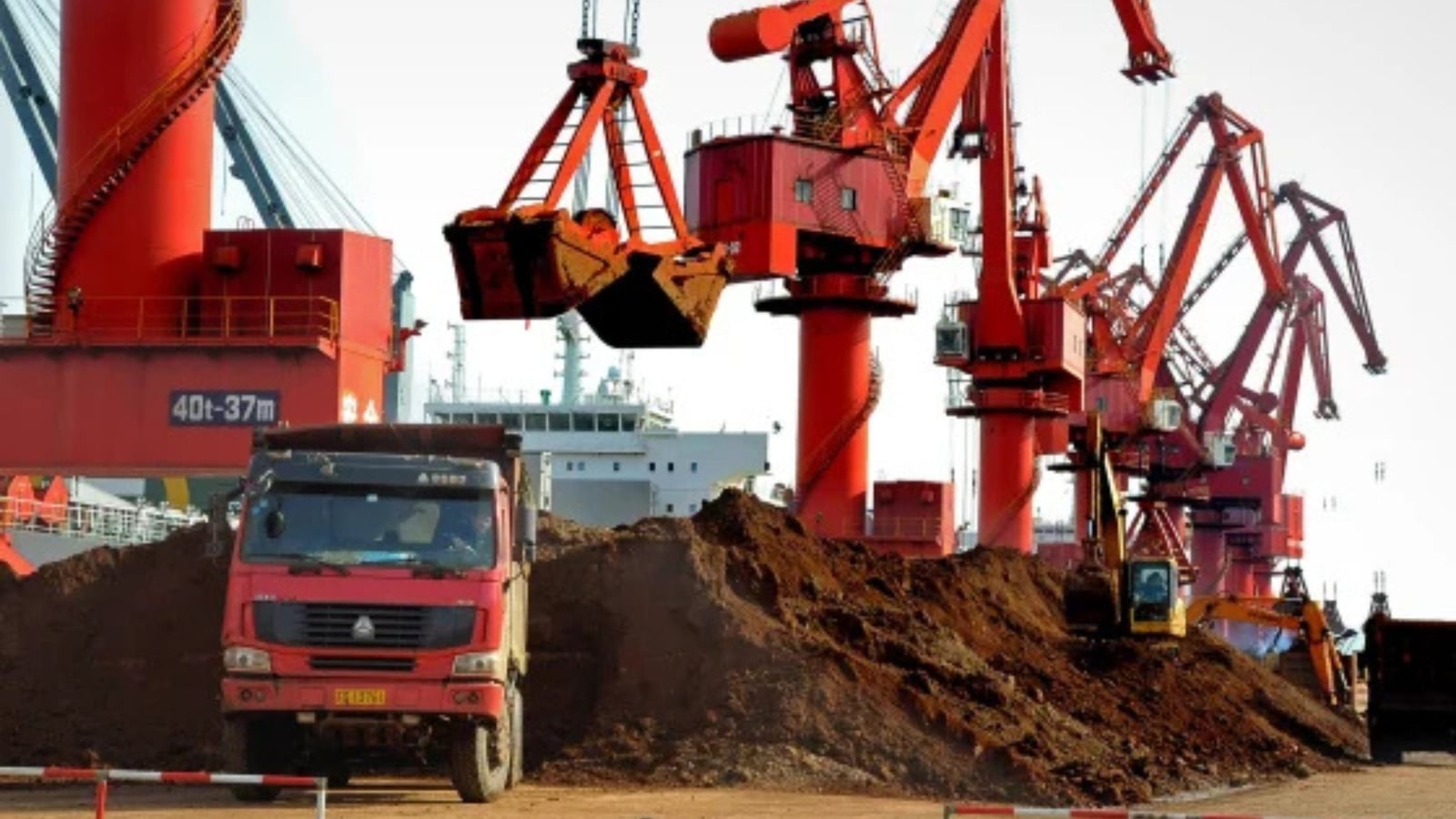
China’s new export licensing system strengthens its control over key rare earth elements, deepening supply chain risks. Although new processing facilities are emerging abroad, they won’t soon offset China’s dominance, prolonging global uncertainty.
Back to Top

- China-US Focus builds trust and understanding between the U.S. and China through open dialogue among thought leaders.