Yu Xiang, Senior Fellow, China Construction Bank Research Institute
Sep 24, 2026
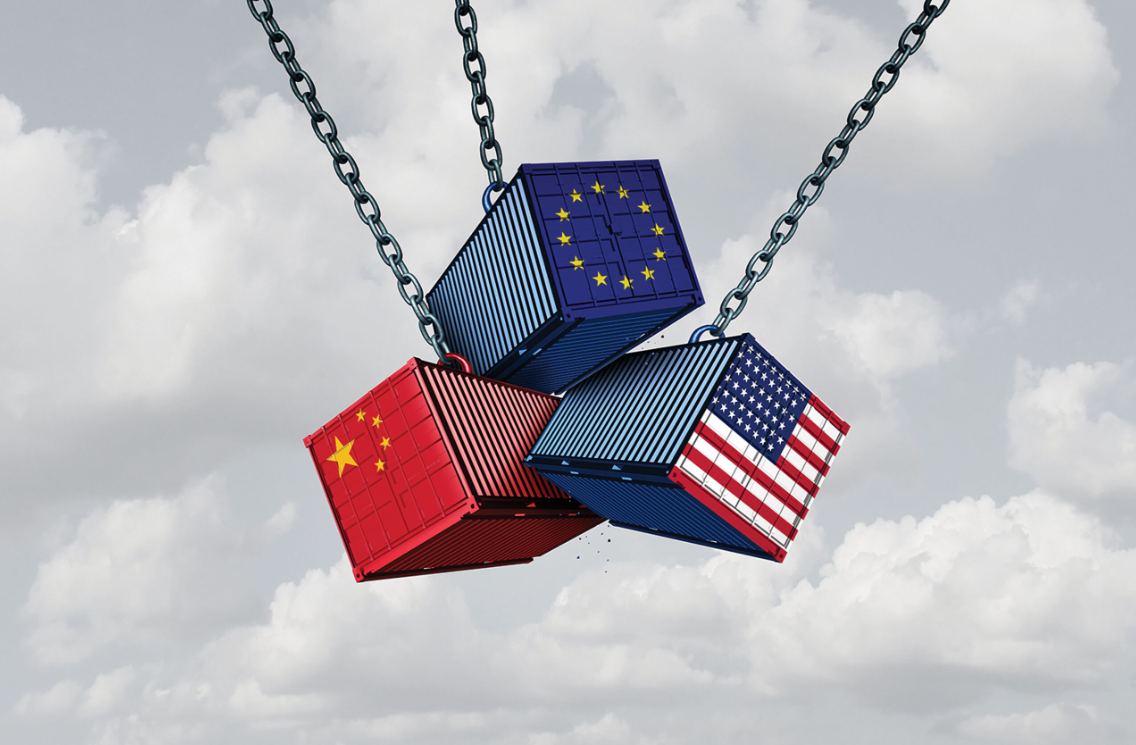
The three-pillar structure—China, the United States and Europe—will remain in place, but the forces sustaining it will shift from shared growth and open cooperation toward mutual constraint and a shared aversion to systemic risks.
Yu Xiang, Senior Fellow, China Construction Bank Research Institute
Jul 06, 2026
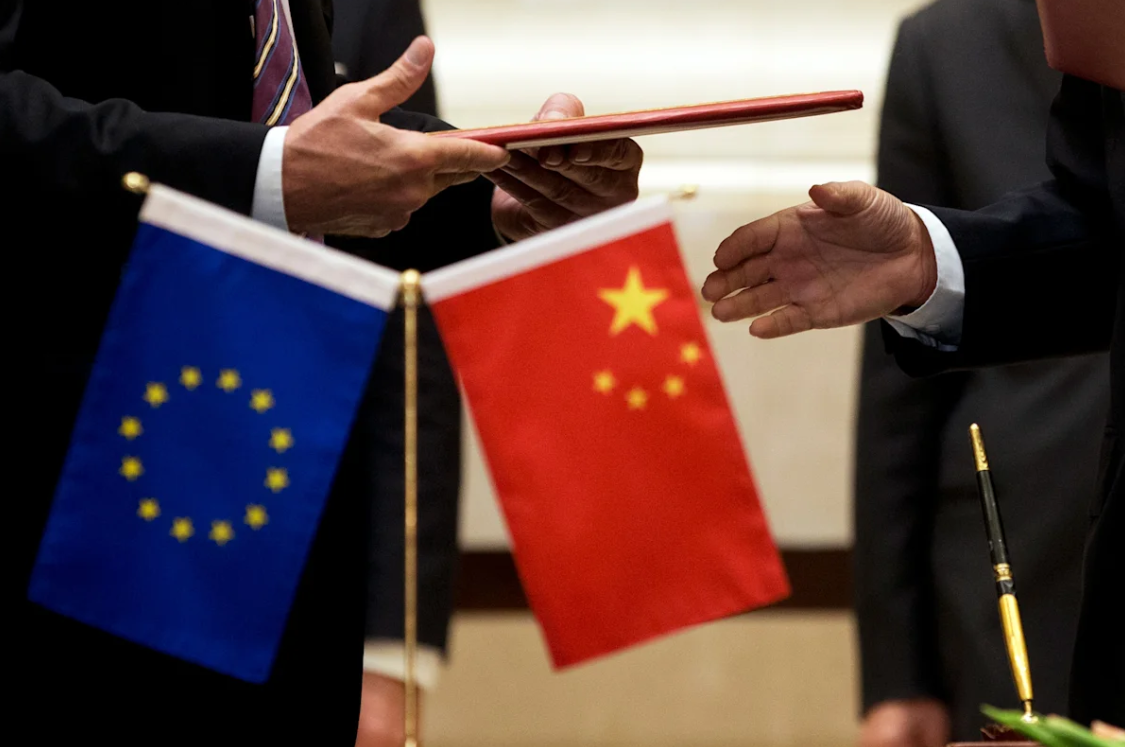
Future China-EU economic relations are likely to be defined by cooperation amid ongoing competition. Europe will need to choose when to emphasize industrial competitiveness and when to protect open markets. China should respond more proactively to European concerns over industrial development, employment and economic security.

Sebastian Contin Trillo-Figueroa, Geopolitics Analyst in EU-Asia Relations and AsiaGlobal Fellow, The University of Hong Kong
Jun 26, 2026
Europe is increasingly applying the same economic-security standards to U.S. firms that it once reserved for China, reflecting growing concerns over strategic dependence and American jurisdiction. However, while the EU has strengthened its ability to block foreign acquisitions, it still lacks the industrial capacity to replace them with competitive European alternatives.
Sun Chenghao, Fellow, Center for International Security and Strategy of Tsinghua University; Munich Young Leader 2025
Jun 12, 2026
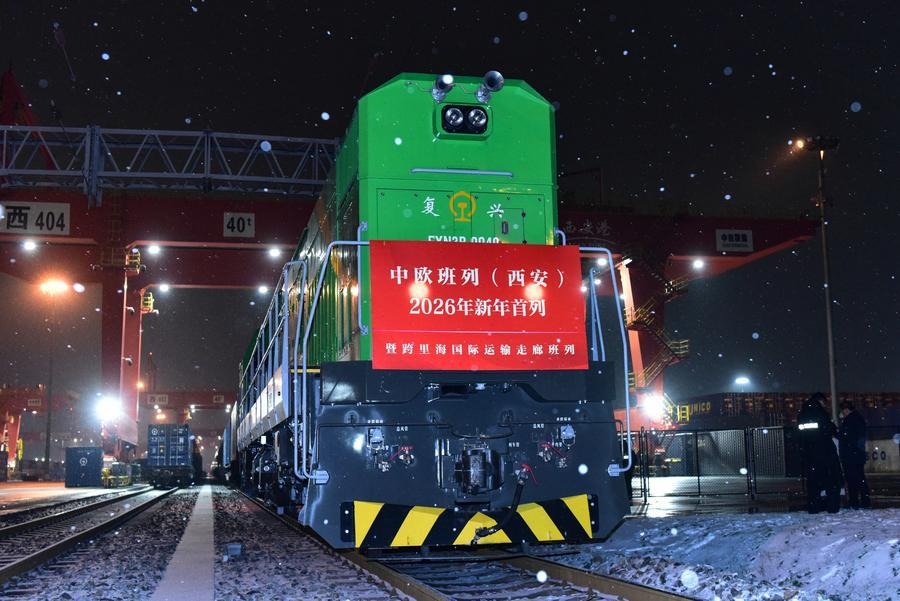
A window of opportunity is open to prevent slipping into a pattern of entrenched strategic competition — which is why the question matters now. Relations between China and Europe are moving from an era of sectoral competition to an era in which competition embraces the entire economic ecosystem.
Eka Khorbaladze, Research Associate, Ng Teng Fong · Sino Group Belt and Road Research Institute
May 15, 2026
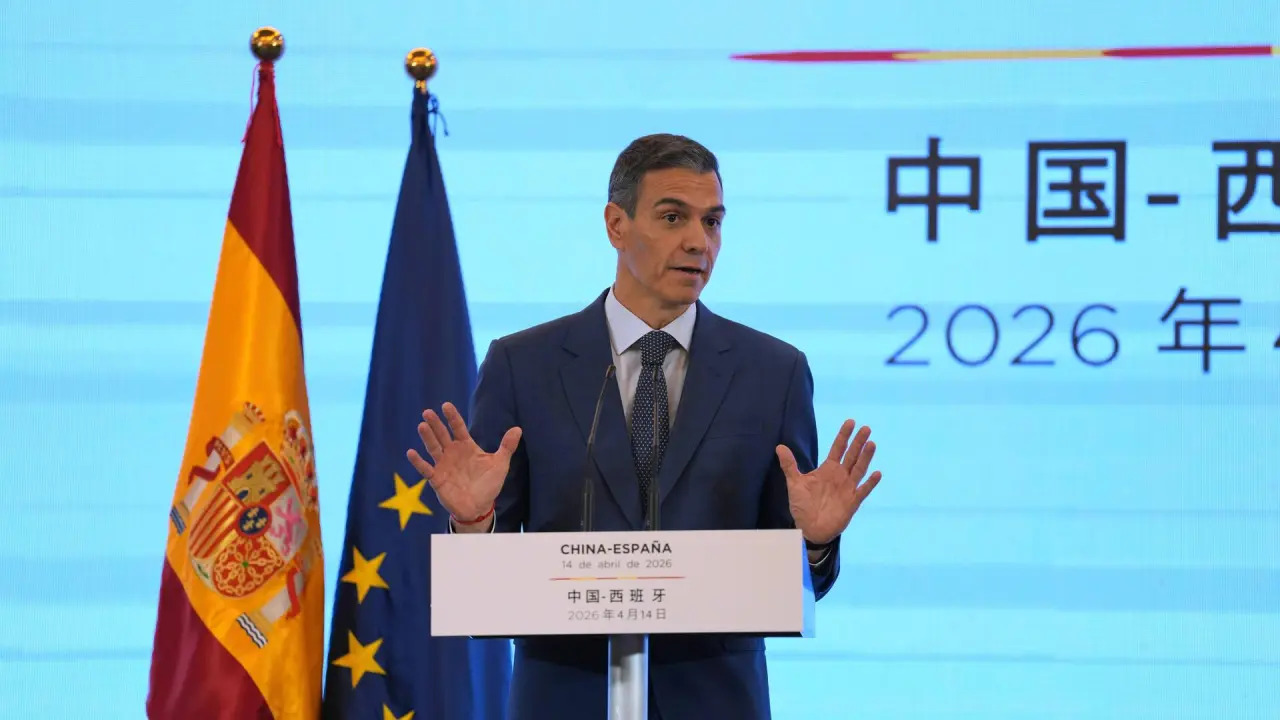
China is methodically strengthening its global position through diplomacy with Europe, soft-power engagement toward Taiwan, and long-term economic and energy preparation in the Middle East while presenting itself as a stabilizing force amid global instability. Recent crises, from Taiwan tensions to the Hormuz disruption, reflect a broader shift toward a more multipolar world in which Beijing benefits from strategic patience and the gradual erosion of unquestioned U.S. influence.
Zhou Xiaoming, Former Deputy Permanent Representative of China’s Mission to the UN Office in Geneva
May 04, 2026
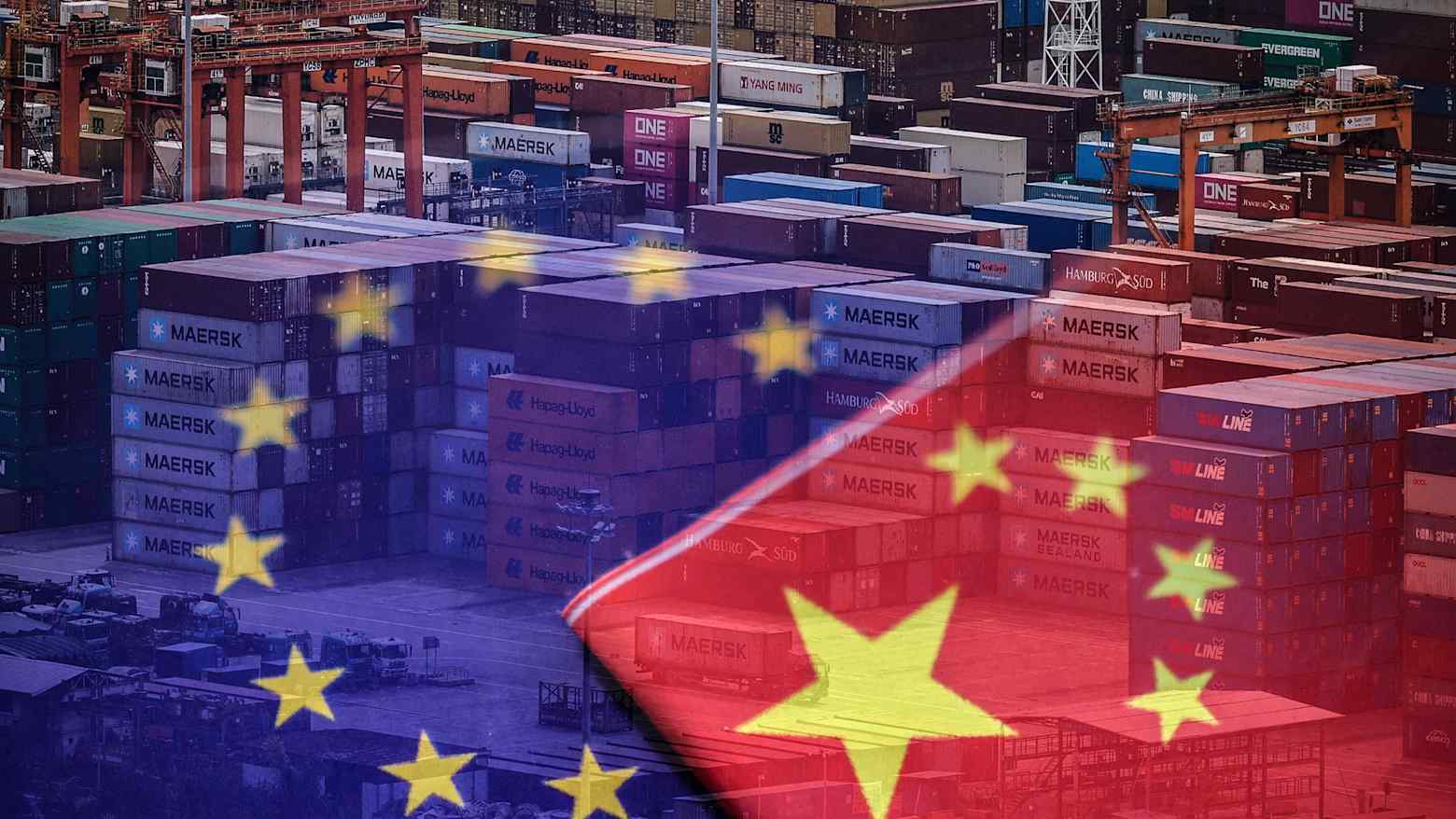
The European Union’s China policy is trapped in a glaring contradiction. Officially, Brussels frames China as a “partner, competitor and systemic rival.” In practice, however, the rivalry narrative has overridden all other dimensions and eroding the foundation of cooperation.

Tian Dewen, Senior Fellow, Institute of Global Governance and Development, Renmin University of China
Mar 06, 2026
Germany’s renewed engagement with China reflects deep shifts in the international system. As alliance cohesion weakens and multipolar trends advances, Berlin is exploring interest-based cooperation beyond traditional Western frameworks, signaling a broader transition from ideology-driven alliances toward pragmatic international partnerships.

Elyssa Koepp, Tunisian-German-American specialist, Research Assistant at Center for Constitutional Studies and Democratic Development
Jan 23, 2026
In late 2025, protests in Gabès over pollution from the phosphate industry led Tunisia to seek Chinese help to reduce environmental harm. The move also reflects President Saied’s broader shift away from Europe toward China in economic and diplomatic policy.
Warwick Powell, Adjunct Professor at Queensland University of Technology
Jan 21, 2026
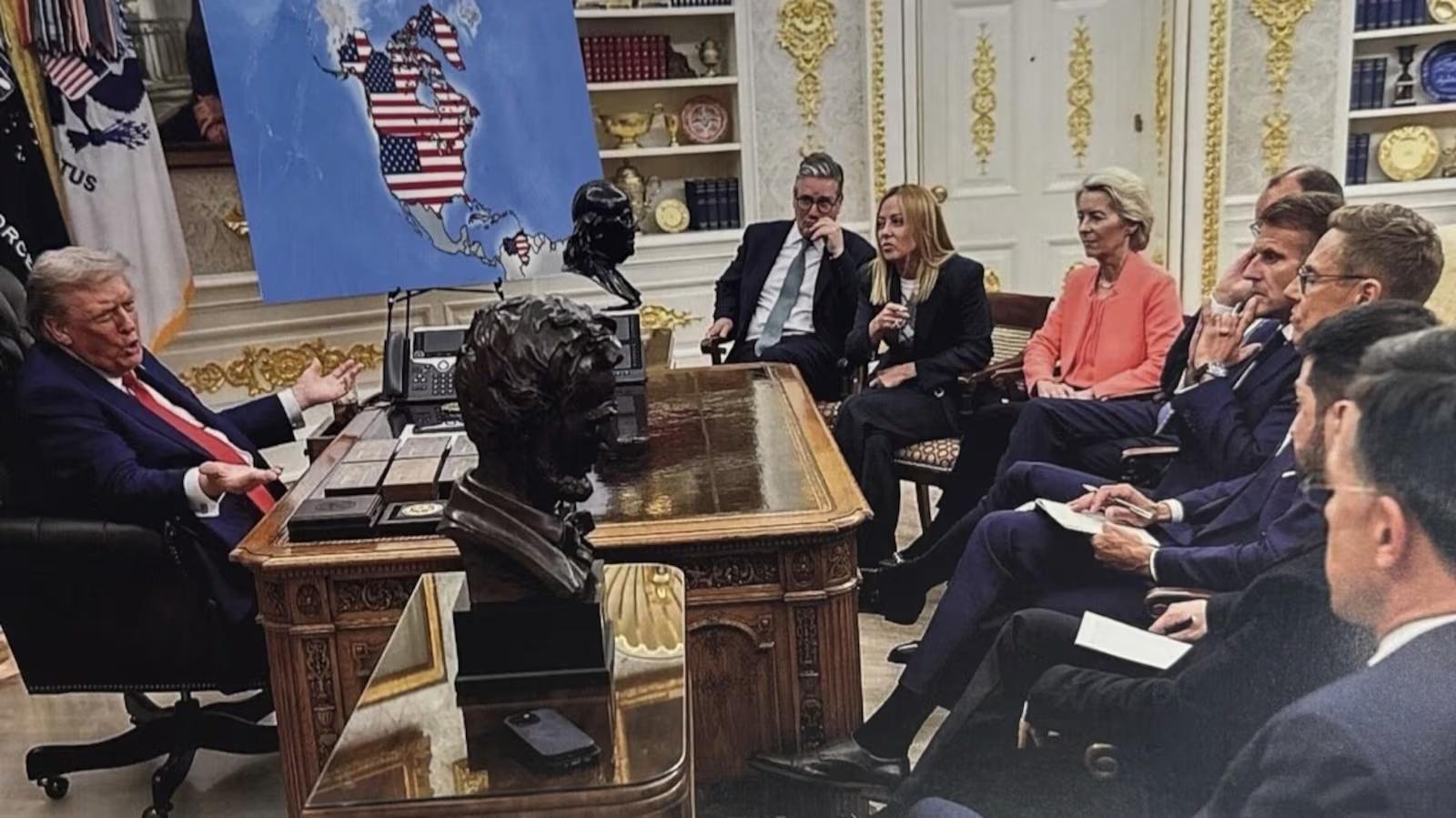
(Social media @realDonaldTrump)In May 2024, I penned an article that framed Europe’s existential dilemma starkly: either fade into obscurity as the "conti
Richard Javad Heydarian, Professorial Chairholder in Geopolitics, Polytechnic University of the Philippines
Jan 09, 2026
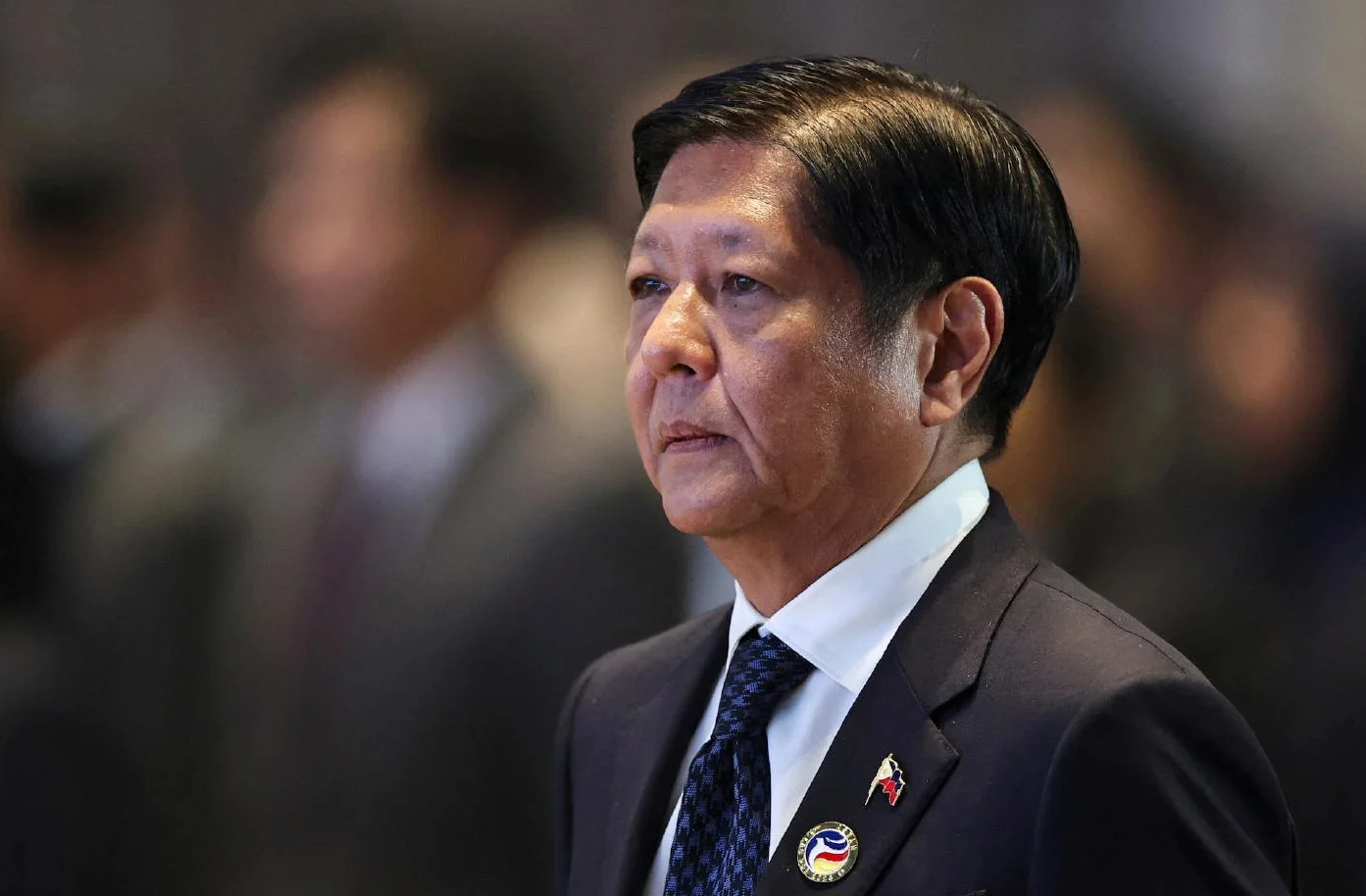
As the Philippines assume the ASEAN chairmanship in 2026, President Ferdinand Marcos Jr. is seeking to de-escalate tensions with China while deepening defense cooperation with the United States and other partners amid rising frictions in the South China Sea. The strategy reflects Manila’s effort to bolster deterrence without undermining ASEAN consensus or provoking broader regional instability.
Back to Top

- China-US Focus builds trust and understanding between the U.S. and China through open dialogue among thought leaders.