Dan Steinbock, Founder, Difference Group
May 15, 2026
The U.S./Iran-linked energy crisis has shifted from a commodity shock to structural geopolitics, with Asia at the epicenter due to its dependence on imported oil and LNG. Global reverberations can no longer be avoided.
Jade Wong, Senior Fellow, Gordon & Leon Institute
May 14, 2026
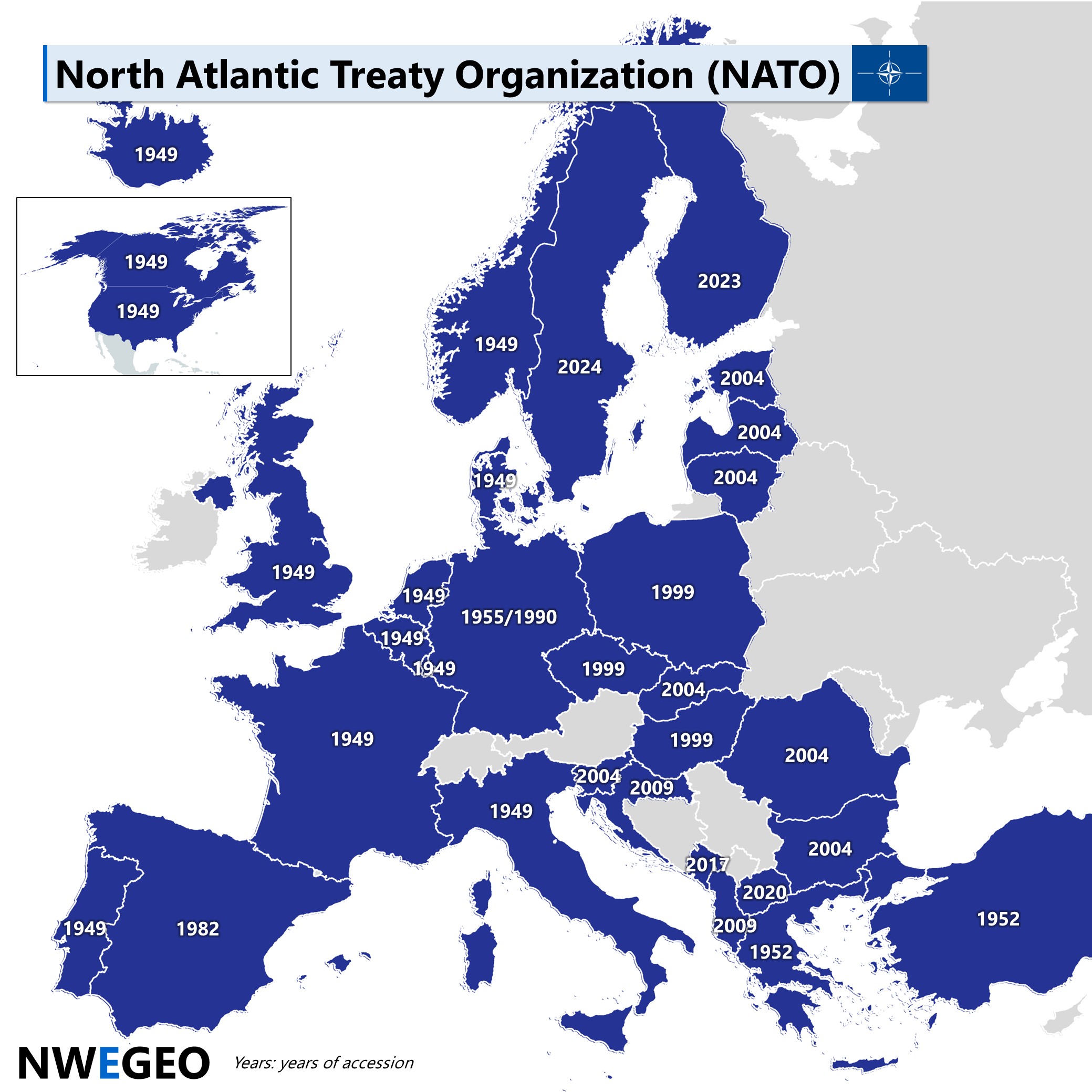
The question “Where is NATO heading?” has long been debated in academic circles. Under pressure from Donald Trump, the answer is gradually emerging: NATO’s trajectory mirrors that of many international institutions today, which are not collapsing abruptly but transforming themselves.
Xiao Bin, Deputy Secretary-general, Center for Shanghai Cooperation Organization Studies, Chinese Association of Social Sciences
May 14, 2026
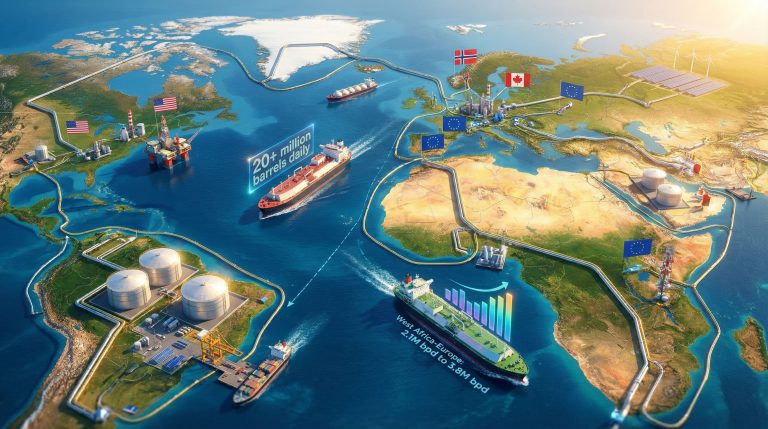
The Iran and Ukraine wars have shifted major-power competition from military confrontation to control over global energy routes, critical infrastructure, and supply chains.
Shou Huisheng, Director, Center for Turkey Studies at Beijing Language and Culture University
May 08, 2026
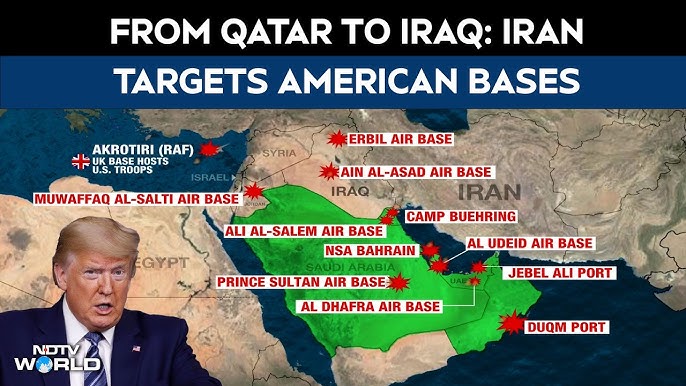
Iraq once again stands at a dangerous crossroads. Trapped in a fragmented power‑sharing system and caught between security dependence on the United States and economic subordination to Iran, the finding a path to national reconstruction.
Zhao Minghao, Professor, Institute of International Studies at Fudan University, and China Forum Expert
May 08, 2026
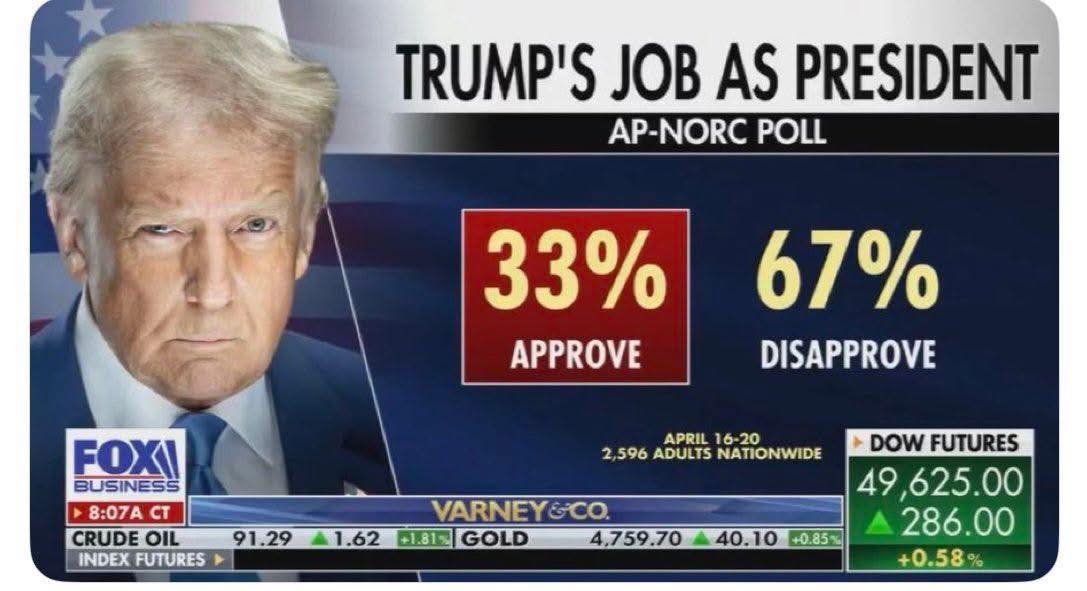
Donald Trump’s approval rating has dropped to 34 percent among the American people, the lowest level of his second term. Given the U.S. war against Iran, the growing internal divisions within his administration and the rising inflationary pressure at home, Trump now has juggle a lot at once.
Han Liqun, Researcher, China Institutes of Contemporary International Relations
May 08, 2026
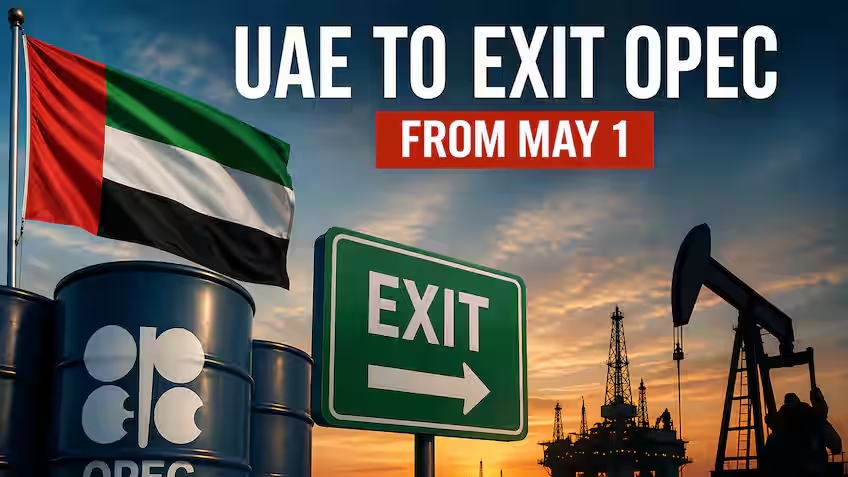
The announcement by the United Arab Emirates that it would withdraw from OPEC has drawn intense international attention. Should conditions in the Strait of Hormuz improve, the UAE would be well positioned to rapidly expand its share of the global oil market.
Christopher A. McNally, Professor of Political Economy, Chaminade University
May 08, 2026
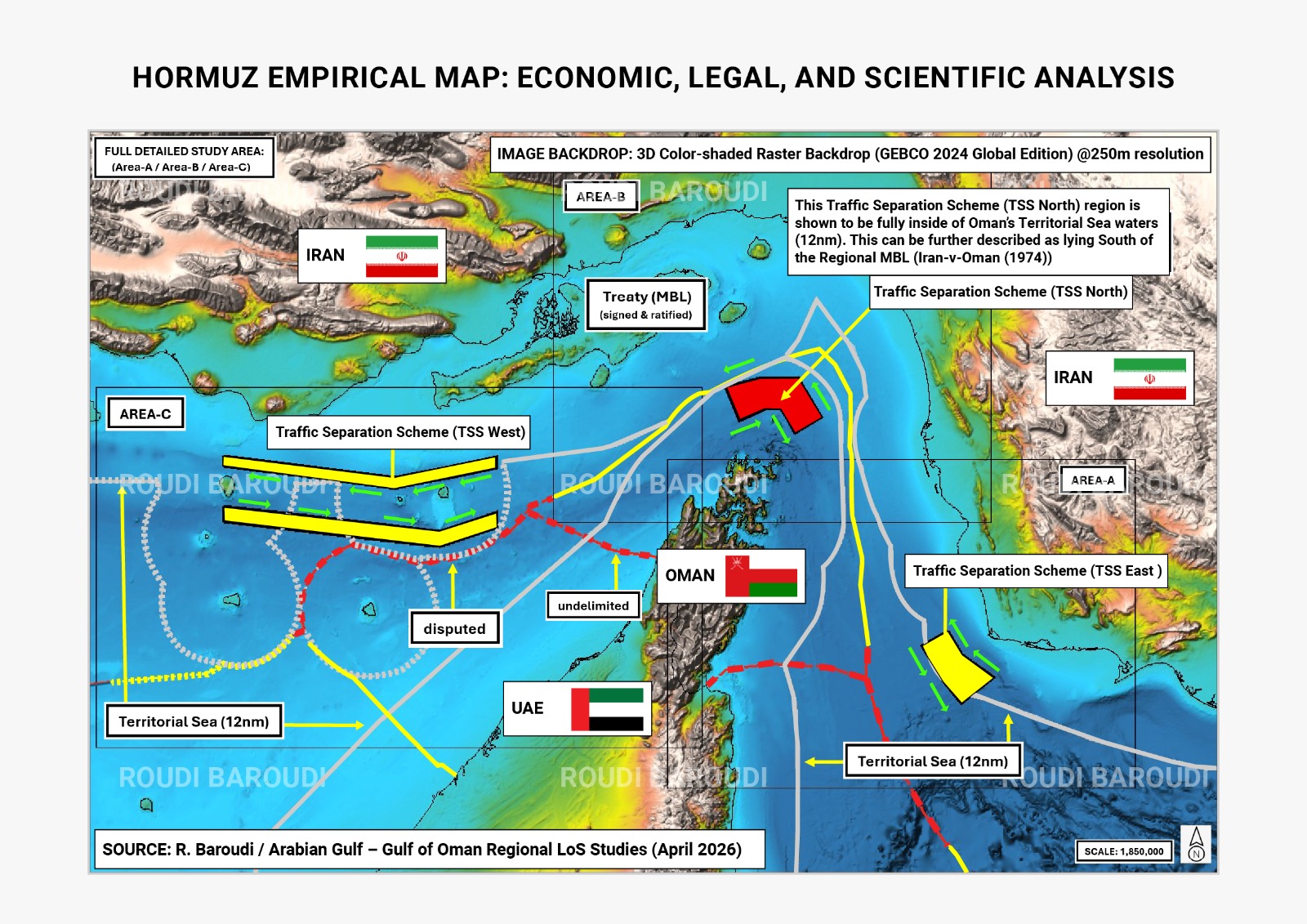
The Strait of Hormuz crisis is driving a new era of geoeconomics shaped by national security, trade disruption, and coercive power. The resulting energy shock is accelerating the global shift toward green energy and increasing China’s influence in the emerging economic order.
Philip Cunningham, Independent Scholar
May 04, 2026
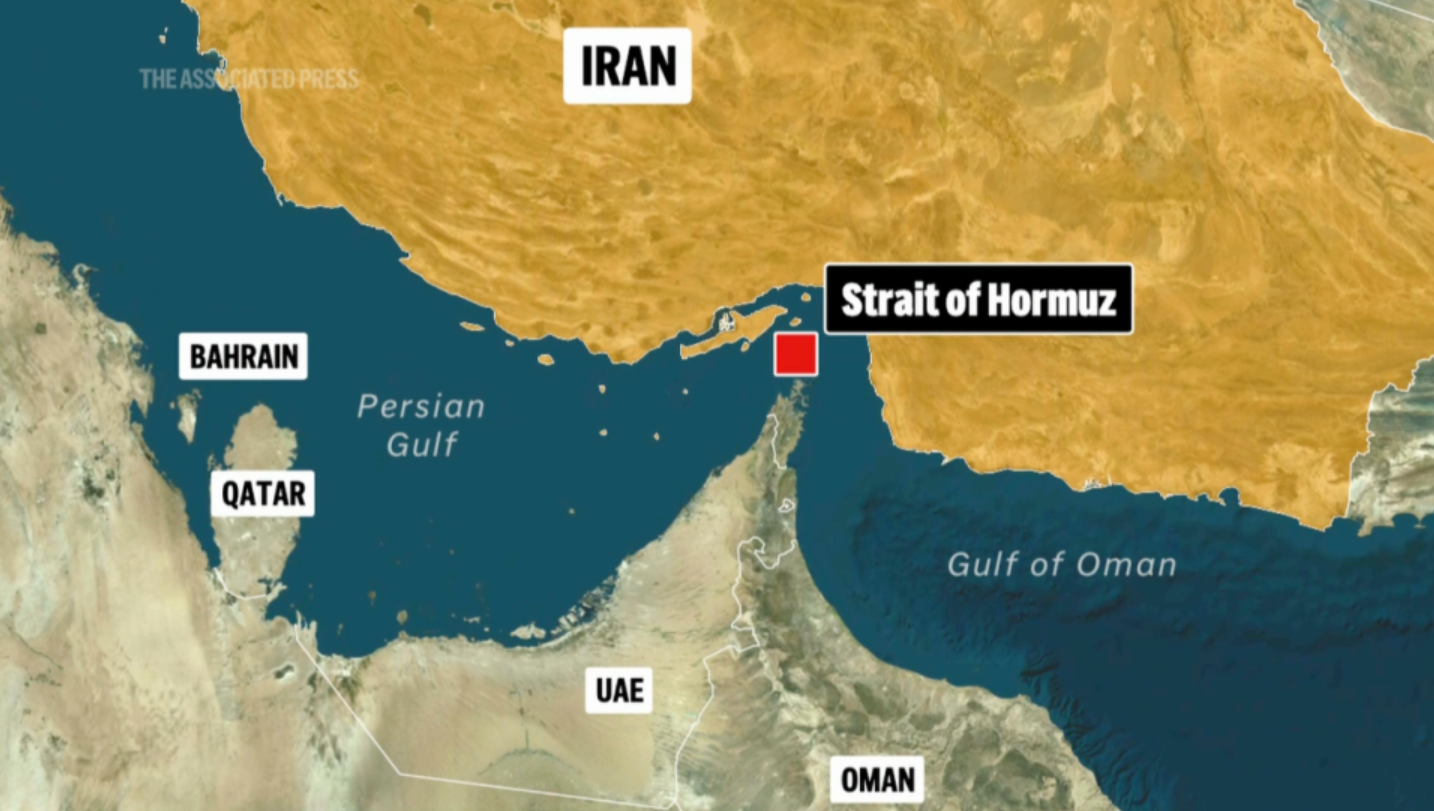
The Trump administration’s war against Iran is portrayed as a reckless and ill-timed failure that caused massive humanitarian damage, destabilized the region, and disrupted global trade while failing to achieve regime change. China is depicted as a cautious but increasingly credible actor calling for stability and open trade, highlighting shifting global dynamics as the conflict leaves a volatile crisis marked by a fragile ceasefire, blocked oil flows through the Strait of Hormuz, and a high risk of renewed conflict.
Wang Youming, Senior Research Fellow of BRICS Economic Think Tank, Tsinghua University
Apr 27, 2026
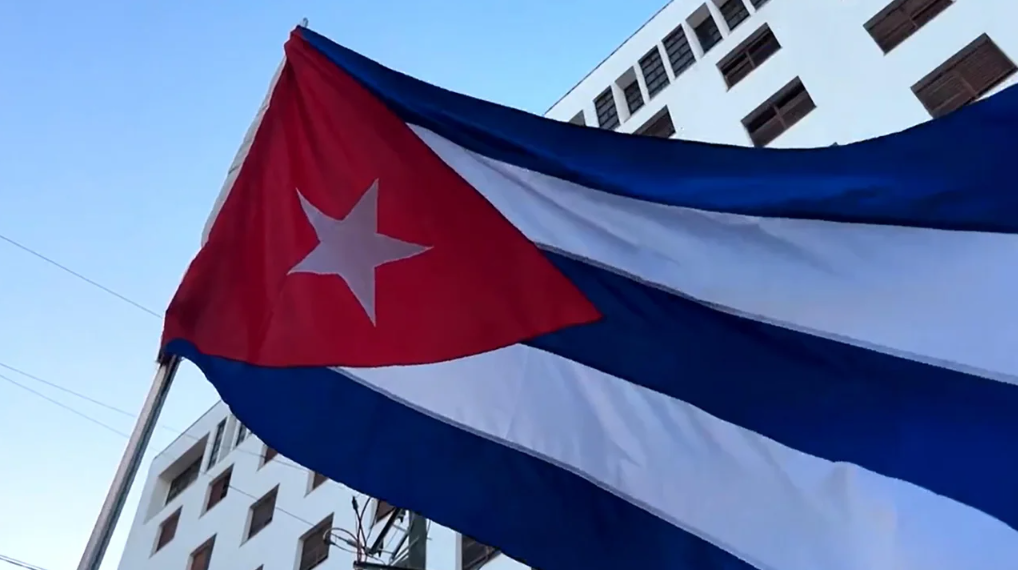
Donald Trump’s fixation on Cuba is driven by a combination of strategic and political considerations: a “Western Hemisphere first” approach, tactics to advance the Trump Doctrine and the practical aim of replicating the Venezuelan model to bolster the U.S. president’s midterm election prospects.
Back to Top

- China-US Focus builds trust and understanding between the U.S. and China through open dialogue among thought leaders.