Xiao Bin, Deputy Secretary-general, Center for Shanghai Cooperation Organization Studies, Chinese Association of Social Sciences
Sep 04, 2026
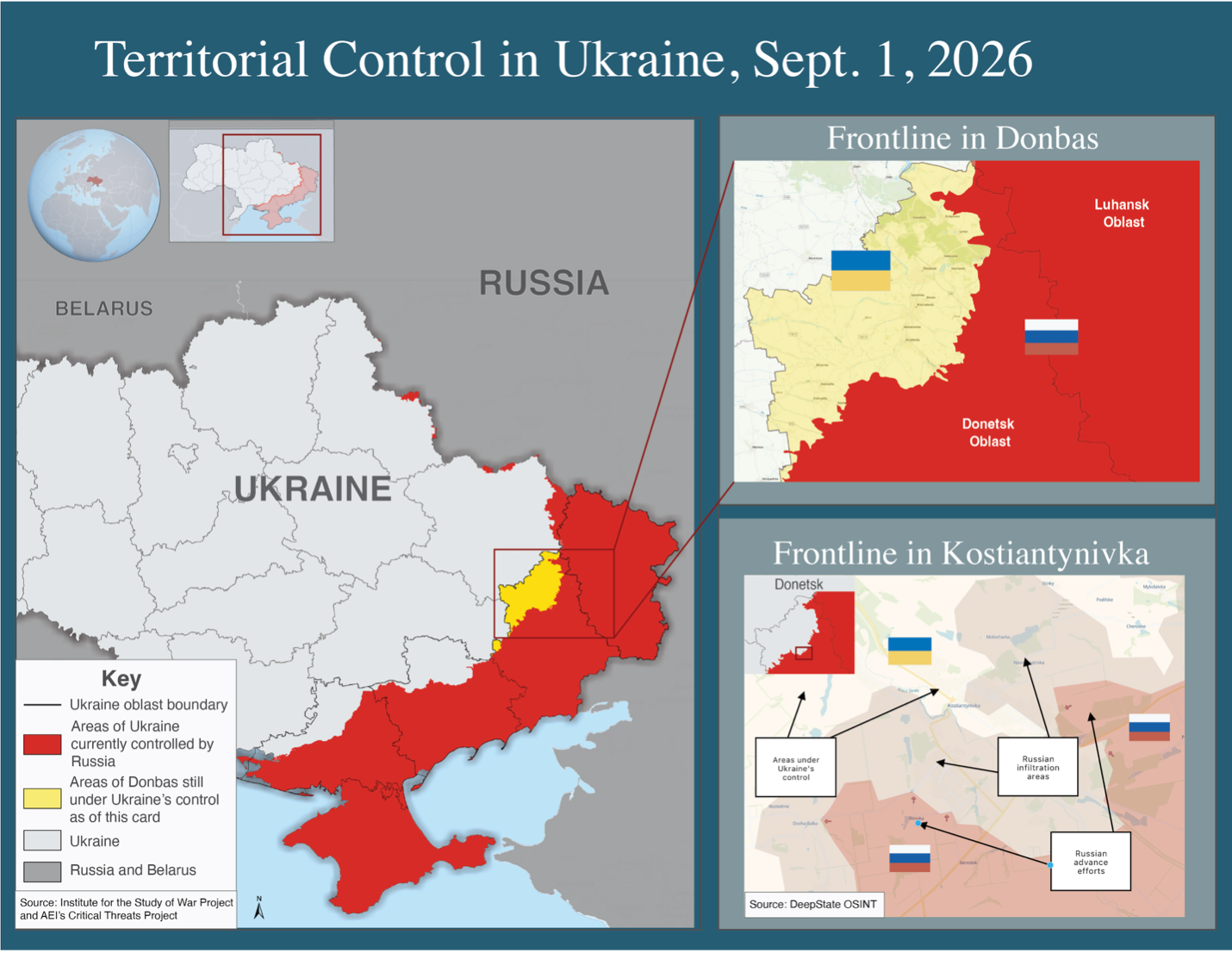
Over the past year, the war between Russia and Ukraine has evolved, extending into economic and social spheres and prompting a shift in the brokering of peace. This, in turn, has allowed strategic pressure to spill across theaters.
Xiao Bin, Deputy Secretary-general, Center for Shanghai Cooperation Organization Studies, Chinese Association of Social Sciences
May 19, 2026
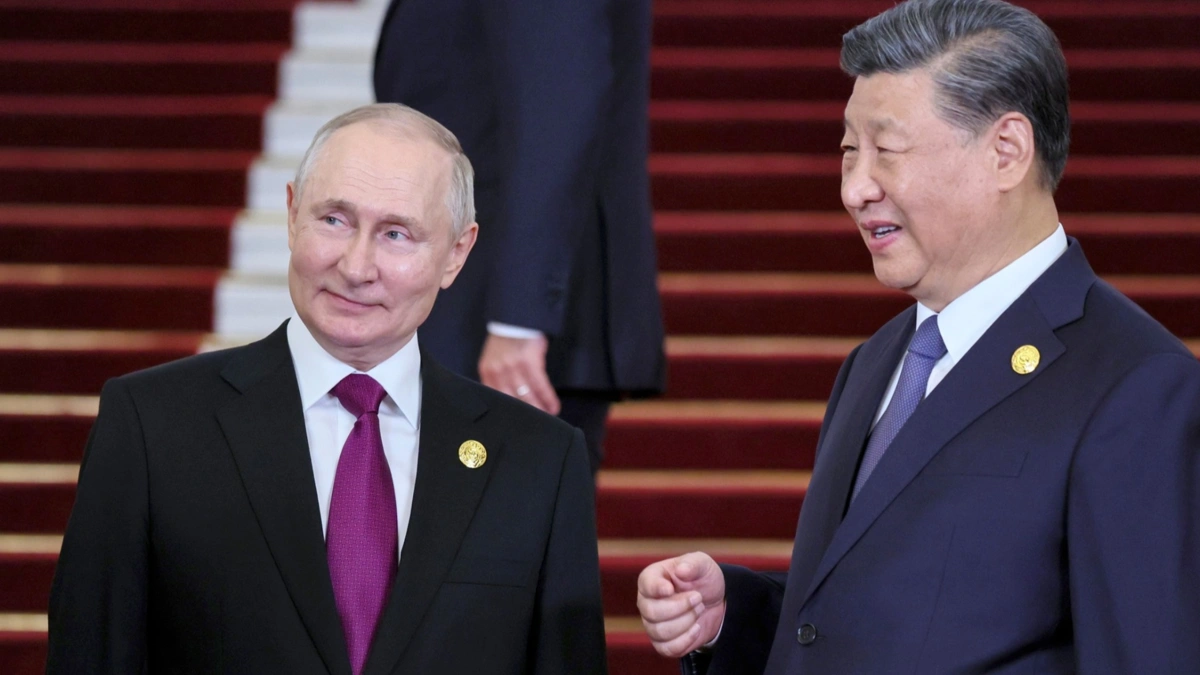
The recent visit by U.S. President Donald Trump and by Russian President Vladimir Putin can be seen as a limited buffer in current major-power dynamics.
Xiao Bin, Deputy Secretary-general, Center for Shanghai Cooperation Organization Studies, Chinese Association of Social Sciences
Mar 06, 2026
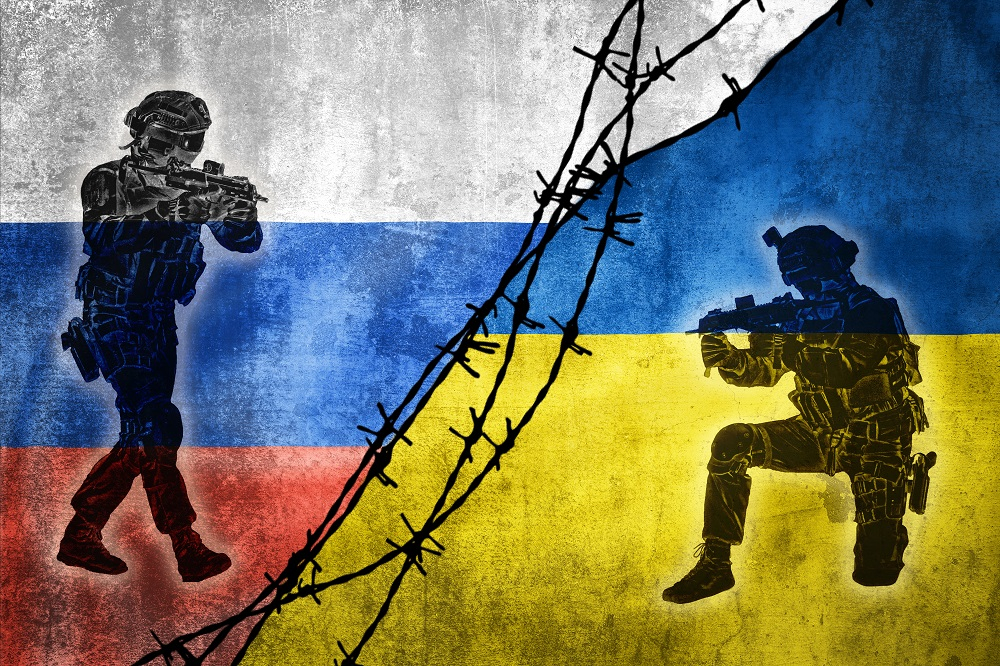
Whether assessing the prospects of the war in Ukraine or predicting the trajectory of relations between the United States and Russia, U.S. policy discussions have generally revealed a cautious, realistic tone: The war is unlikely to end quickly, and the rupture in the international order is widening.
Jade Wong, Senior Fellow, Gordon & Leon Institute
Jan 30, 2026
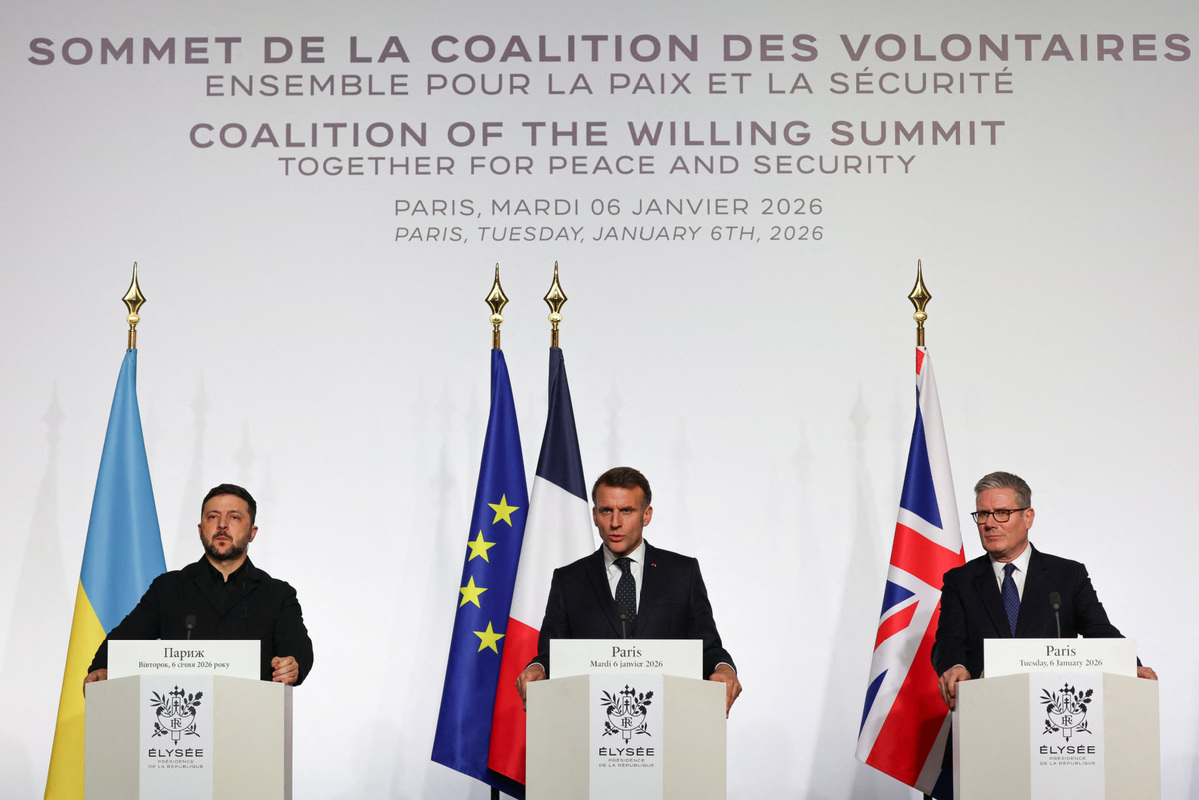
Europe has again gained an advantage in its sustained competition with Russia to influence the United States. While Washington is likely to continue pursuing a calibrated re-engagement with Russia and to further reduce its direct role in European security, the scope for abrupt and highly oscillatory shifts in U.S. policy on Ukraine appears to have narrowed.
Sun Chenghao, Fellow, Center for International Security and Strategy of Tsinghua University; Munich Young Leader 2025
Dec 08, 2025
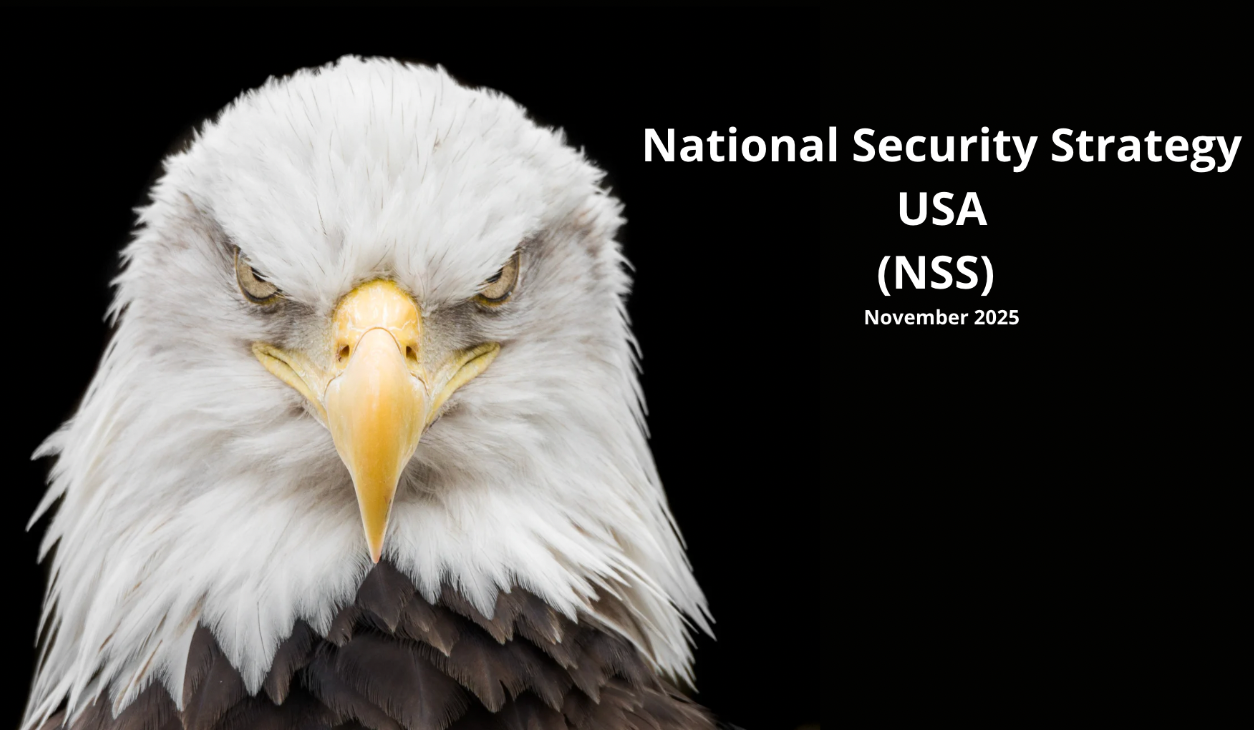
Reframing Europe as an example of civilizational erosion reinforces crisis narratives among conservatives in the United States while mirroring problems that exist within Europe itself. In effect, Washington is using Europe’s crisis to tell a story about America.
Xiao Bin, Deputy Secretary-general, Center for Shanghai Cooperation Organization Studies, Chinese Association of Social Sciences
Oct 28, 2025
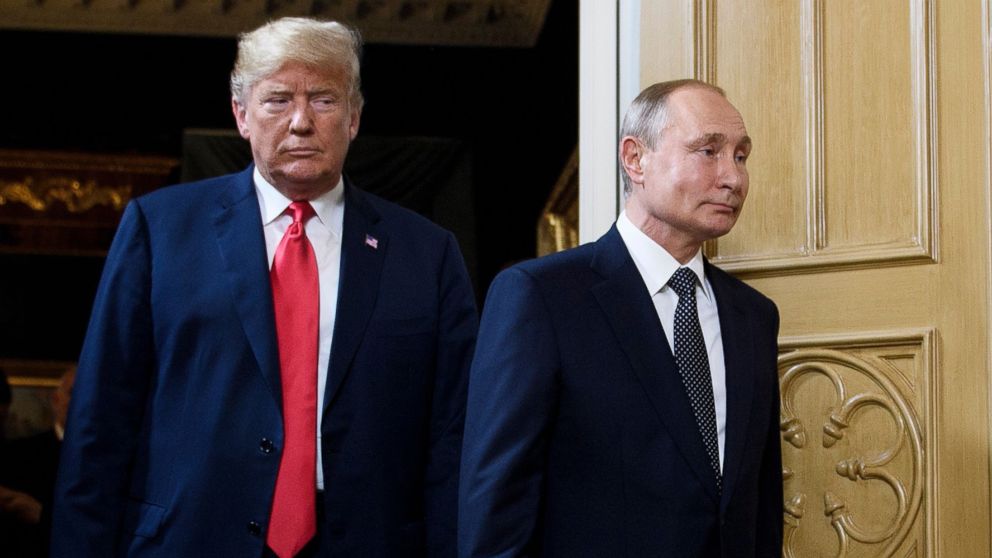
The meeting was agreed upon to promote a cease-fire in the Ukraine conflict. But it was called off, underscoring the fragility of peace initiatives and suggesting that the war is likely to continue for a long time.
An Gang, Adjunct Fellow, Center for International Security and Strategy, Tsinghua University
Sep 30, 2025
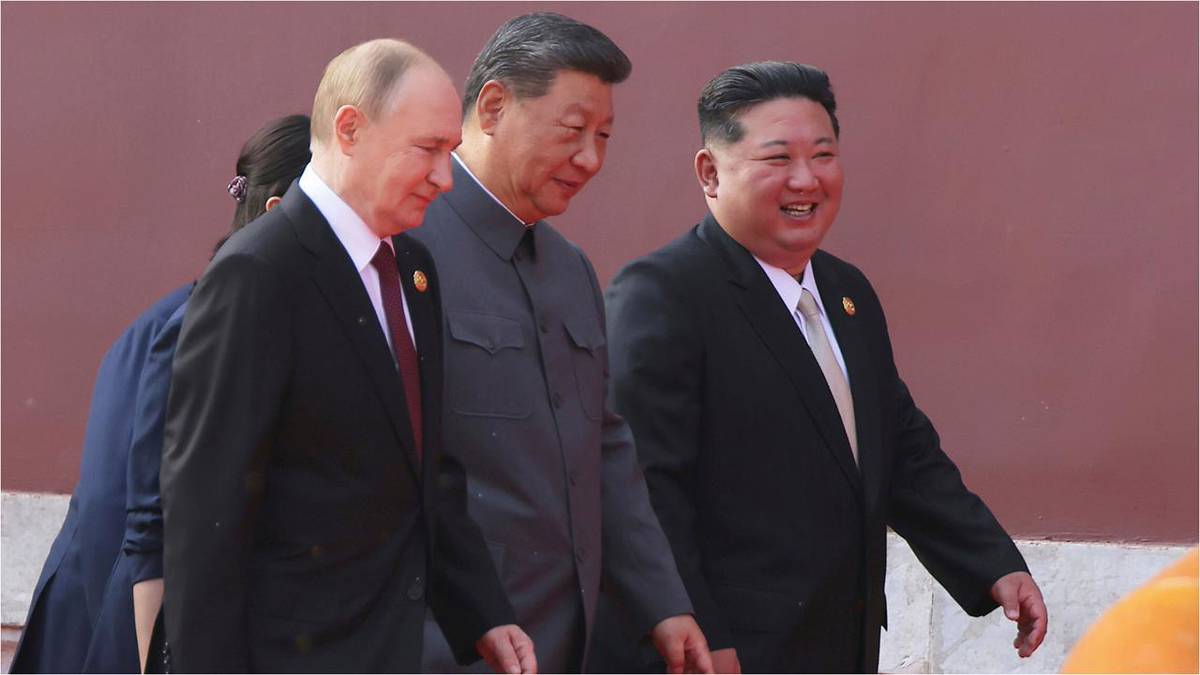
The military parade in Beijing on Sept. 3 and the SCO summit in Tianjin elicited a profound psychological response in the United States and other Western countries. Debates over China’s strategic ascent and the prospect of a continental alignment have intensified.
Leonardo Dinic, Expert in Geopolitics and International Business, the Future of Work, and Emerging Technologies
Sep 25, 2025
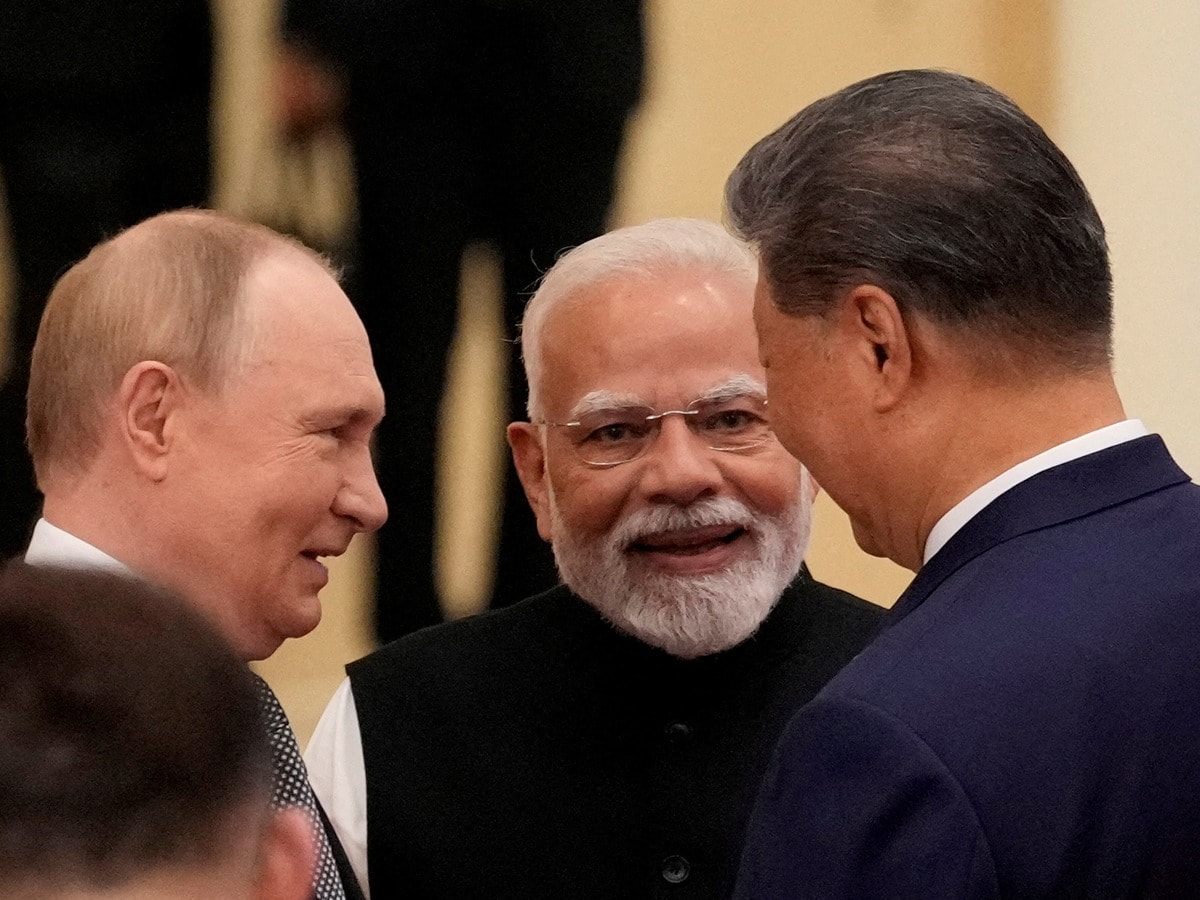
China and India are cautiously rebuilding ties after years of mistrust, with renewed border talks, restored flights, and revived trade, a shift accelerated by Trump’s steep tariffs on Indian goods. Instead of isolating Moscow’s partners, Washington’s selective approach appears to be driving the two Asian rivals closer together.
Xiao Bin, Deputy Secretary-general, Center for Shanghai Cooperation Organization Studies, Chinese Association of Social Sciences
Sep 25, 2025
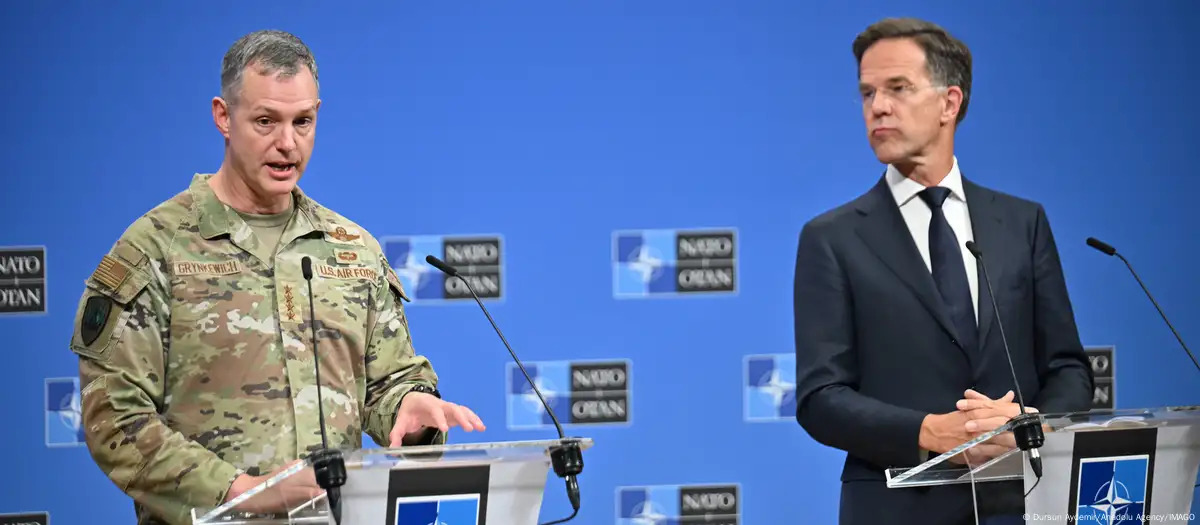
NATO’s Sentinel East system puts technological and strategic prowess on display and is a landmark event in the U.S.-Russia military rivalry in Europe. It represents a new inflection point in security that adds to the complexity of the Ukraine crisis.

Zhao Long, Deputy Director and Senior Fellow, Institute for International Strategic and Security Studies, Shanghai Institutes for International Studies (SIIS)
Sep 12, 2025
Only by transcending the “winner-loser” mindset and exploring a binding solution that is fair, enduring and acceptable to all parties can countries finally rebuild a balanced, effective and sustainable European security framework based on the concept of community.
Back to Top

- China-US Focus builds trust and understanding between the U.S. and China through open dialogue among thought leaders.