
Li Cheng
Professor of Political Science and Director of the Centre on Contemporary China and the World, HKU
Aug 30, 2022
The looming possibility of military confrontation over the Taiwan Strait has been making headlines as of late. Chinese leaders consider these scenarios constantly, and their recent efforts to promote military-civil fusion show what they are doing to prepare for a crisis.
Aug 26, 2022
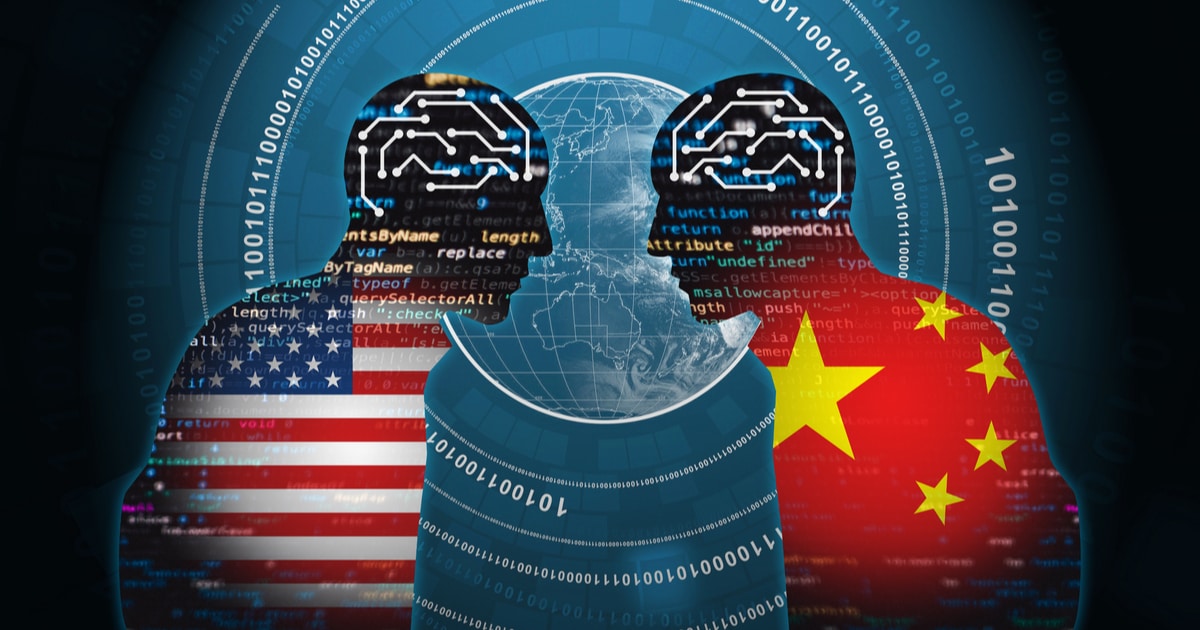
Recent events in the Taiwan Strait have led to an outpouring of international concern regarding potential war between the United States and China. AI technology advancements, which these two superpowers are leaders in research, resources, and patents, would mean that the world has yet to see the most AI-driven conflict in history.
Aug 05, 2022
As China further develops its aviation and space industries, China has become more willing to play hardball on the world stage and take advantage of commercial interests, much to the consternation of the United States.
Jul 18, 2022
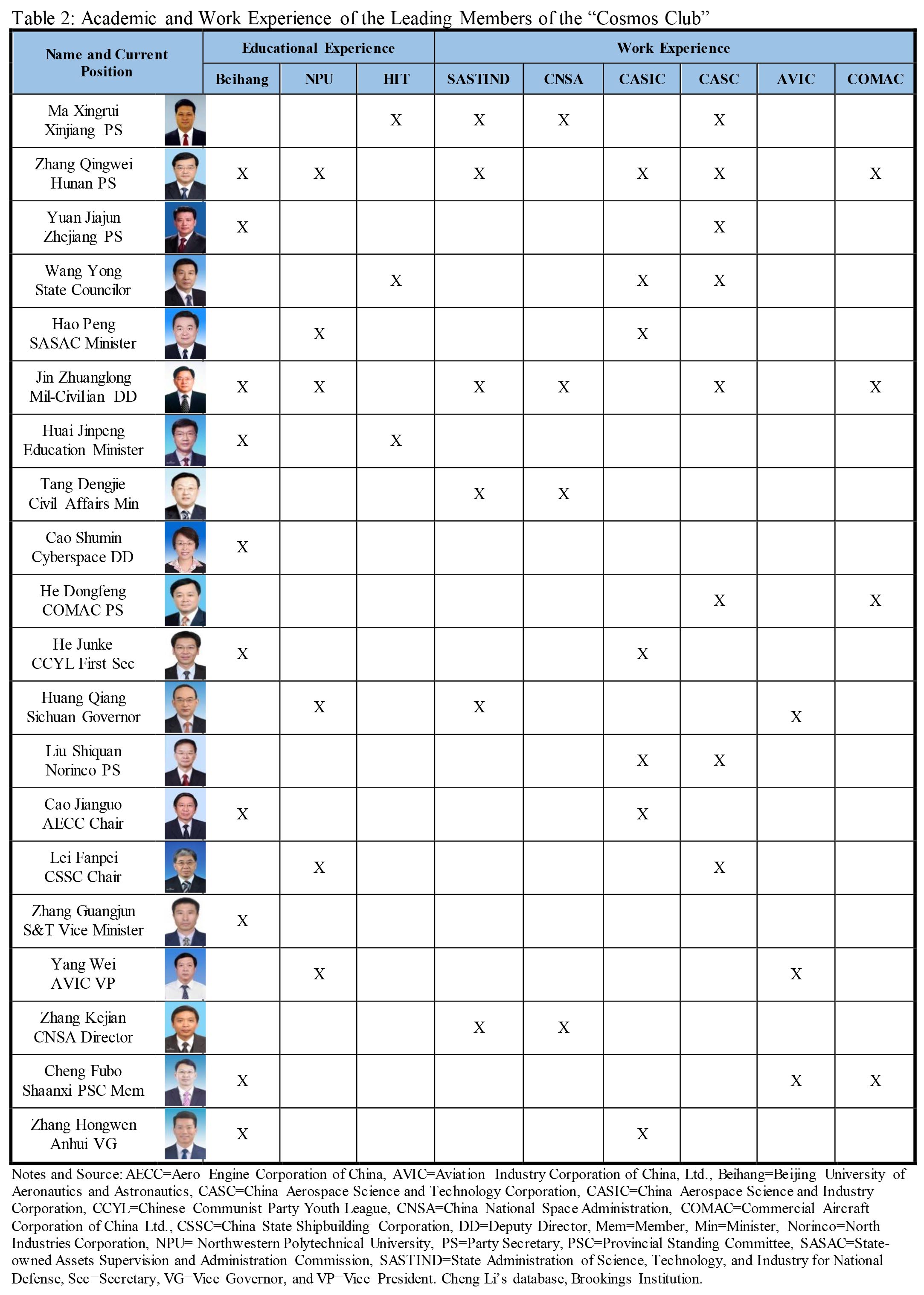
Potential CCP leaders coming from China’s aerospace sector should add a pragmatic perspective to Beijing’s decision-making cadre, but their extensive engagement in technological issues and the military-industrial complex throughout their careers may come at the expense of their focus on other challenges, both at home and aboard.
Jul 15, 2022
The rise of aerospace business executives in Chinese political leadership, coined “the cosmos club,” is unprecedented. And several of these leaders may be strong contenders for the Politburo at the 20th Party Congress this fall.
Jun 14, 2022
Preference towards hometown representatives is nothing new in Chinese politics. A deep dive into the history of power distribution among candidates who share local origins can give us a look at what’s to come in the next Party Congress.
Jun 11, 2022
Racial and ethnic tensions loom larger in the world today than the power or policies to reconcile them. China has a long way to go in that regard. Given the absence or scarcity of public discourse on these challenges domestically and strong criticism from abroad –– especially from the United States and European countries –– of the treatment of Uygurs in Xinjiang, Beijing has been on the defensive as it faces ongoing international scrutiny and sanctions.
Jun 09, 2022
At a time when male dominance in political leadership is being challenged across the globe, both the Chinese public and the international community are likely to take greater notice of the gender imbalance within the Chinese political elite. And while the number of females in provincial and national leadership positions has increased, there is still much work to be done to progress forward.
May 26, 2022
The economic boom and financial risk of present-day China has fostered a new generation of financial technocrats who have ascended the ranks of the national and provincial leadership on the eve of the 20th Party Congress.
May 10, 2022
After diving into the age brackets of China’s CCP leadership, a deeper look at their previous roles and professional experience reveals a shift toward business executives gaining higher positions within the Party’s hierarchy.
