Warwick Powell, Adjunct Professor at Queensland University of Technology
Jun 04, 2026
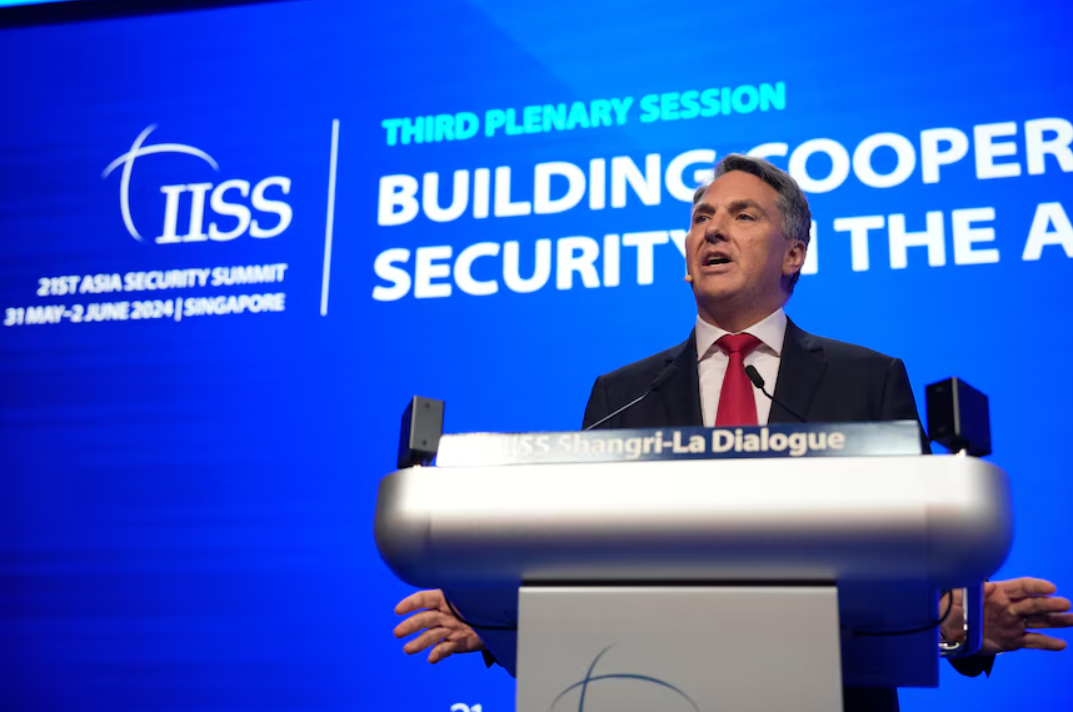
The recent Shangri-La Dialogue in Singapore offered a window into the evolving realities of power in the Indo-Pacific. U.S. Secretary of War Pete Hegseth’s address struck a notably more measured tone than his previous interventions. Gone were the sharper edges of 2025 rhetoric. In their place emerged a focus on securing a “favourable but durable balance of power,” preventing any single hegemon — implicitly China — from dominating the region. Allies were urged to shoulder greater burdens, with familiar calls for increased defence spending. Conspicuously absent was any direct reference to Taiwan.
Richard Javad Heydarian, Professorial Chairholder in Geopolitics, Polytechnic University of the Philippines
Aug 08, 2025
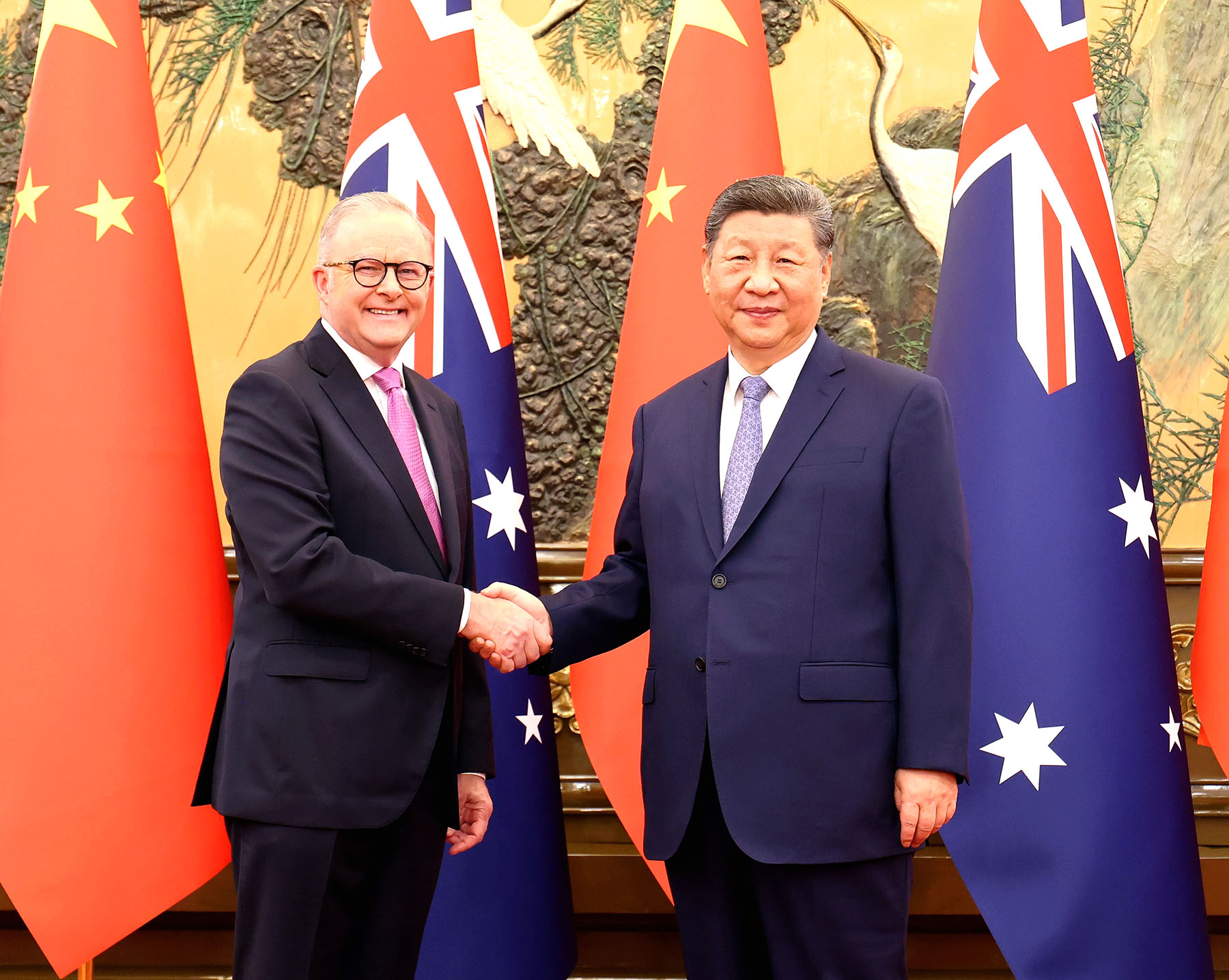
The second Trump administration’s trade policies and assertive defense diplomacy have unsettled key Asian allies, straining some relationships while drawing others into deeper military cooperation. This approach has raised concerns about diminishing strategic autonomy among U.S. partners and the potential for pushing them closer to China.
Cui Lei, Research Fellow, China Institute of International Studies
May 02, 2024
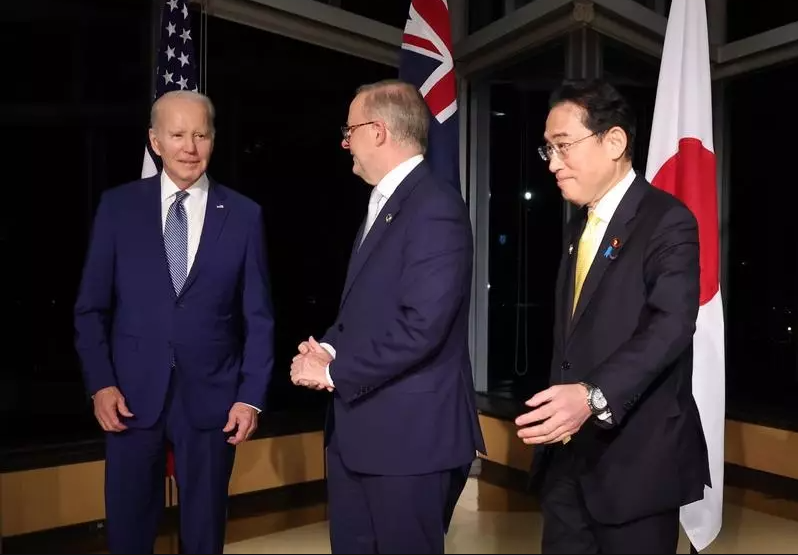
The United States has incentives to outsource the production of weapons, as its domestic capacity is insufficient to meet its needs. Co-production benefits others. But it’s also likely to lead to proliferation across borders, create regional security tensions and increase the risk of conflict.
Sun Chang, Research Assistant at Institute for Southeast Asian and Oceanian Studies, China Institutes of Contemporary International Relations
Mar 28, 2024
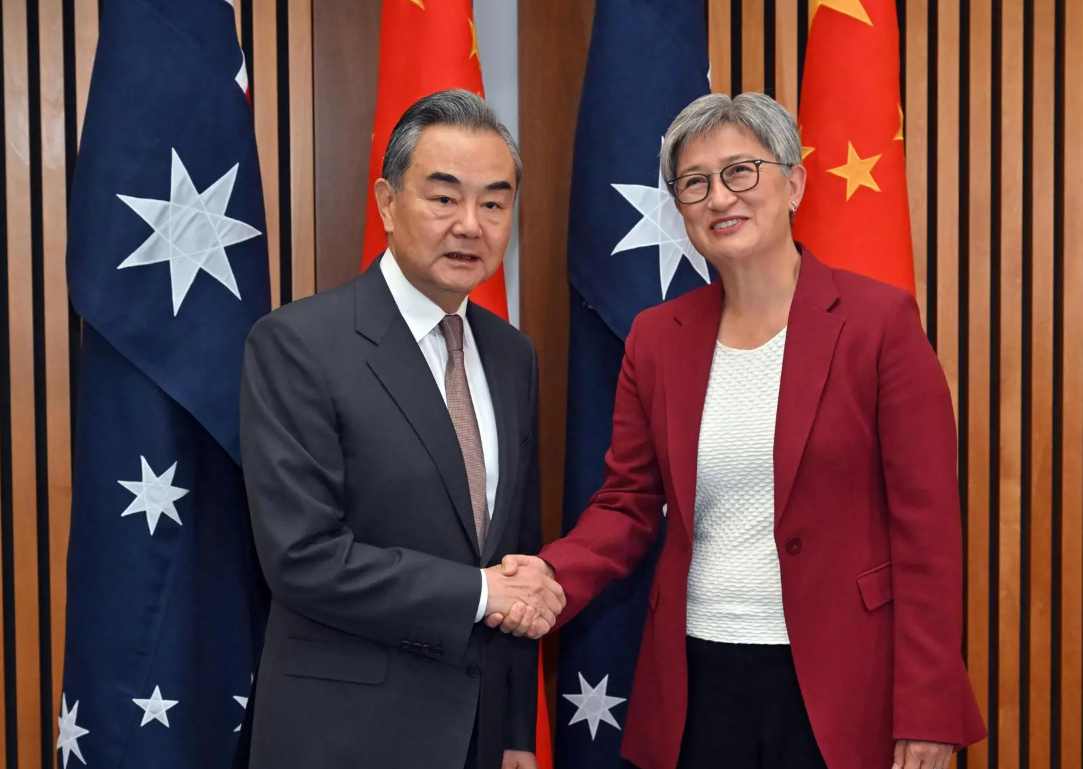
Relations have weathered numerous storms since diplomatic relations were established. Now, China and Australia have shown they have what it takes to boost mutual trust, strengthen risk management and bolster regional peace and stability.
Guo Chunmei, Associate Researcher, Institute of Southeast Asian and Oceanian Studies, CICIR
Feb 07, 2023
While the United States is attempting to use Australia for its own purposes, the future is bright. The island continent’s relationship with China is setting sail in a stormy environment, but emerging cooperation is certain to become both stable and durable.
Sajjad Ashraf, Former Adjunct Professor, National University of Singapore
Jan 31, 2023
Australia’s alignment to the West and its trade barriers with China has entrenched tensions between the two Asian countries.
Dan Steinbock, Founder, Difference Group
Nov 15, 2022
Not so long ago, Australia was known for its booming economy and balanced foreign policy. Today its economy is stagnating, while the U.S. Big Defense casts a dark shadow over its foreign policy - as evidenced by nuclear escalation.
Yang Wenjing, Research Professor, Institute of American Studies, CICIR
May 04, 2022
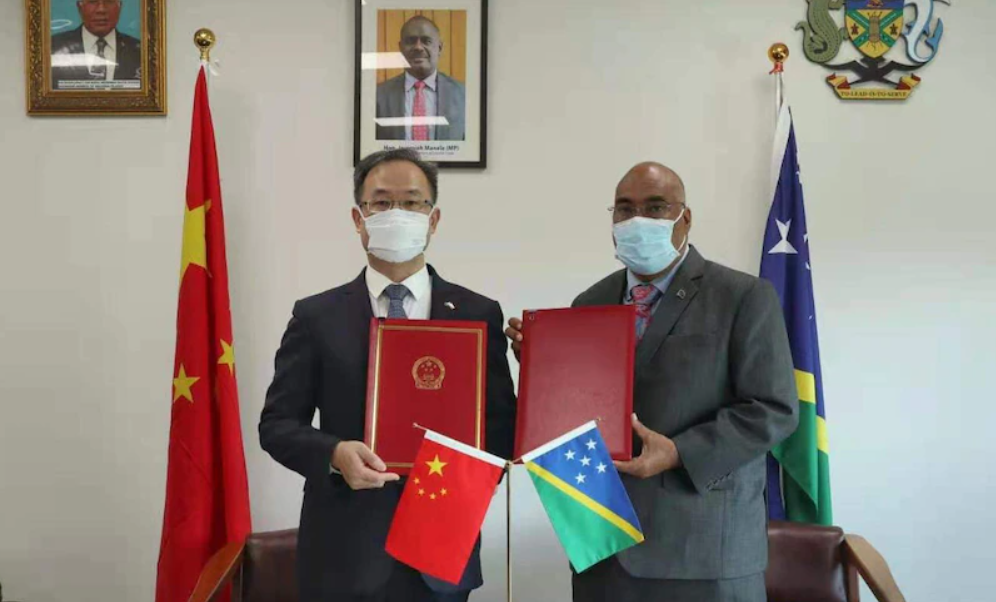
China is gaining influence for a reason: Its approach is helpful — and this irritates the United States. But the Solomon Islands is a sovereign country and as such is entitled to develop security relationships as it sees fit.
Guo Chunmei, Associate Researcher, Institute of Southeast Asian and Oceanian Studies, CICIR
May 28, 2021
Counting on the United States to contain China has come at a heavy price. Worse, Australia’s strategic value as a middle power will be eroded dramatically if it continues to bash China in an era of uncertainty in which one can hear faint echoes of the drums of war.
Mikaila Smith, J.D. Candidate at the University of Chicago Law School
May 08, 2021
Australia’s outlier history as a “Western” nation situated in the Pacific means it’s caught in the middle of simmering global tensions between China and the U.S.
Back to Top

- China-US Focus builds trust and understanding between the U.S. and China through open dialogue among thought leaders.