Warwick Powell, Adjunct Professor at Queensland University of Technology
Jun 04, 2026
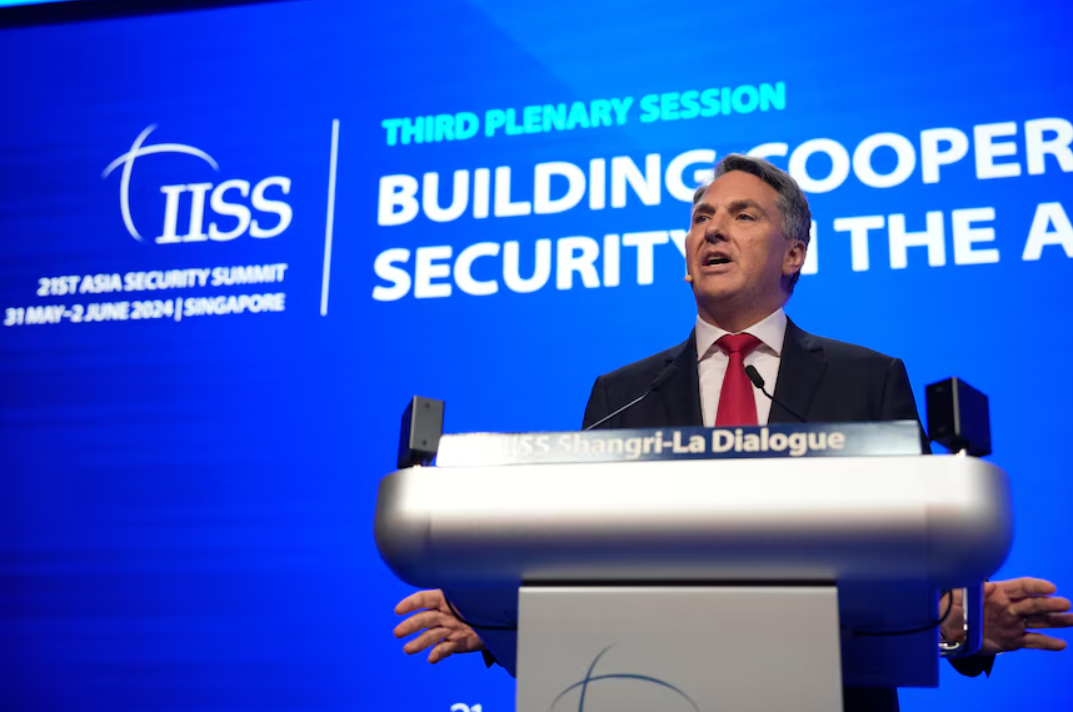
The recent Shangri-La Dialogue in Singapore offered a window into the evolving realities of power in the Indo-Pacific. U.S. Secretary of War Pete Hegseth’s address struck a notably more measured tone than his previous interventions. Gone were the sharper edges of 2025 rhetoric. In their place emerged a focus on securing a “favourable but durable balance of power,” preventing any single hegemon — implicitly China — from dominating the region. Allies were urged to shoulder greater burdens, with familiar calls for increased defence spending. Conspicuously absent was any direct reference to Taiwan.
Warwick Powell, Adjunct Professor at Queensland University of Technology
May 08, 2026
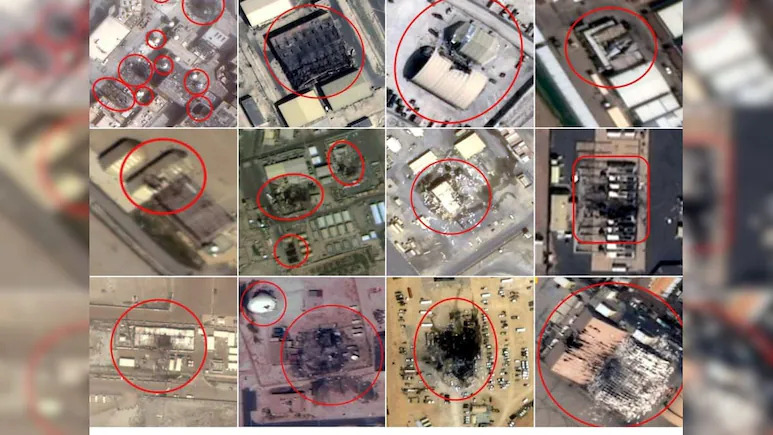
Recent satellite imagery tells a sobering story. Iranian strikes during the 2026 conflict damaged or destroyed at least 228 structures and pieces of equipment across US military sites in the Middle East. Hangars, barracks, fuel depots, aircraft, radars, communications nodes, and air defense systems were hit at around 16 installations spanning eight countries. This represents the majority of America’s regional footprint in West Asia. Analyses by The Washington Post and CNN, drawing on verified commercial and Iranian-released imagery, reveal far more extensive impact than initial Pentagon assessments acknowledged.
Lucio Blanco Pitlo III, Member of Board of Directors, Philippine Association for Chinese Studies
Oct 17, 2025
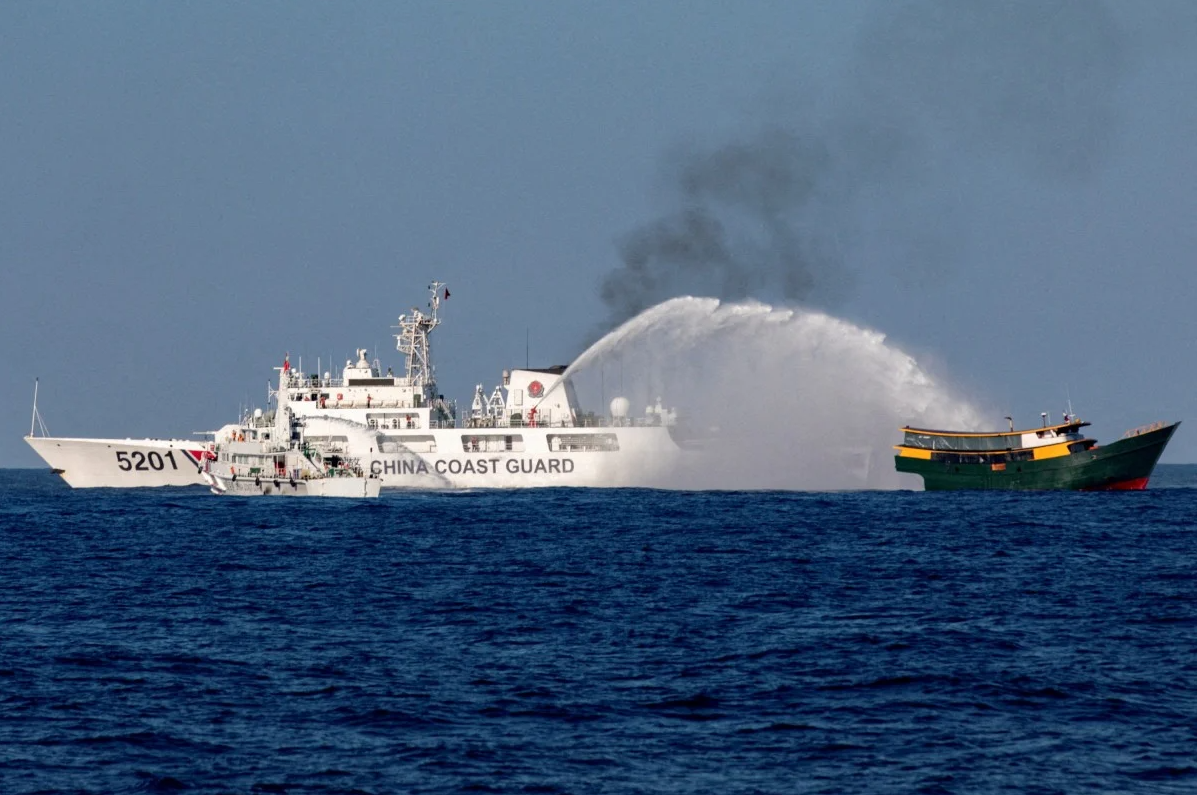
The Philippines is strengthening defense ties with the United States at a time of escalating US-China rivalry. Manila aims to mitigate power asymmetry, while China’s response to its maritime neighbor reflects a deep distrust of alliances and wary of invaders which came by sea.
Sajjad Ashraf, Former Adjunct Professor, National University of Singapore
Jul 11, 2025
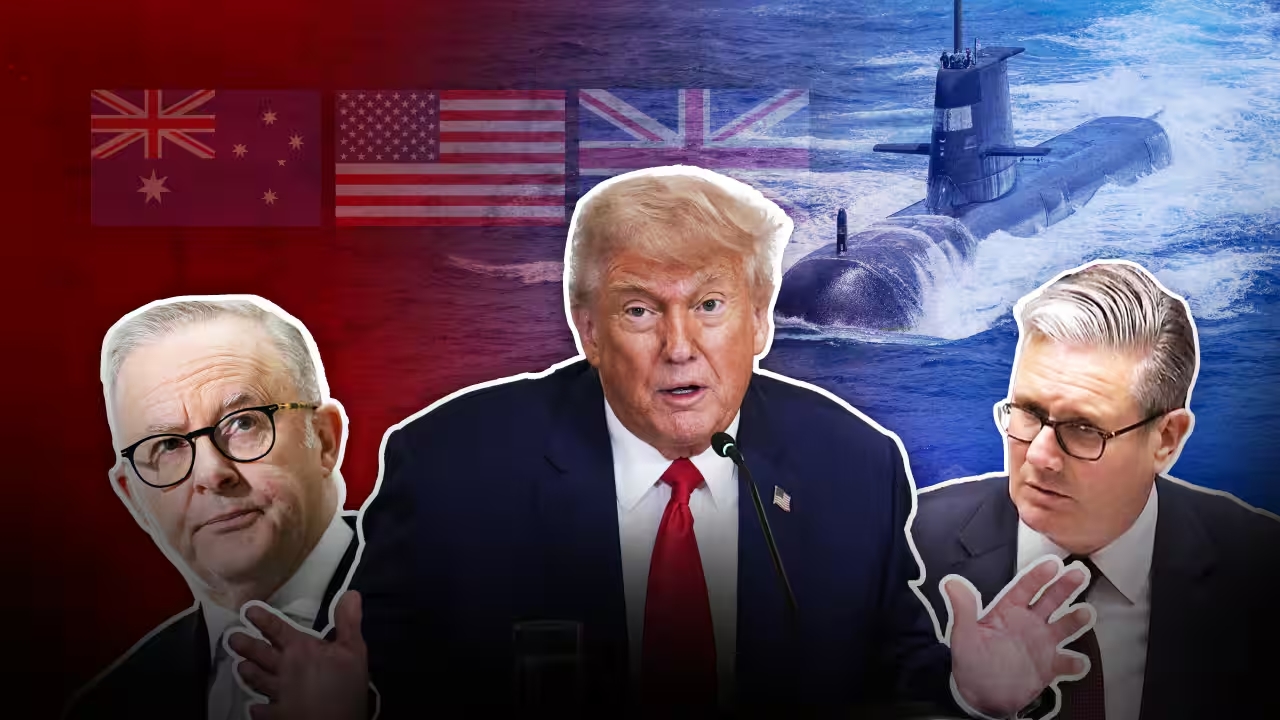
The United States has launched a review of the AUKUS pact—a trilateral security arrangement between Australia, the United Kingdom, and the United States, signed in 2021. Established behind closed doors and announced with little warning, the agreement abruptly terminated a multi-billion-dollar submarine deal between Australia and France, provoking fury in Paris. France branded the move a “stab in the back,” accusing its allies of deceit.
Brian Wong, Assistant Professor in Philosophy and Fellow at Centre on Contemporary China and the World, HKU and Rhodes Scholar
Mar 04, 2025
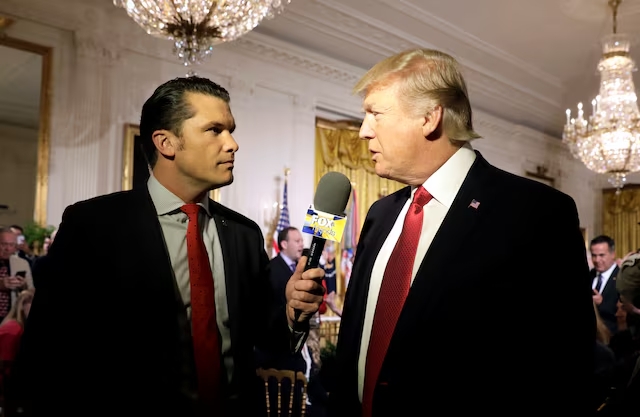
Peter Hegseth’s inability to name an ASEAN country underscores the Trump administration’s broader indifference to Southeast Asia, favoring trade protectionism, military burden-shifting, and transactional diplomacy over sustained regional engagement.
Zhao Minghao, Professor, Institute of International Studies at Fudan University, and China Forum Expert
Feb 29, 2024
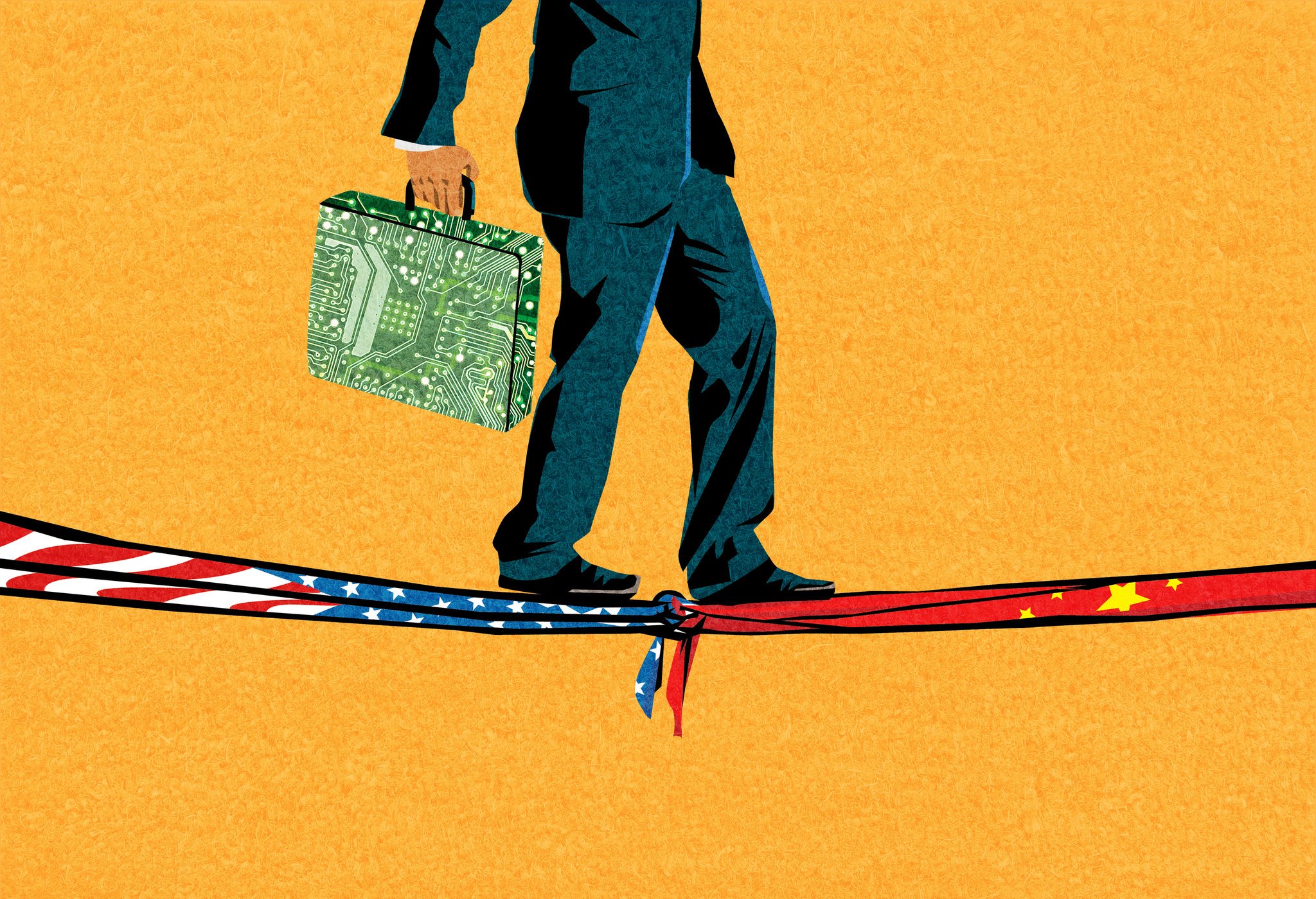
The United States seeks to widen the technology gap with China as much as possible and thus will create more barriers for Chinese research and development. It may even try to push back some of the technological advancements China has made. China needs to prepare for greater pressure.
Zhong Yin, Research Professor, Research Institute of Global Chinese and Area Studies, Beijing Language and Culture University
Feb 20, 2024
America’s actions that are directly detrimental to China’s interests render China’s cooperation in some regions irrelevant. The good news is that China and the U.S. have agreed to strengthen cooperation. But to ensure concrete results, the U.S. needs to do more.
Sajjad Ashraf, Former Adjunct Professor, National University of Singapore
Jan 05, 2024
The compromise reached by U.S. Congress on the military spending bill, allowing the sale of nuclear submarines to Australia as part of AUKUS, signals a significant shift in defense dynamics in the Asia-Pacific. While intended to bolster regional security, the pact faces criticism both within Australia and among neighboring nations, raising concerns about arms races and the sidelining of economic cooperation in the region.

Li Yan, Director of President's Office, China Institutes of Contemporary International Relations
Sep 05, 2023
The deepening trilateral collaboration of the United States, Japan and the Republic of Korea is undermining stability on the Korean Peninsula, and recent provocative actions, will only serve to escalate tensions further. In addition, harsh rhetoric erodes the fragile trust of nations and could result in a generalized sense of insecurity.
Lucio Blanco Pitlo III, Member of Board of Directors, Philippine Association for Chinese Studies
Apr 18, 2023
AUKUS has laid out a plan for Australia to acquire its own SSN fleet. While the buildup of subs will take several years, submarine basing access and easing of constraints on the transfer of submarine parts and technologies to allies and partners mean that the program’s impact can be felt sooner in the Indo-Pacific, including on the Taiwan Straits hotspot.
Back to Top

- China-US Focus builds trust and understanding between the U.S. and China through open dialogue among thought leaders.