Lucio Blanco Pitlo III, Member of Board of Directors, Philippine Association for Chinese Studies
Feb 02, 2020
The death of Qassim Suleimani highlights the growing divide between the US and the Middle East at large, a divide which may create an opportunity for China to strengthen regional ties.
Hannah Feldshuh, Analyst
Mar 15, 2019
China has made numerous short-term gains in the Middle East via its involvement in the Palestinian-Israeli conflict, whereas weak policy U.S. in the region has few consequences but also few returns.
Wang Yi, Foreign Minister of the People's Republic of China
Dec 18, 2017
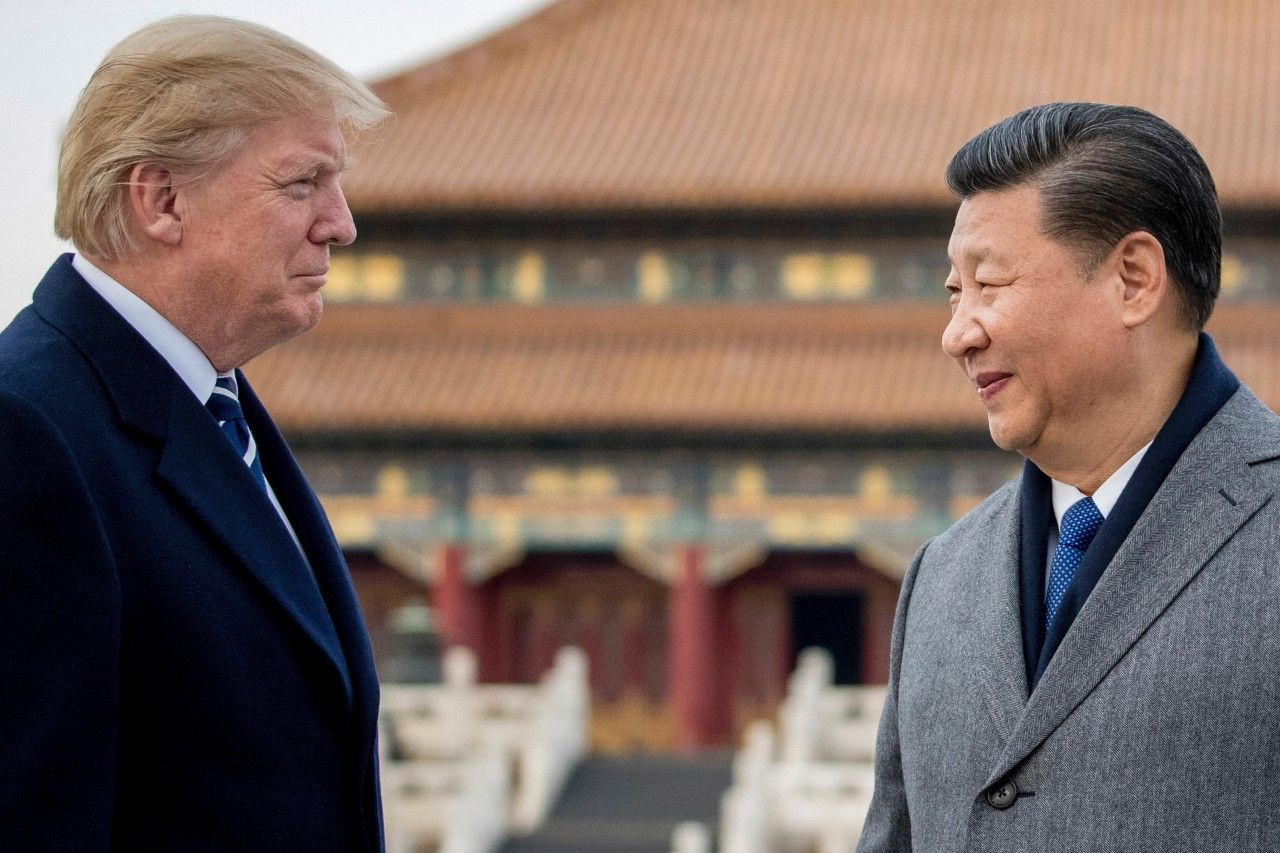
China's foreign policy has two overarching goals, namely, the fostering of a new form of international relations and the building of a community with a shared future for mankind.
Jin Liangxiang, Senior Research Fellow, Shanghai Institute of Int'l Studies
Aug 14, 2017
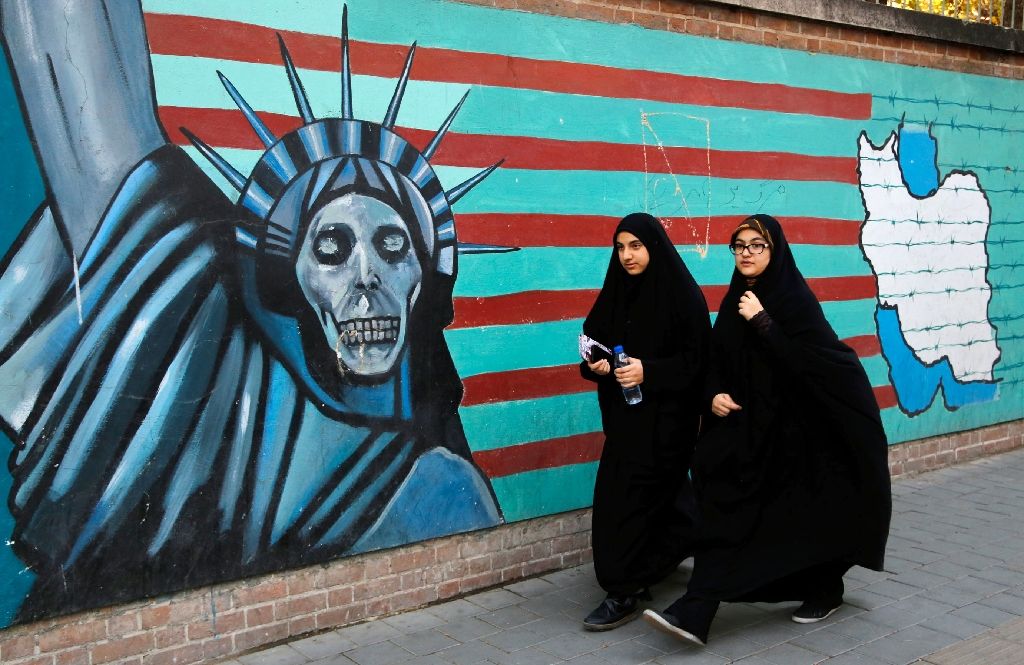
The election of Hassan Rouhani could serve as a turning point for Iran both domestically and internationally. With a moderate politician leading this important nation, the time for the U.S and China to engage and reintegrate Iran into the international system is now; otherwise, the Middle East will continue to be plagued by violence.
Tian Shichen, Founder & President, Global Governance Institution
Apr 19, 2017
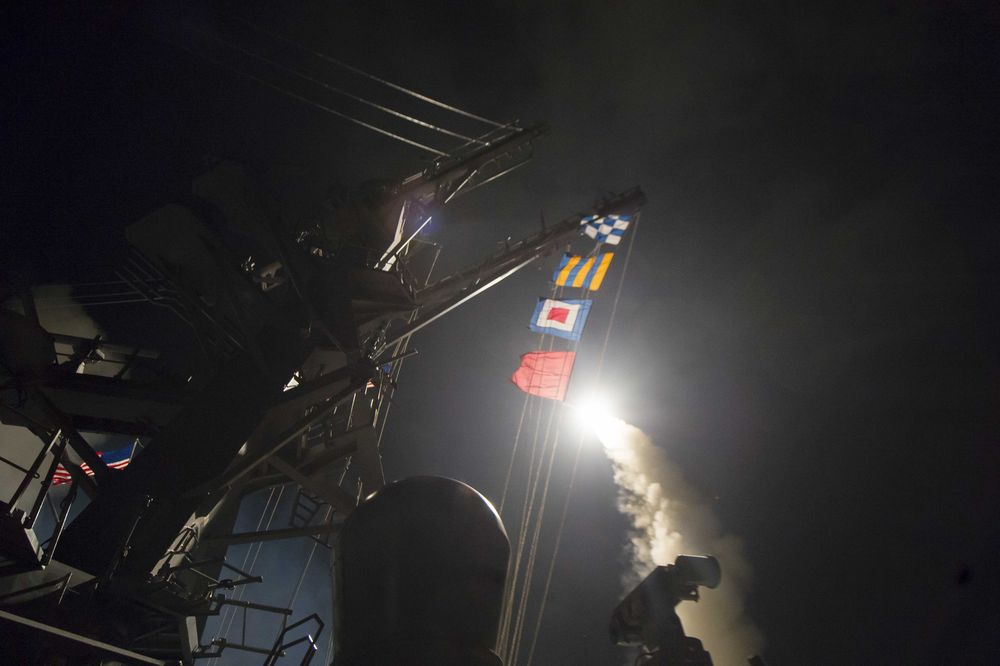
The apparent unilateral action in violation of international law by the U.S. sends an alarming signal to the international community. Whether this is just a one-off deal or it signals the Trump administration’s change of policy back to unilateralism, it brings unpredictable consequences to international peace and stability.
Wang Zhen, Professor and Deputy Director, Institute for International Relation Studies, Shanghai Academy of Social Sciences
Apr 19, 2017
China and the US have different positions on the Syria situation, but they share many common interests too, including restoring peace and stability in the region, cracking down on extremists and rebuilding regional order and the balance of power in the Middle East. The countries differ over how to achieve these goals.
He Wenping, Senior Research Fellow, Charhar Institute and West Asia and Africa Studies Institute of the China Academy of Social Sciences
Dec 20, 2016
If the US should abandon or violate the Iranian nuclear accord, an agreement reached after years of negotiation and with consent of European allies, the results would only be negative for the US in terms of its international image, moral high ground and Trump’s start on diplomatic front. Such a move would signal to the world that the US cannot be trusted.
Dan Steinbock, Founder, Difference Group
Feb 01, 2016
Chinese President Xi Jinping’s three-nation tour in the Middle East heralds a shift from U.S. regime change to economic development, codifying China’s presence in the Middle East as a major energy buyer, major importer, infrastructure builder, and peace broker.
Wu Sike, Member on Foreign Affairs Committee, CPPCC
Jul 08, 2015
Mutual trust has been slow to evolve on the political front, but that continues to be key for any meaningful deal.
Jin Liangxiang, Senior Research Fellow, Shanghai Institute of Int'l Studies
Jun 03, 2015
While the entire international community can certainly cooperate better on security issues, criticizing Beijing’s low-profile role is merely propaganda defaming China in the region. China’s economic contribution to the region is both significant and more than sufficient within the current global and regional context defined by US dominance.
Back to Top

- China-US Focus builds trust and understanding between the U.S. and China through open dialogue among thought leaders.