Jin Liangxiang, Senior Research Fellow, Shanghai Institute of Int'l Studies
Mar 29, 2026
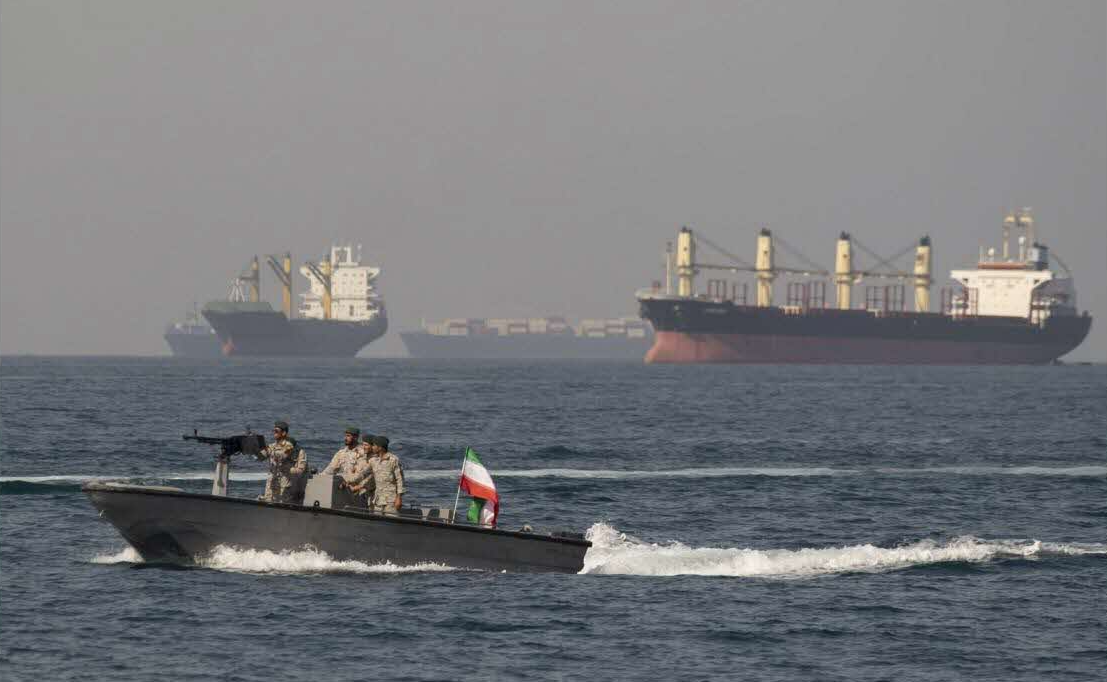
The pretext for Trump’s aggression against Iran, in partnership with Israel, is flimsy. As the saying goes, even a gentle rabbit may bite when cornered. The current war is, in some respects, an extreme manifestation of hegemony. And the whole world is paying the price.
Wang Zhen, Professor and Deputy Director, Institute for International Relation Studies, Shanghai Academy of Social Sciences
Mar 05, 2026
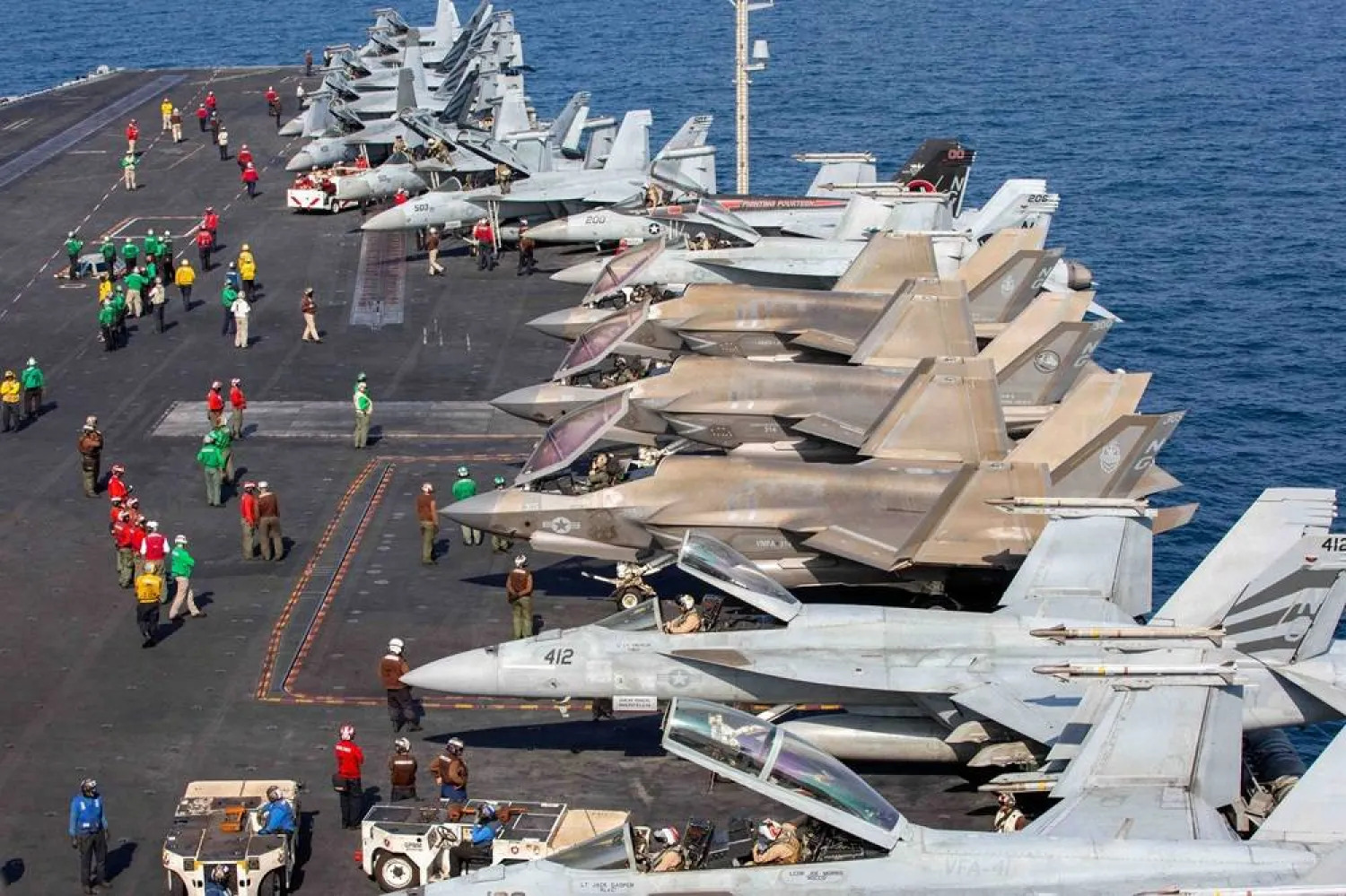
The U.S.-Israel strike on Iran lacks a clear legal basis or credible justification and represents a high-risk gamble by the Trump administration. Despite early military success, the operation faces uncertain prospects, including limited chances of regime change and the risk of prolonged conflict.
Tian Shichen, Founder & President, Global Governance Institution
Mar 03, 2026
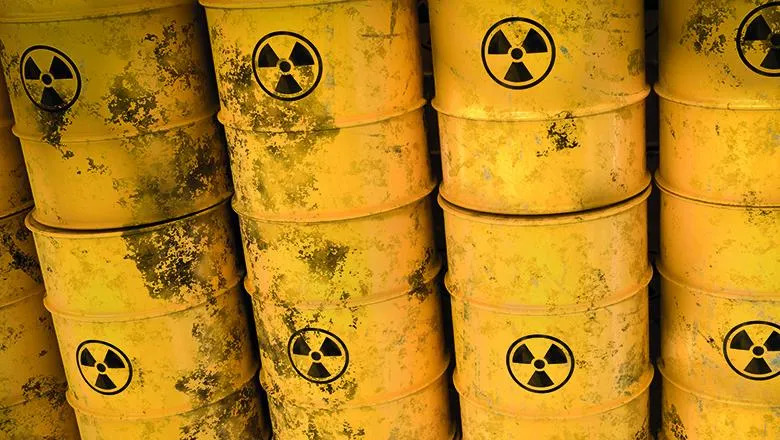
Reaffirming legal limits is not an act of idealism. It is one of prudence. Strategic stability is not self-sustaining. It must be actively maintained. And in the nuclear age, maintenance begins not only with capability but with responsibility.
Stephen Holmes, Professor at New York University School of Law, Berlin Prize Fellow at American Academy in Berlin
Mar 02, 2026
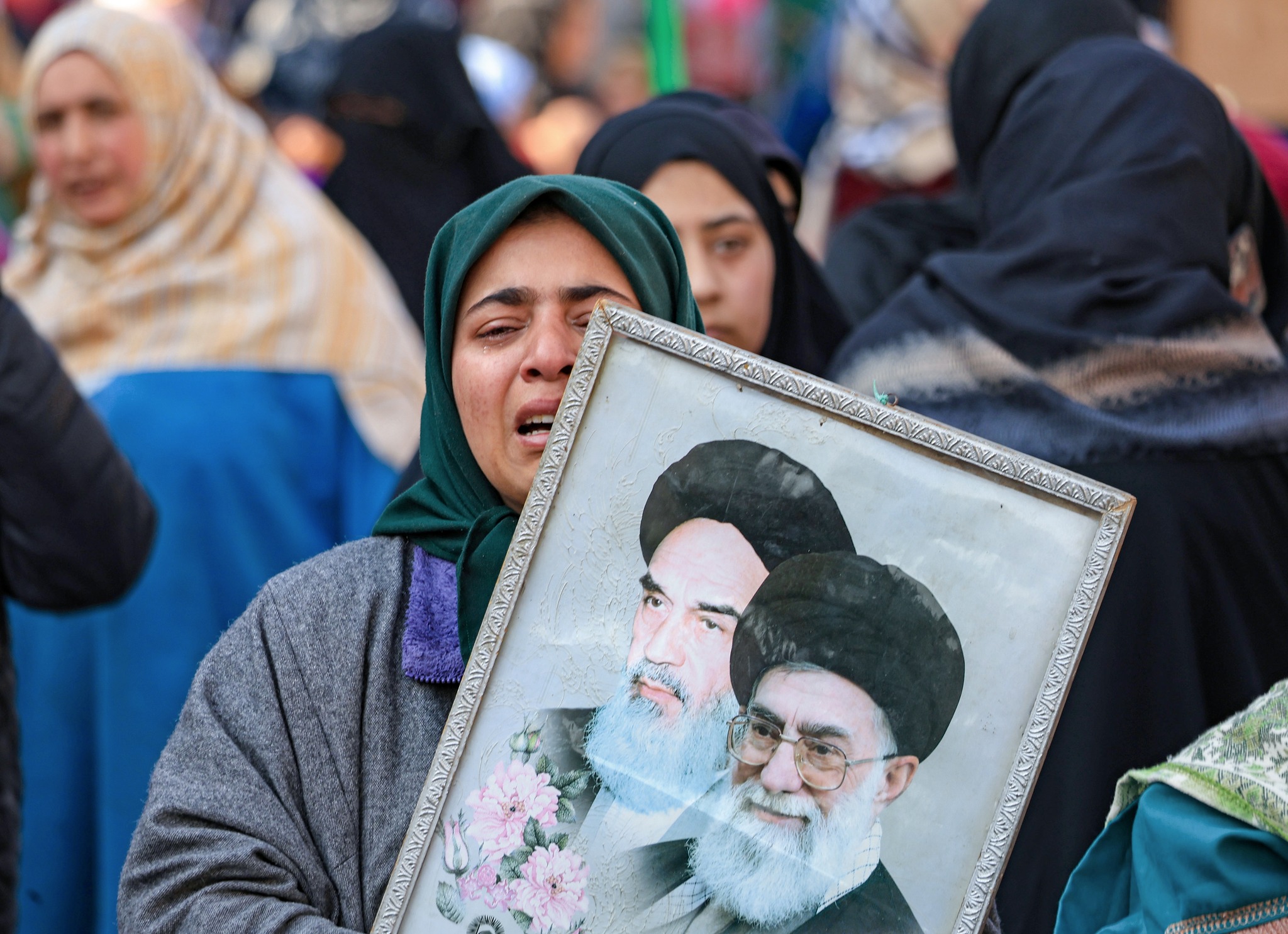
Critics of the attack on Iran by the United States and Israel point out that US President Donald Trump has no plan for what comes next. And they are not wrong: when Trump boasts that he can resolve wars in a single day, he merely exposes the limits of his attention span. But the real problem is not the shortness of Trump’s time horizon; it’s the narrowness of his threat perception.
Zhang Zhixin, Research Professor of Institute of American Studies, CICIR
Jul 30, 2025
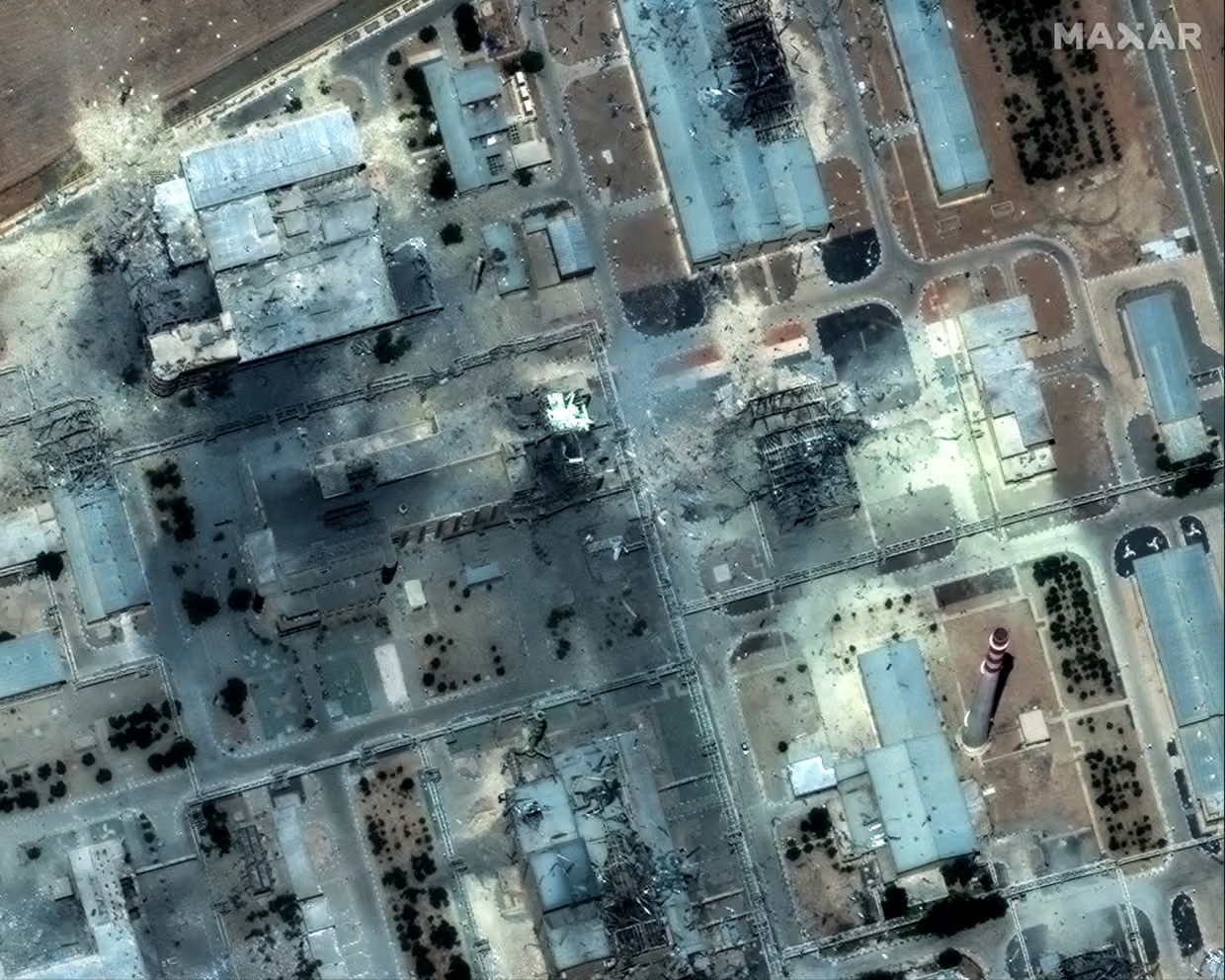
Attacking Iran’s nuclear facilities showed the pragmatism of U.S. foreign policy. The airstrikes were neither purely isolationist nor ideologically preemptive. Instead, they were a calibrated, interest-driven move to neutralize a threat while avoiding overcommitment.
Wang Zhen, Professor and Deputy Director, Institute for International Relation Studies, Shanghai Academy of Social Sciences
Jul 21, 2025
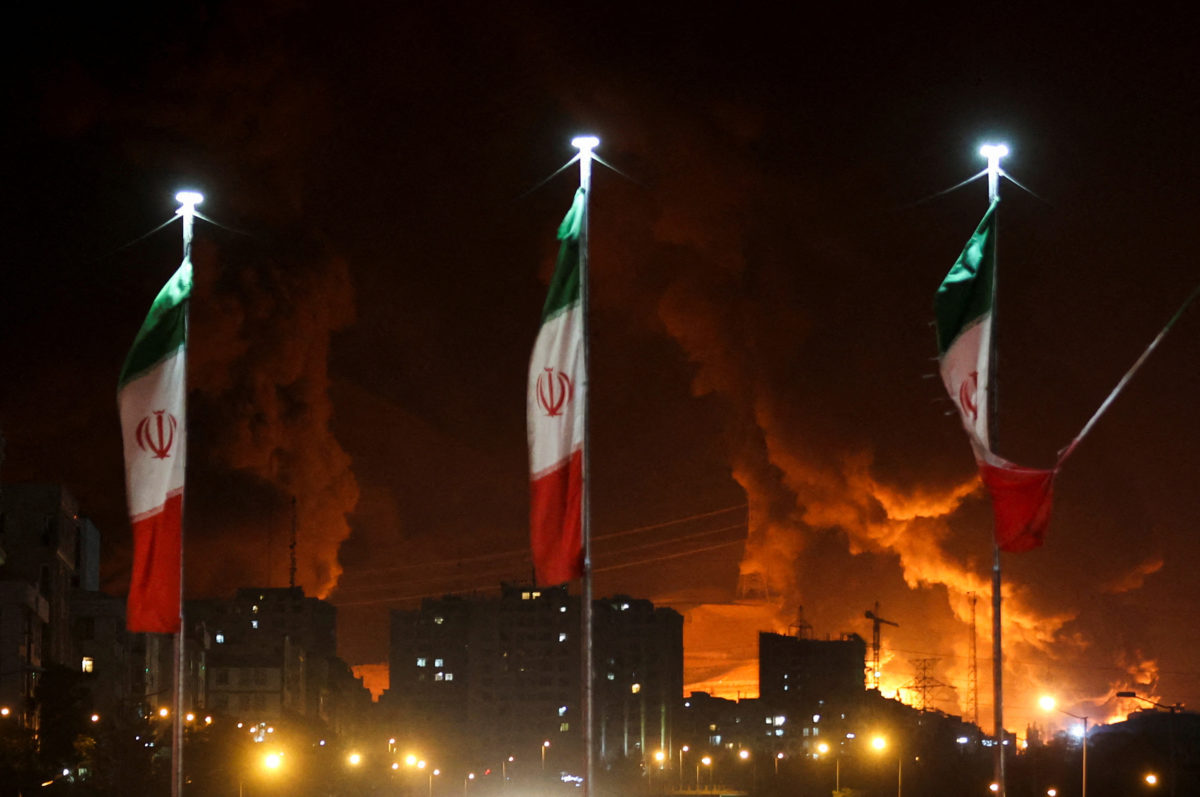
The answer will depend on whom you ask. But one thing is certain, the attacks by Israel and the United States on Iran’s nuclear facilities did not advance the cause of peace in the Middle East. They only added to suspicions and made a resolution more difficult to attain
Mohamed ElBaradei, Director General Emeritus, International Atomic Energy Agency; Nobel Peace Prize Winner
Jul 09, 2025
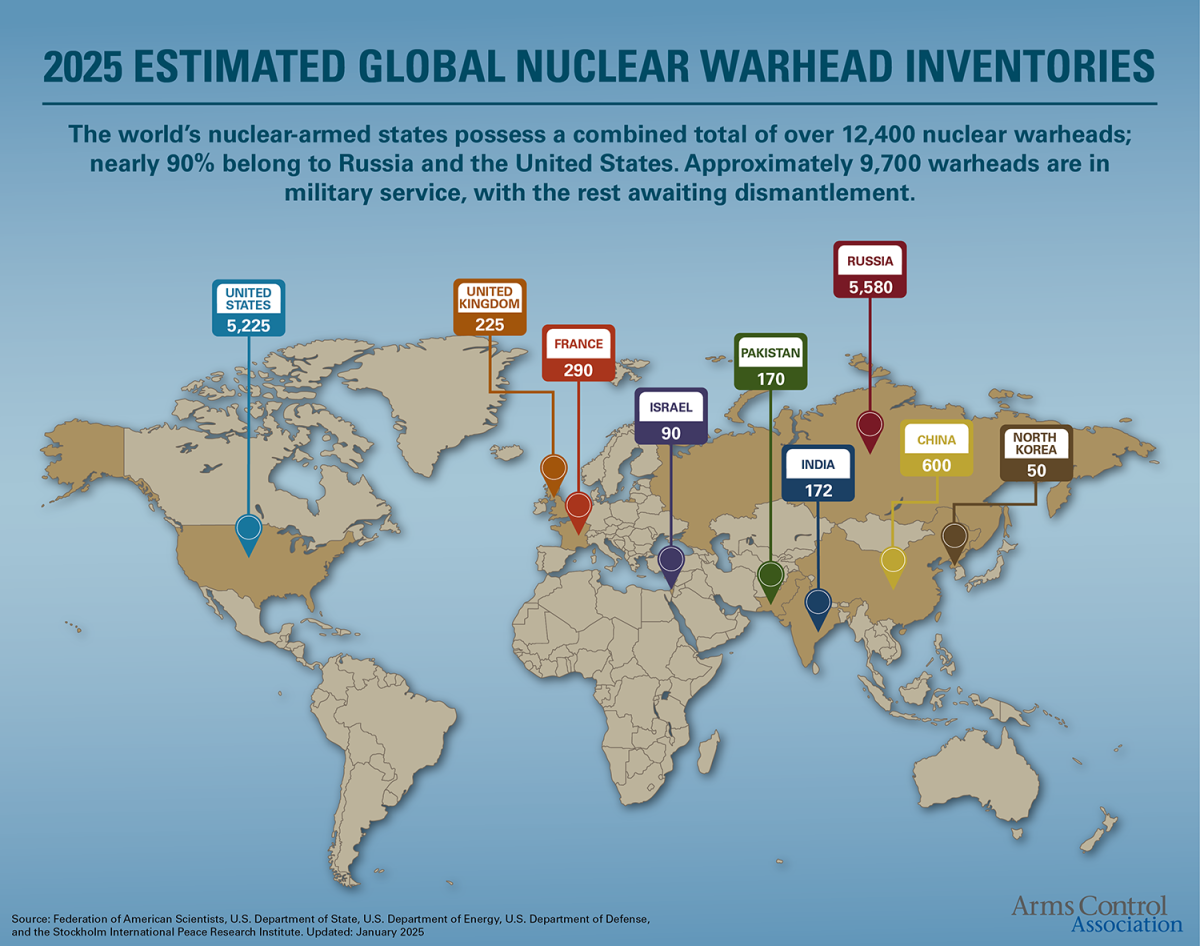
In 1966, the United States, the Soviet Union, the United Kingdom, France, and China not only were the only countries that possessed nuclear weapons; they also had enough wisdom to recognize the dangers posed by nuclear proliferation. Despite their many and deep political differences, they arrived at a consensus to halt the further dissemination of “nuclear weapons or other nuclear explosive devices.”
Fan Gaoyue, Guest Professor at Sichuan University, Former Chief Specialist at PLA Academy of Military Science
Jun 17, 2025
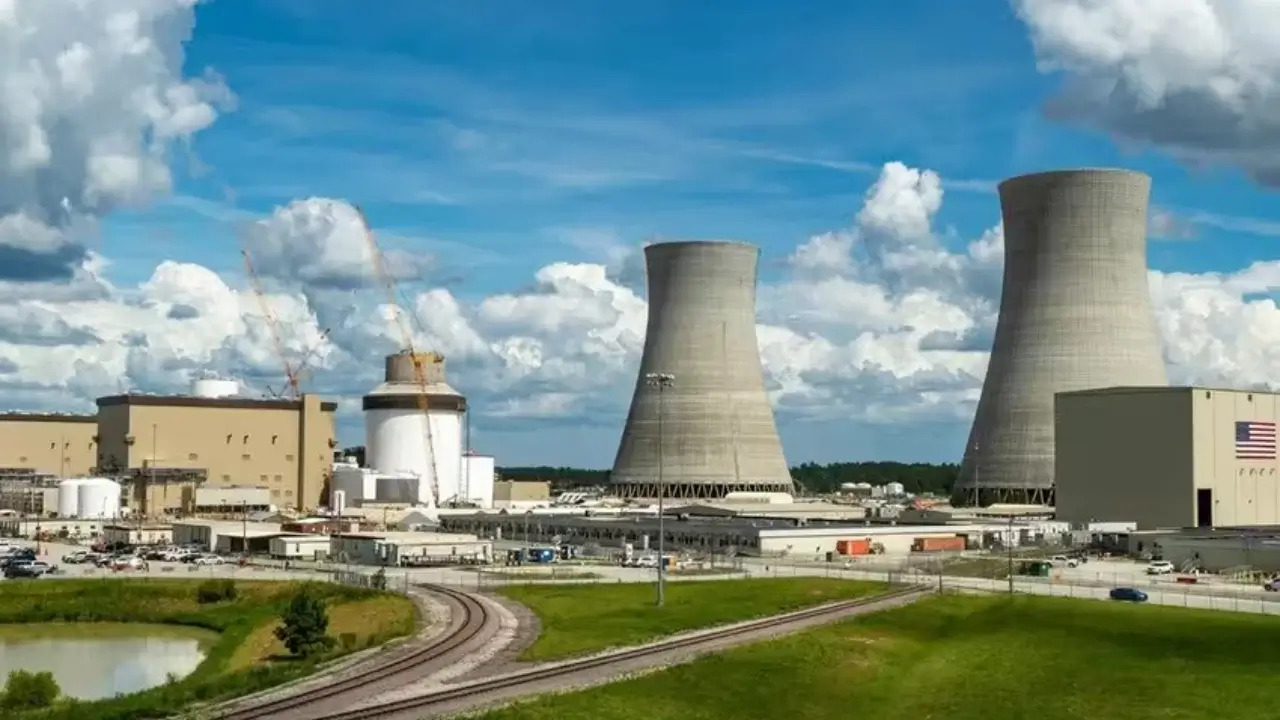
America sees itself as a global leader. So one might hope that it would take the lead in ratifying the Comprehensive Test Ban Treaty ending nuclear testing and promise “no first use” of nuclear weapons in armed conflicts. But Trump does not seem to headed in that direction.
Joseph S. Nye, Professor, Harvard University
May 02, 2025
Eight decades have passed since the energy contained within an atom was used in warfare. Yet rather than suffering nuclear Armageddon, the world has achieved a surprising nuclear stability – so far. Equally remarkable, while nuclear technology has spread to many countries, only a small fraction have chosen to use it to develop weapons. The world has benefited from an effective nonproliferation regime, a set of rules, norms, and institutions that have discouraged – albeit haltingly and imperfectly – nuclear proliferation. But can it survive an era of rapid geopolitical shifts?
Zhu Junwei, Director, Center for American Studies, Grandview Institution
Dec 24, 2024
It’s no longer just a movie: The risk of a nuclear accident, mistake or blunder that escalates into war is a tangible reality. U.S.-China engagement is urgently needed and could produce more stability and sustainability than many other areas of cooperation in the face of new and evolving nuclear risks.
Back to Top

- China-US Focus builds trust and understanding between the U.S. and China through open dialogue among thought leaders.