Elyssa Koepp, Tunisian-German-American specialist, Research Assistant at Center for Constitutional Studies and Democratic Development
Jan 23, 2026
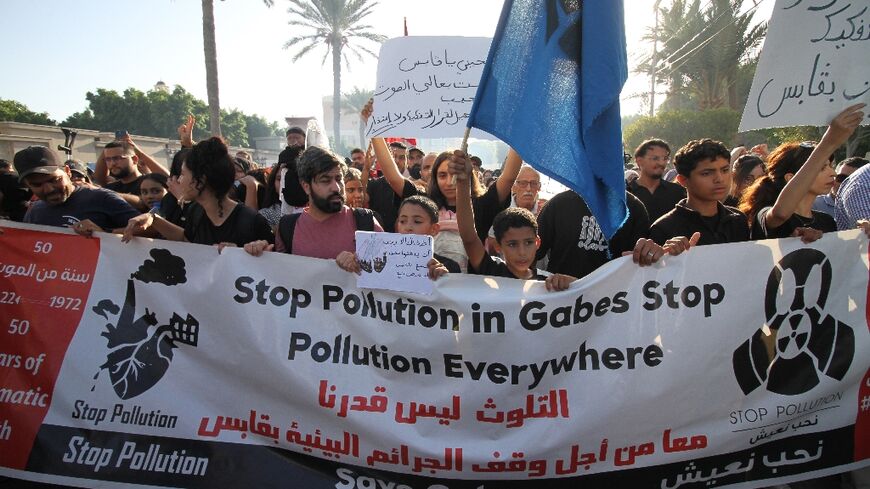
In late 2025, protests in Gabès over pollution from the phosphate industry led Tunisia to seek Chinese help to reduce environmental harm. The move also reflects President Saied’s broader shift away from Europe toward China in economic and diplomatic policy.
Jianyin Roachell, Transatlantic Digital Debate Fellow and Research Associate at Max Planck Institute of Geoanthropology
Jan 09, 2026
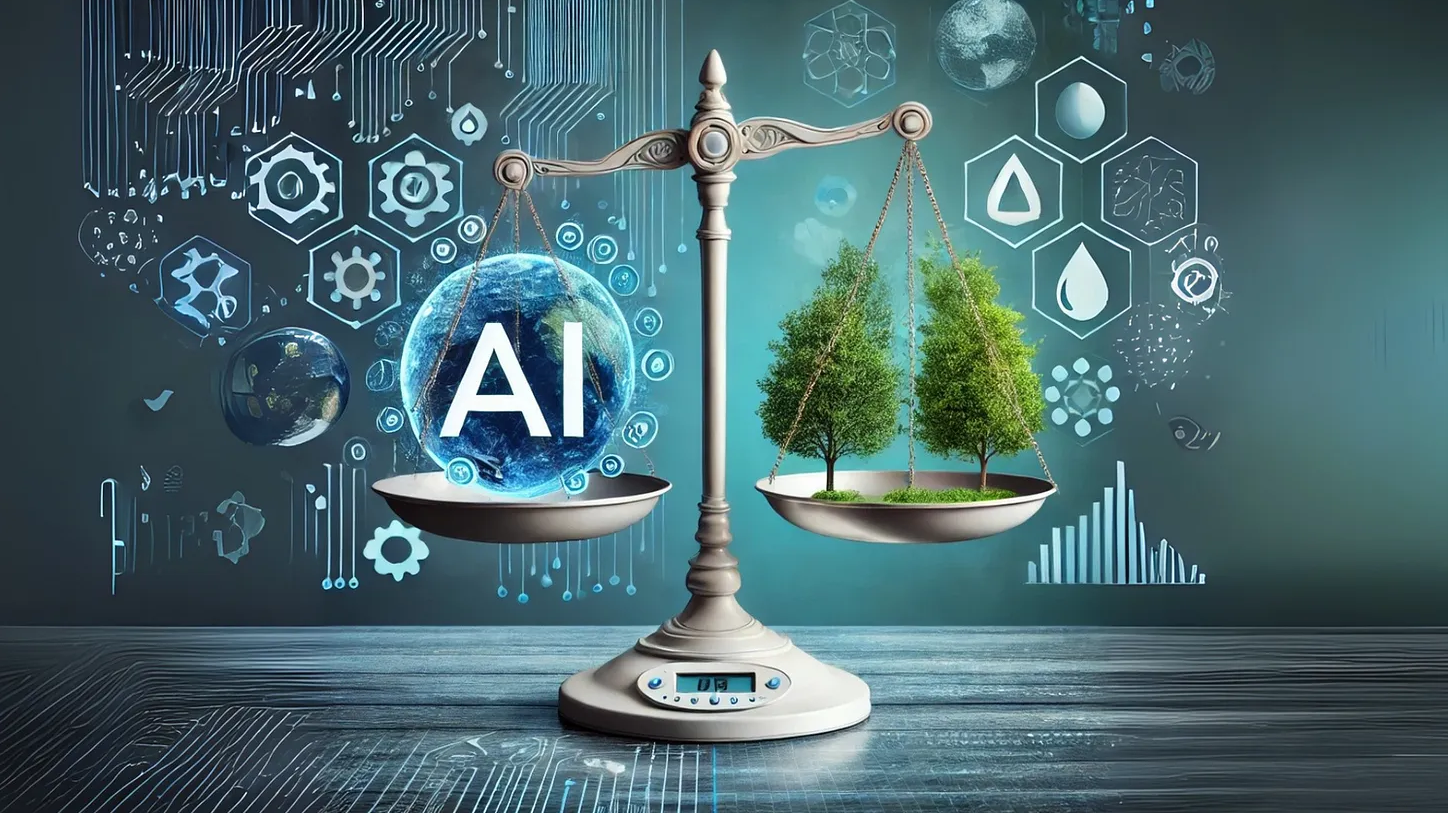
As artificial intelligence rapidly expands, the United States and China face similar sustainability challenges, but their responses differ starkly — shaping AI’s long-term environmental footprint.
Ludovic Subran, Chief Investment Officer and Chief Economist at Allianz
Dec 09, 2025
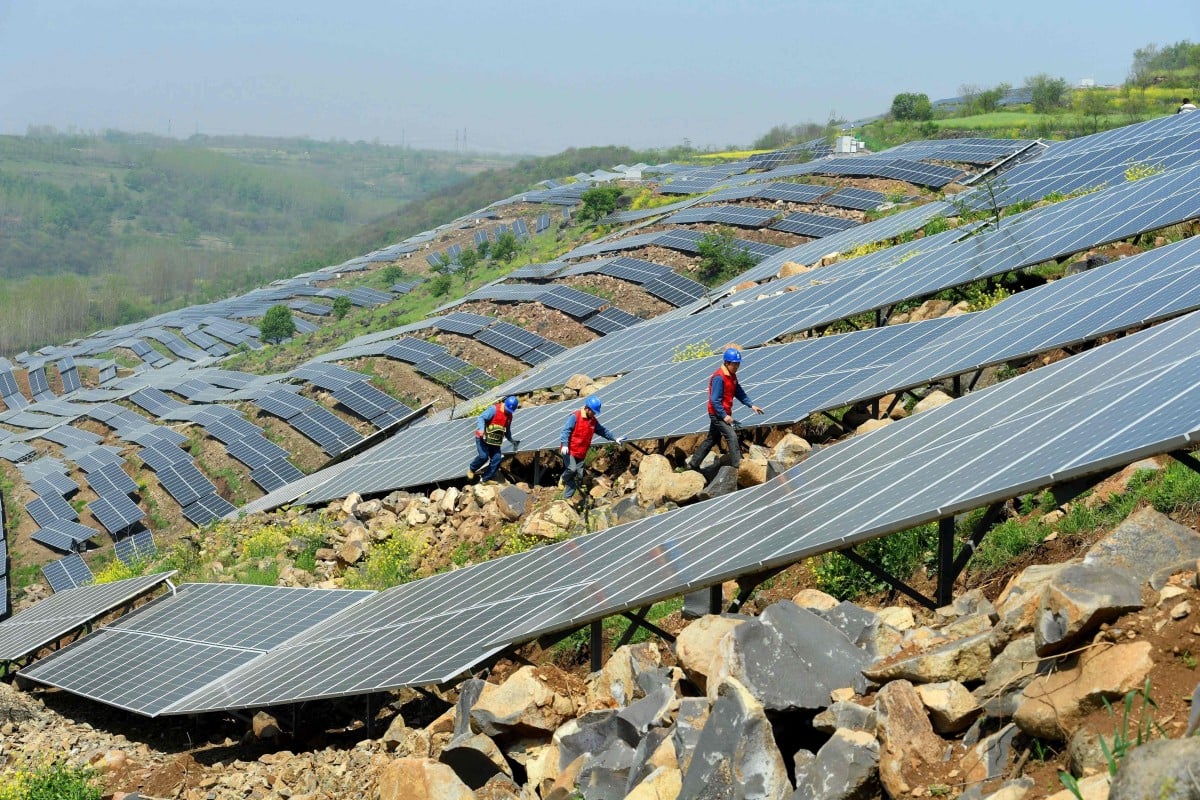
Another great transformation is underway in China. The world’s factory is fast becoming its first electro-state, with an economy increasingly built on clean energy, AI, advanced manufacturing, and control of key strategic materials. This new model is full of promise, though it faces major challenges.
Chen Xiaojing, Assistant Fellow at Department for European Studies, China Institute of International Studies
Oct 28, 2025
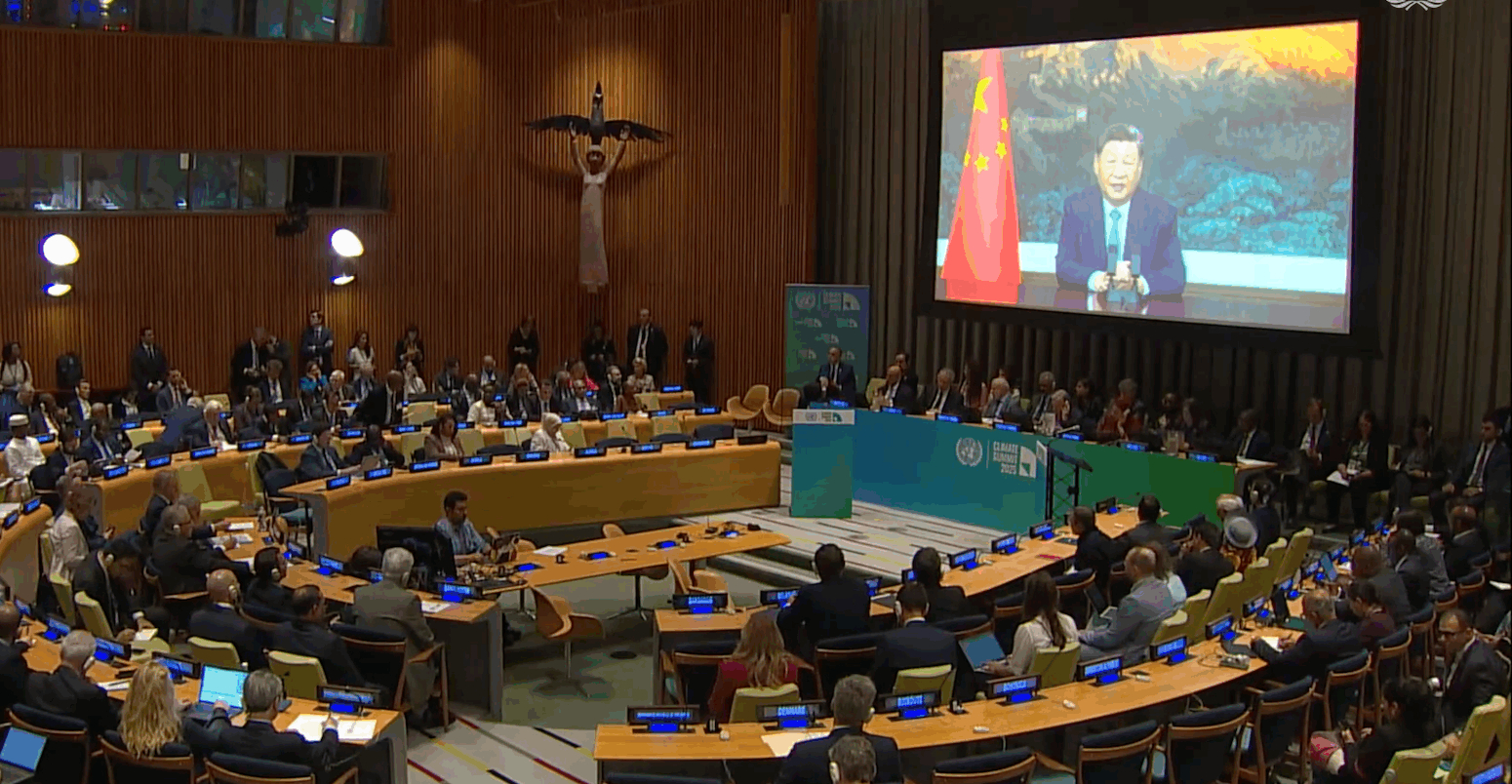
Beijing is imposing high standards on itself, while the United States seems to be overpromising and underdelivering. It should shoulder its responsibility, along with Europe to lead emissions reductions and provide developing countries with the necessary financial and technological support to succeed.
Jianyin Roachell, Transatlantic Digital Debate Fellow and Research Associate at Max Planck Institute of Geoanthropology
Mar 14, 2025
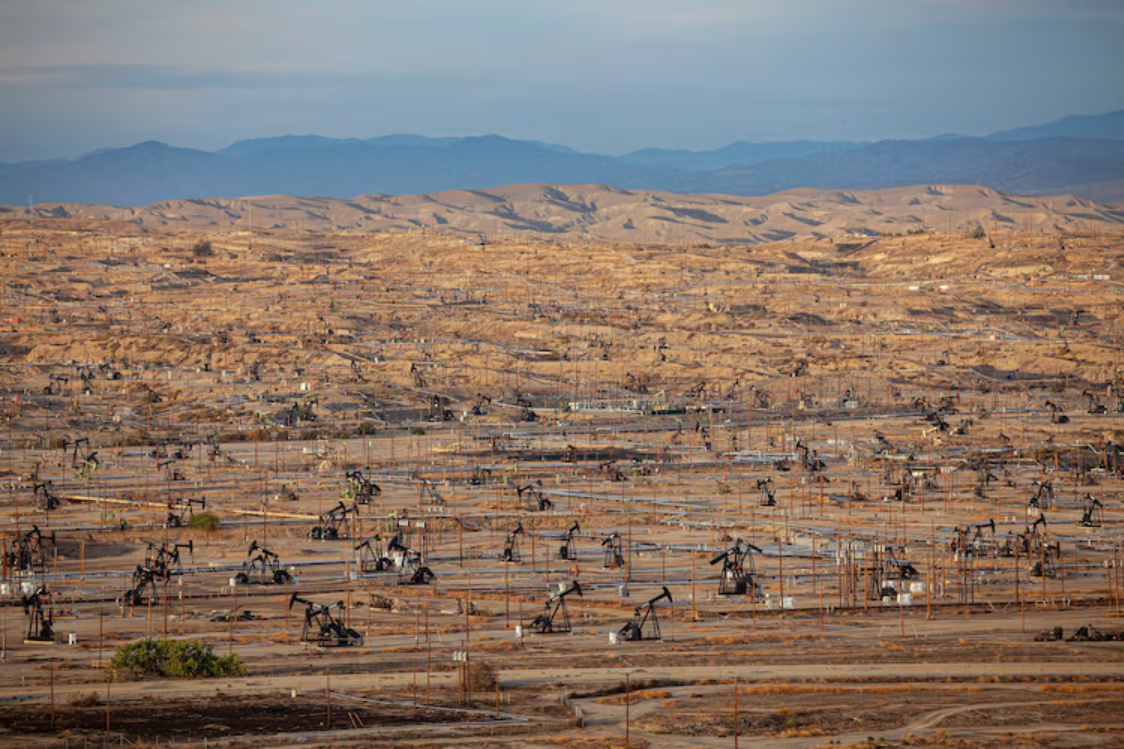
The fossil fuel industry has been a centerpiece of the Republican agenda for most of the modern era, but with the world moving faster than ever toward clean energy, no amount of U.S. strong-arming may be able to stem the tide.
Taylah Bland , Senior Program Officer for the China Climate Hub, Asia Society Policy Institute
Dec 31, 2024
As the impacts of climate change intensify, the U.S. and China must shift focus to adaptation, with opportunities for cooperation through subnational partnerships and a competitive model to assist vulnerable nations. This approach offers a path forward for both countries to lead global efforts in climate action.
Tang Xinhua, Associate Researcher, Tsinghua University’s Institute of International Relations
Dec 23, 2024
As 2025 approaches, the global climate crisis is set to intensify, and the global climate governance process may enter a period of hardship and turmoil. In the face of new challenges, developing countries must unite to protect our shared planet.
Sebastian Contin Trillo-Figueroa, Geopolitics Analyst in EU-Asia Relations and AsiaGlobal Fellow, The University of Hong Kong
May 07, 2024
The EU’s latest moves in the green technology sector may inadvertently strain China-EU relations, potentially impeding progress toward mutual environmental objectives and causing detriment to both parties.
Brian Wong, Assistant Professor in Philosophy and Fellow at Centre on Contemporary China and the World, HKU and Rhodes Scholar
Sebastian Contin Trillo-Figueroa, Geopolitics Analyst in EU-Asia Relations and AsiaGlobal Fellow, The University of Hong Kong
Dec 09, 2023
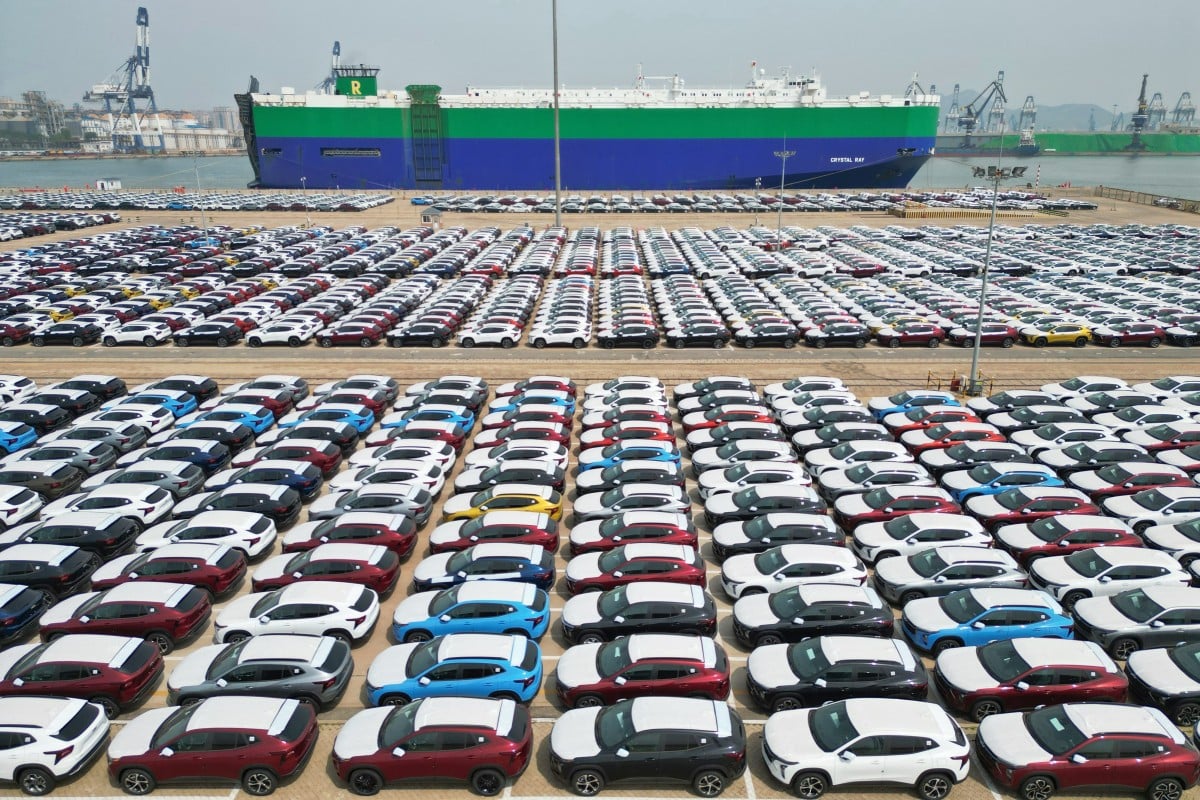
The global electric vehicle industry, dominated by China's rapid growth, has intensified competition, prompting the EU to investigate Chinese EVs and risking strained Sino-EU trade ties. The EU must balance climate aspirations and domestic interests while bolstering its EV industry for a sustainable and competitive future.
Back to Top

- China-US Focus builds trust and understanding between the U.S. and China through open dialogue among thought leaders.