Xiao Qian, Deputy Director, Center for International Security and Strategy at Tsinghua University
Mar 06, 2026
The Munich Security Conference reveals a shift in transatlantic ties as AI security becomes central to global debate. Europe is increasingly linking AI policy to technological autonomy, seeking to balance cooperation with the United States while strengthening its own strategic capabilities.
Xiao Qian, Deputy Director, Center for International Security and Strategy at Tsinghua University
Mar 02, 2026
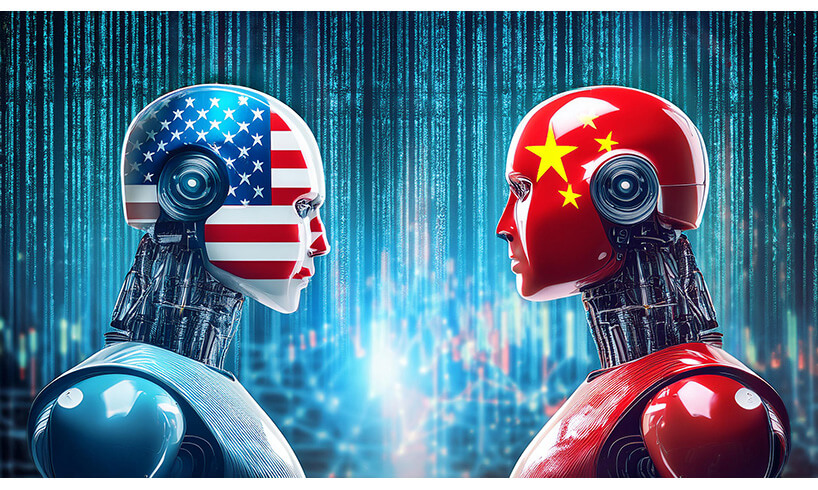
Where is China-U.S. AI Relationship Headed? The birth of artificial intelligence has brought China and the United States to a historic inflection point. They may find it difficult to become partners in the AI field, yet they share a responsibility to ensure that they do not become joint contributors to systemic, or even existential, risk.
Sun Chenghao, Fellow, Center for International Security and Strategy of Tsinghua University; Munich Young Leader 2025
Feb 26, 2026
The old international order is being dismantled, even as a new one gradually comes into view. The interplay of major-powers, regional cooperation and global practices will continue to reshape that order as the parties attempt to stop the bleeding.
Warwick Powell, Adjunct Professor at Queensland University of Technology
Feb 26, 2026
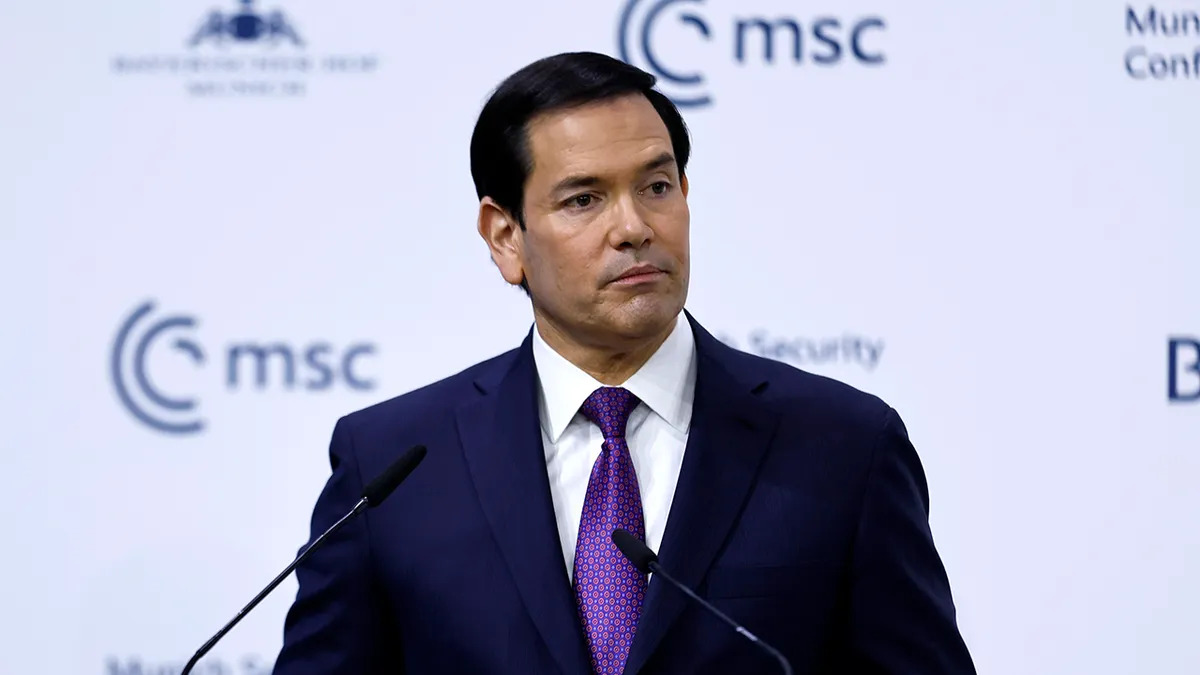
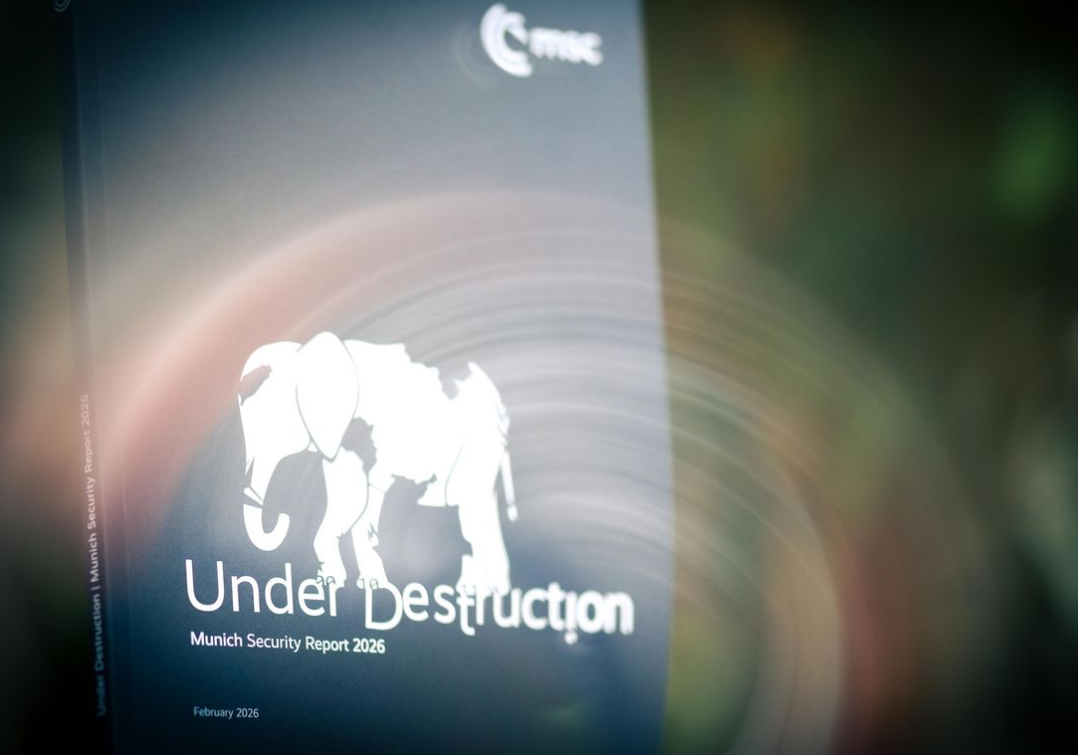
U.S. Secretary of State Marco Rubio stood before the Munich Security Conference on 14 February 2026 and delivered a speech that will be remembered less for its
Tobias Bunde, Director of Research and Policy, Munich Security Conference
Sophie Eisentraut, Head of Research and Publications, Munich Security Conference
Feb 10, 2026
The world has entered a period of wrecking-ball politics. Leaders have risen to prominence by promising sweeping demolition rather than careful reform. They seek to tear down rules and institutions at home and abroad, which they falsely claim hinder both their efforts to build stronger, more prosperous countries as well as to prevent “civilizational decline.”
Sun Chenghao, Fellow, Center for International Security and Strategy of Tsinghua University; Munich Young Leader 2025
Sep 12, 2025
Europe retains global influence in areas such as multilateral governance, the green transition and technological innovation. If it can craft a new synthesis between strategic autonomy and transatlantic cooperation, it may yet play an independent role in the emerging great-power landscape.
Brian Wong, Assistant Professor in Philosophy and Fellow at Centre on Contemporary China and the World, HKU and Rhodes Scholar
Apr 22, 2025
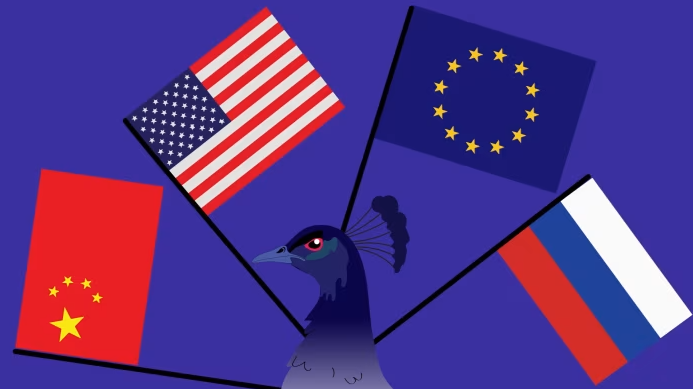
The early decades of the 21st Century have already seen a rapid shifting of global power, and today one could view the world’s relationships flowing through a four-way struggle for balance and dominance between the U.S., China, the EU, and Russia.
Xiao Qian, Deputy Director, Center for International Security and Strategy at Tsinghua University
Apr 14, 2025
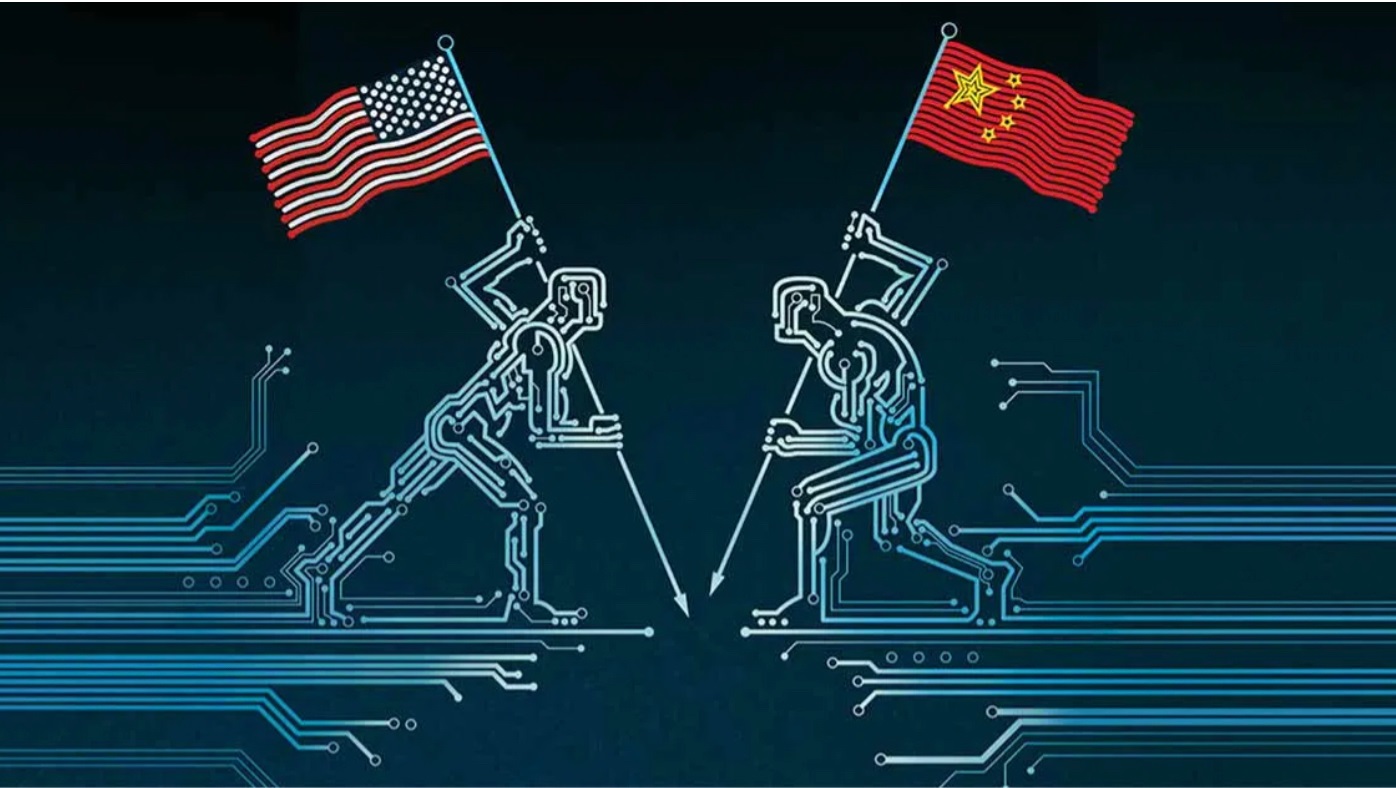
Yes, they can. As the world’s two major powers in AI technology, the U.S. and China must work together to build capacity, contribute to AI for developing countries, bridge the digital divide and help achieve the United Nations Sustainable Development Goals.
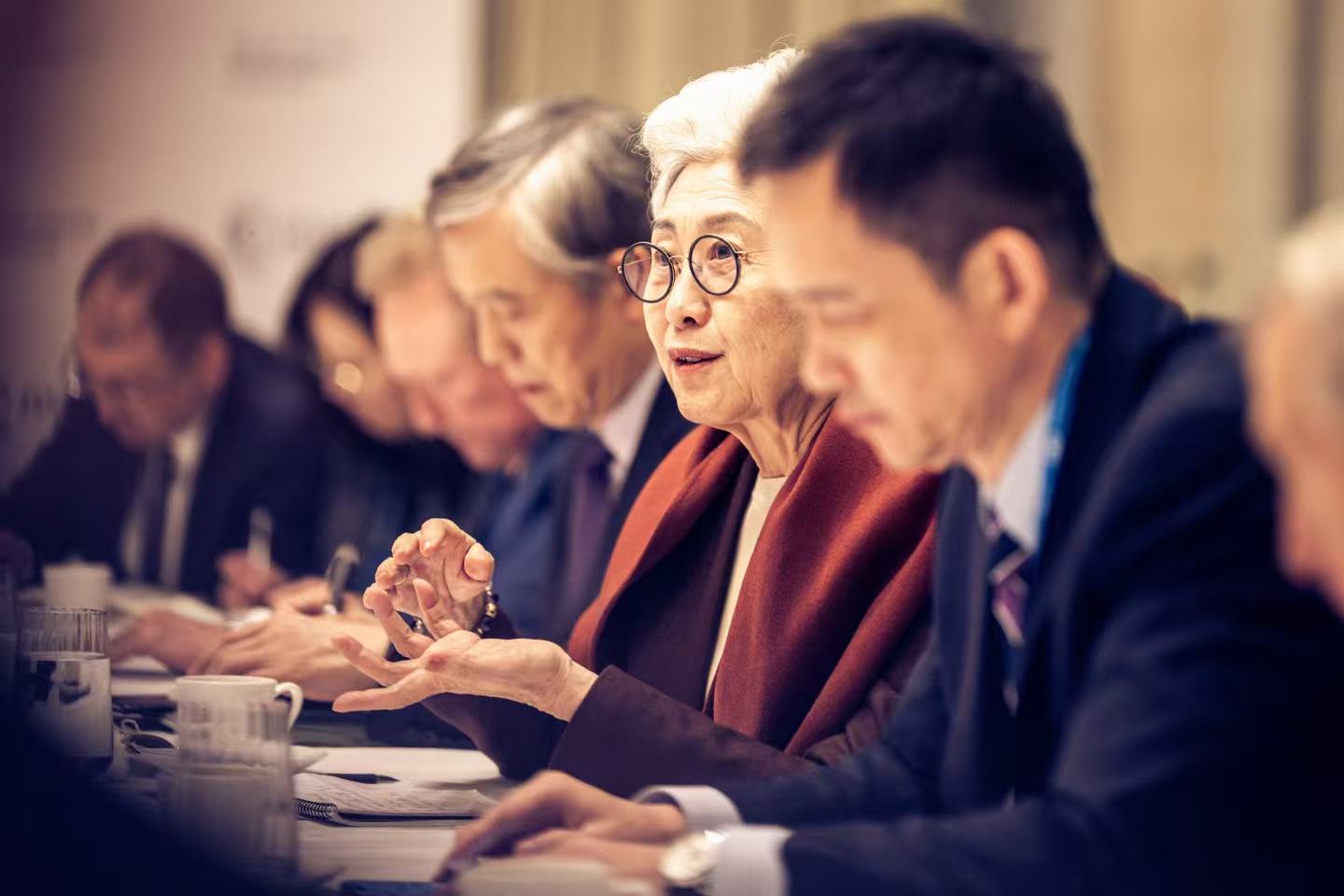
Fu Ying, Founding Chair of Center for International Security and Strategy, Tsinghua University; China's former Vice Minister of Foreign Affairs
Mar 19, 2025
On February 14, 2025, at 1:30 PM, the 61st Munich Security Conference (MSC) opened at the Hotel Bayerischer Hof. I arrived early at the conference hall, but the 200 seats had mostly been taken and I finally found a spot back in the room.
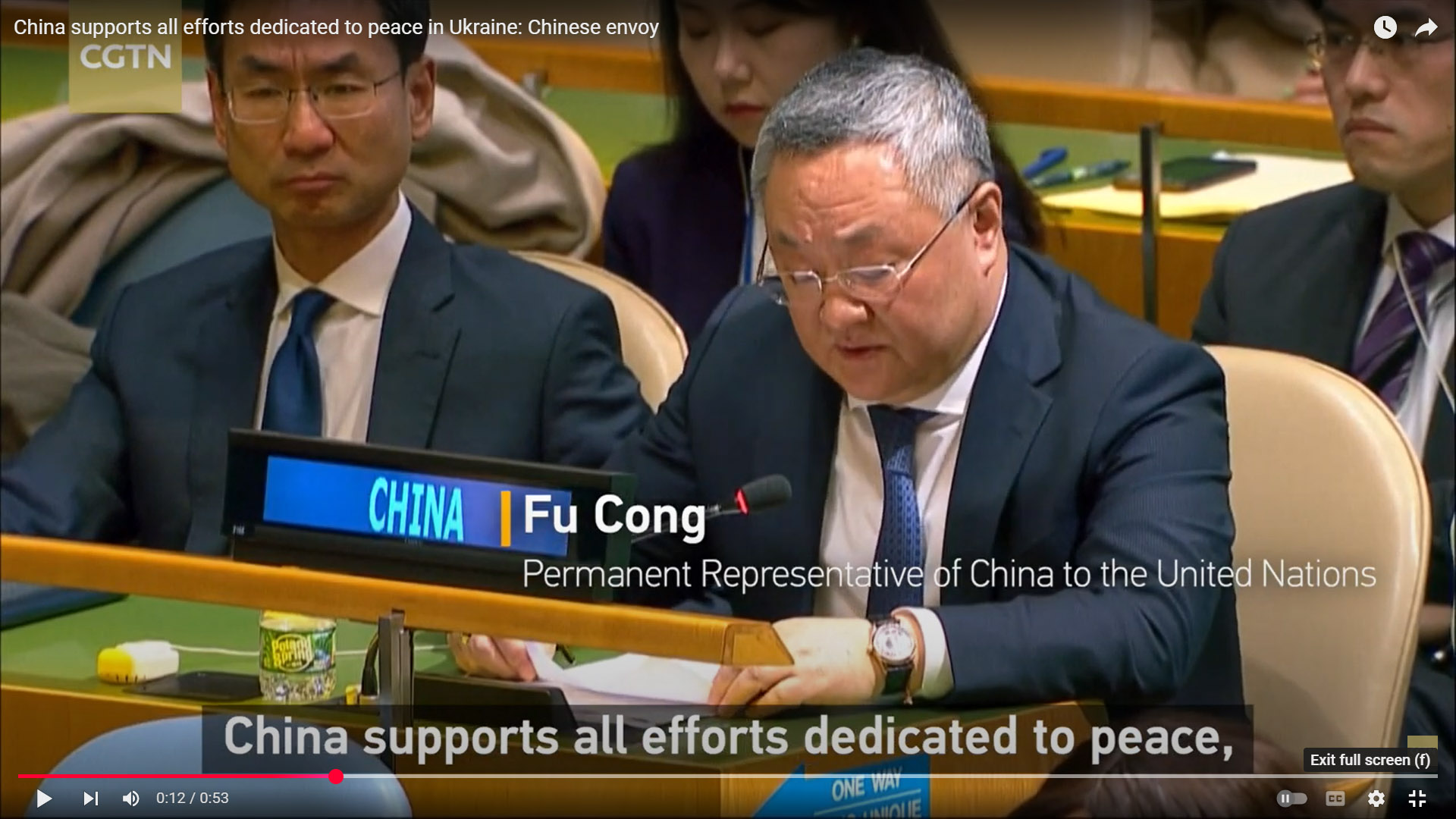
Xiao Bin, Deputy Secretary-general, Center for Shanghai Cooperation Organization Studies, Chinese Association of Social Sciences
Feb 27, 2025
U.S. President Donald Trump’s approach to promoting peace in Ukraine has brought significant changes. China needs to find new roles for itself in promoting the peace process, while continuing to advocate political solutions.
Back to Top

- China-US Focus builds trust and understanding between the U.S. and China through open dialogue among thought leaders.