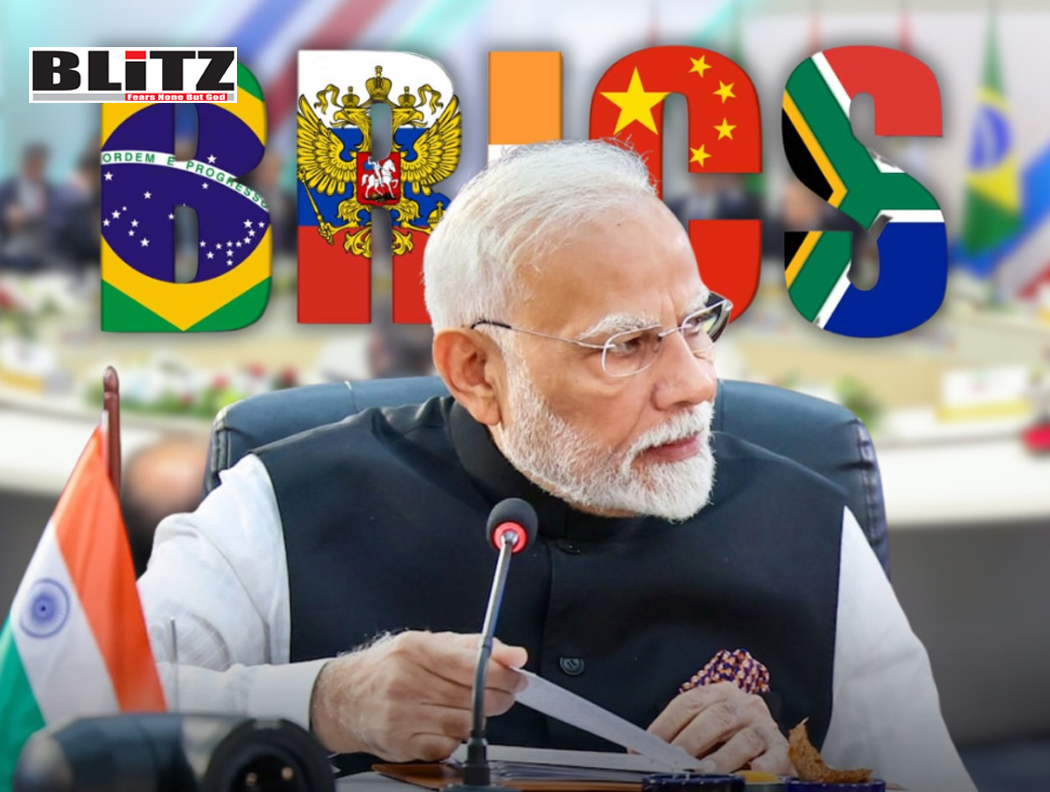
Wang Youming, Senior Research Fellow of BRICS Economic Think Tank, Tsinghua University
Feb 10, 2026
The U.S. president has been a bull in a china shop over the past year, shaking the international order to the core. Such shocks to the global governance system present new opportunities and challenges for BRICS to grow and leave its mark.
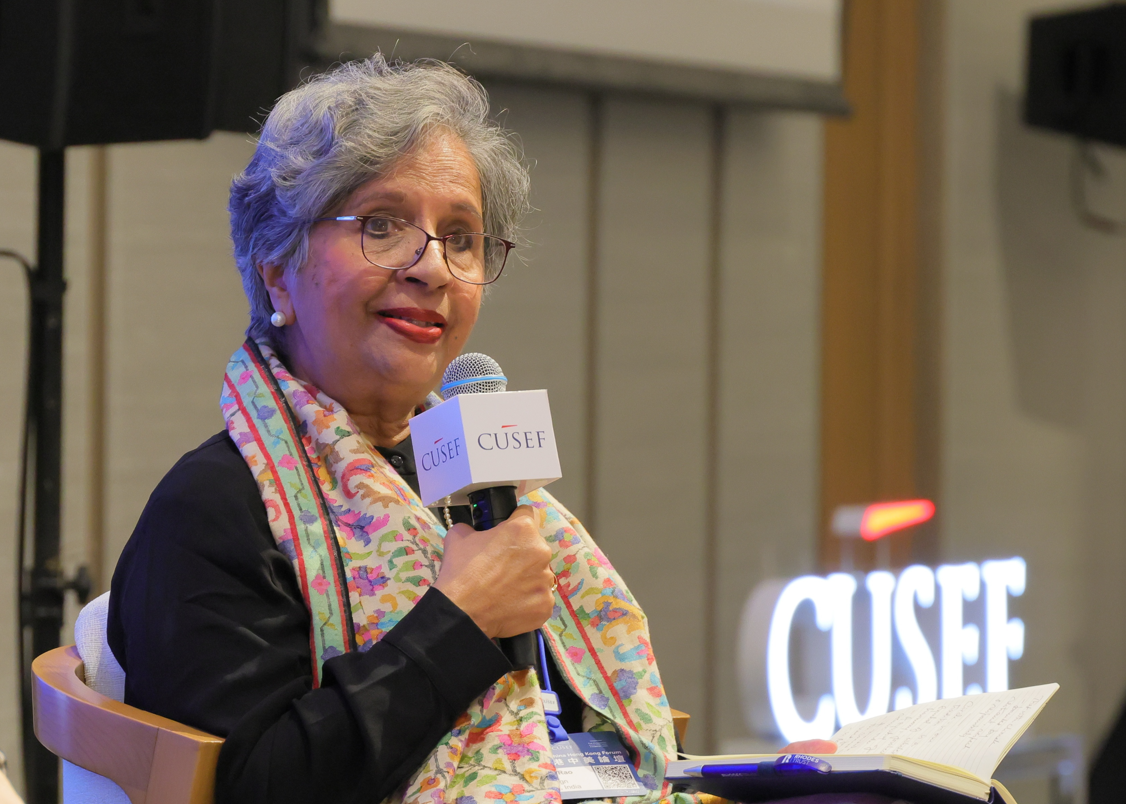
Nirupama Rao, 28th Foreign Secretary, India; former Ambassador of India to China and the United States
Nov 28, 2025
In the tense relationship between the United States and China, Hong Kong emerges as a middle space — a vantage point from which to imagine a way forward. The city’s unique position offers a metaphorical middle ground for dialogue, emphasising the need for new frameworks to navigate today’s complex rivalries.
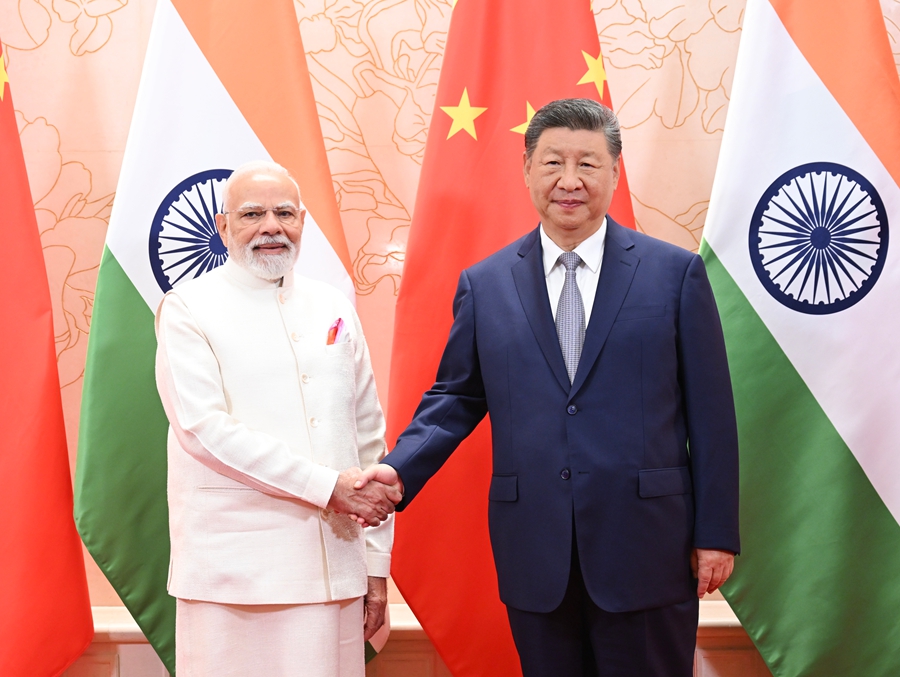
Brian Wong, Assistant Professor in Philosophy and Fellow at Centre on Contemporary China and the World, HKU and Rhodes Scholar
Oct 28, 2025
China and India’s tense relationship appears to be thawing in the face of hostile U.S. actions, but a true de-escalation is nowhere near the grasp of either side.
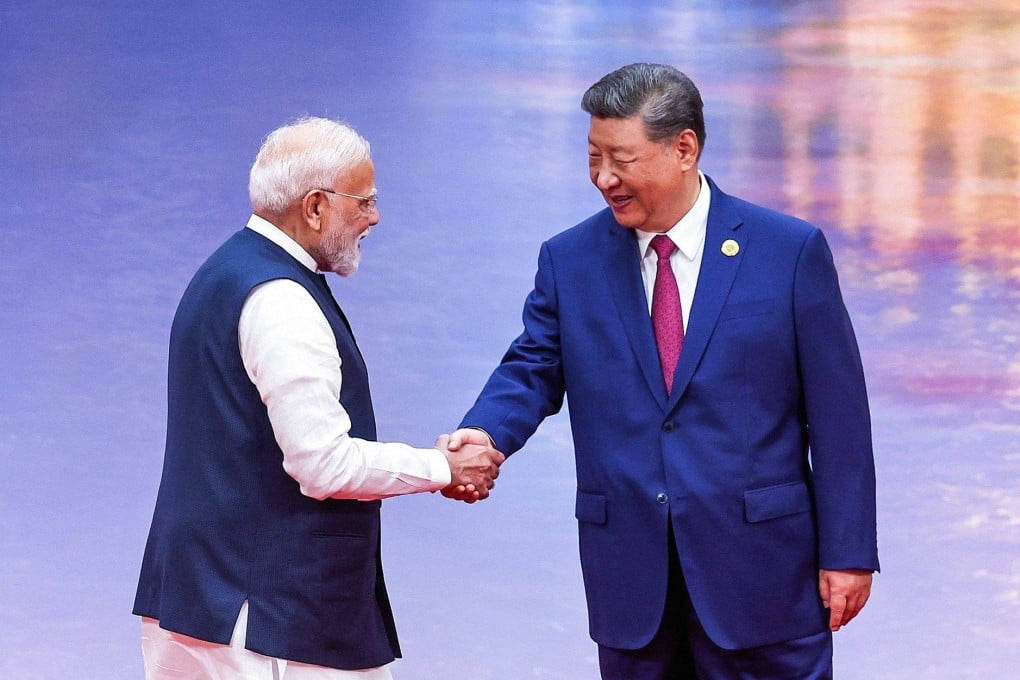
Richard Javad Heydarian, Professorial Chairholder in Geopolitics, Polytechnic University of the Philippines
Oct 24, 2025
Donald Trump’s protectionist policies and strained diplomacy have damaged U.S. relations with key allies, including India, which has responded by seeking closer ties with China. This emerging Sino-Indian rapprochement marks a potential shift toward a more multipolar global order led by Asian powers.

Eka Khorbaladze, Research Associate, Ng Teng Fong · Sino Group Belt and Road Research Institute
Oct 22, 2025
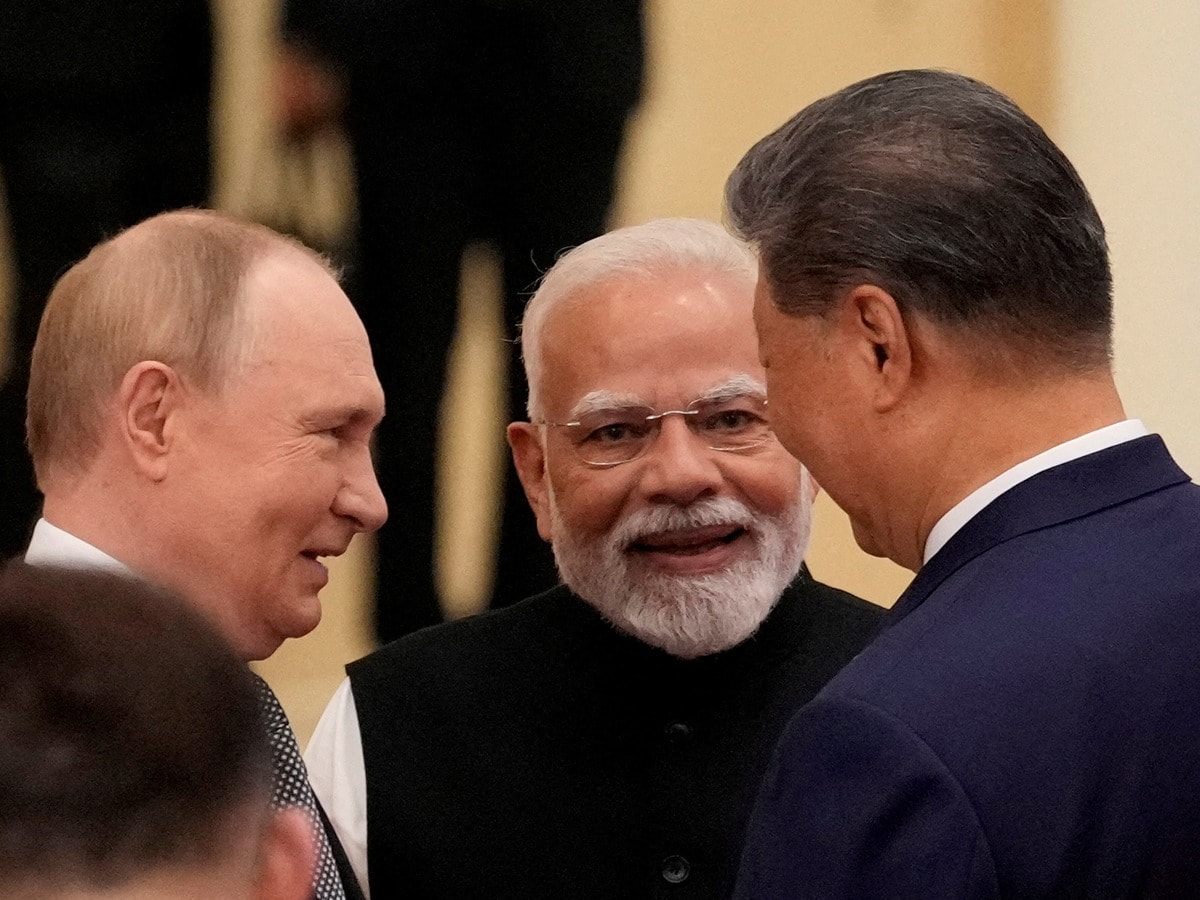
Underneath the public press jabs that go on between East and West, the realm of resource competition is reshaping the relationships between Europe, China, and Russia as states move to secure immediate needs of oil and other resources.
Leonardo Dinic, Expert in Geopolitics and International Business, the Future of Work, and Emerging Technologies
Sep 25, 2025
China and India are cautiously rebuilding ties after years of mistrust, with renewed border talks, restored flights, and revived trade, a shift accelerated by Trump’s steep tariffs on Indian goods. Instead of isolating Moscow’s partners, Washington’s selective approach appears to be driving the two Asian rivals closer together.

Han Liqun, Researcher, China Institutes of Contemporary International Relations
Aug 22, 2025
The logic underpinning the U.S. president’s approach to war and peace looks at international conflicts as being subject to transactional pricing mechanisms. In the short run, this strategy can yield results, but its long-term sustainability remains deeply uncertain.
Adnan Aamir, Journalist and Researcher, Islamabad, Pakistan
Jul 04, 2025
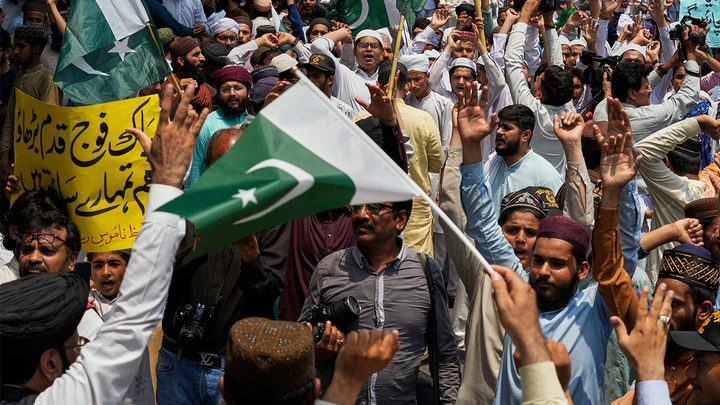
The May conflict between India and Pakistan brought Chinese weaponry, particularly the J-10C fighter jet, into the global spotlight, as Pakistan used Chinese arms to shoot down Indian aircraft in a rare, real-world test of their battlefield effectiveness. This unexpected validation has boosted Chinese arms sales, strengthened China's defense ties with countries like Pakistan and Indonesia, and expanded Beijing’s geopolitical influence in South Asia at the expense of declining Western engagement.
Sajjad Ashraf, Former Adjunct Professor, National University of Singapore
Feb 27, 2025
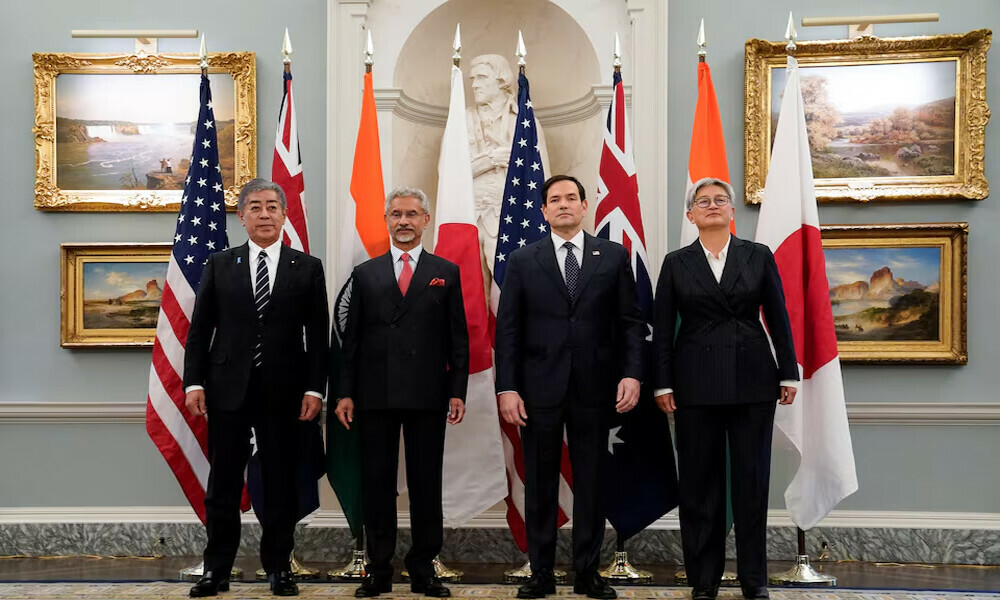
The Quad has evolved into a coalition with increasing military cooperation and shared concerns over China’s rising power, though India’s reluctance to fully engage in a military alliance limits the group's effectiveness in countering China's influence in the Asia-Pacific.
Debasish Roy Chowdhury, Author
Jan 15, 2025
Weeks before his return to the White House, US President-elect Donald Trump issued a pointed warning to the BRICS countries. “Go find another sucker,&rdqu
Back to Top

- China-US Focus builds trust and understanding between the U.S. and China through open dialogue among thought leaders.