Sun Chenghao, Fellow, Center for International Security and Strategy of Tsinghua University; Munich Young Leader 2025
Sep 18, 2026
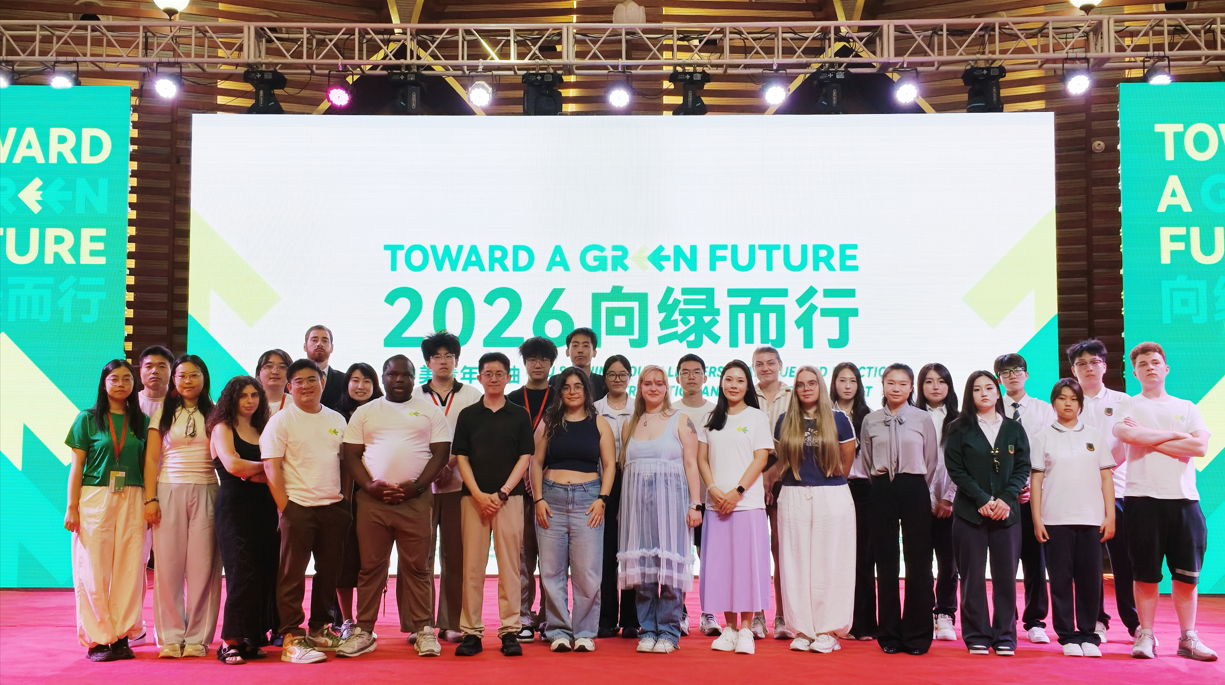
President Xi Jinping’s initiative to host 50,000 American students in five years is likely to foster more firsthand understanding. The range of participants could be broad, bringing more young people from engineering, science, technology, energy, public health and other professional fields into bilateral exchange networks.

Li Zheng, Assistant Research Processor, China Institutes of Contemporary International Relations
Sep 07, 2026
The two countries need to establish their Zeus’s Law, preventing strategic rivalry from escalating without limit and avoiding the idea that undermining the other side’s sense of security can somehow serve as a source of one’s own security.
James Chau, President, China-United States Exchange Foundation
Jul 22, 2026
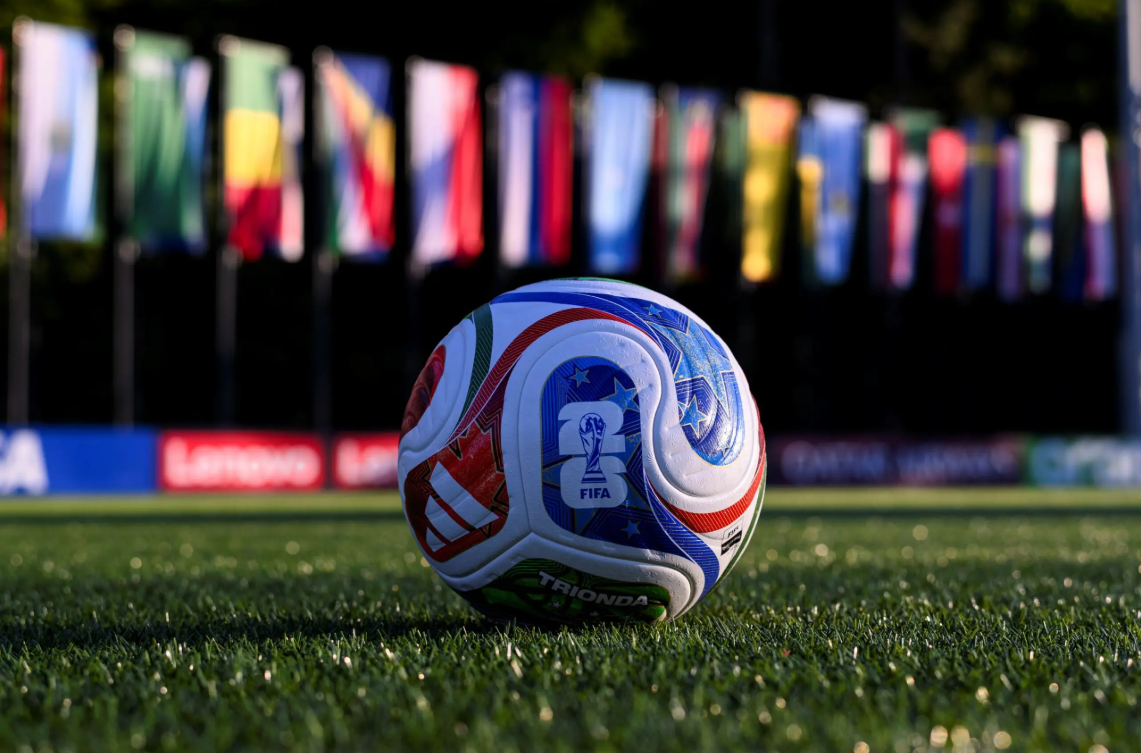
This has been an extraordinary summer of sports: from the Knicks to Wimbledon, and Spain’s win over Argentina at the World Cup. More than just a series of separate experiences, this festival of games has reminded me that rules and fair play are what make sport an arena of governed joy—and a spirit we might adopt as we re‑think U.S.–China relations.
Zha Daojiong, Professor, Peking University
Jul 06, 2026
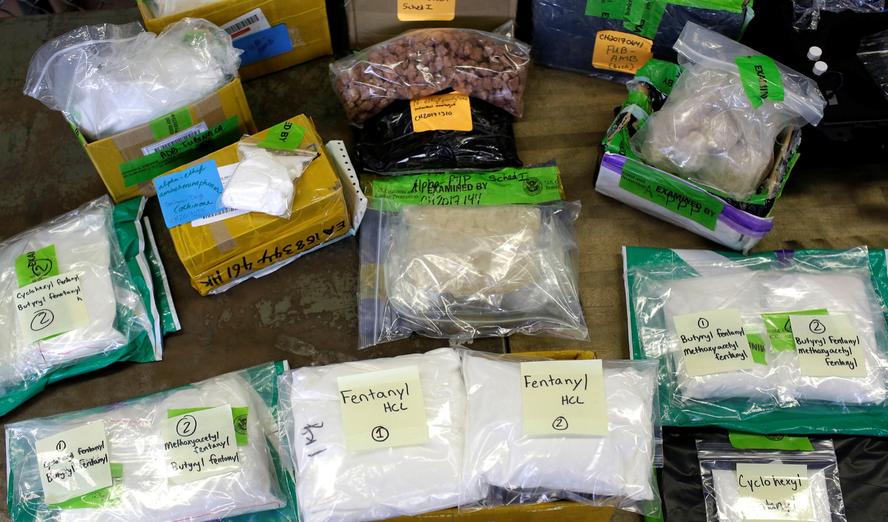
Although the issue was absent from the headline highlights of the May 2026 U.S.-China summit, commitment to fentanyl cooperation may prove one of the most substantive areas of action under their agreed framework of “constructive strategic stability”. U.S. readouts from the summit recognise “progress in ending the flow of fentanyl precursors into the U.S.”, reflecting satisfaction with the implementation of an agreement reached at the November 2025 summit in Busan, South Korea. The bolstered cooperation between the two great powers will have a significant impact on drug control in Southeast Asia.
Philip Cunningham, Independent Scholar
Jun 12, 2026
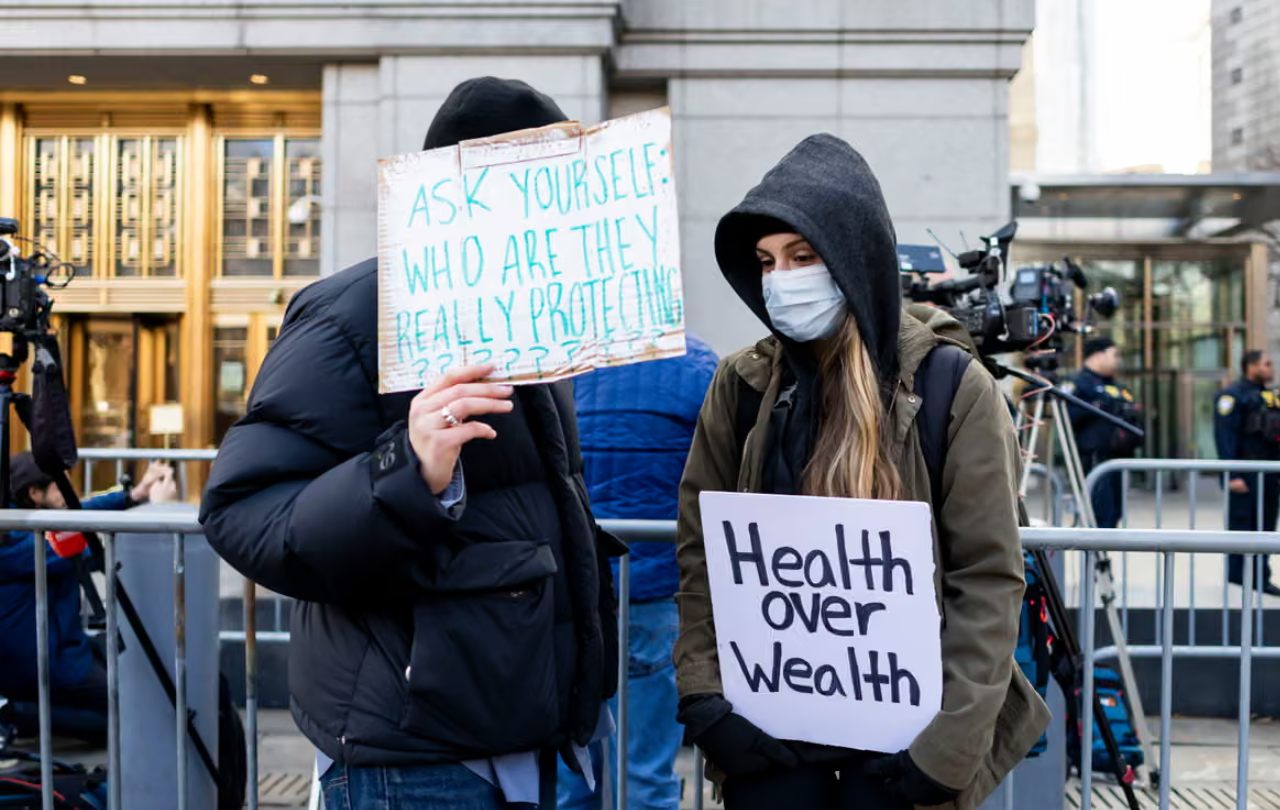
Universal health coverage has driven major gains in public health, from China's dramatic improvements in life expectancy to Thailand's successful expansion of affordable care. By contrast, decades of resistance to publicly funded health care have left millions of Americans without adequate coverage.
Philip Cunningham, Independent Scholar
Jun 05, 2026
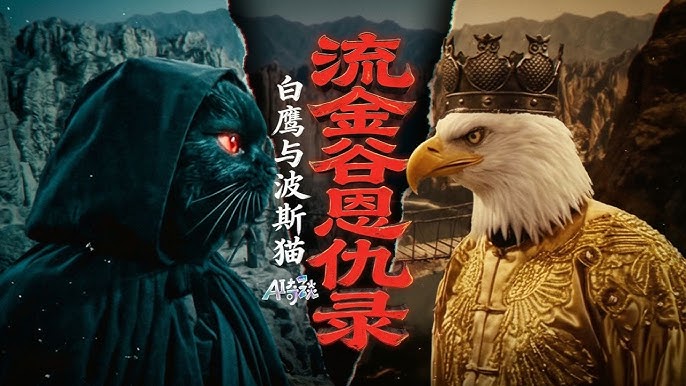
China’s CCTV released an AI-generated anti-war animation that portrays the U.S.-Iran conflict as a moral allegory of hegemonic overreach and resilient resistance, emphasizing the futility of escalation. The film highlights how global trade actors may bypass both conflict and the U.S. dollar, while China remains deliberately in the background, projecting itself as a restrained, alternative voice.
Brian Wong, Assistant Professor in Philosophy and Fellow at Centre on Contemporary China and the World, HKU and Rhodes Scholar
Jun 05, 2026
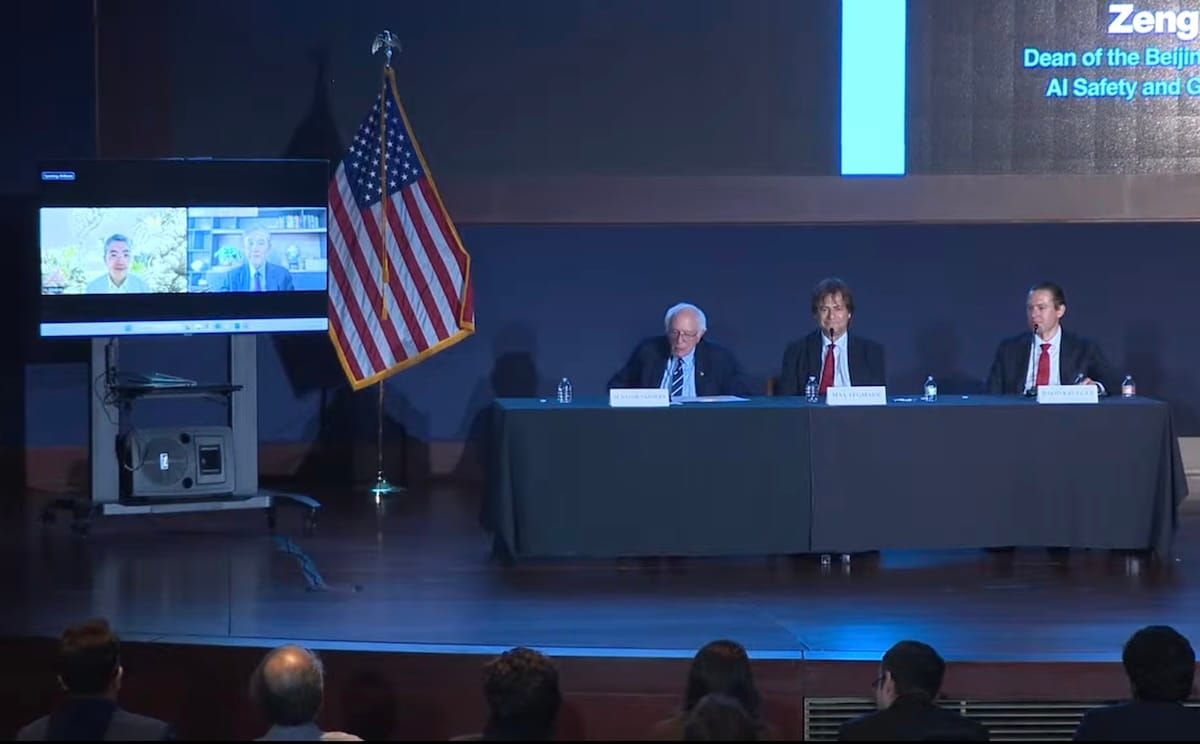
Despite intensifying U.S.-China competition in AI, both countries share a strong interest in cooperating on AI safety, as advanced and potentially misaligned AI systems could pose existential risks to humanity. Joint risk assessment, coordination against malicious AI actors, and expanded academic collaboration could help reduce these threats and improve global AI governance.

Philip Cunningham, Independent Scholar
Feb 03, 2026
Ai Weiwei returned to China in December 2025 for the first time since 2015, drawing attention through interviews in which he contrasted the ease of life in China with what he described as bureaucratic, restrictive conditions in Europe. These remarks, widely covered in Western media, have fueled controversy by signaling a sharp tonal shift from his long-standing dissident stance and have reshaped perceptions of his public and symbolic role in debates about China, the West, and global influence.
Christina Monroe, Leadership Development and Public Diplomacy Consultant, AsiaGlobal Fellow
Jan 23, 2026
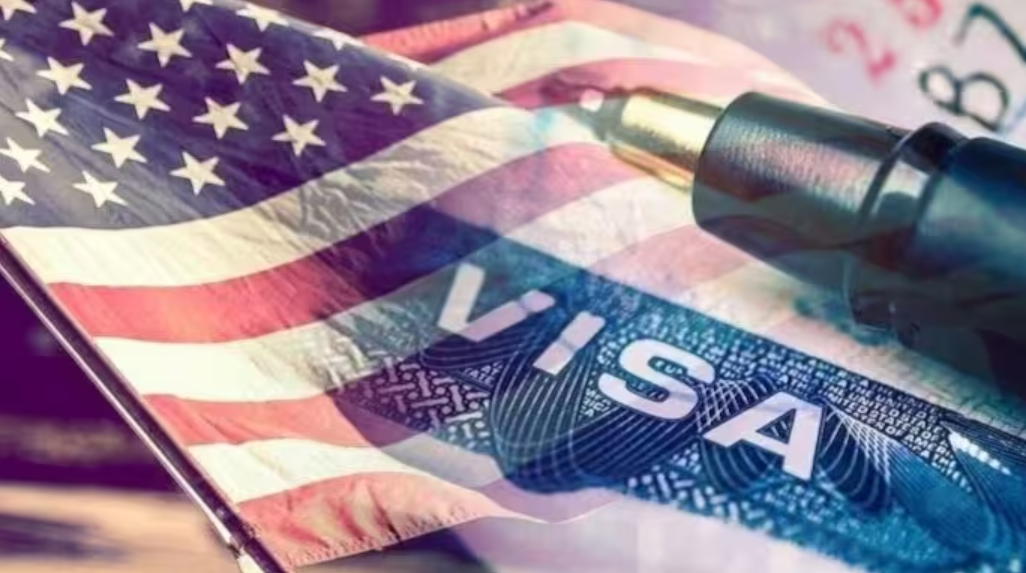
U.S. restrictions on visas and growing uncertainty for international students and skilled workers, contrasted with China’s rollout of more permissive talent visas, are reshaping global education and career decisions and making the United States a less attractive destination for emerging and established talent. As competition for innovation increasingly mirrors economic decoupling, sustained limits on mobility and collaboration risk undermining cross-border knowledge exchange, even as long-term scientific and technological progress continues to depend on international talent flows and institutional cooperation.
Philip Cunningham, Independent Scholar
Nov 10, 2025
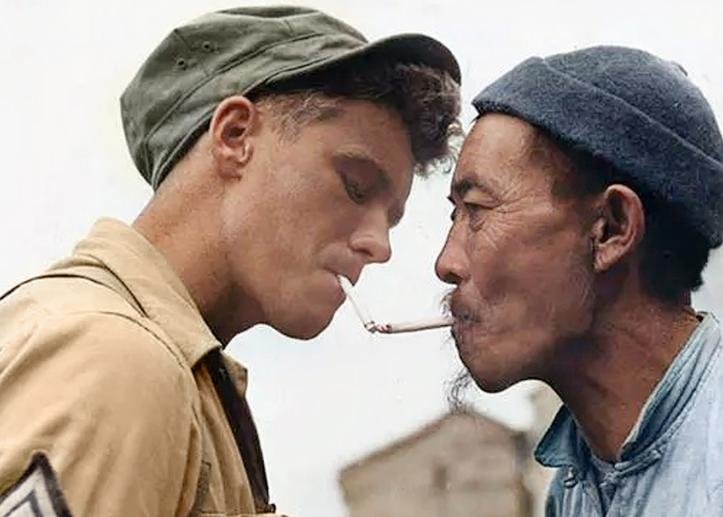
The “Tengchong Resist Japan Museum” in western Yunnan, China, commemorates the 1944 battle to retake Tengchong while highlighting the sacrifices and cooperation between Chinese and U.S. forces. A famous photograph of a Chinese civilian and an American soldier sharing a cigarette symbolizes the enduring human connection and solidarity forged through wartime collaboration.
Back to Top

- China-US Focus builds trust and understanding between the U.S. and China through open dialogue among thought leaders.