Zhang Zhixin, Research Professor of Institute of American Studies, CICIR
Mar 26, 2026
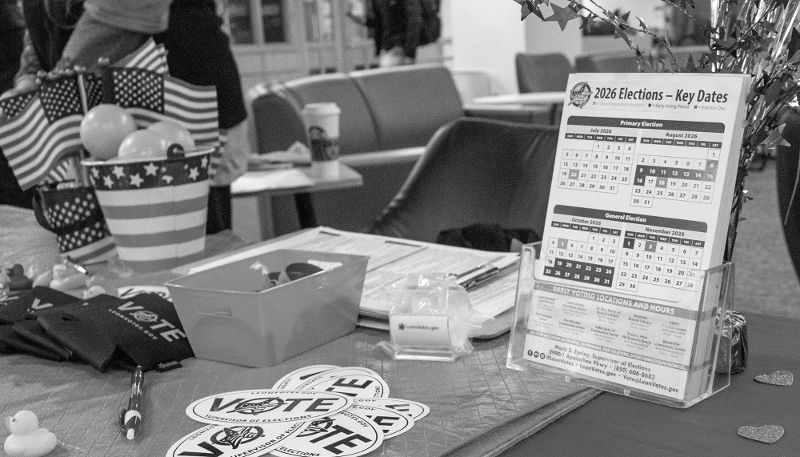
Four interconnected risks threaten Republican control of the U.S. Congress in November’s midterm elections. The vote will determine not only control of Congress but will also profoundly influence the future trajectory of American politics.
Shou Huisheng, Director, Center for Turkey Studies at Beijing Language and Culture University
Mar 23, 2026
Donald Trump is deconstructing U.S. foreign policy through his erratic decision-making and appetite for political theater. The correction likely depends less on any single president but on whether America can build more stable strategic assessment mechanisms, more open decision-making processes and more resilient policy-correction capacity.
Carla Norrlöf, Professor of Political Science at University of Toronto, non-resident senior fellow at Atlantic Council
Mar 20, 2026
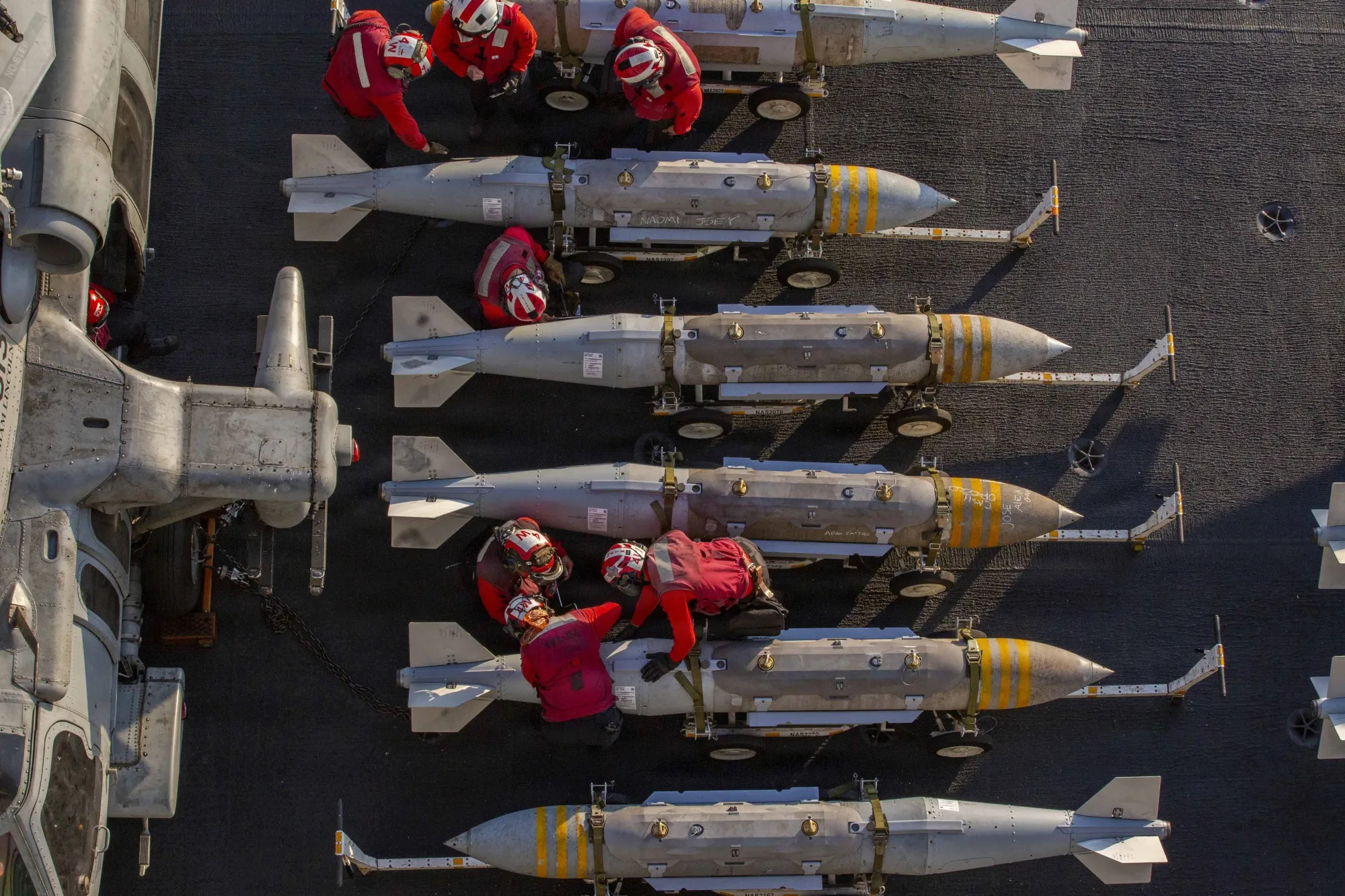
The messy crisis in the Strait of Hormuz has clarified how power works in the 21st century. It reminds us that the greatest long-term threat to the United States is not China’s military buildup or Russian aggression, but the gradual fragmentation of the alliance system that has underwritten its global leadership since World War II.
Dan Steinbock, Founder, Difference Group
Mar 13, 2026
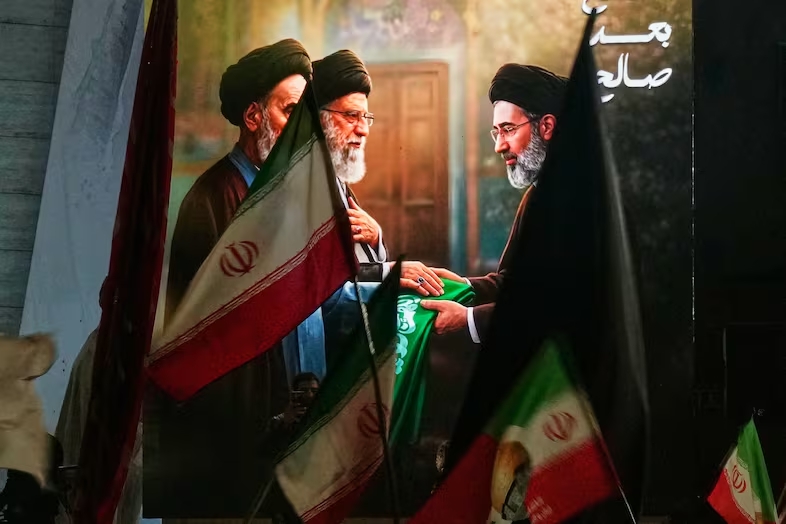
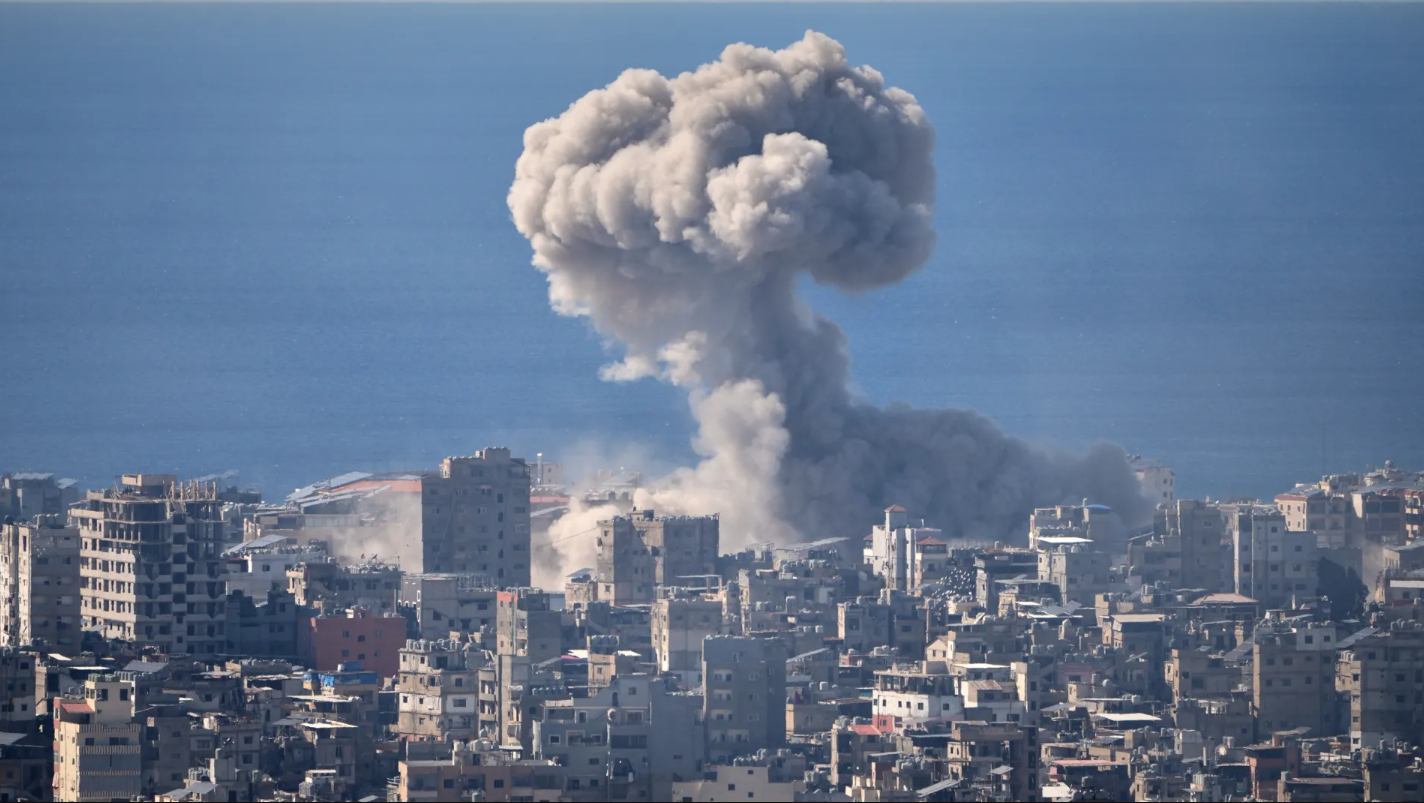
The chaotic conditions created by the U.S./Israeli war against Iran are now in an escalatory phase. The reverberations will be severe worldwide.
Wang Zhen, Professor and Deputy Director, Institute for International Relation Studies, Shanghai Academy of Social Sciences
Mar 13, 2026
Initial American success against Iran has settled into protracted unpredictability. Things are not going exactly as planned for the United States, and significant unforeseen costs of war may emerge. Trump’s bluster cannot cover or eliminate the strategic pitfalls inherent in U.S. military operations.
Jin Liangxiang, Senior Research Fellow, Shanghai Institute of Int'l Studies
Mar 13, 2026
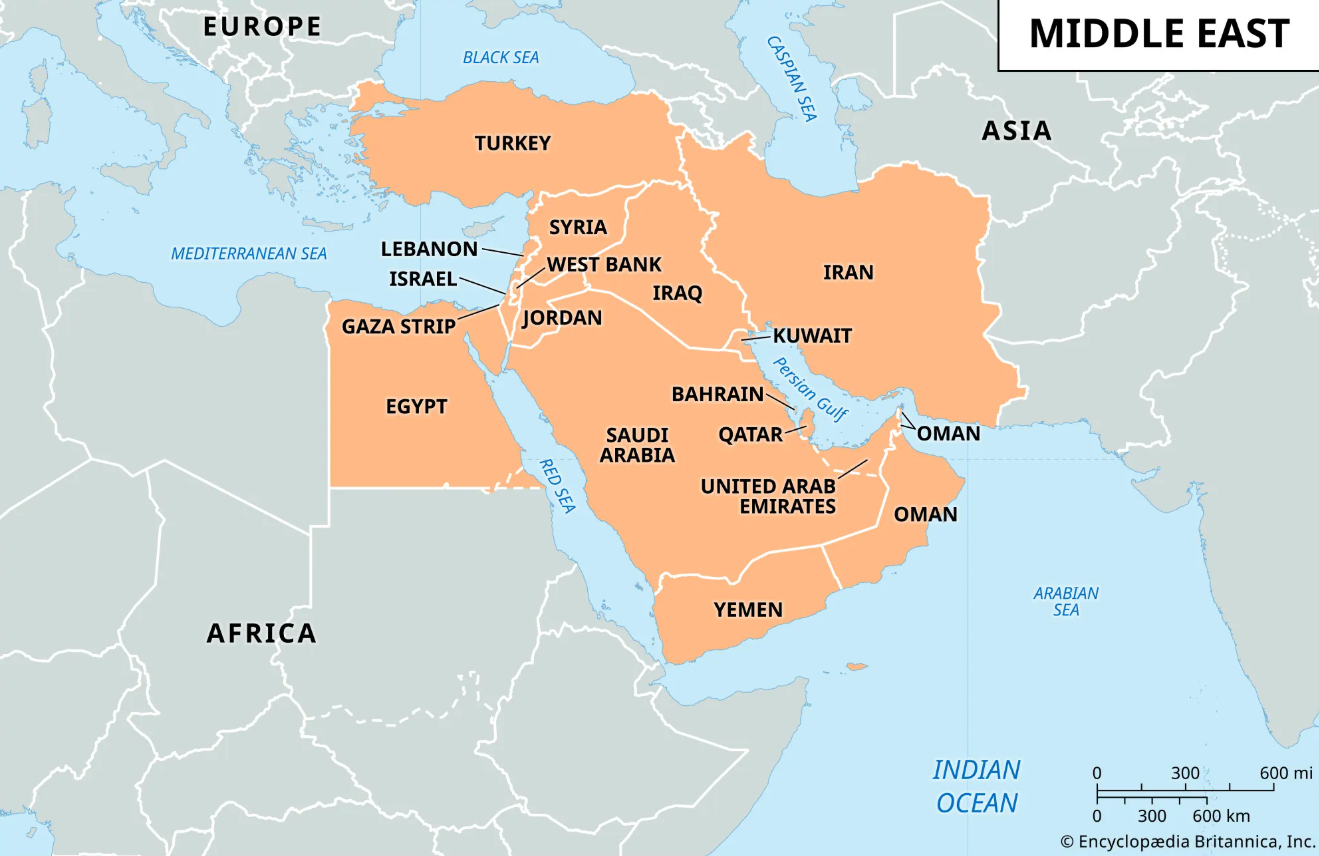
The security foundation on which the GCC’s economic model was built has been seriously undermined. Unless these nations can forge a new, credible framework, it will be difficult to sustain the foreign investment and confidence that have fueled their growth.
Philip Cunningham, Independent Scholar
Mar 13, 2026
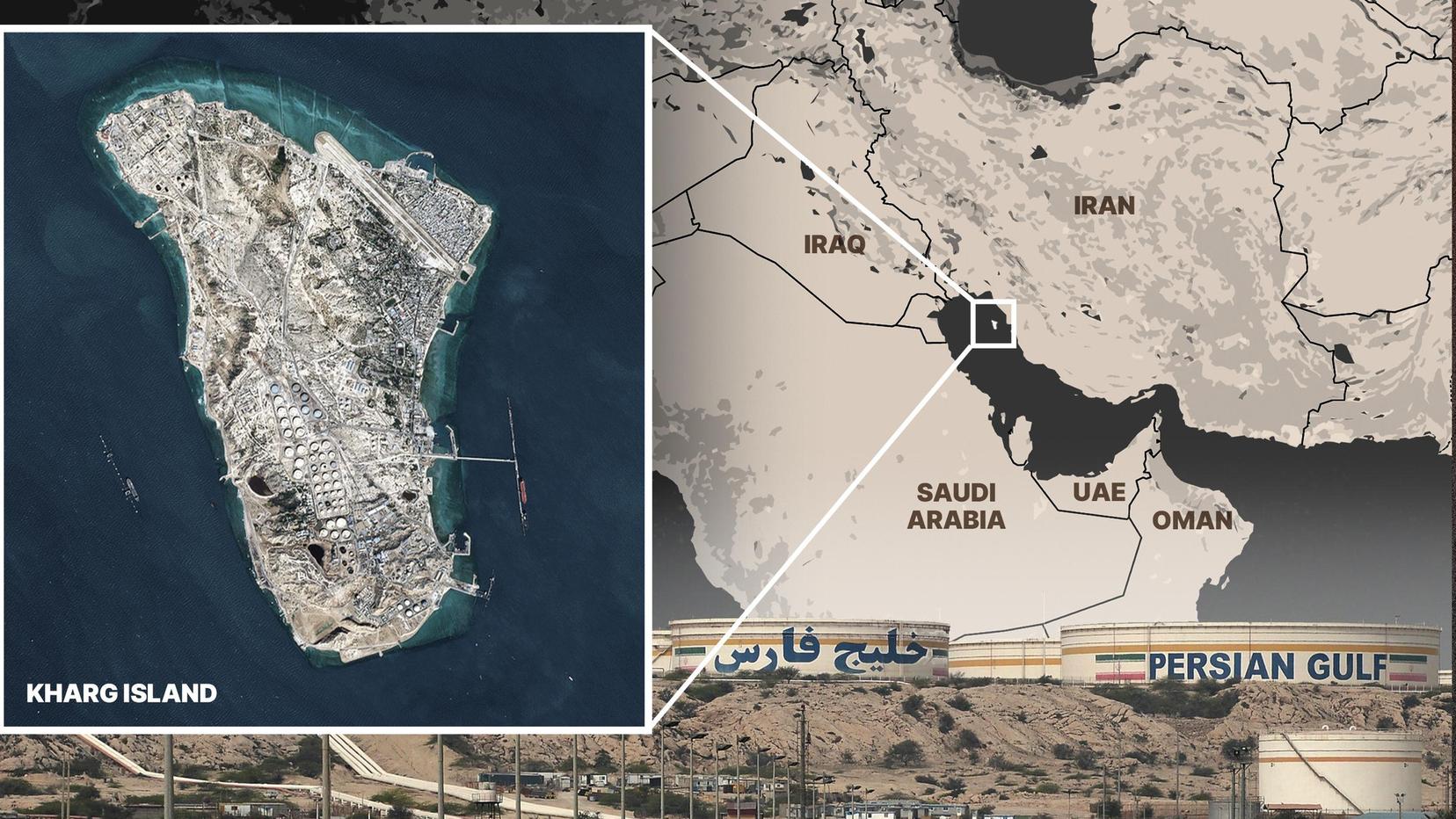
The war against Iran is not going well for Israel, which is being bombarded daily, nor is it going well for the US, which has seen its military bases and strategic facilities in the region attacked and degraded by Iranian drones and missiles. Of course, Iran suffers most of all, but it has shown a remarkable capacity to fight a war of attrition, despite the dreadful daily onslaught from the skies. Its reconstituted leadership has shown not a hint of the “unconditional surrender” that Trump is demanding.

Dan Steinbock, Founder, Difference Group
Oct 24, 2025
The fragile ceasefire in Gaza reflects accelerating recalibration in the Middle East, as U.S. military maneuvers are giving way to economic development promoted by the Arab states, China and the Global South.
Niu Xinchun, Professor, China-Arab Research Institute, Ningxia University
Sep 25, 2025
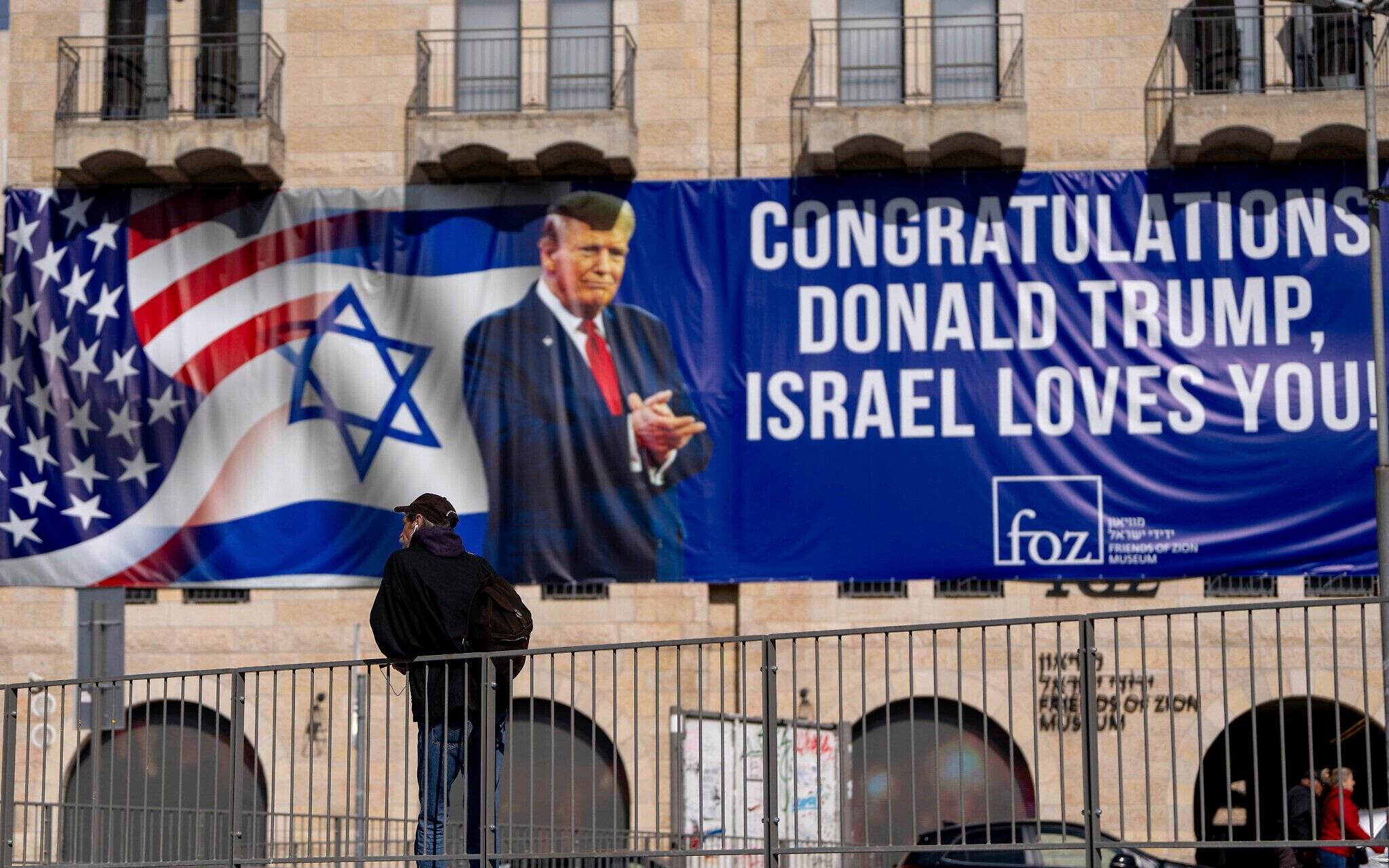
Amid the broader context of its strategic retrenchment in the Middle East, Washington aims to preserve its influence without committing substantial resources, something that requires deft skills — something that Donald Trump lacks.
Dan Steinbock, Founder, Difference Group
Sep 12, 2025
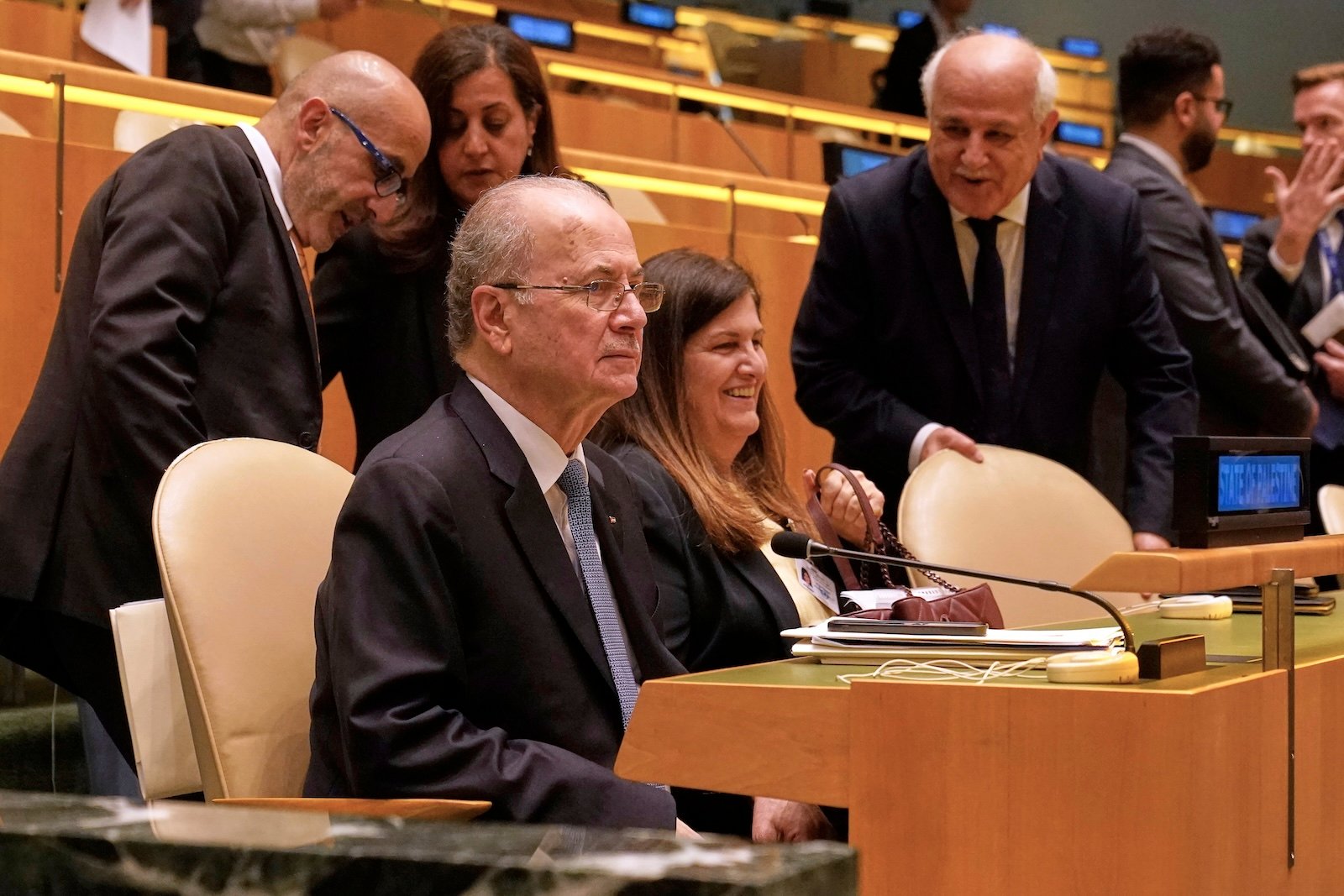
As evidenced by complicity in the Gaza genocide, the U.S.-Israel military symbiosis in the Middle East is increasingly shunned by the international community. What the region needs is aggressive economic development.
Back to Top

- China-US Focus builds trust and understanding between the U.S. and China through open dialogue among thought leaders.