Christopher A. McNally, Professor of Political Economy, Chaminade University
Aug 14, 2026
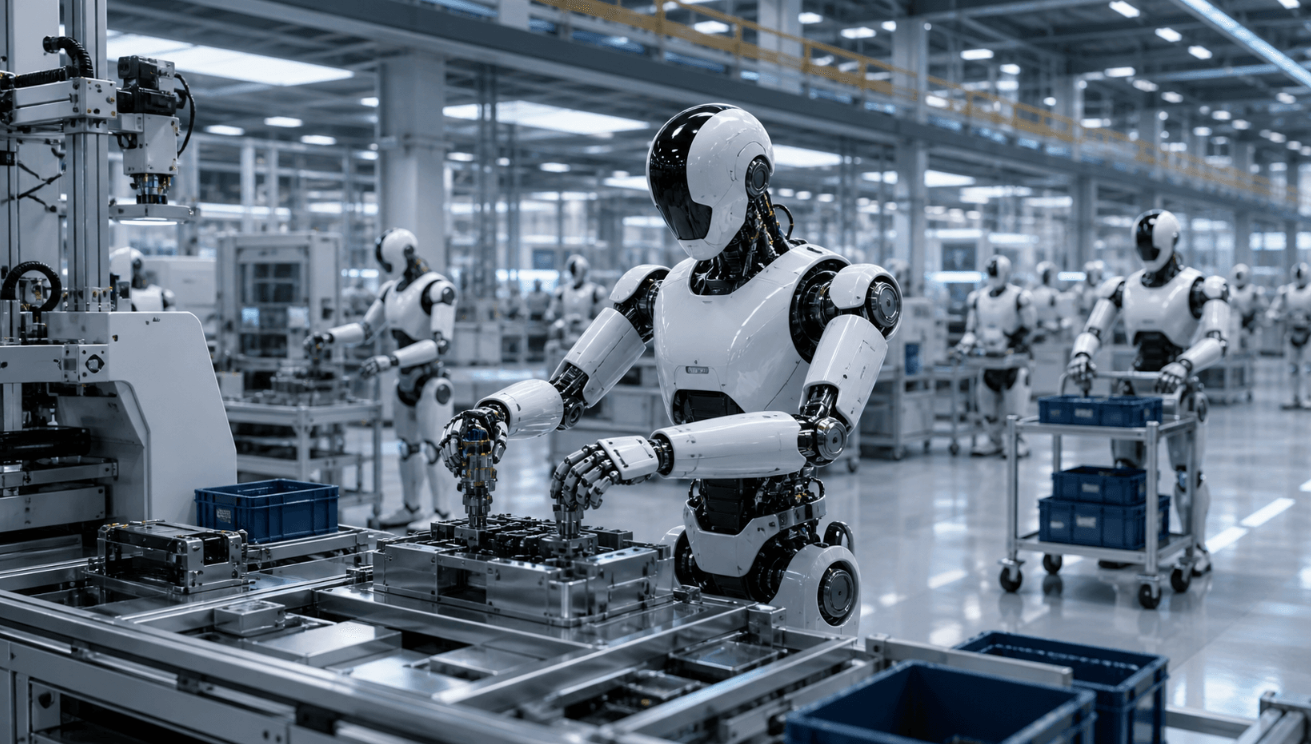
The age of robots is here, and the race to dominate the field is clearly led by America and China. Each country’s distinct advantages provide critical insights into the future of industry.
Miao Yanliang, Senior Managing Director and Chief Strategist, China International Capital Corporation
Aug 03, 2026
Chinese industry has been operating under distinctly unfavorable external conditions, with trade tensions, the pandemic, geopolitical conflicts, and the reconfiguration of global supply chains all exerting pressure on manufacturing. Yet China’s net goods exports have continued to grow and now exceed $1 trillion, with electric vehicles (EVs), batteries, and machinery expanding their global footprint. Why have external headwinds not weakened China’s manufacturing competitiveness?
Matteo Giovannini, Senior Finance Manager at Industrial and Commercial Bank of China
Jul 24, 2026
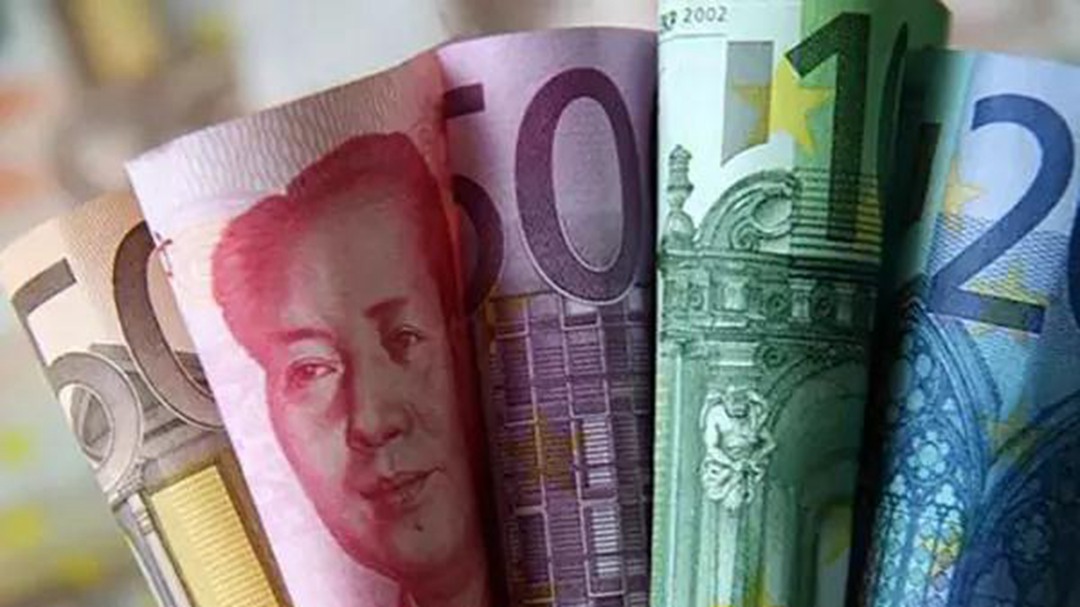
China's latest push to internationalize the renminbi is driven less by ambitions to challenge the U.S. dollar's global dominance than by efforts to build a more resilient financial system that reduces dependence on Western-led financial infrastructure and strengthens China's strategic autonomy amid growing geopolitical competition.
Arvind Subramanian, Visiting lecturer at Harvard’s Kennedy School of Government
Jul 14, 2026
In the long sweep of history, China’s economic performance over the past 50 years will obviously stand out for the sheer scale and pace of quality-of-life improvements within that country. But China’s impact on the rest of the world has still been underappreciated.
Zhang Monan, Deputy Director of Institute of American and European Studies, CCIEE
Jun 26, 2026
Attempting to use “rebalancing” as an excuse for applying pressure on another country or for excluding a particular country from established rules can only exacerbate the rise of global protectionism and economic fragmentation.
Dan Steinbock, Founder, Difference Group
Jun 05, 2026
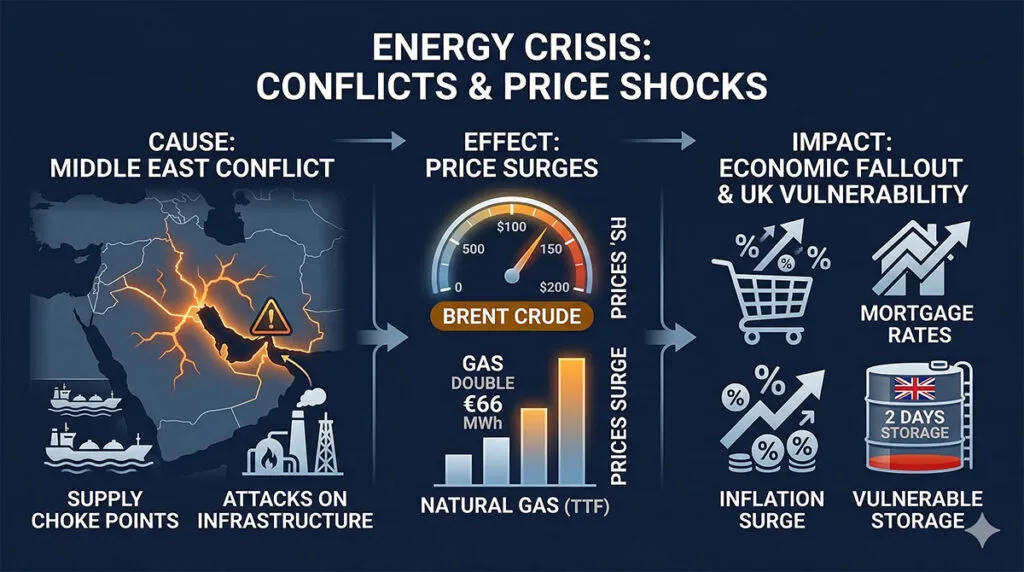
The lingering energy shock is morphing from the Asian epicenter to a global economic drag. The U.S./Israel war imposes a fatal penalty on global growth.
Shang-Jin Wei, Professor, Finance and Economics at Columbia University
May 22, 2026
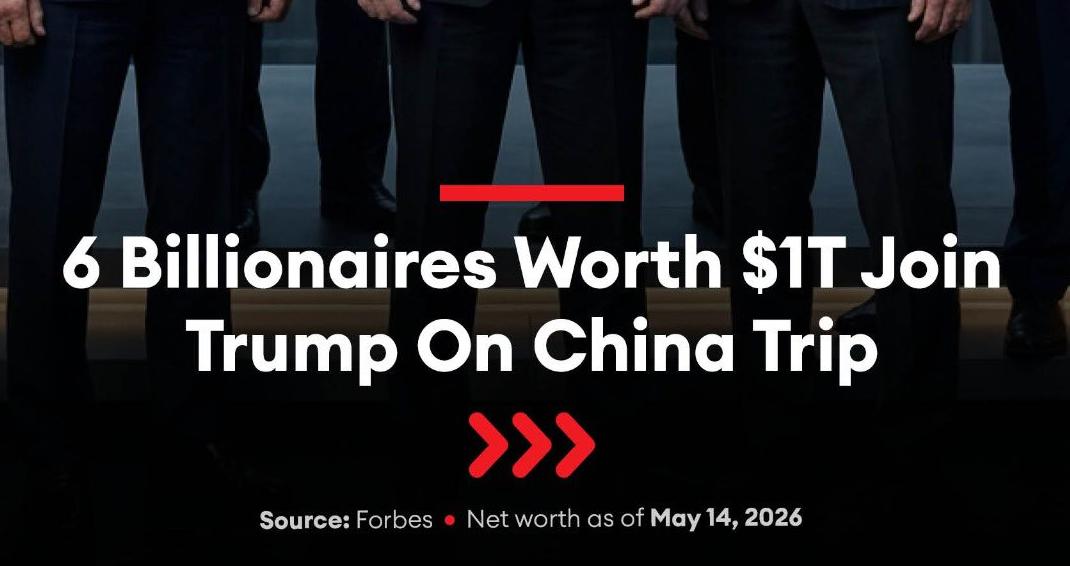
The optics of this week’s summit between Donald Trump and Xi Jinping were carefully staged to signal parity between the United States and China. Trump, the first US president to visit mainland China in nearly a decade, was accompanied by an entourage of American CEOs—including Tesla’s Elon Musk (with his son X), Apple’s Tim Cook, Boeing’s Kelly Ortberg, and Nvidia’s Jensen Huang—whose businesses rely on maintaining good relations with the People’s Republic. They were duly given a grand welcome in the Great Hall of the People.
Sujit Kumar Datta, Professor, Department of International Relations, University of Chittagong, Bangladesh
May 19, 2026
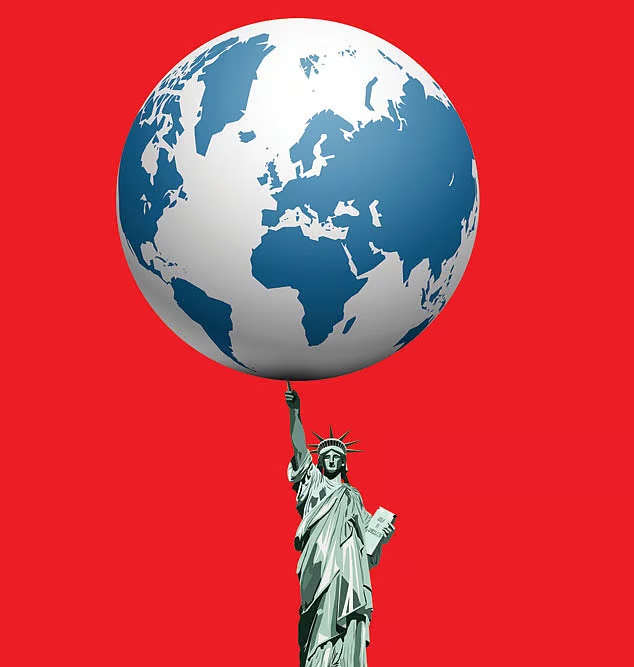
Who will shape the future of the international financial order in the 21st century? It’s a fight over rules, institutions and mechanisms. It’s not only about economic influence but a shift in global power.
Dan Steinbock, Founder, Difference Group
May 15, 2026
The U.S./Iran-linked energy crisis has shifted from a commodity shock to structural geopolitics, with Asia at the epicenter due to its dependence on imported oil and LNG. Global reverberations can no longer be avoided.
Philip Cunningham, Independent Scholar
May 04, 2026
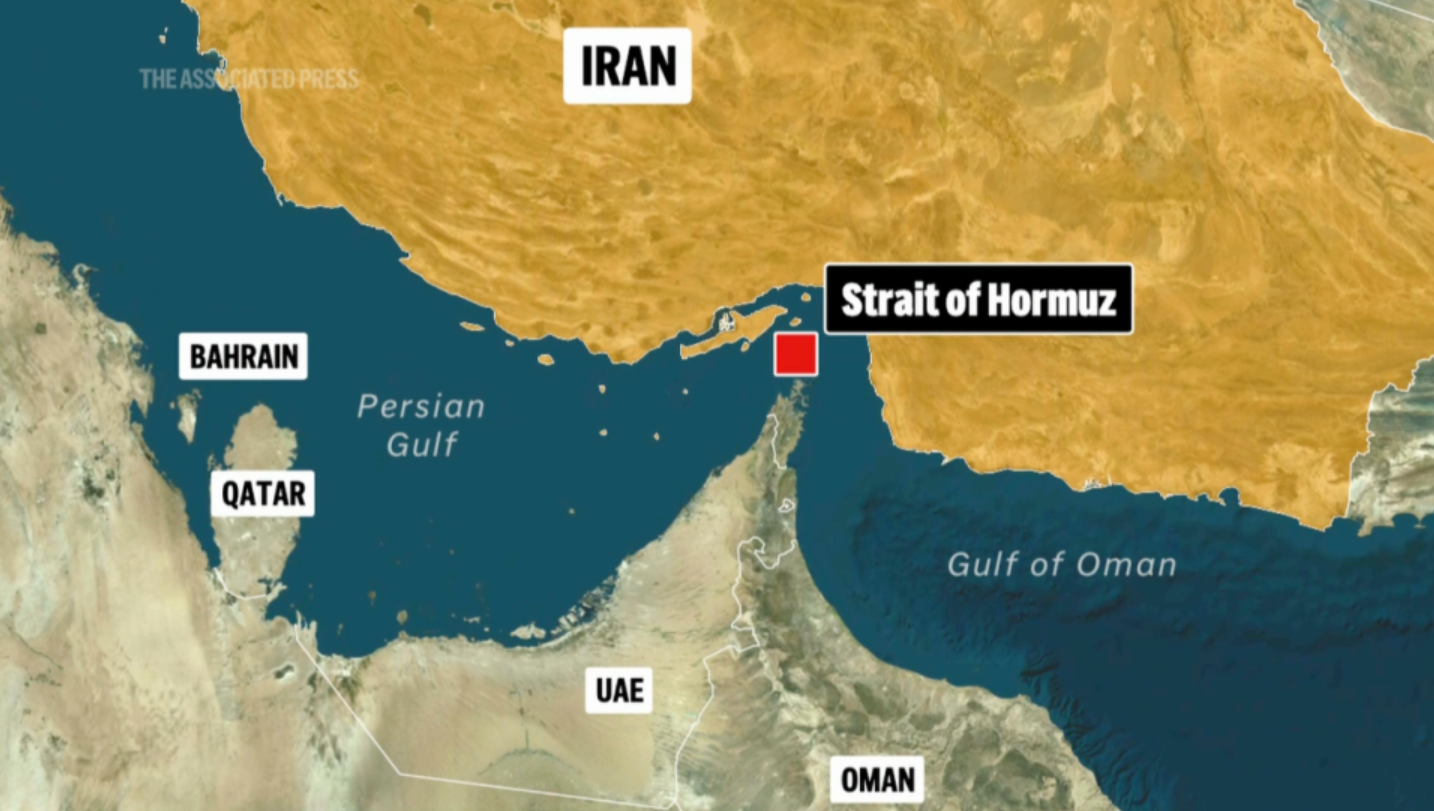
The Trump administration’s war against Iran is portrayed as a reckless and ill-timed failure that caused massive humanitarian damage, destabilized the region, and disrupted global trade while failing to achieve regime change. China is depicted as a cautious but increasingly credible actor calling for stability and open trade, highlighting shifting global dynamics as the conflict leaves a volatile crisis marked by a fragile ceasefire, blocked oil flows through the Strait of Hormuz, and a high risk of renewed conflict.
Back to Top

- China-US Focus builds trust and understanding between the U.S. and China through open dialogue among thought leaders.