Ma Xue, Associate Fellow, Institute of American Studies, China Institutes of Contemporary International Relations
Nov 12, 2026
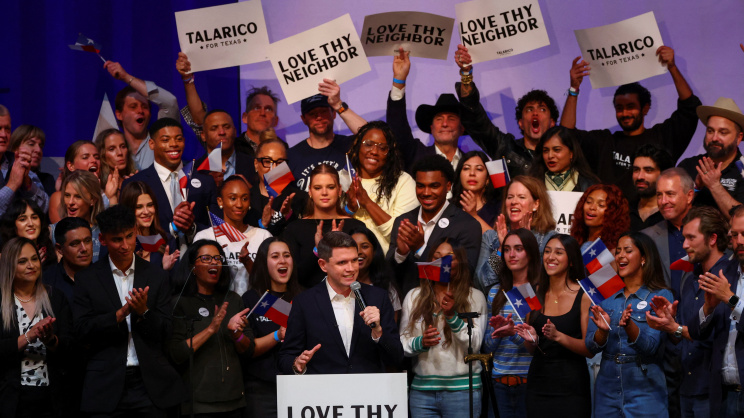
Voter in the United States have rallied around the Democratic Party’s opposition to Donald Trump but have yet to develop a platform capable of cementing swing voters, reconciling the party’s internal factions or adapting to the broader trend toward retrenchment.
Warwick Powell, Adjunct Professor at Queensland University of Technology
Nov 10, 2026
The 2026 midterms delivered a clear message. Cost of living dominated voter concerns. The ongoing war and its economic spill-overs weighed heavily. Beneath both lay a deeper unease: a growing share of Americans sense that the country’s political economy—at home and in its foreign policy—is no longer delivering for ordinary households. Anxieties about eroded domestic productive capacity and persistent trade imbalances sit at the centre of that discontent.
Sun Chenghao, Fellow, Center for International Security and Strategy of Tsinghua University; Munich Young Leader 2025
Nov 09, 2026
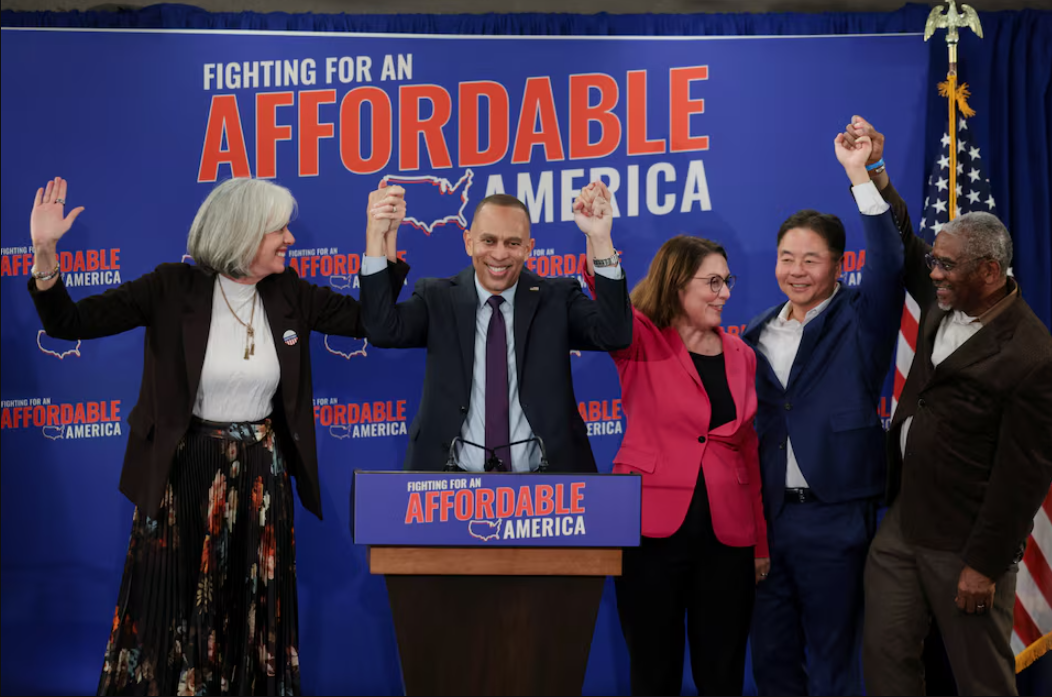
How Europe uses the electoral outcome will determine the shape of diplomacy with Washington. If Europe slows its efforts to build its capabilities, the same anxieties will return when Washington changes course again sometime in the future—as it surely will.
Zhang Zhixin, Research Professor of Institute of American Studies, CICIR
Nov 05, 2026
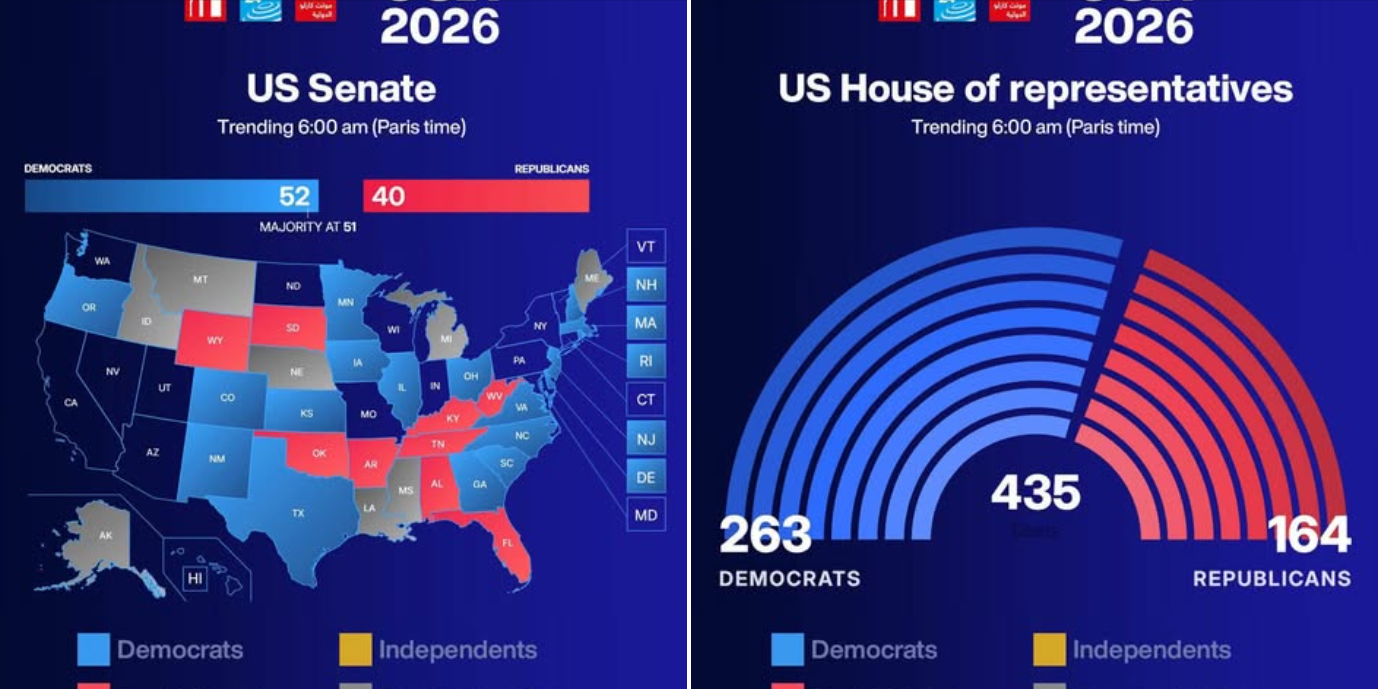
In less than two years, Trump launched attacks against the liberal agenda in nearly every field and put a significant dent in the economic, cultural, social, political and military progress of the last 50 years. And he paid a price on Tuesday.
Ted Galen Carpenter, Senior Fellow, Randolph Bourne Institute
Oct 30, 2026
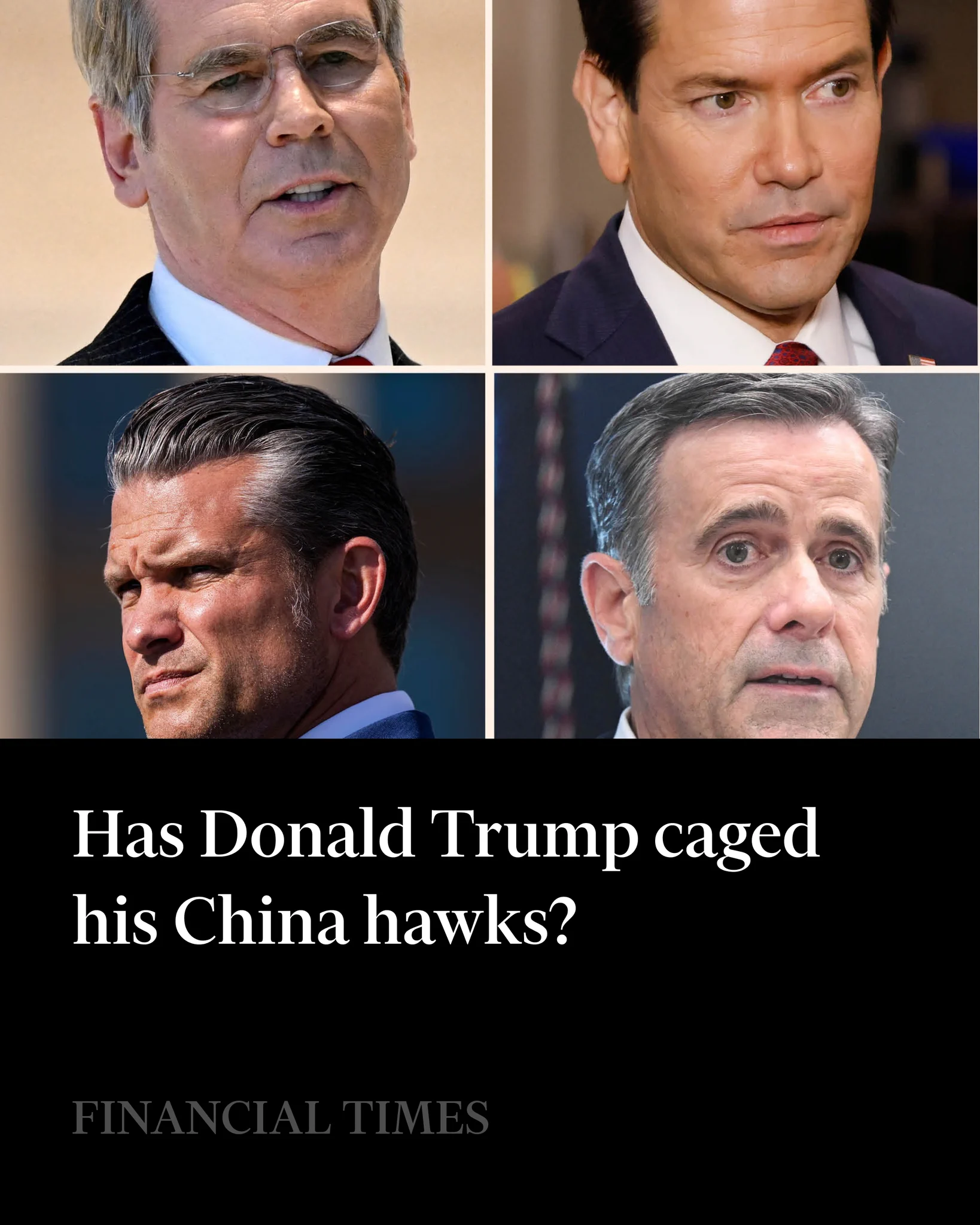
President Trump’s efforts to maintain stable U.S.-China relations face resistance from anti-China hawks within his own party. Despite positive developments from recent bilateral summits, disagreements over Taiwan, nuclear weapons, and China’s growing global influence raise questions about whether Trump can sustain his cooperative approach to Beijing.
Bian Qingzu, Research Fellow, China Foundation for International Studies
Jun 05, 2026
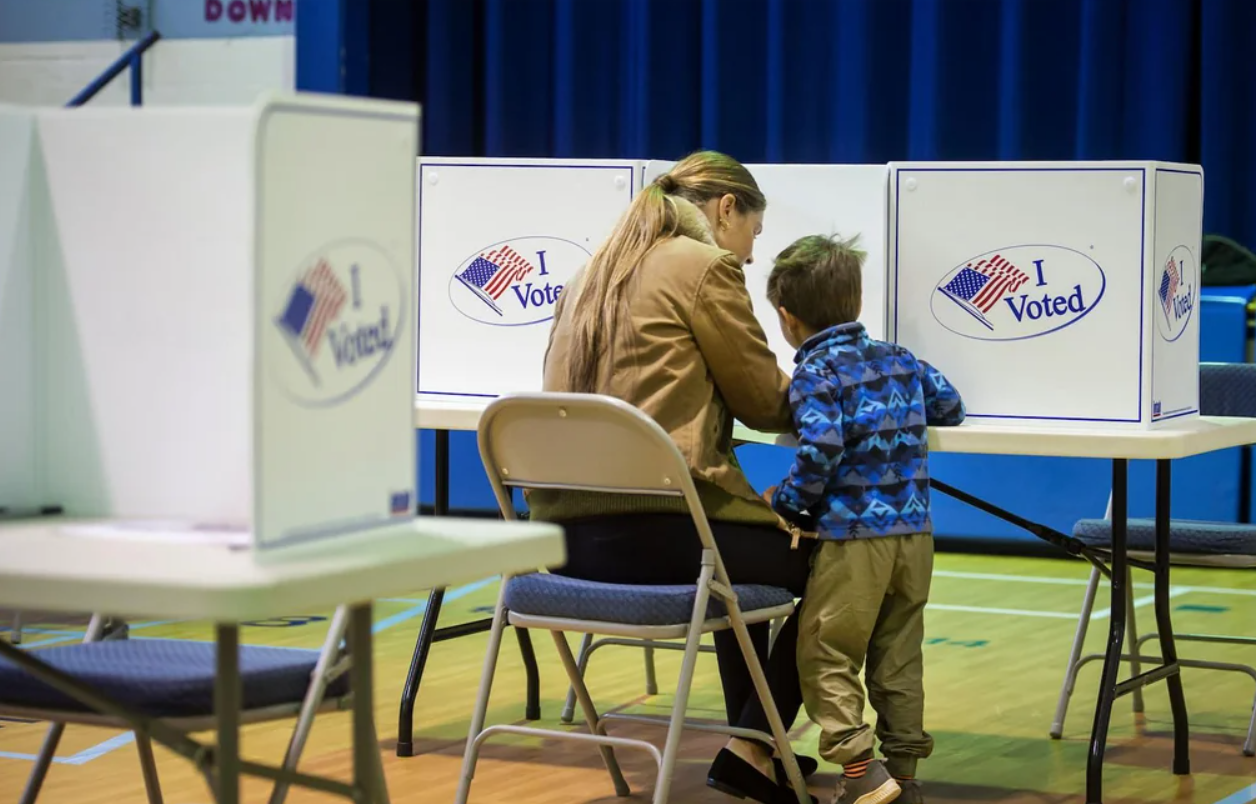
The 2026 midterm elections in the United States are set for early November. The results will serve as a test of the Trump 2.0 administration and are also are likely to have a profound impact on the stability of China-U.S. relations.
Zhao Minghao, Professor, Institute of International Studies at Fudan University, and China Forum Expert
May 08, 2026
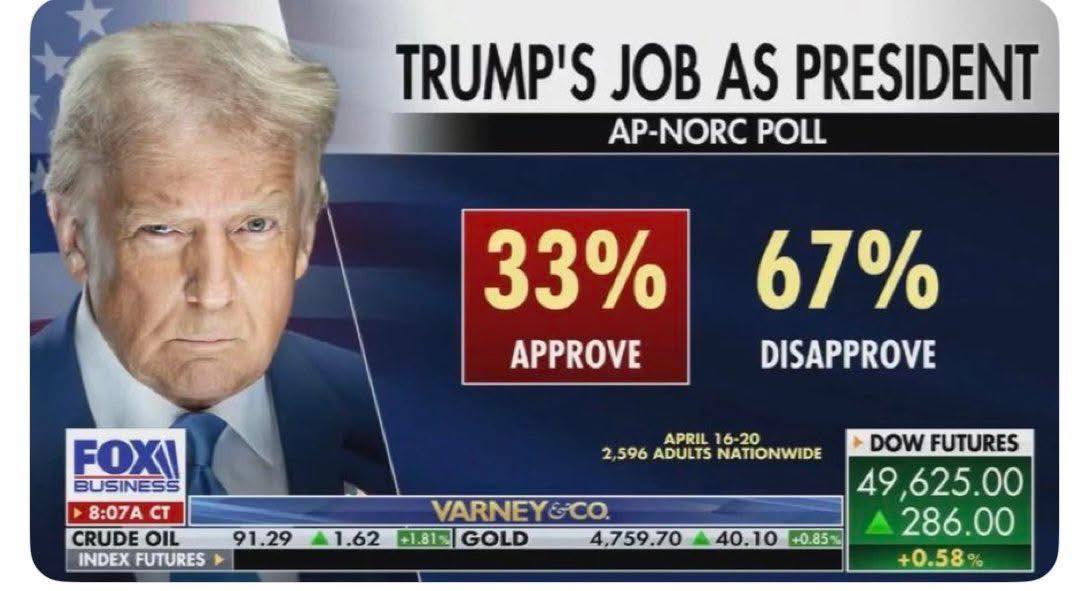
Donald Trump’s approval rating has dropped to 34 percent among the American people, the lowest level of his second term. Given the U.S. war against Iran, the growing internal divisions within his administration and the rising inflationary pressure at home, Trump now has juggle a lot at once.

Zhang Zhixin, Research Professor of Institute of American Studies, CICIR
Mar 26, 2026
Four interconnected risks threaten Republican control of the U.S. Congress in November’s midterm elections. The vote will determine not only control of Congress but will also profoundly influence the future trajectory of American politics.
Mallie Prytherch, Manager of Research Affairs, Centre on Contemporary China and the World, University of Hong Kong
Jul 11, 2025
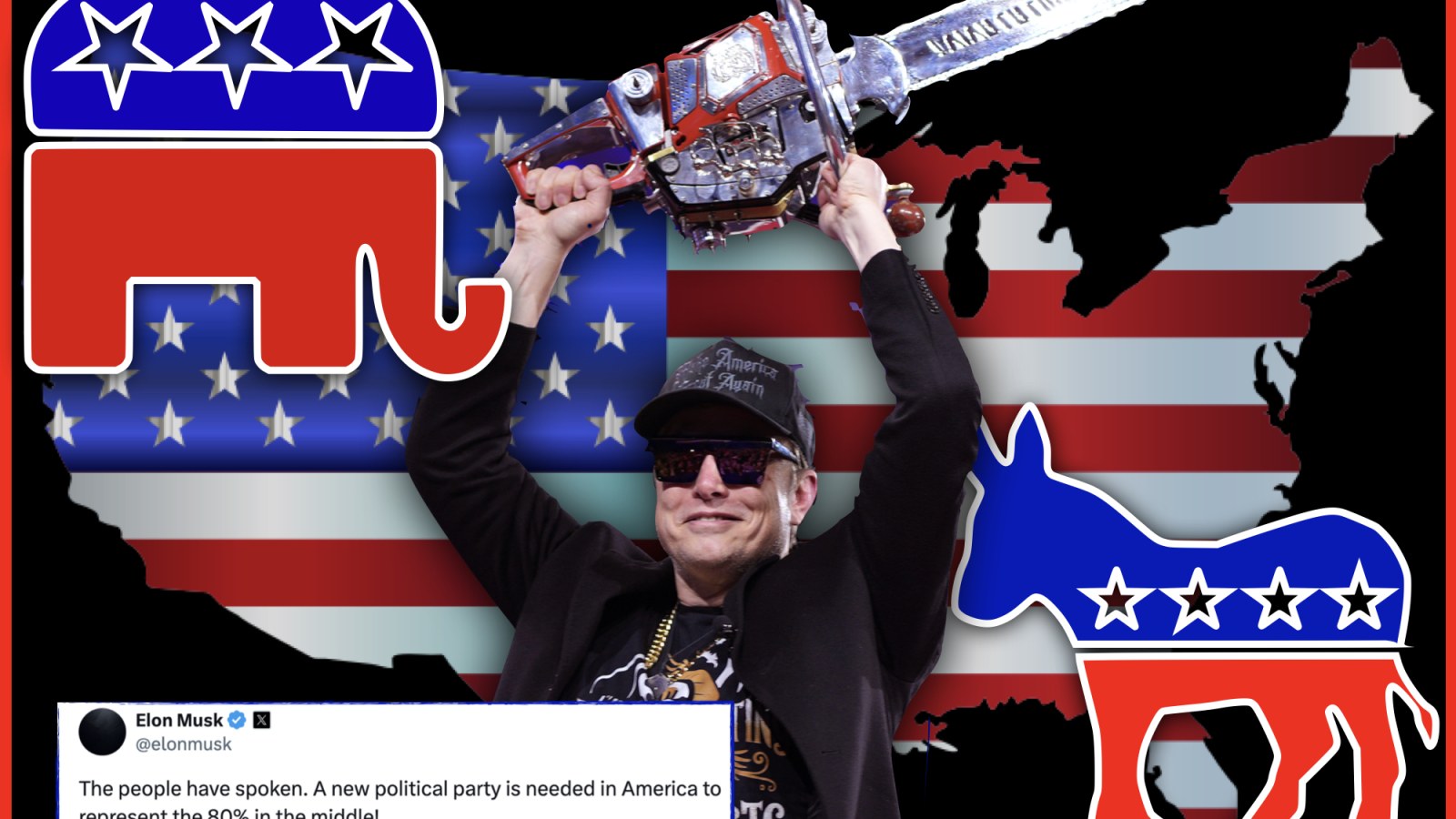
After a public split with Donald Trump over the “Big Beautiful Bill,” Elon Musk launched the America Party in an effort to challenge the U.S. two-party system. While his shifting stance on China adds strategic ambiguity, the party serves as a stress test for American democracy in an era of polarization and gridlock.
Sun Chenghao, Fellow, Center for International Security and Strategy of Tsinghua University; Munich Young Leader 2025
Tan Yannan, Research Assistant of U.S.-Europe Program at Center for International Security and Strategy, Tsinghua University
Oct 24, 2023
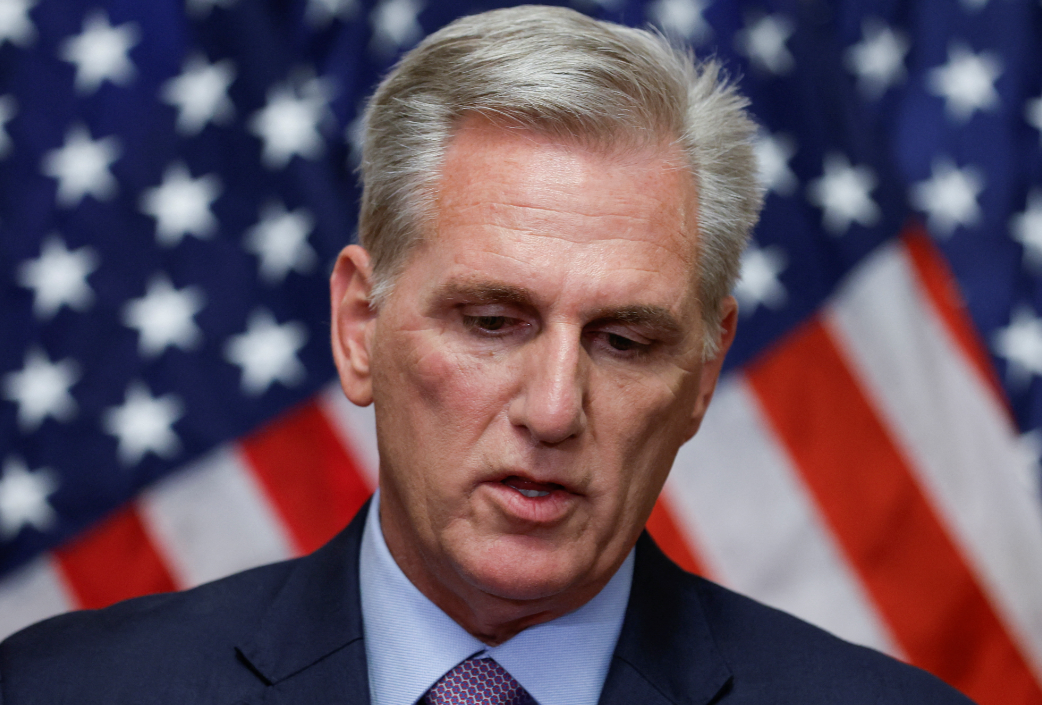
With Kevin McCarthy having been ousted as House speaker, complex internal disputes within the Republican Party will likely persist. If China issues continue to be stoked for political gain, China-U.S. relations may yet face new challenges at the congressional level.
Back to Top

- China-US Focus builds trust and understanding between the U.S. and China through open dialogue among thought leaders.