Xiao Bin, Deputy Secretary-general, Center for Shanghai Cooperation Organization Studies, Chinese Association of Social Sciences
Jan 16, 2026
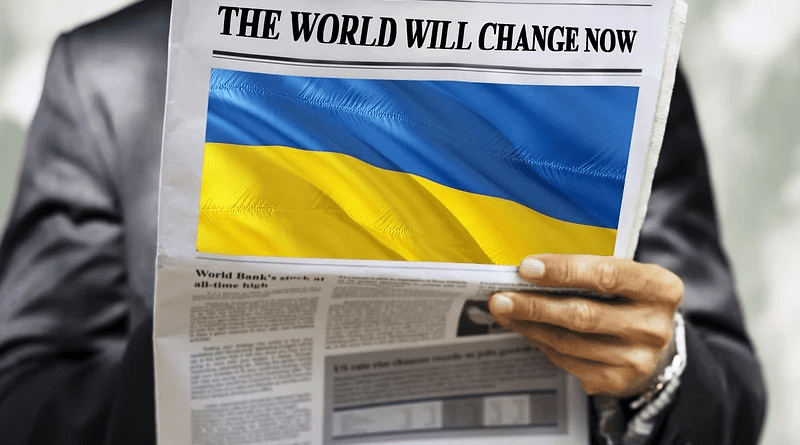
In 2025, Ukraine gradually changed from a battlefield confrontation to a complex contest centered on cease-fire terms, postwar arrangements and the responsibilities of the world’s major powers. The war in Ukraine did not end in 2025, but a new reality was clearly defined.
Zhang Monan, Deputy Director of Institute of American and European Studies, CCIEE
Dec 22, 2025
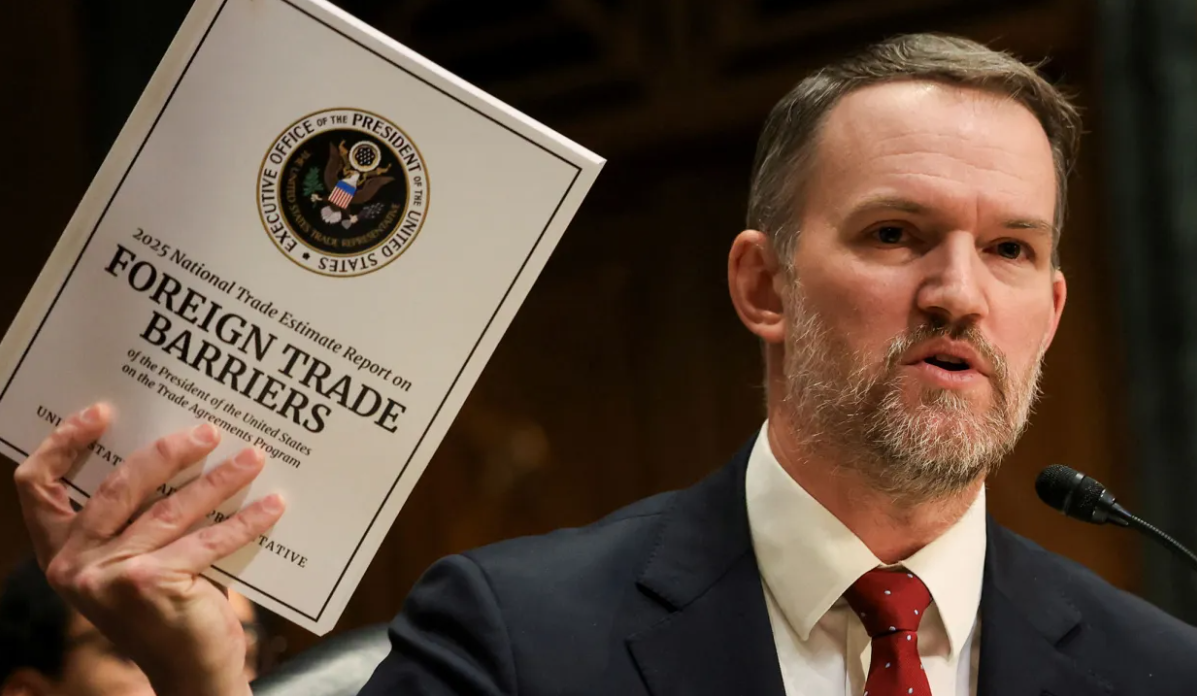
The Turnberry System is a way to replace the WTO-based postwar multilateral trading system with bilateral agreements. It marks a significant turning point in global trade rules and will profoundly impact the global trade landscape.

He Weiwen, Senior Fellow, Center for China and Globalization, CCG
Dec 22, 2025
It is highly anticipated that even with a continued mix of tensions and collaboration, 2026 will see more of the positive and less of the negative, thus benefiting the people of both countries and the world at large.
Gu Bin, Associate Professor, Beijing Foreign Studies University
Dec 02, 2025
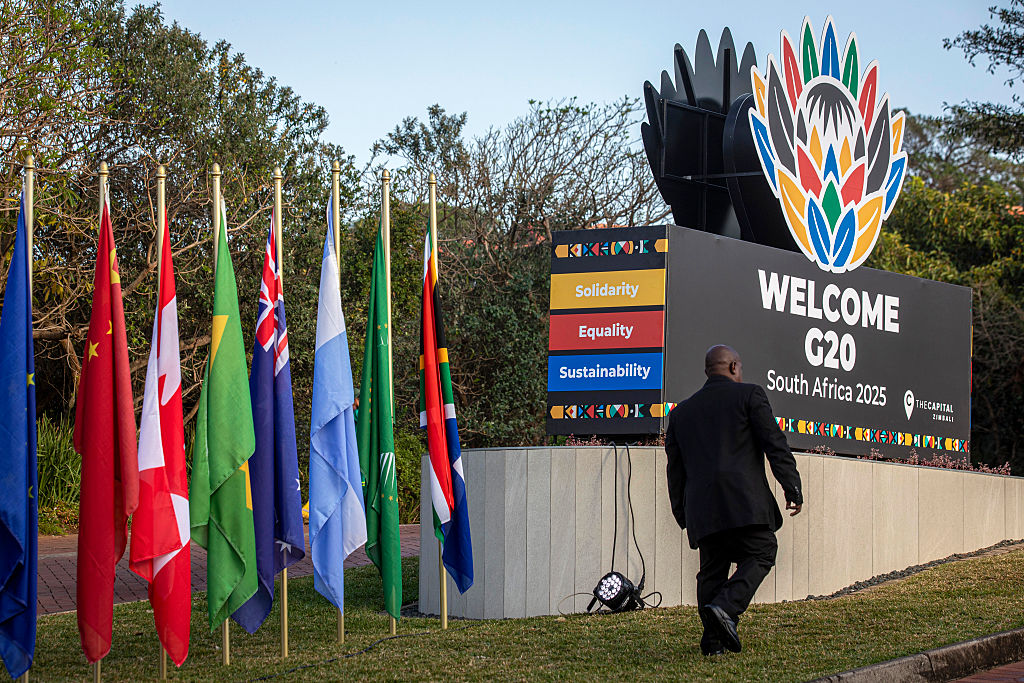
A world order without the United States has been discussed widely. One example relates to reform of the World Trade Organization, whose dispute settlement mechanism has been paralyzed by the U.S. since 2019. Now there could be a solution.
Zhou Xiaoming, Former Deputy Permanent Representative of China’s Mission to the UN Office in Geneva
Dec 02, 2025
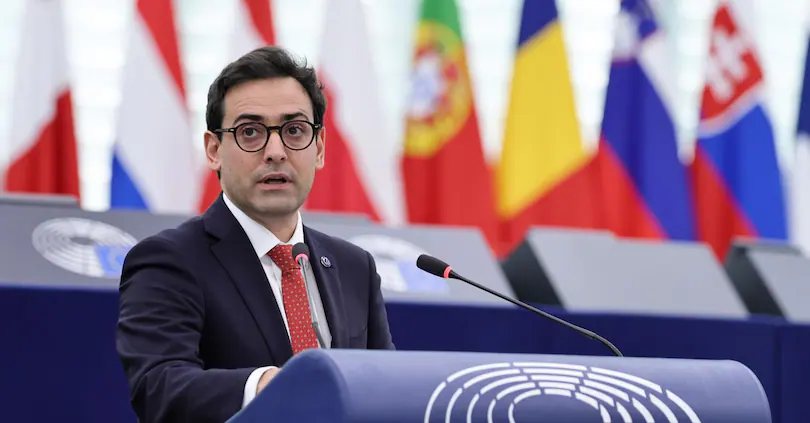
Brussels is retreating from the very multilateral order it once championed. The challenge now is enabling European companies to thrive within a competitive environment. True strategic autonomy will not be achieved through protectionism disguised as regulation.

Zhang Monan, Deputy Director of Institute of American and European Studies, CCIEE
Nov 28, 2025
The impact on the global economic and trade landscape is unmistakable. These tariffs will establish trade frictions a a new normal and drive global supply chains toward some form of decoupling. They may also provoke countermeasures from other economies, especially given the constrained role of the WTO.
Zhou Xiaoming, Former Deputy Permanent Representative of China’s Mission to the UN Office in Geneva
Nov 21, 2025
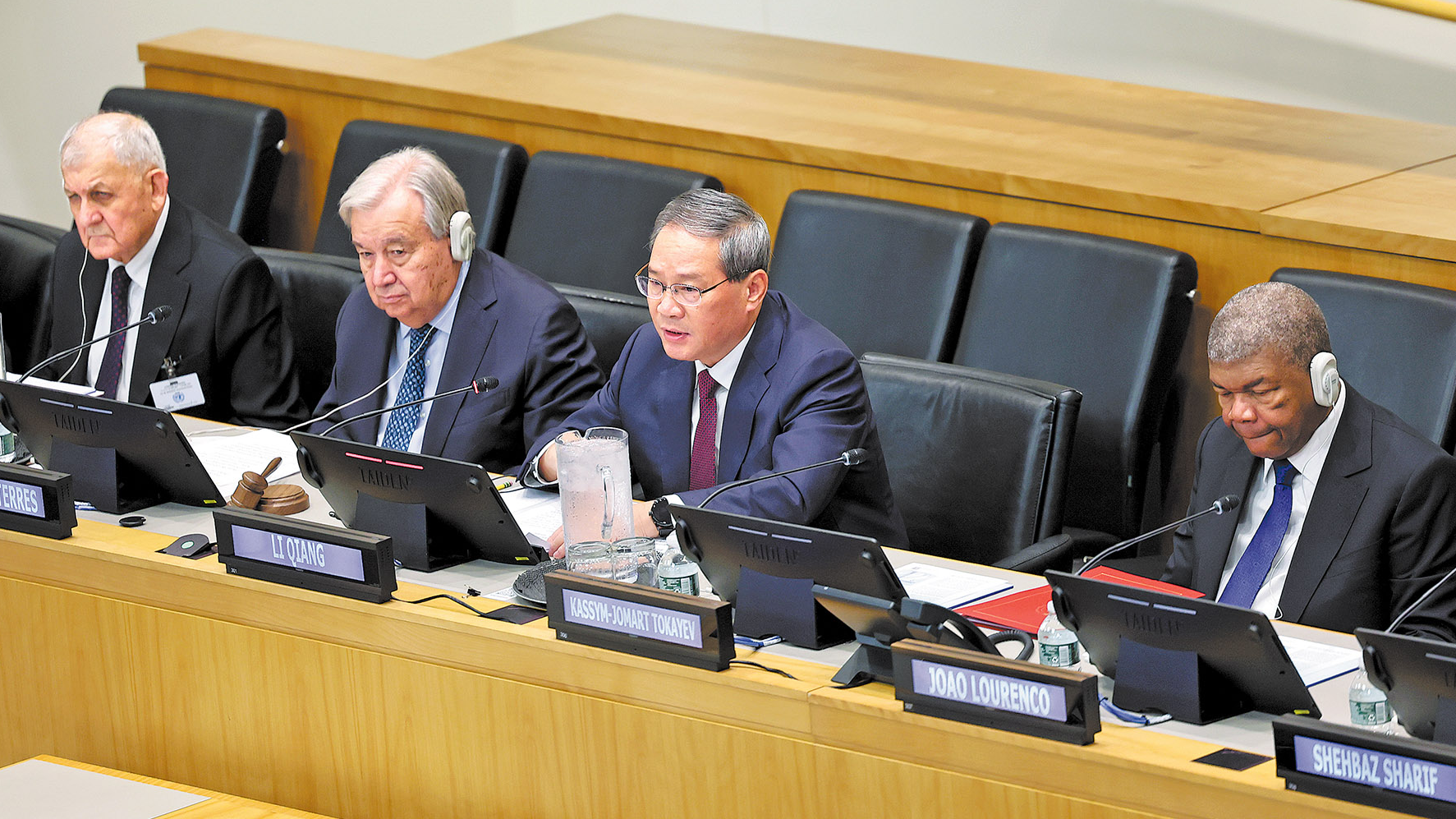
High import duties on Chinese goods have become the new normal for the United States. While there’s lots of talk about renewed stability with China after the presidents met in South Korea, but the world’s two largest economies appear to be learning how to live apart.
He Weiwen, Senior Fellow, Center for China and Globalization, CCG
Oct 09, 2025
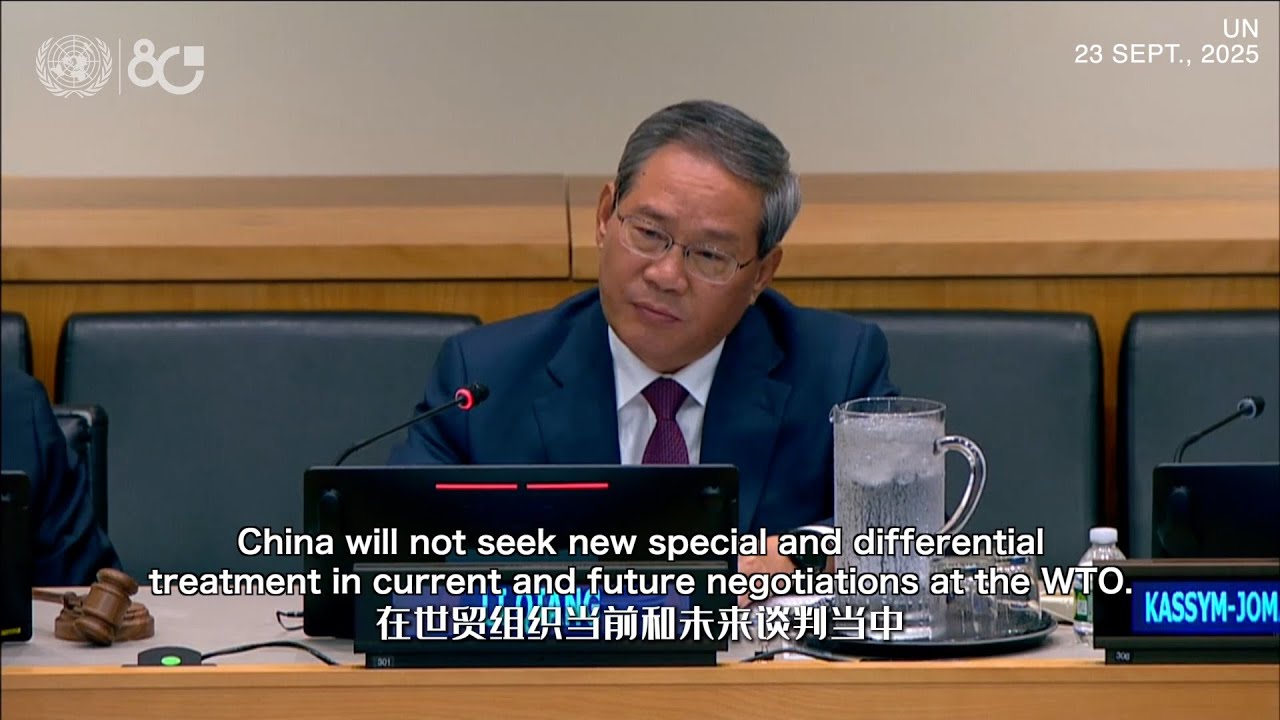
China’s decision to forgo special rights in the WTO shows that it takes its great power responsibility seriously. It wants to advance trade cooperation with developed economies and with Global South. A trade upturn with the United States in 2026 is much anticipated.
Zhang Monan, Deputy Director of Institute of American and European Studies, CCIEE
Oct 08, 2025
Beijing’s announcement regarding future World Trade Organization negotiations is strategic. It represents both a willingness to promote WTO reform and an institutional adjustment to support high-quality domestic development and opening-up to the world.
He Weiwen, Senior Fellow, Center for China and Globalization, CCG
Sep 05, 2025
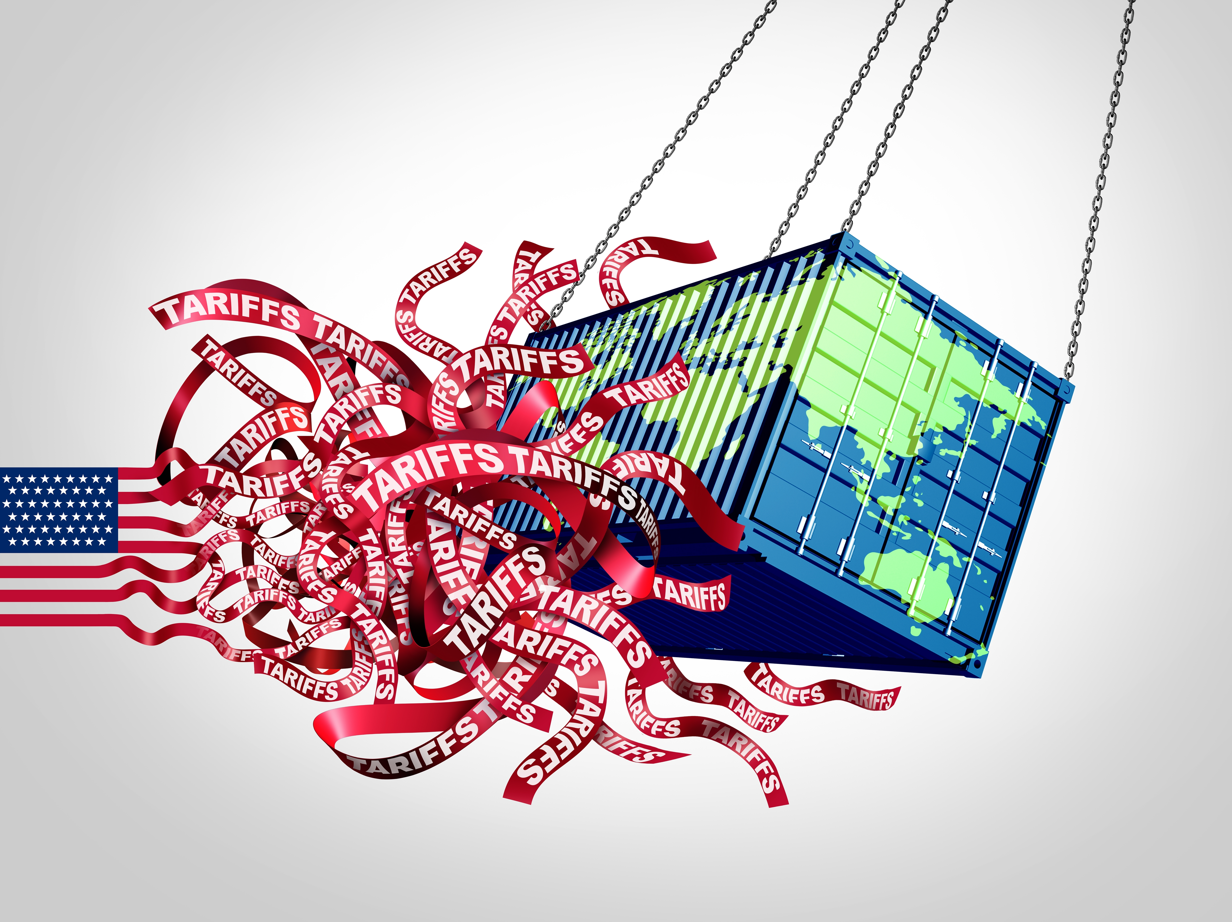
America’s sweeping tariffs are harmful to both the world economy and to America itself and should be revoked. But a bigger trend is emerging: The relevance of the United States is dwindling when it comes to global trade.
Back to Top

- China-US Focus builds trust and understanding between the U.S. and China through open dialogue among thought leaders.