Zhou Yiqi, Associate Fellow, Center for West Asian & African Studies, Shanghai Institutes for International Studies
Mar 26, 2026
An era has reached its end. Washington now faces a stark choice: It must either pay the true diplomatic and political price of leadership or prepare to hand over the keys to a region it can neither afford nor effectively manage.
Sebastian Contin Trillo-Figueroa, Geopolitics Analyst in EU-Asia Relations and AsiaGlobal Fellow, The University of Hong Kong
Mar 26, 2026
U.S. strikes on Iran that killed Supreme Leader Ali Khamenei redirected American military resources and attention from the Indo-Pacific to the Middle East. This shift allows China to strengthen its strategic position in Asia while the United States becomes absorbed in a secondary conflict.
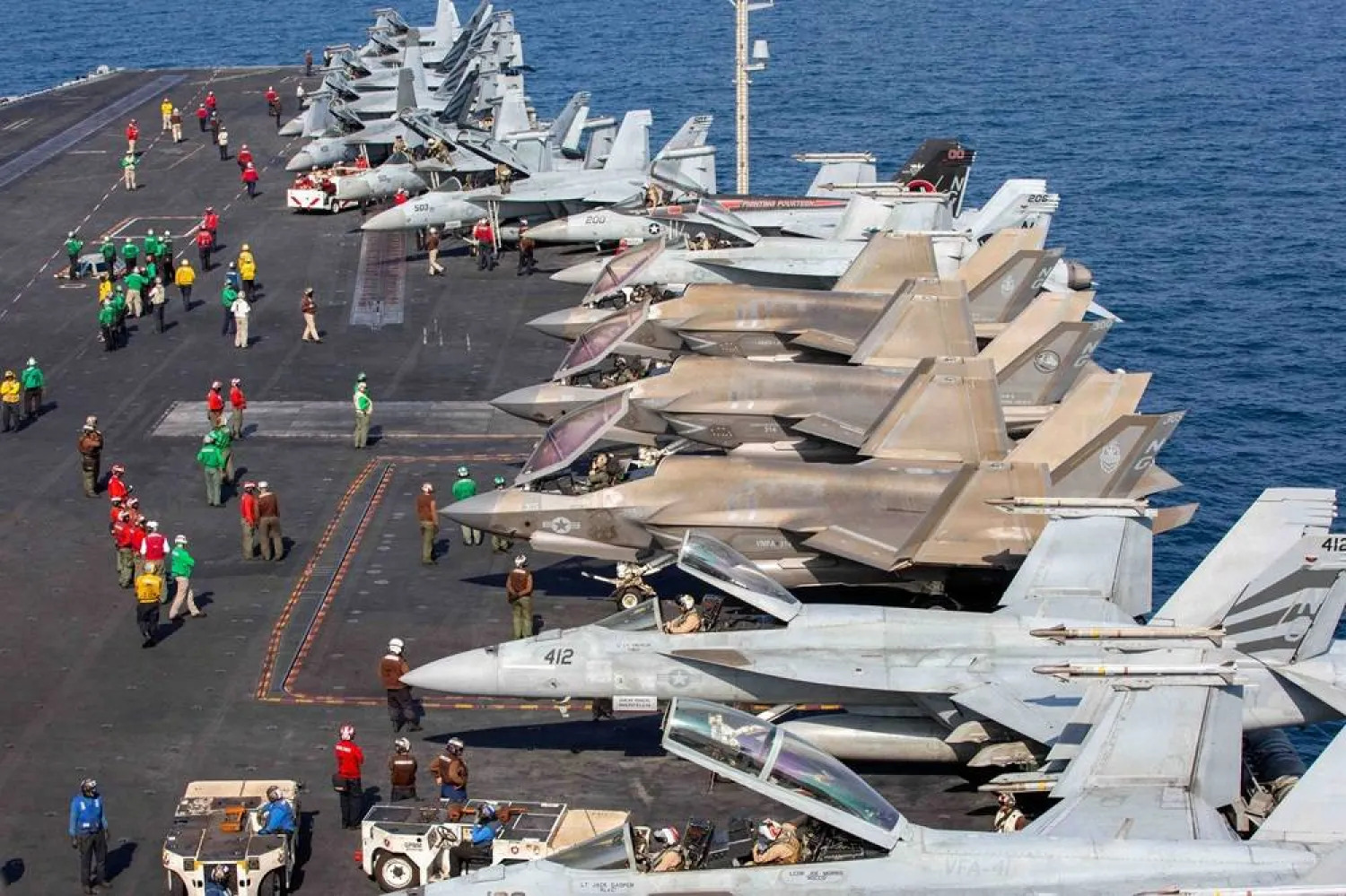
Wang Zhen, Professor and Deputy Director, Institute for International Relation Studies, Shanghai Academy of Social Sciences
Mar 05, 2026
The U.S.-Israel strike on Iran lacks a clear legal basis or credible justification and represents a high-risk gamble by the Trump administration. Despite early military success, the operation faces uncertain prospects, including limited chances of regime change and the risk of prolonged conflict.
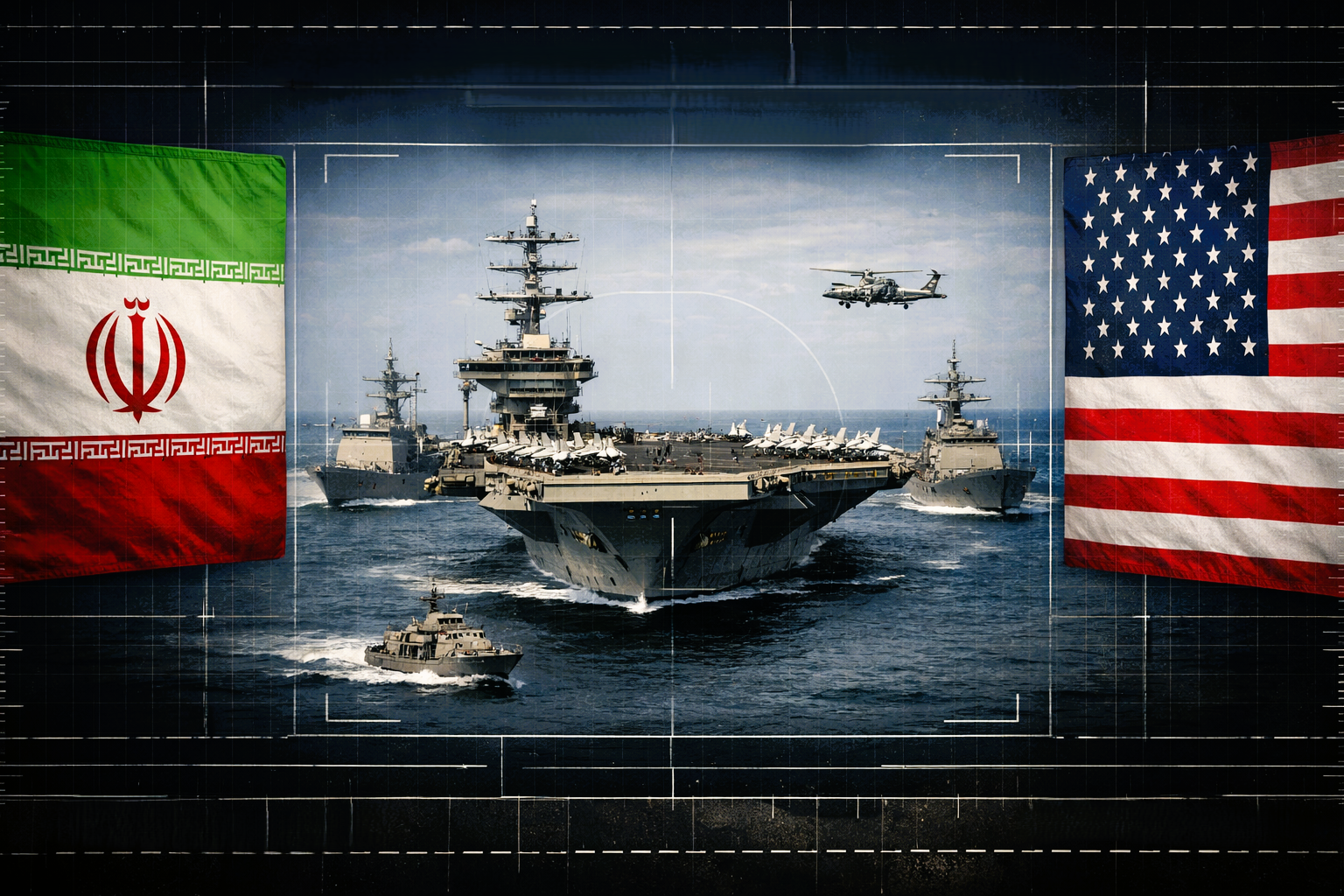
Zhu Zhaoyi, Executive Director of the Institute of Middle East Studies, Peking University HSBC Business School.
Mar 05, 2026
The death of Iran’s Supreme Leader Ayatollah Ali Khamenei in U.S.-Israeli strikes has created leadership uncertainty in Tehran, weakened Iran’s regional network of allies, and accelerated shifts in Middle Eastern power dynamics. For China, the conflict threatens energy supplies and Belt and Road investments while potentially expanding Beijing’s diplomatic role if it maintains neutrality and engagement with all sides.

Dan Steinbock, Founder, Difference Group
Oct 24, 2025
The fragile ceasefire in Gaza reflects accelerating recalibration in the Middle East, as U.S. military maneuvers are giving way to economic development promoted by the Arab states, China and the Global South.
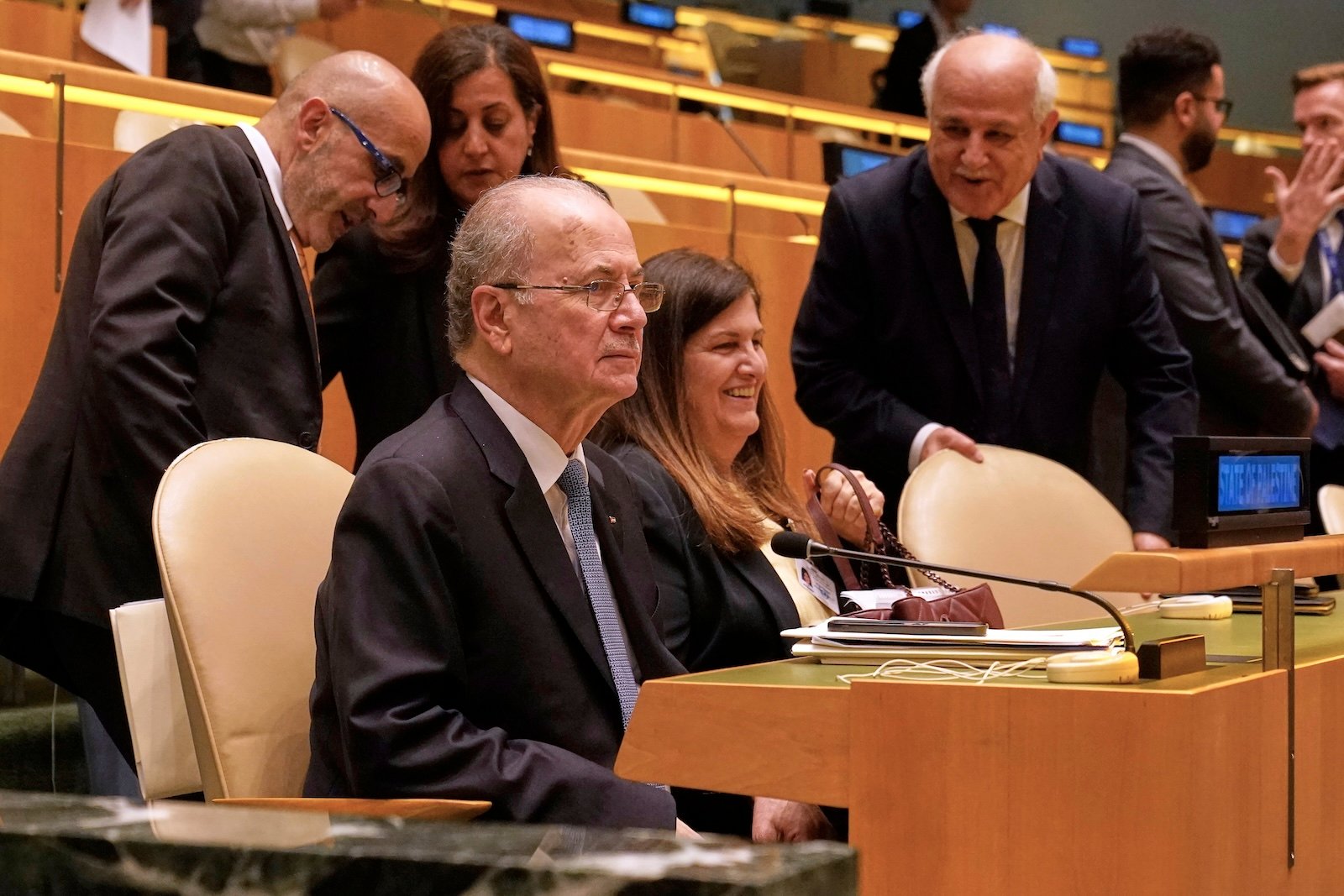
Dan Steinbock, Founder, Difference Group
Sep 12, 2025
As evidenced by complicity in the Gaza genocide, the U.S.-Israel military symbiosis in the Middle East is increasingly shunned by the international community. What the region needs is aggressive economic development.
Brian Wong, Assistant Professor in Philosophy and Fellow at Centre on Contemporary China and the World, HKU and Rhodes Scholar
Sep 02, 2025
China’s approach to conflict mediation is characterized by what scholars call “quasi-mediation diplomacy,” in which Beijing emphasizes rhetoric and symbolic gestures while avoiding costly commitments. Recent cases show that China prefers strategic ambiguity and bureaucratic caution over assuming a high-profile mediator role.
Richard Weitz, Senior Fellow, Hudson Institute
Aug 08, 2025
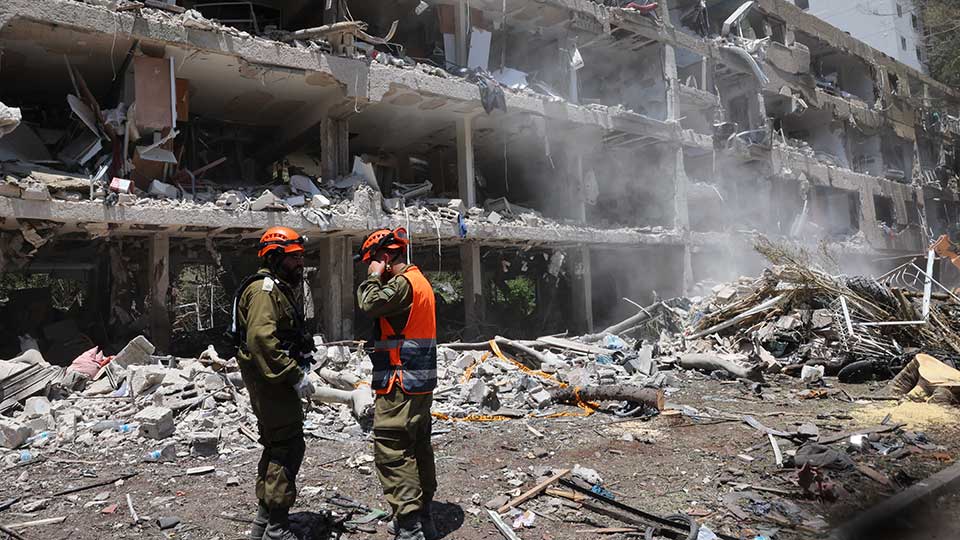
China declined an opportunity to join Iran in its June 2025 confrontation with the United States and Israel. Though Beijing enjoys good relations with the Iranian regime, competing alignments and other considerations convinced PRC policymakers to adopt a low profile during the twelve-day war.
Ghulam Ali, PhD, Monash University, Australia
Dec 03, 2024
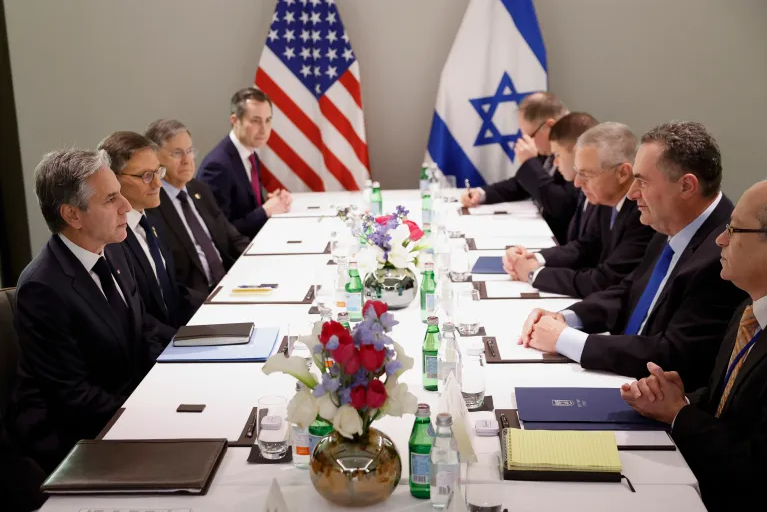
The unity of the Gulf states, their diversified partnerships and their degree of assertiveness — along with China’s deepened relationships in the region — may constrain U.S. dominance. Even so, China must devise policies to navigate the unexpected strategic challenges it might encounter.
Zhou Yiqi, Associate Fellow, Center for West Asian & African Studies, Shanghai Institutes for International Studies
Oct 18, 2024
China’s efforts to mediate between various Palestinian groups is a first step toward bridging the divide between Palestine and Israel. The U.S. must also take ownership of its responsibility and similarly employ its significant influence over Israel.
Back to Top

- China-US Focus builds trust and understanding between the U.S. and China through open dialogue among thought leaders.