Ghulam Ali, PhD, Monash University, Australia
Apr 09, 2026
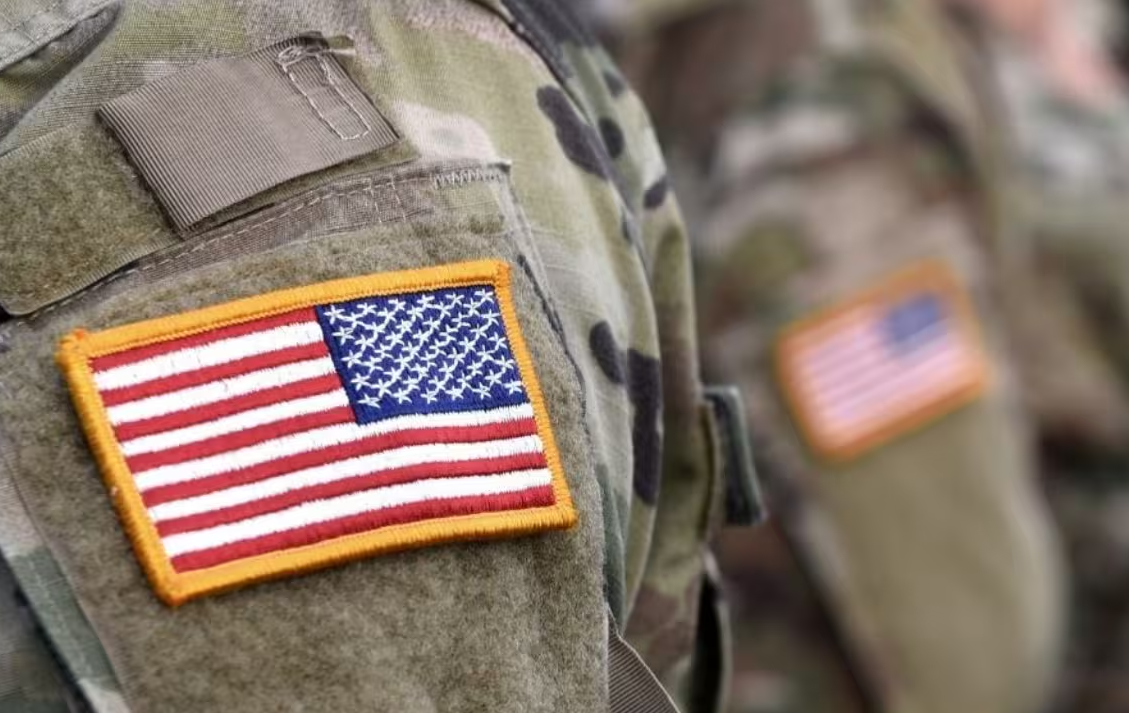
The U.S.-Israel war on Iran has brought many lessons, foremost among them the shattering of the myth of unchallenged U.S. global might. More than a month into the U.S.-Israeli aggression, neither could the war change the regime in Iran – one of the illusions upon which U.S. President Donald Trump and Israeli Prime Minister Netanyahu had waged the war – nor did Tehran concede to U.S. terms. Furthermore, on 2 March, Iran blocked the Strait of Hormuz, through which around one-fifth of the world’s oil supplies pass. This energy lifeline remained blocked despite Trump’s repeated ultimatums and desperate calls to allies and partners to send forces to reopen it. This resistance was particularly notable as Iran has been under crippling sanctions for decades.
Dan Steinbock, Founder, Difference Group
Apr 04, 2026
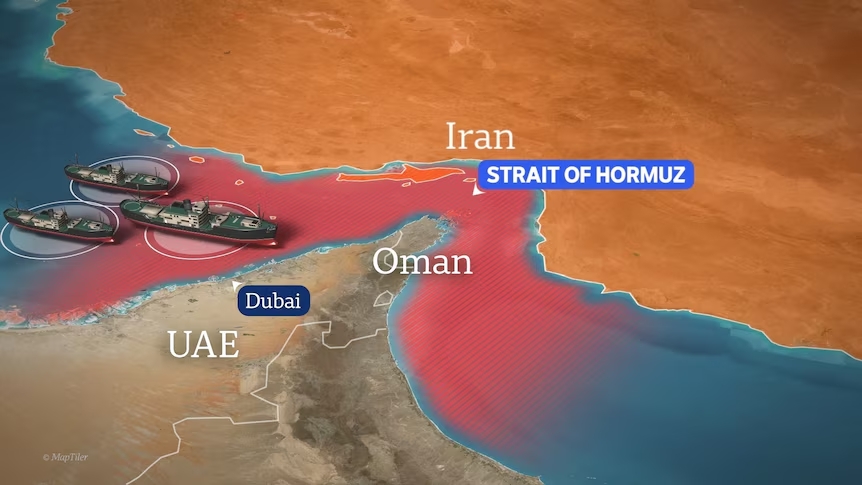
After one month of hostilities and no exit plans, the lethal costs of the U.S.-Israel joint war against Iran are global. How will the crisis reverberate against the backdrop of elevated U.S.-China relations?

Sujit Kumar Datta, Professor, Department of International Relations, University of Chittagong, Bangladesh
Mar 30, 2026
The organization, which is historically tied to the United States is facing new questions. Donald Trump’s rhetoric has offended America’s European allies, and several of them do not want to get involved in an unpopular war. Unless resolved, such frictions will reduce NATO from a unity platform to a contest of priorities.
Jin Liangxiang, Senior Research Fellow, Shanghai Institute of Int'l Studies
Mar 29, 2026
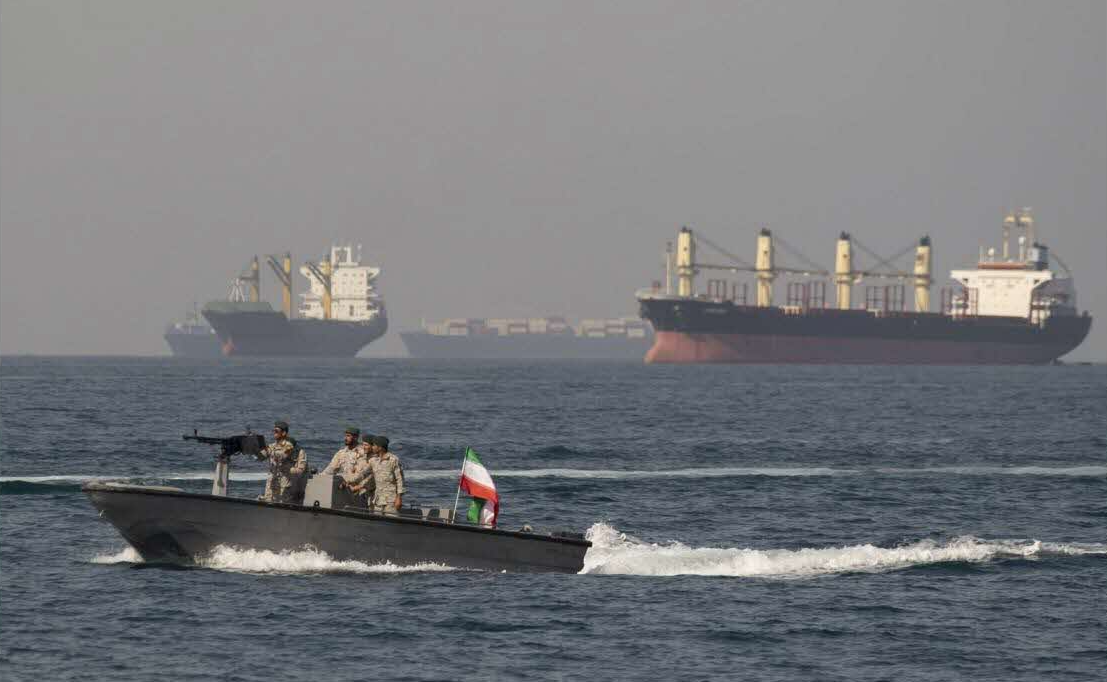
The pretext for Trump’s aggression against Iran, in partnership with Israel, is flimsy. As the saying goes, even a gentle rabbit may bite when cornered. The current war is, in some respects, an extreme manifestation of hegemony. And the whole world is paying the price.
Lucio Blanco Pitlo III, Member of Board of Directors, Philippine Association for Chinese Studies
Mar 27, 2026
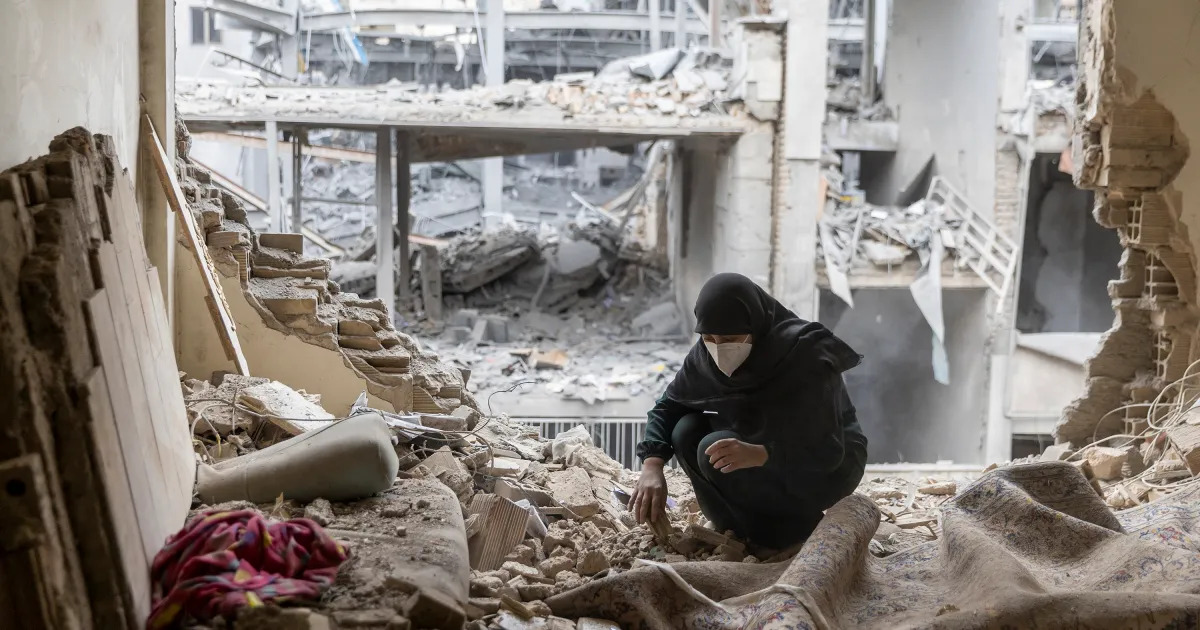
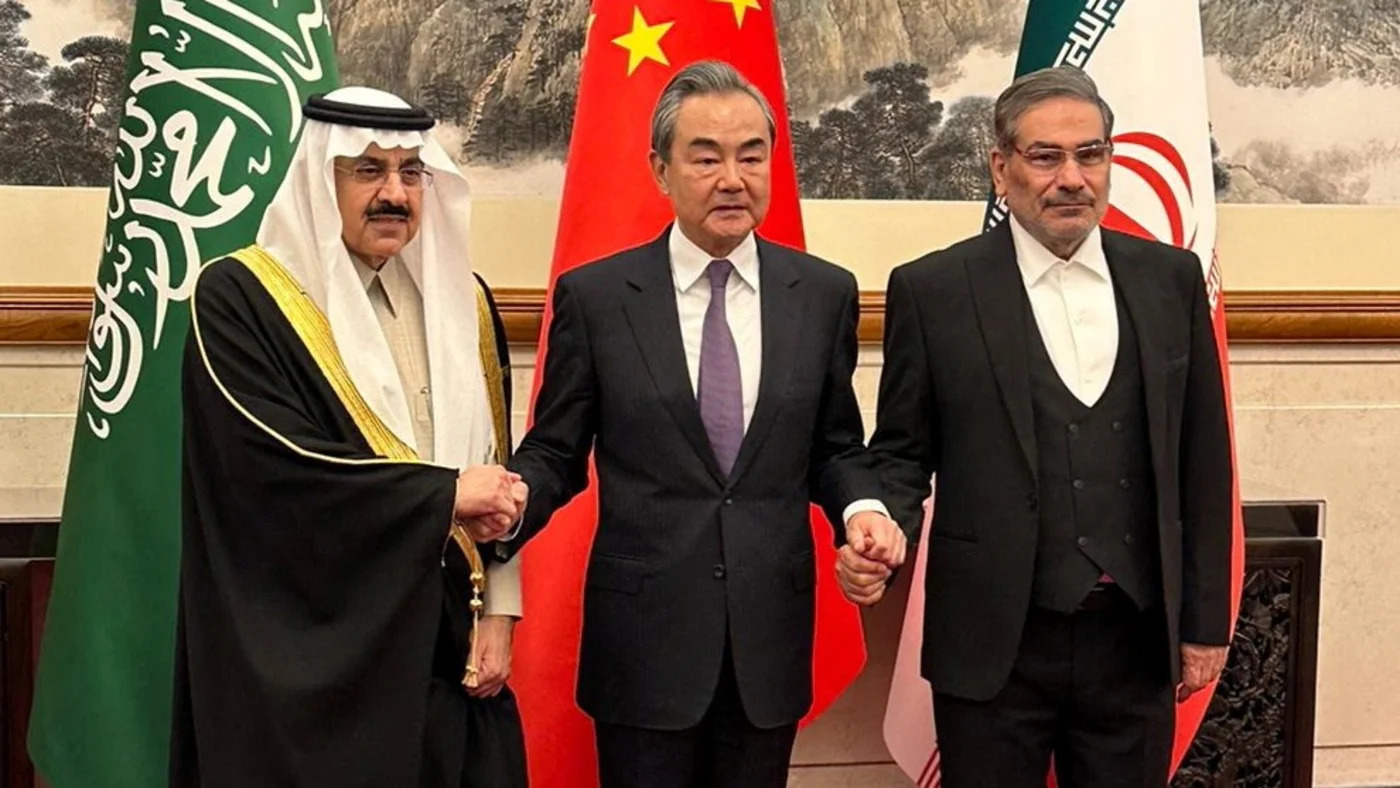
The U.S.-Israel war with Iran is exposing widening reluctance among American allies to support the conflict, signaling potential erosion in U.S. global influence. At the same time, moves to bypass the U.S. dollar in oil trade, amid growing Chinese involvement, could challenge the petrodollar and reshape the global energy order.
Brian Wong, Assistant Professor in Philosophy and Fellow at Centre on Contemporary China and the World, HKU and Rhodes Scholar
Mar 27, 2026
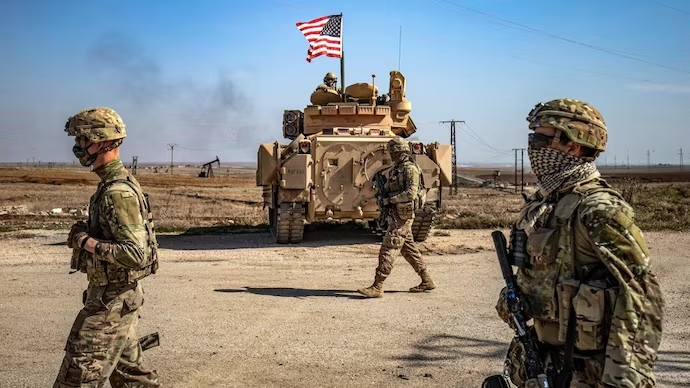
The U.S.-Israel strikes on Iran have heightened regional instability while exposing China’s complex strategic dilemma, as Beijing seeks to safeguard critical energy imports and investments without becoming directly involved. Balancing ties with Iran, Gulf states, and the West, China is pursuing a cautious, deliberately ambiguous approach to protect its broader geopolitical and economic interests.
Zhou Yiqi, Associate Fellow, Center for West Asian & African Studies, Shanghai Institutes for International Studies
Mar 26, 2026
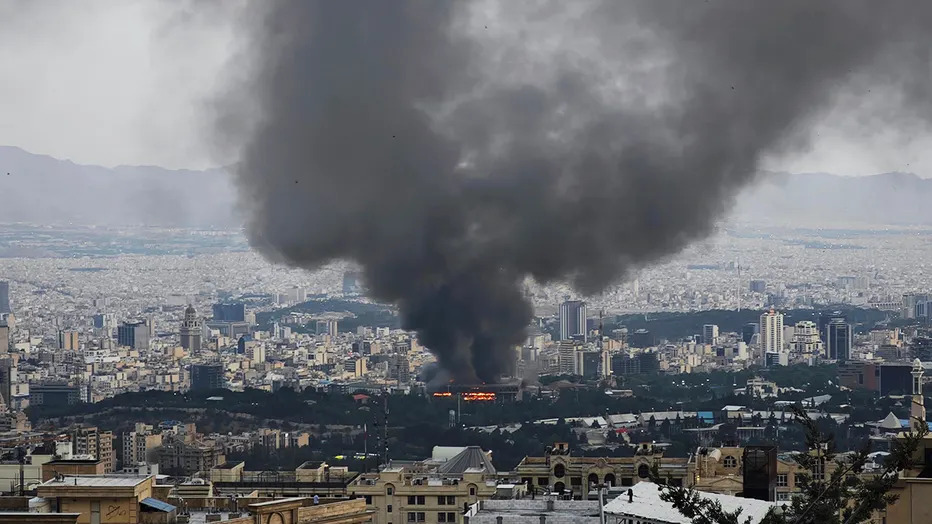
An era has reached its end. Washington now faces a stark choice: It must either pay the true diplomatic and political price of leadership or prepare to hand over the keys to a region it can neither afford nor effectively manage.
Sebastian Contin Trillo-Figueroa, Geopolitics Analyst in EU-Asia Relations and AsiaGlobal Fellow, The University of Hong Kong
Mar 26, 2026
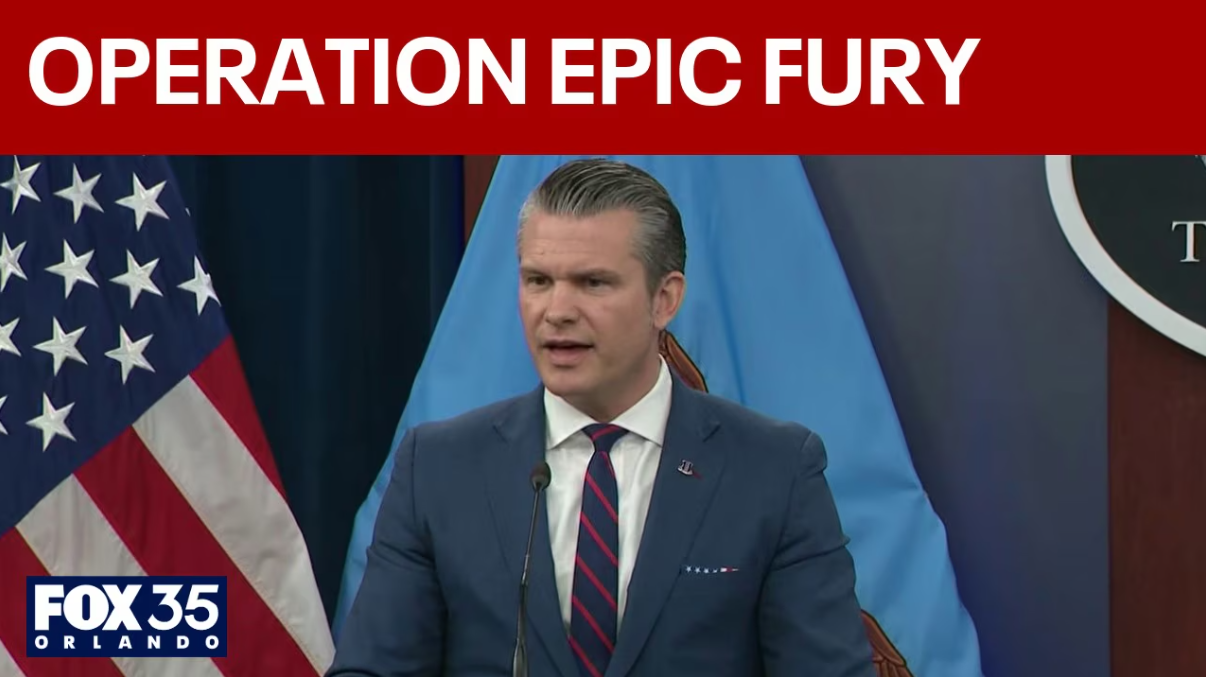
U.S. strikes on Iran that killed Supreme Leader Ali Khamenei redirected American military resources and attention from the Indo-Pacific to the Middle East. This shift allows China to strengthen its strategic position in Asia while the United States becomes absorbed in a secondary conflict.
Shou Huisheng, Director, Center for Turkey Studies at Beijing Language and Culture University
Mar 23, 2026
Donald Trump is deconstructing U.S. foreign policy through his erratic decision-making and appetite for political theater. The correction likely depends less on any single president but on whether America can build more stable strategic assessment mechanisms, more open decision-making processes and more resilient policy-correction capacity.
Warwick Powell, Adjunct Professor at Queensland University of Technology
Mar 20, 2026
Two weeks into the U.S.-Israeli military campaign against Iran - launched on 28 February 2026 with the explicit aim of decapitating leadership, and ostensible objectives of degrading nuclear and missile capabilities, so as to trigger regime collapse - the conflict has instead evolved into a grinding quagmire. What Washington anticipated as a swift application of air superiority leading to internal disintegration has produced the opposite: a politically consolidated Iranian state, depleted U.S. and allied air-defence stocks, Iranian control over the Strait of Hormuz, and a cascading energy shock rippling across global markets.
Back to Top

- China-US Focus builds trust and understanding between the U.S. and China through open dialogue among thought leaders.