
Xiao Bin
Deputy Secretary-general, Center for Shanghai Cooperation Organization Studies, Chinese Association of Social Sciences
Oct 15, 2026
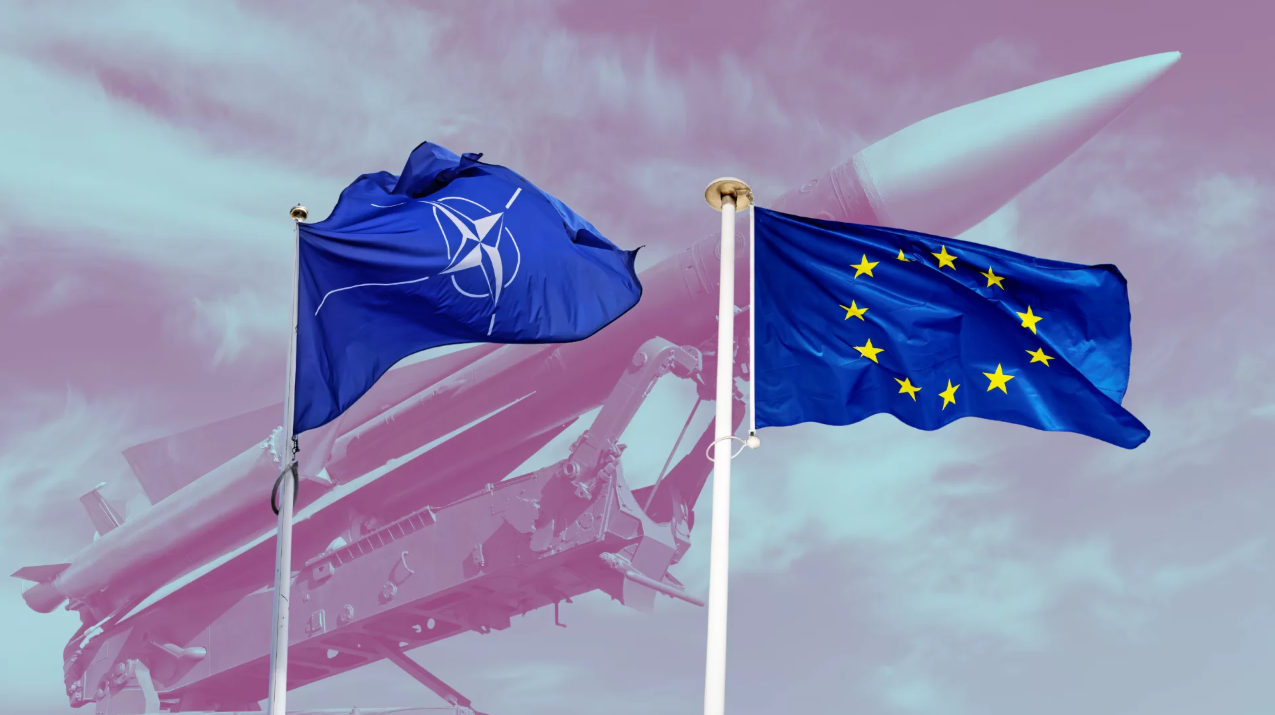
Europe has not turned away from NATO; rather, it is using NATO as a foundation on which to weave an increasingly dense network of “minilateral” security arrangements. This network is both a product of the war in Ukraine and the reallocation of transatlantic responsibilities, and a continuation of Europe's longstanding tradition of security cooperation.
Sep 04, 2026
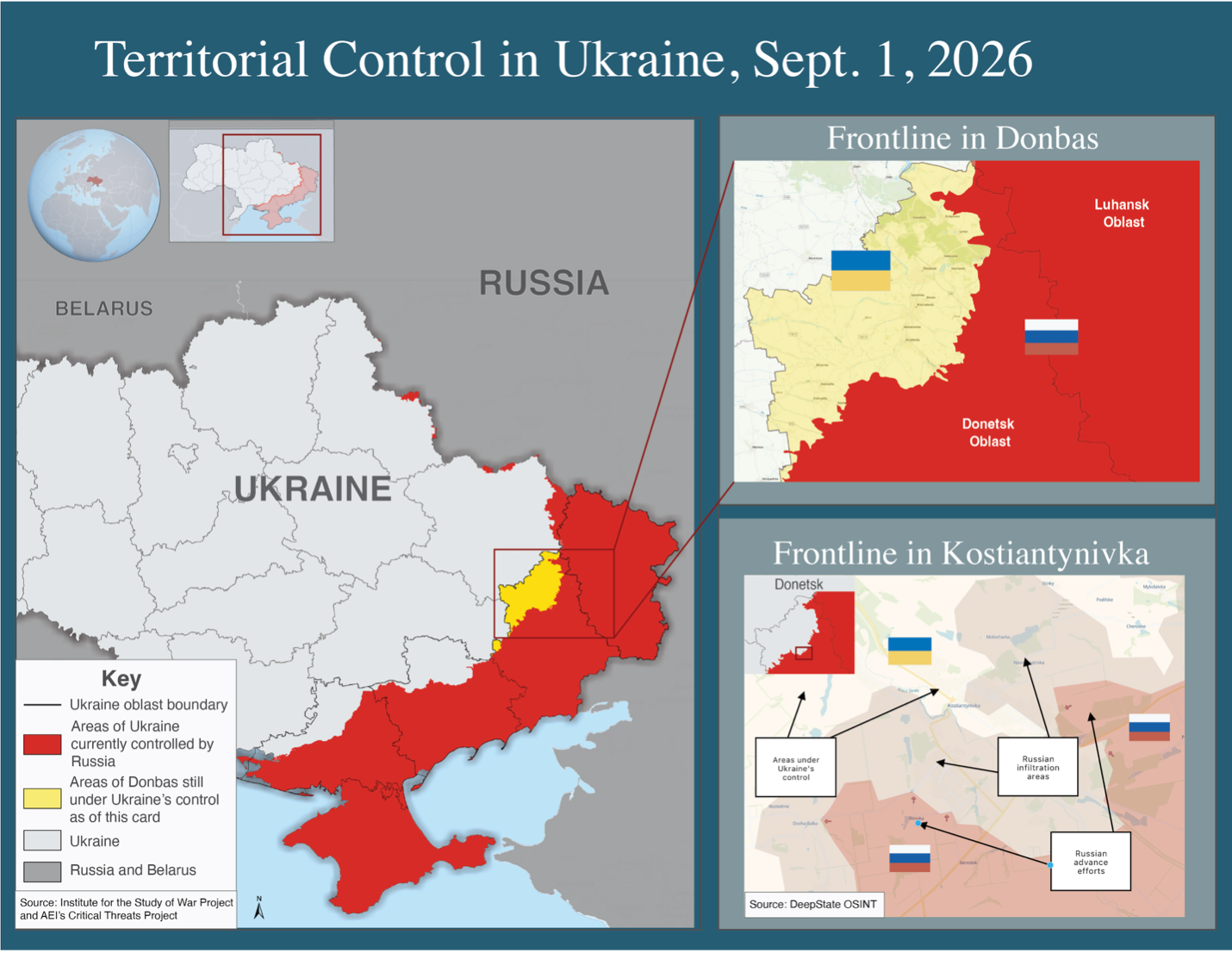
Over the past year, the war between Russia and Ukraine has evolved, extending into economic and social spheres and prompting a shift in the brokering of peace. This, in turn, has allowed strategic pressure to spill across theaters.
Jul 17, 2026
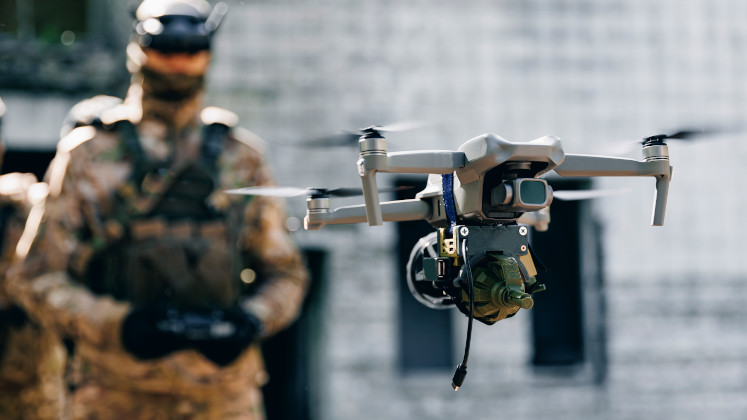
The focus of the Russia-Ukraine war is shifting from front-line engagements to deep-strike operations, while the central arena of competition is increasingly defined by each side’s capacity to sustain the war effort. In this evolving landscape, drones have emerged as a pivotal force.
Jun 18, 2026
Great powers can explore paths toward peaceful coexistence. The most important lesson of the Reykjavik Summit in 1986 was not that competition can be eliminated but that it requires clear boundaries. The real challenge is not the removal of differences but preventing their escalation into conflict.
Jun 03, 2026
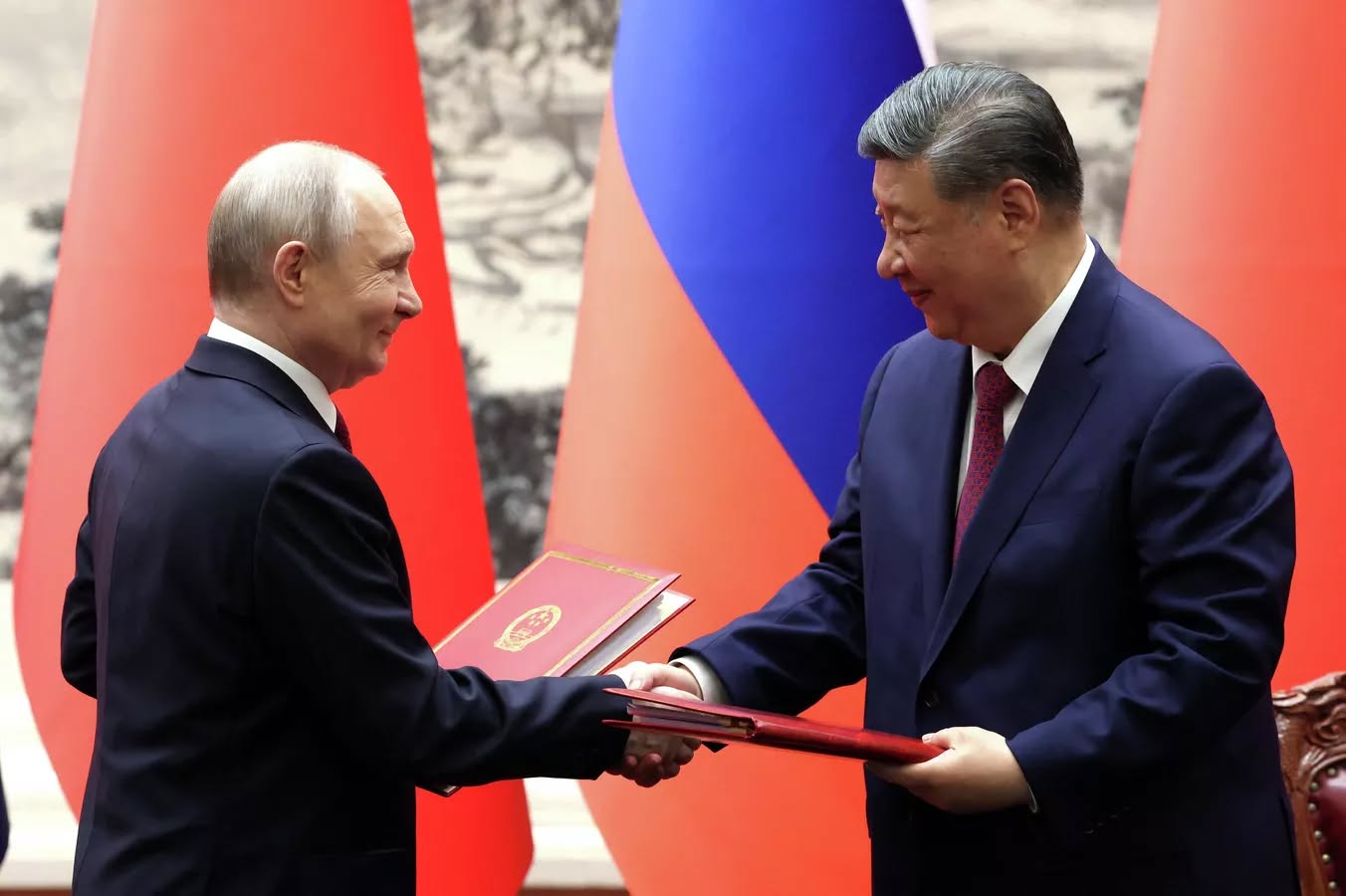
Back-to-back China-Russia coordination is a response to the growing turbulence in the international system. While their strategic collaboration enhances bilateral strategic predictability, it also signifies that major-country competition is becoming more protracted and complex.
May 19, 2026
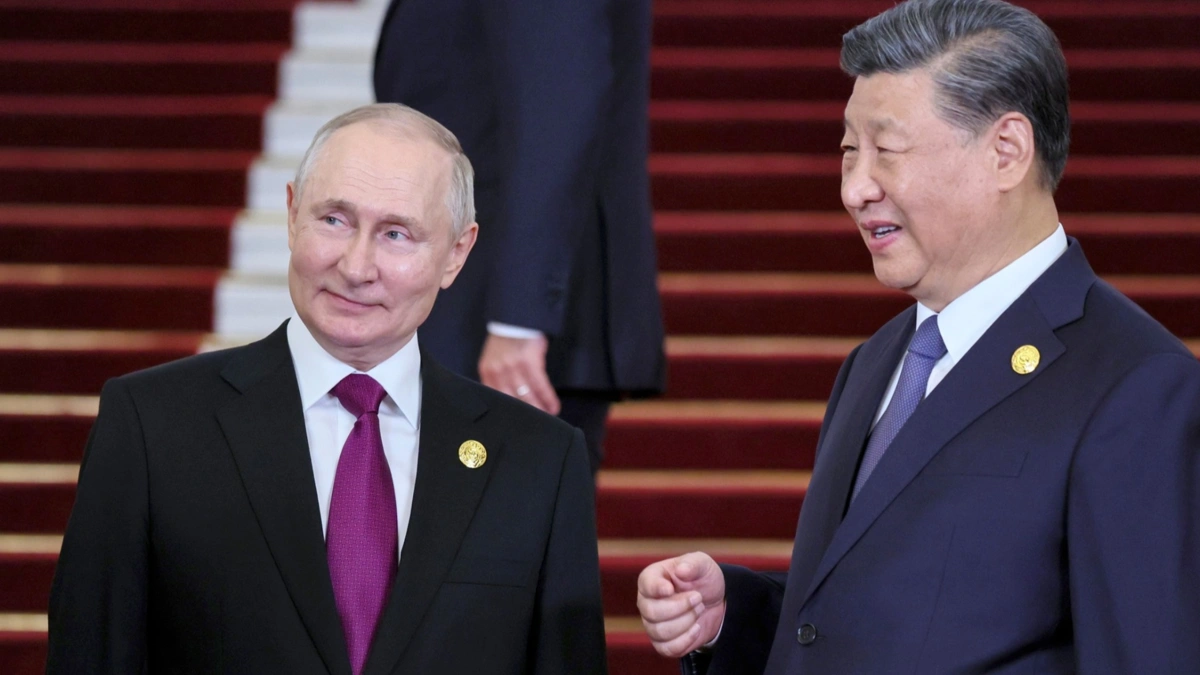
The recent visit by U.S. President Donald Trump and by Russian President Vladimir Putin can be seen as a limited buffer in current major-power dynamics.
May 14, 2026
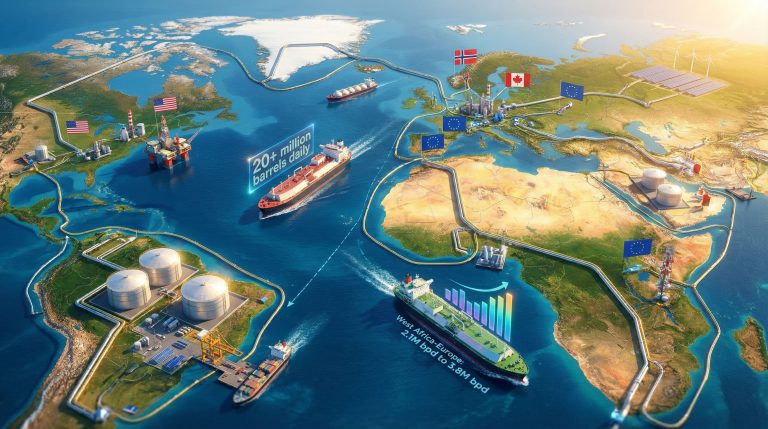
The Iran and Ukraine wars have shifted major-power competition from military confrontation to control over global energy routes, critical infrastructure, and supply chains.
Mar 27, 2026
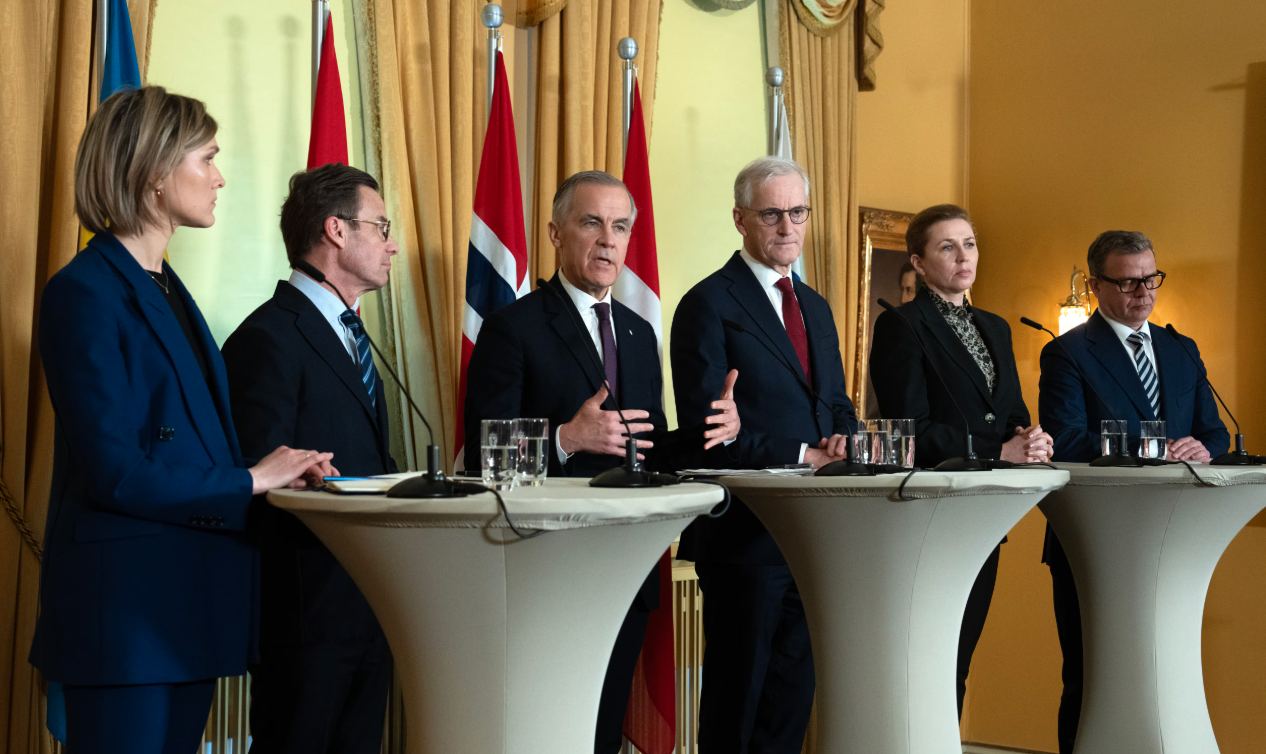
Middle powers on the continent have a real motivation to cooperate. Constrained by structural factors such as their defense systems, however, the so-called transatlantic shared heritage and the scale of the U.S. market, their cooperation is seen mostly in policy coordination and diplomatic statements.
Mar 06, 2026
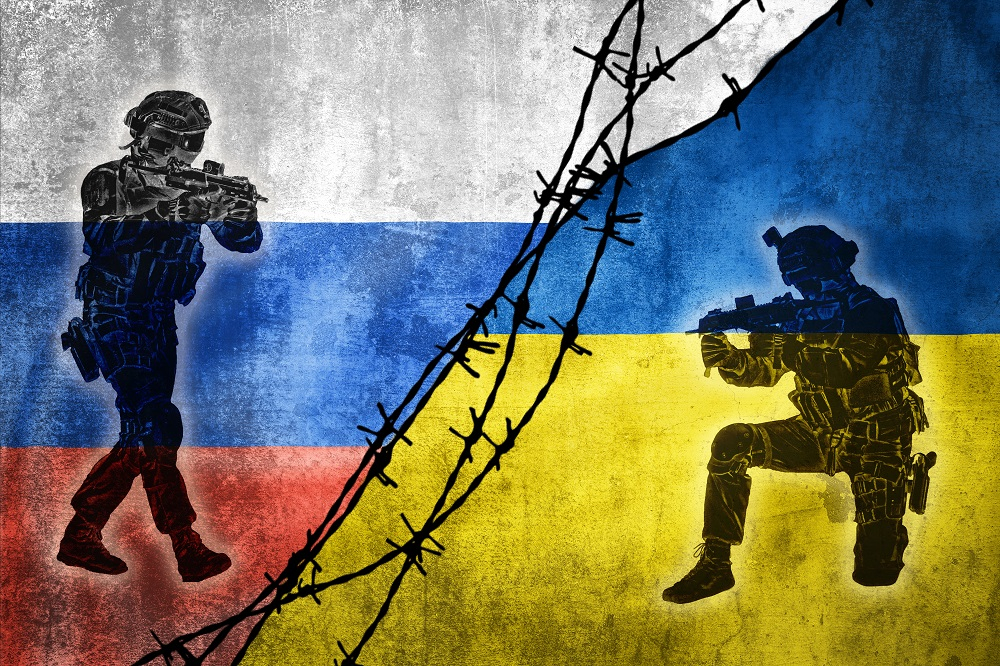
Whether assessing the prospects of the war in Ukraine or predicting the trajectory of relations between the United States and Russia, U.S. policy discussions have generally revealed a cautious, realistic tone: The war is unlikely to end quickly, and the rupture in the international order is widening.
Jan 16, 2026
In 2025, Ukraine gradually changed from a battlefield confrontation to a complex contest centered on cease-fire terms, postwar arrangements and the responsibilities of the world’s major powers. The war in Ukraine did not end in 2025, but a new reality was clearly defined.
