
Sebastian Contin Trillo-Figueroa
Geopolitics Analyst in EU-Asia Relations and AsiaGlobal Fellow, The University of Hong Kong
Oct 16, 2026
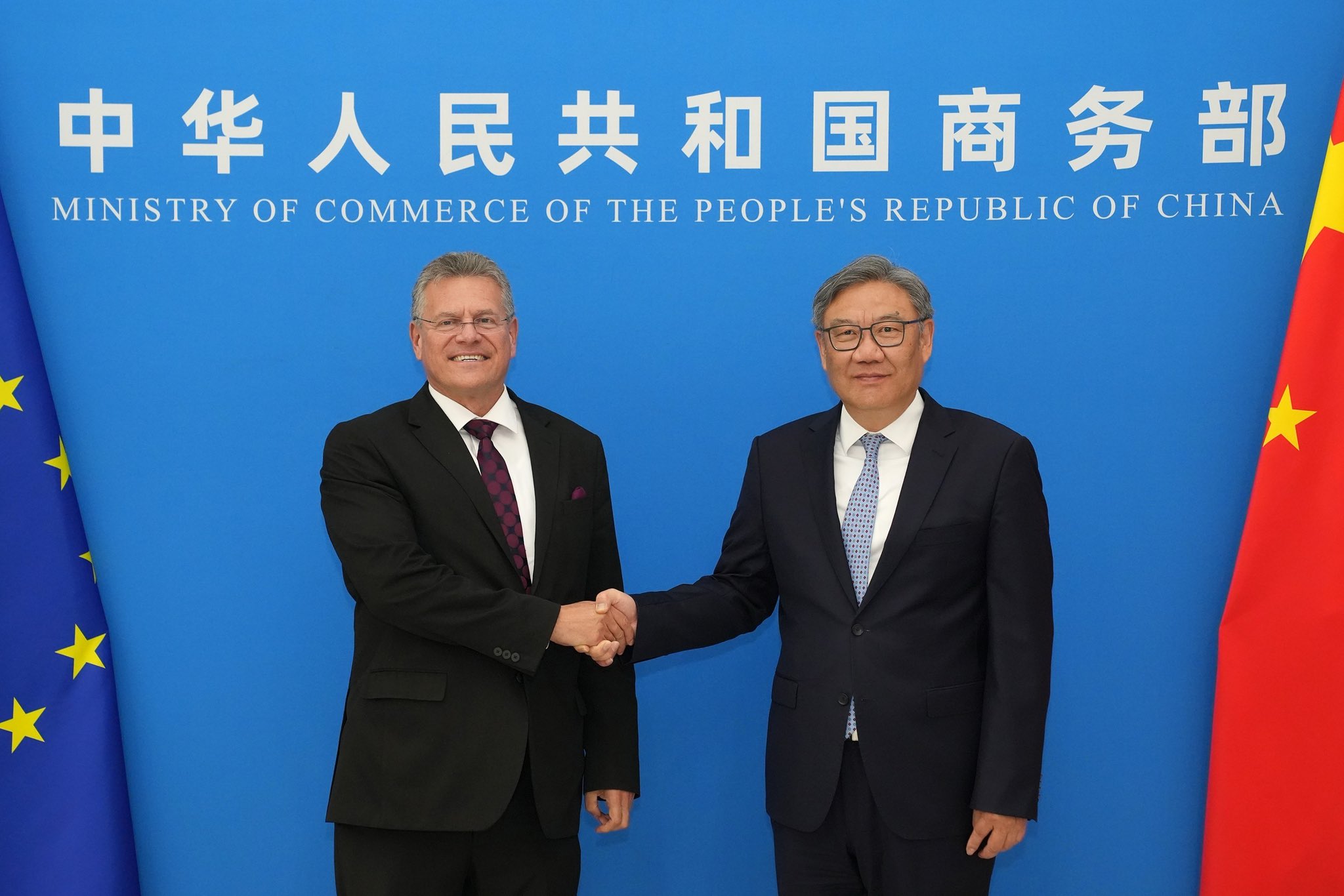
Economic warfare in Europe has stranded Russia in the global market, but has yet to produce a reduction in its ambitions. Yet the EU is seeking to expand penalties with no clear outcome in hand.
Jul 29, 2026
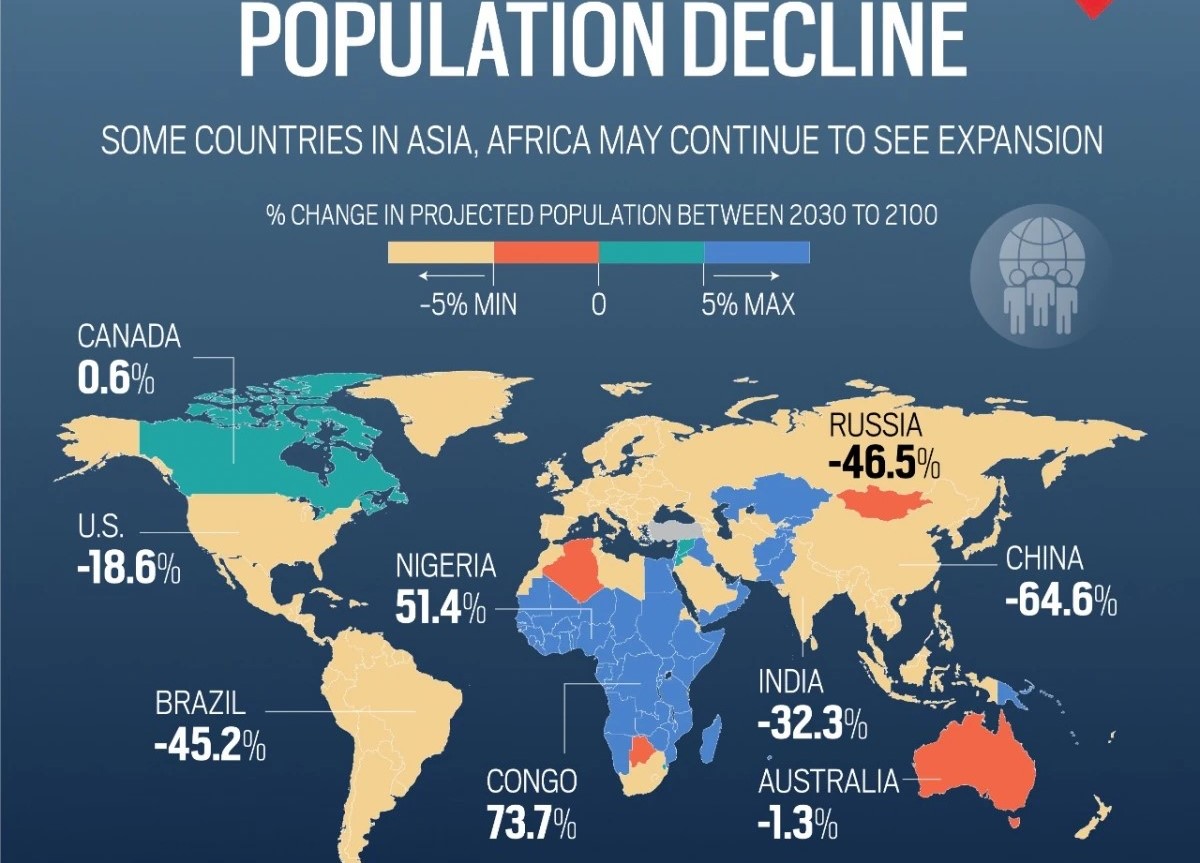
Changing demographics relating to the economy have raised righteous concerns in stories about China, Japan, even the United States. Europe hasn’t come under the same scrutiny, but a closer look reveals adjacent hurdles coming in the next decade. Europe seems unprepared for these changes and remains focused on restoring its former global standing rather than adapting to a new reality in which other powers continue to pull ahead.
Jun 26, 2026
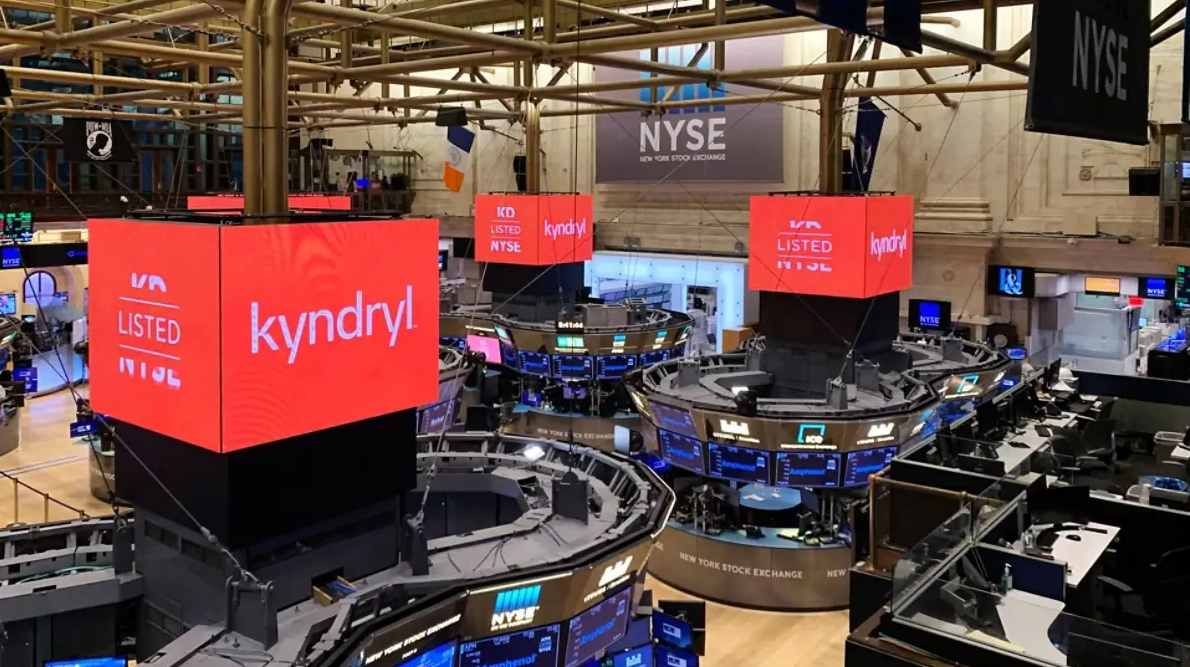
Europe is increasingly applying the same economic-security standards to U.S. firms that it once reserved for China, reflecting growing concerns over strategic dependence and American jurisdiction. However, while the EU has strengthened its ability to block foreign acquisitions, it still lacks the industrial capacity to replace them with competitive European alternatives.
May 22, 2026
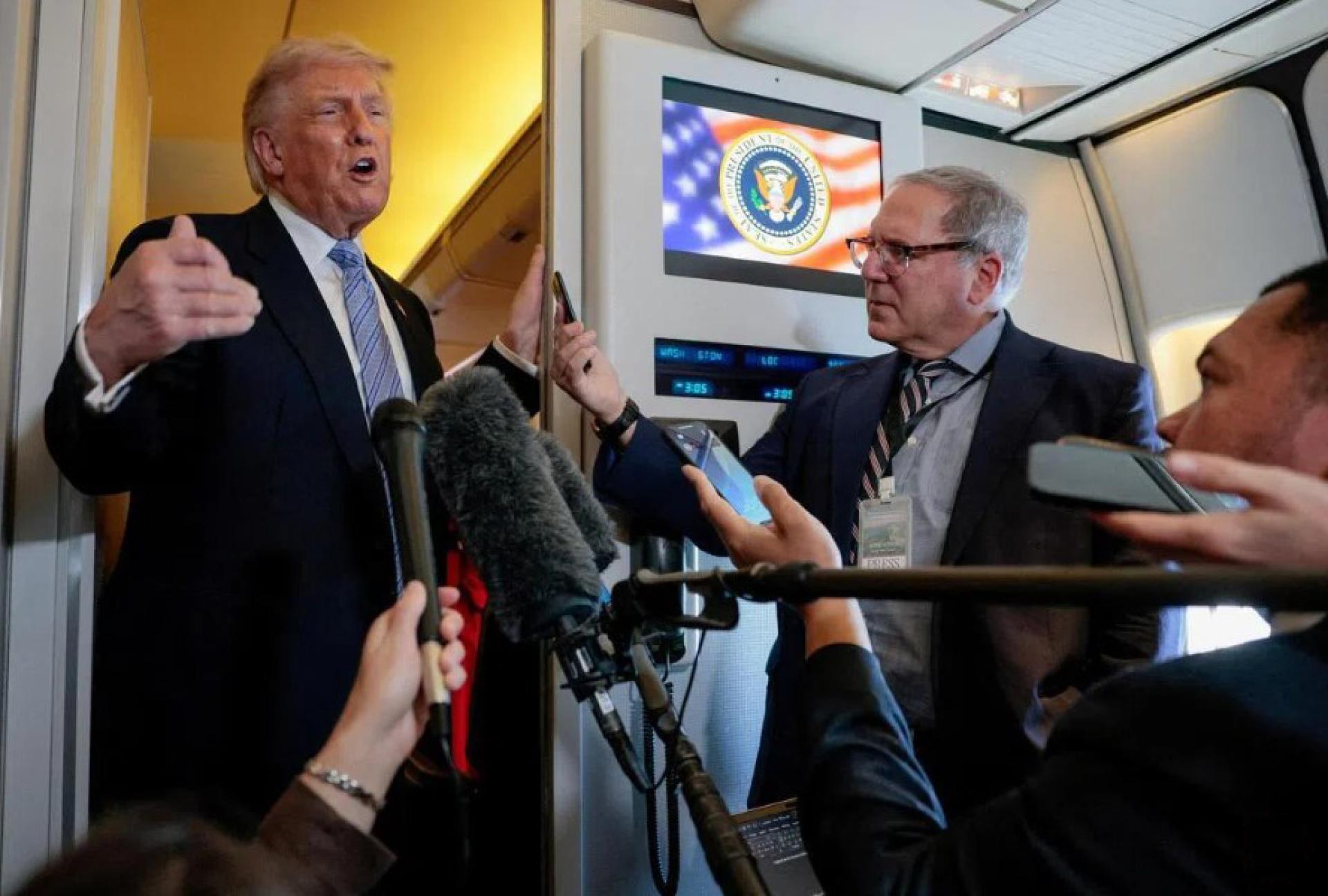
Trump’s high-stakes visit to China against a backdrop of conflict with Iran and economic tit-for-tat exchanges have made those issues the central focus for observers, but the shift in the U.S. President’s tone on Taiwan’s defense may be just as consequential as any deal that emerges.
Apr 21, 2026
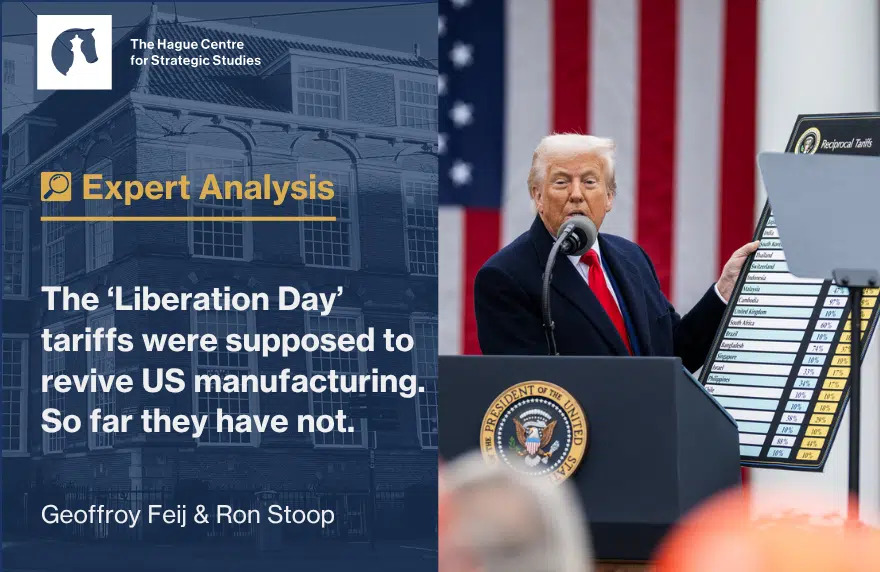
Trump’s tariffs failed to reshore manufacturing or reduce trade deficits, instead weakening U.S. alliances and strengthening China’s global position. They accelerated a shift in power toward control of supply chains and critical materials—an area where China holds a decisive advantage.

Mar 26, 2026
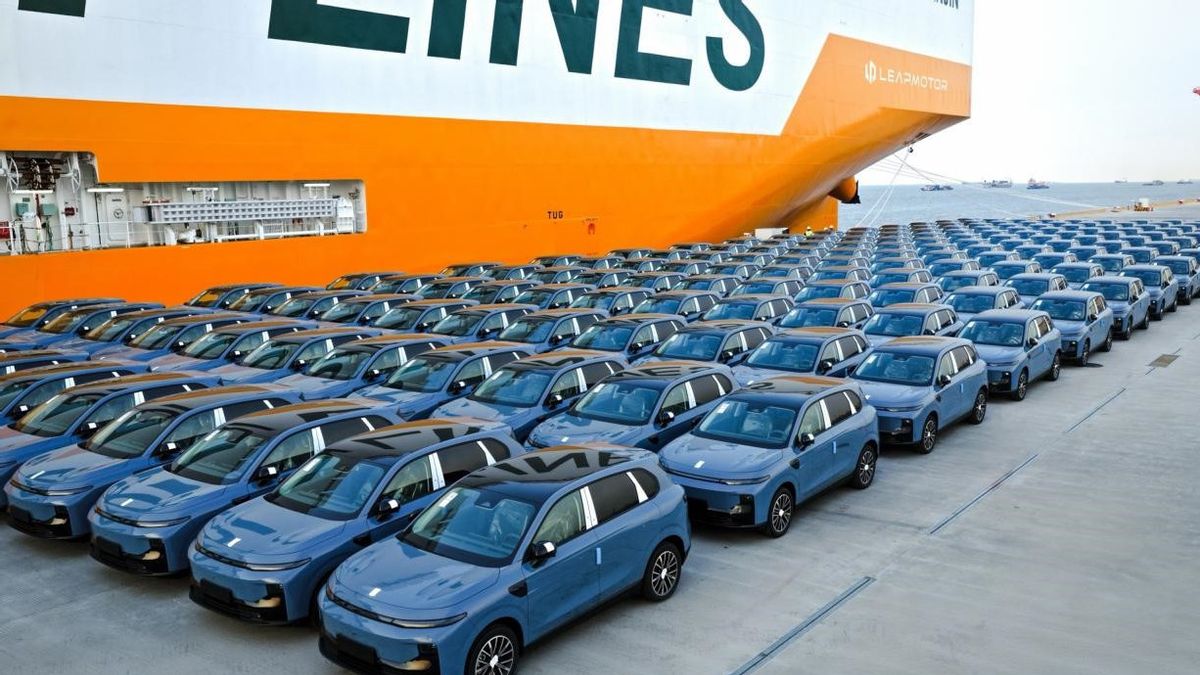
U.S. strikes on Iran that killed Supreme Leader Ali Khamenei redirected American military resources and attention from the Indo-Pacific to the Middle East. This shift allows China to strengthen its strategic position in Asia while the United States becomes absorbed in a secondary conflict.
Feb 14, 2026
Hostage Interdependence and Managed CohabitationThe land of Machiavelli, Richelieu, and Metternich has rediscovered a rule of power politics it once grasped ins
Jan 13, 2026
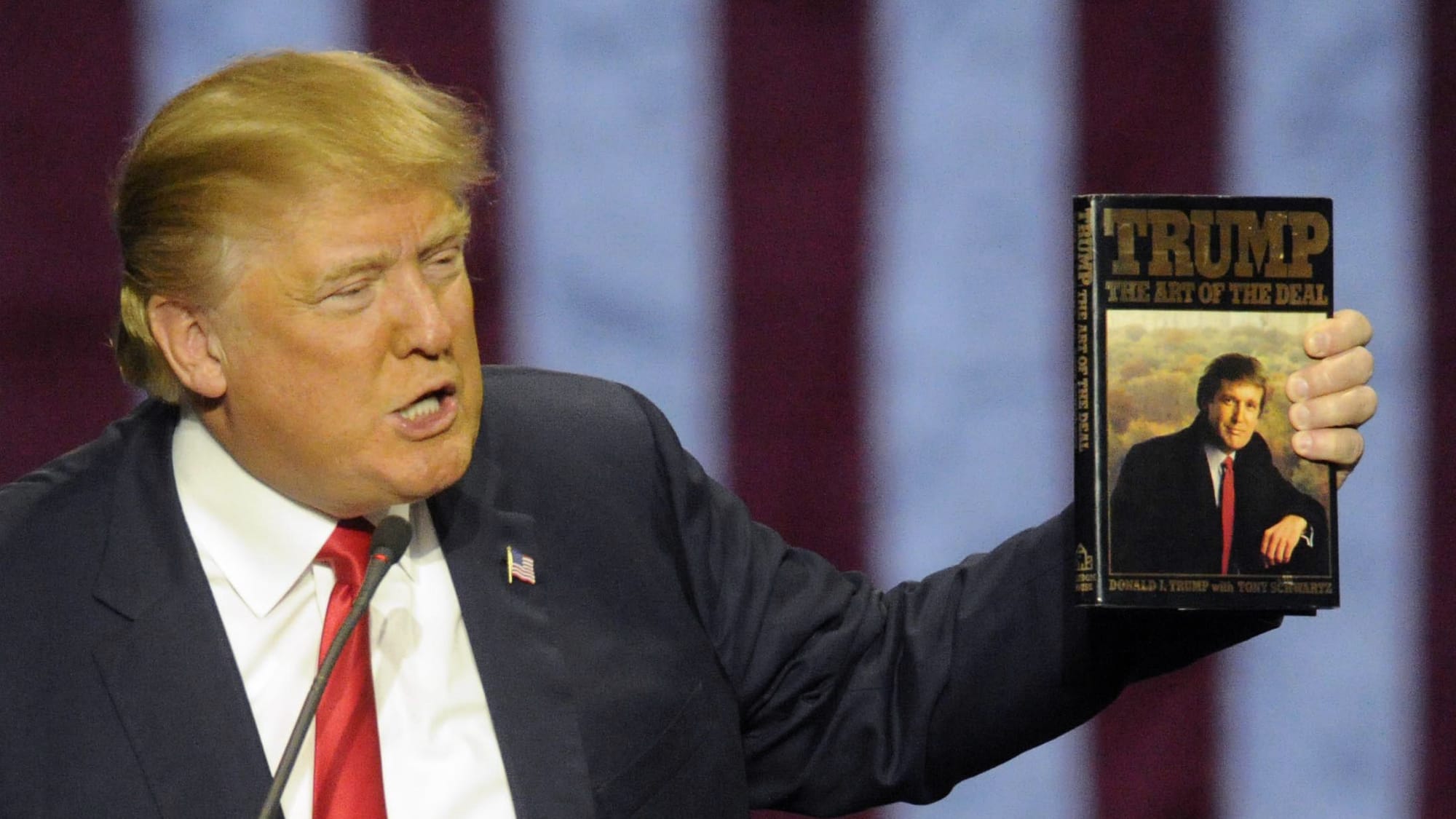
The Trump administration has merged state authority with private interests, treating political power as a monetizable platform rather than a system of public governance. From Beijing’s perspective, this validates China’s pragmatic approach to legitimacy and positions the U.S. as a conglomerate of private interests rather than a traditional state.
Dec 19, 2025
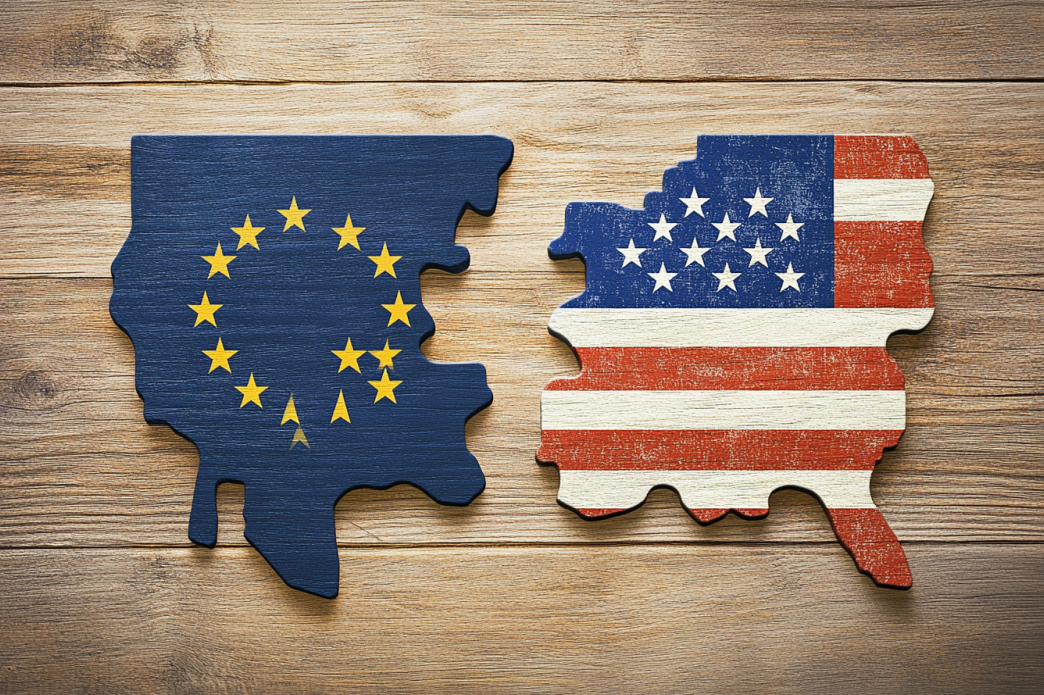
The Trump administration’s 2025 National Security Strategy reframes the U.S.-Europe relationship from a partnership based on law and institutions into one judged through identity, heritage, and demographic loyalty. This “Trump Corollary” marks a decisive break from the post-1949 transatlantic order and deepens the risk of a lasting rift between Europe and the United States.

Dec 08, 2025
In the near future, the supposed “multipolar” world has been deferred, giving way instead to “orbital bipolarity”—a system in which global politics and industry are pulled into competing gravitational fields centered on the United States and China. Multilateralism has become inert, and every other power now orbits these two anchors while maintaining the fiction of choice and autonomy.
