Li Yan, Director of President's Office, China Institutes of Contemporary International Relations
Mar 10, 2026
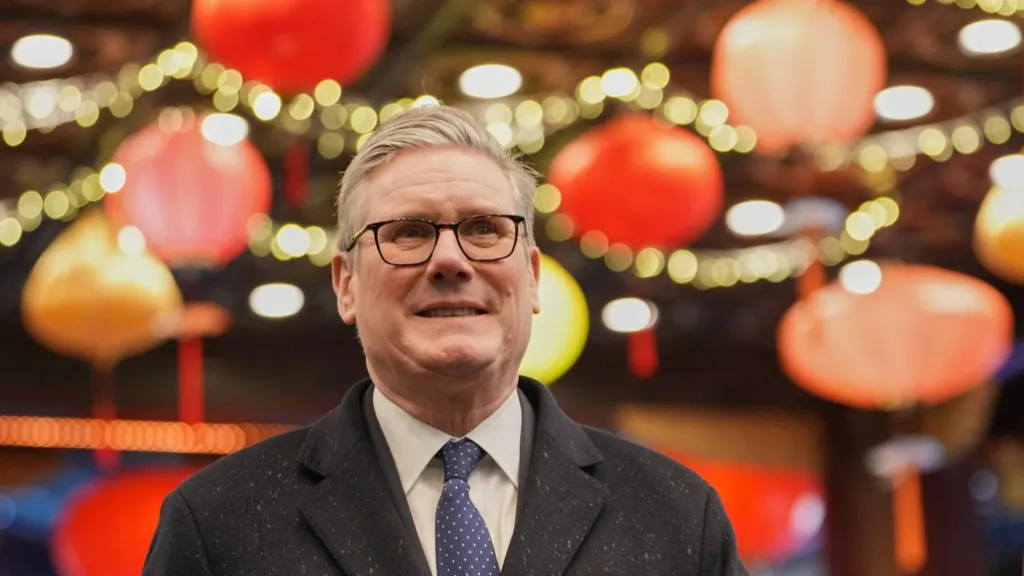
Even as the United States attempts to nudge its allies toward taking a tougher line on China, Washington is increasingly seen as an unreliable partner. Its pressure no longer brings automatic alignment. Other Western nations are choosing their own course.

Xiao Qian, Deputy Director, Center for International Security and Strategy at Tsinghua University
Mar 06, 2026
The Munich Security Conference reveals a shift in transatlantic ties as AI security becomes central to global debate. Europe is increasingly linking AI policy to technological autonomy, seeking to balance cooperation with the United States while strengthening its own strategic capabilities.

Tian Dewen, Senior Fellow, Institute of Global Governance and Development, Renmin University of China
Mar 06, 2026
Germany’s renewed engagement with China reflects deep shifts in the international system. As alliance cohesion weakens and multipolar trends advances, Berlin is exploring interest-based cooperation beyond traditional Western frameworks, signaling a broader transition from ideology-driven alliances toward pragmatic international partnerships.
Sebastian Contin Trillo-Figueroa, Geopolitics Analyst in EU-Asia Relations and AsiaGlobal Fellow, The University of Hong Kong
Feb 14, 2026
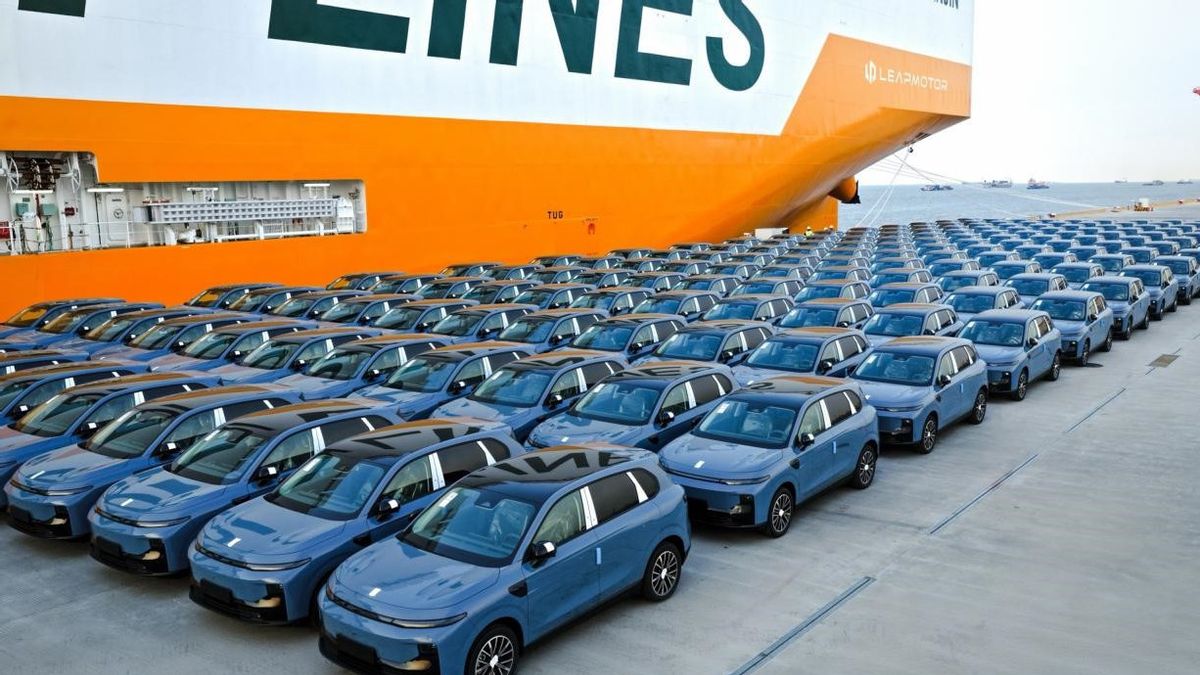
Hostage Interdependence and Managed CohabitationThe land of Machiavelli, Richelieu, and Metternich has rediscovered a rule of power politics it once grasped ins
Brian Wong, Assistant Professor in Philosophy and Fellow at Centre on Contemporary China and the World, HKU and Rhodes Scholar
Jan 07, 2026
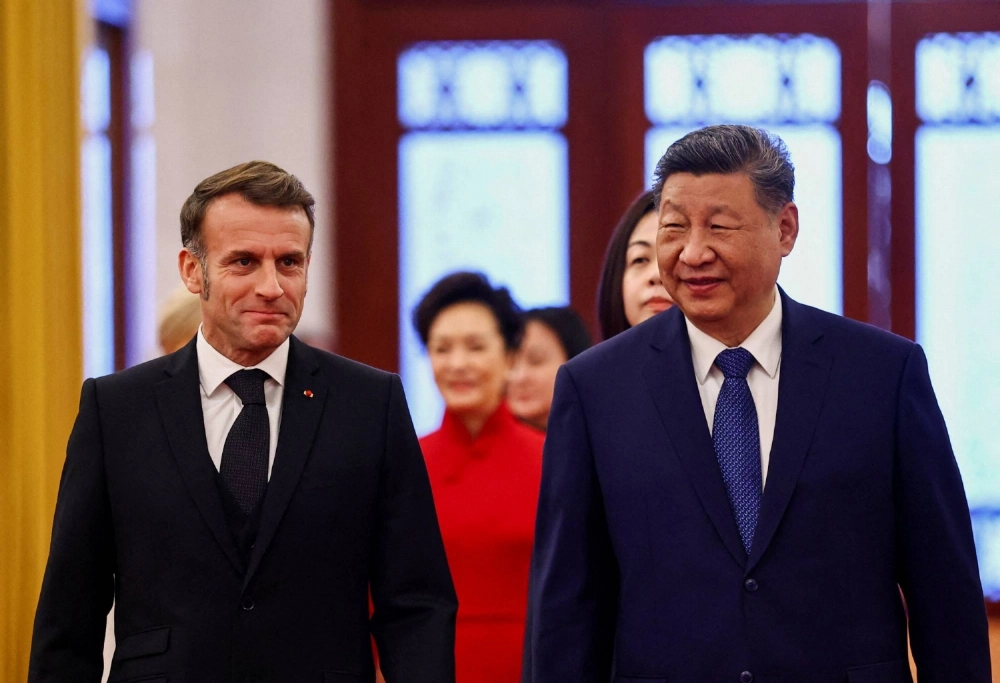
French President Emmanuel Macron’s recent visit to China reinforced bilateral ties through trade, investment, and scientific cooperation, yet yielded few breakthroughs on contentious issues like Ukraine or advanced technology transfer, reflecting Beijing’s guarded approach. While Macron projects a Neo-Gaullist vision of strategic autonomy and a “Third Way” between the U.S. and China, structural constraints in France and the enduring weight of trans-Atlantic ties limit the substantive impact of his approach.

Wang Youming, Senior Research Fellow of BRICS Economic Think Tank, Tsinghua University
Jan 05, 2026
China’s Global Governance Initiative contains some clear structural and cognitive differences compared with the West. Global governance has entered a post-Western era and requires the building of a new governance regime that features consultation and sharing.
Sun Chenghao, Fellow, Center for International Security and Strategy of Tsinghua University; Munich Young Leader 2025
Dec 08, 2025
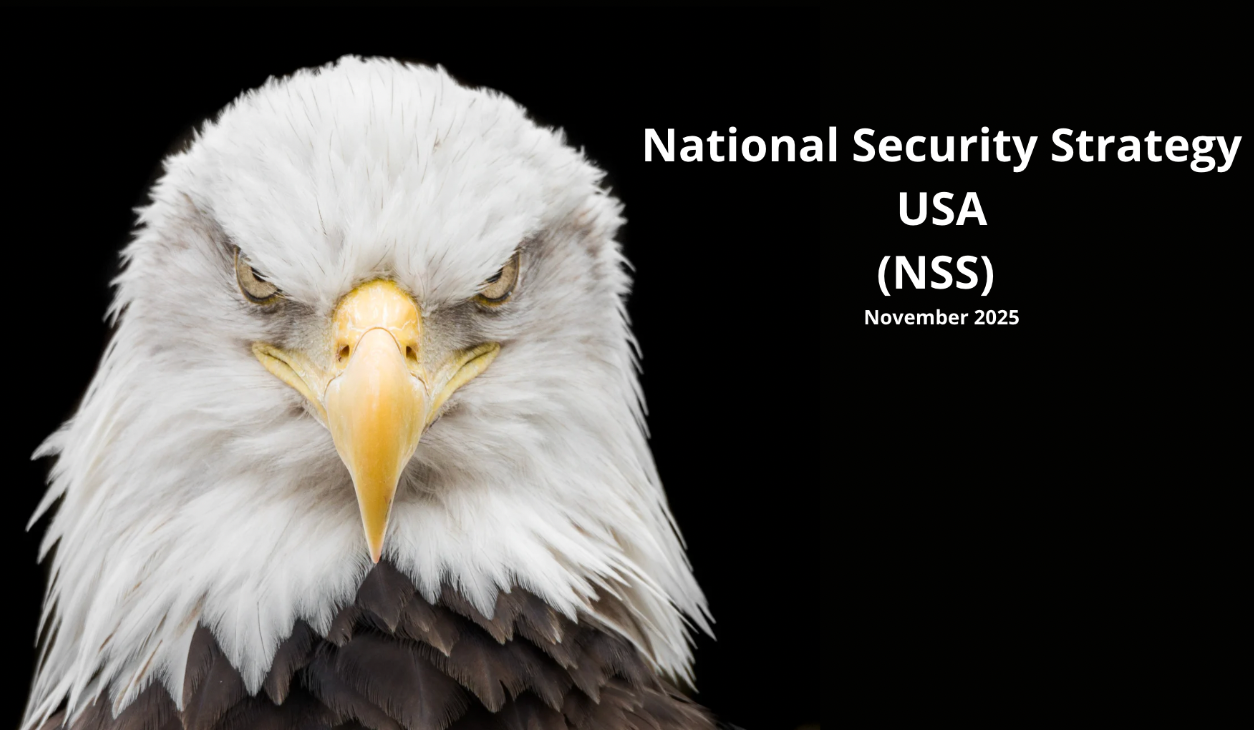
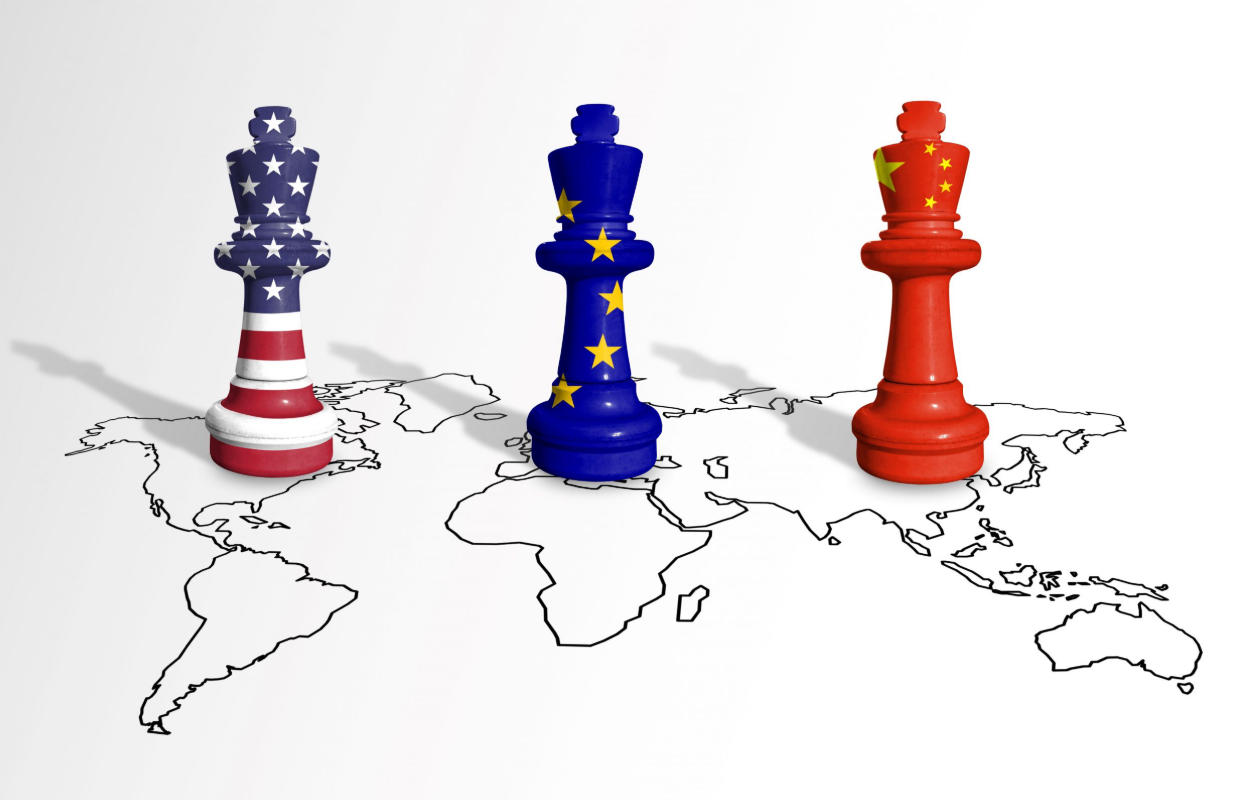
Reframing Europe as an example of civilizational erosion reinforces crisis narratives among conservatives in the United States while mirroring problems that exist within Europe itself. In effect, Washington is using Europe’s crisis to tell a story about America.
Dong Yifan, Associate Research Fellow, Belt and Road Academy of Beijing Language and Culture University
Nov 28, 2025
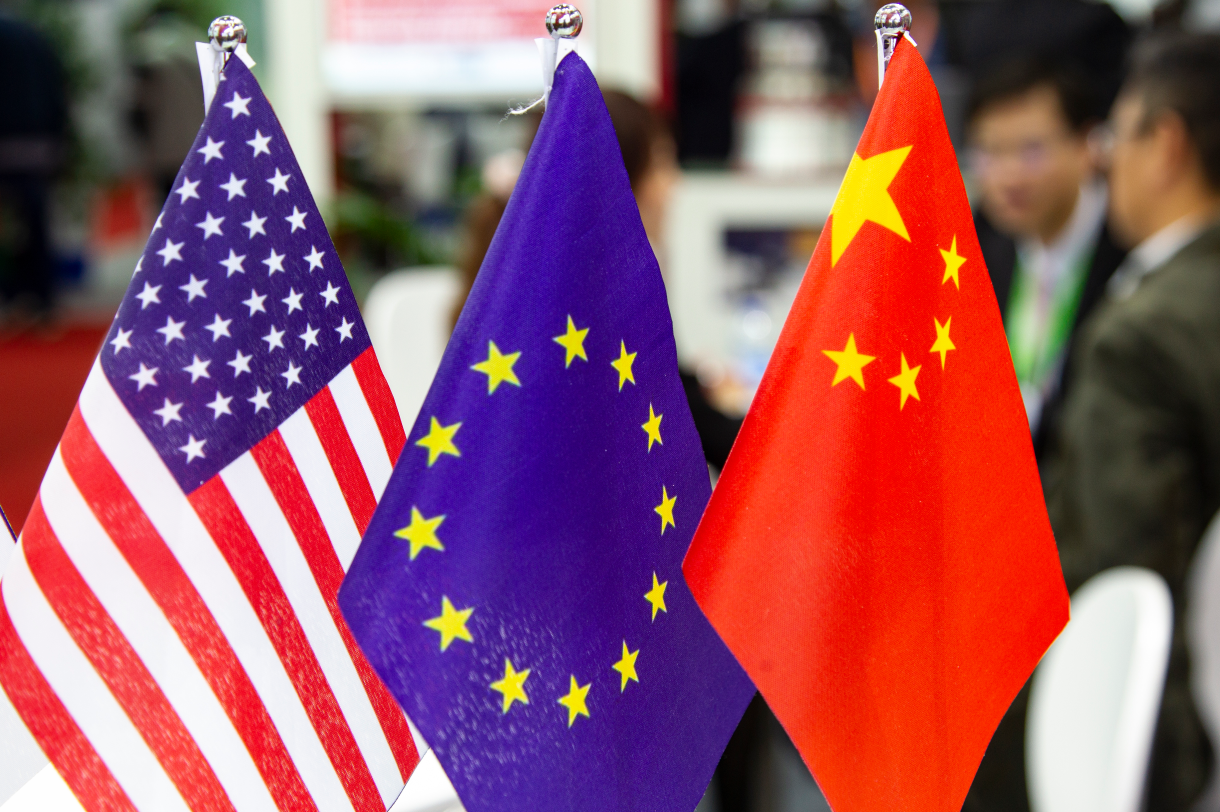
By sacrificing Chinese interests to signal alignment with the United States, the European Union overestimates its own leverage and underestimates China’s resilience and strategic resolve, thereby complicating pragmatic China-EU cooperation and impeding coordination on global challenges.
Sebastian Contin Trillo-Figueroa, Geopolitics Analyst in EU-Asia Relations and AsiaGlobal Fellow, The University of Hong Kong
Oct 22, 2025
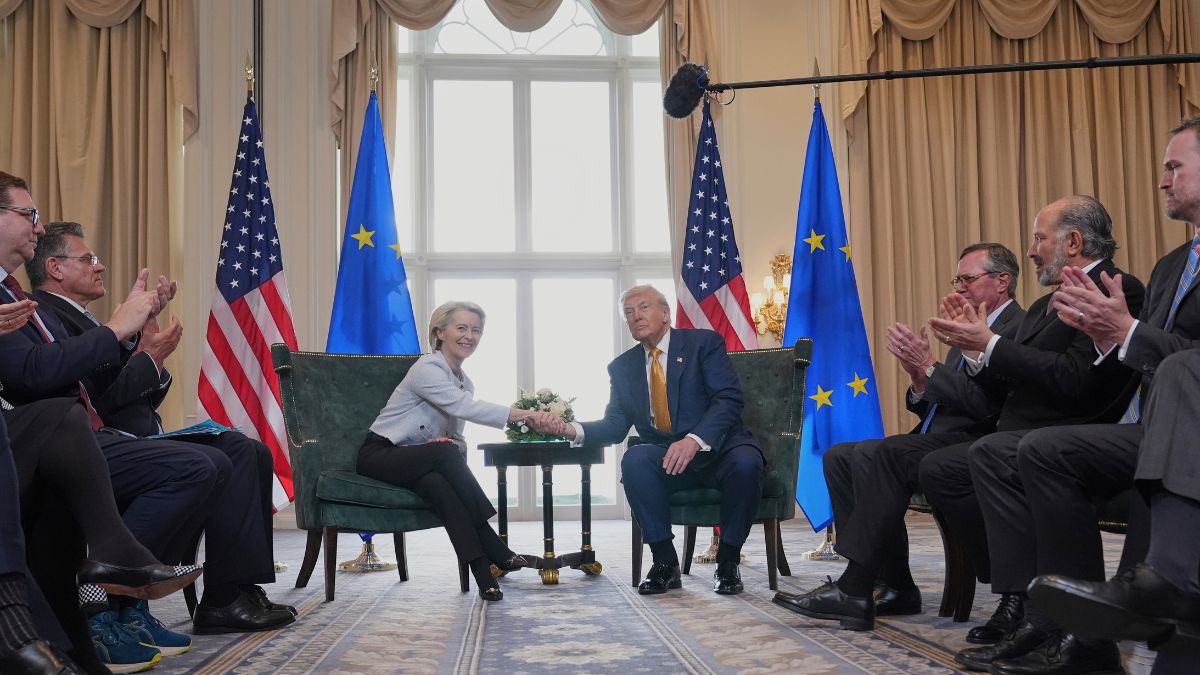
Europe has failed to establish a coherent strategy toward China, shifting inconsistently between partnership, competition, and rivalry without defining clear objectives. Ursula von der Leyen’s 2025 State of the Union address, which omitted any substantive mention of China, marked the collapse of the EU’s China policy and exposed its strategic paralysis amid U.S. pressure and Chinese influence.
Zhang Monan, Deputy Director of Institute of American and European Studies, CCIEE
Sep 19, 2025
The U.S. president has upended the traditional liberal international order, recalibrated relations with allies and is poised to exert a profound influence on the global strategic landscape through transactional alliances.
Back to Top

- China-US Focus builds trust and understanding between the U.S. and China through open dialogue among thought leaders.