Lucio Blanco Pitlo III, Member of Board of Directors, Philippine Association for Chinese Studies
Oct 23, 2026
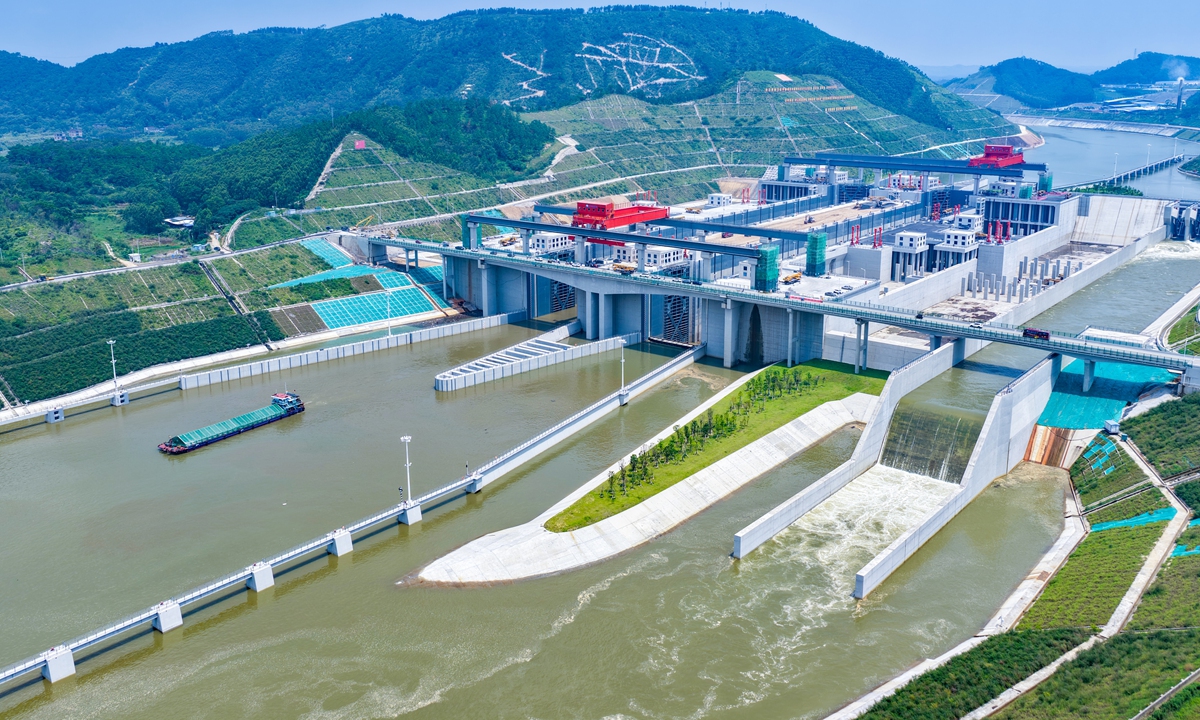
The Pinglu Canal gives landlocked southwestern China faster, cheaper access to the sea and offers maritime ASEAN a new route to European markets through China’s freight rail network. Its benefits can flow both ways, from Vietnamese exporters reaching inland China to new momentum for the Beibu Gulf region, while also showcasing China’s engineering capacity.
Christopher A. McNally, Professor of Political Economy, Chaminade University
May 08, 2026
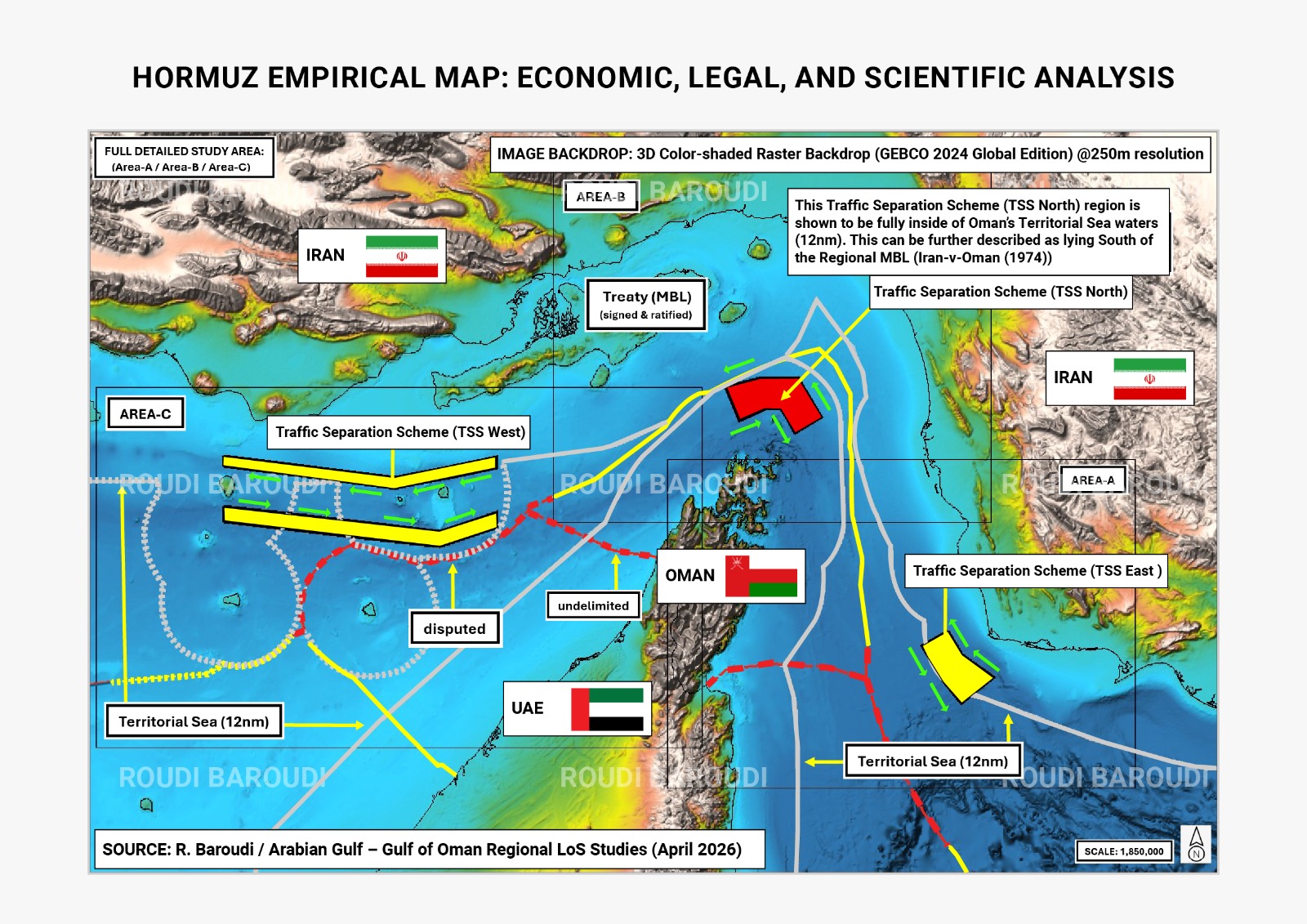
The Strait of Hormuz crisis is driving a new era of geoeconomics shaped by national security, trade disruption, and coercive power. The resulting energy shock is accelerating the global shift toward green energy and increasing China’s influence in the emerging economic order.
Zhao Xiuye, Pre-doctoral Research Fellow, Centre on Contemporary China and the World
Apr 24, 2026
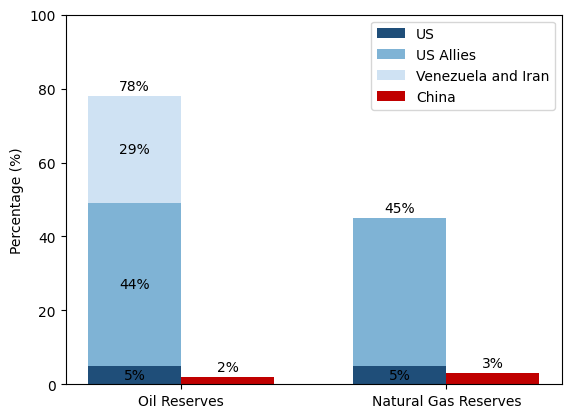
For countries dependent on imported oil, America’s war with Iran and its disruptions on global oil supplies have made China’s renewable energy strategy more attractive. While the Trump administration is doubling down on global oil dominance, China has an opportunity to strengthen its position as the renewable powerhouse while managing concerns of over dependence on Chinese renewable technologies and supply chains.

Lucio Blanco Pitlo III, Member of Board of Directors, Philippine Association for Chinese Studies
Apr 21, 2026
A global energy crisis has created an opportunity for the Philippines and China to improve relations through increased diplomatic engagement, expanded economic cooperation, and renewed focus on energy security despite ongoing maritime disputes. China’s ability to supply fuel, invest in infrastructure, and support renewable energy development positions it as a key partner in strengthening the Philippines’ energy resilience and economic stability.
Richard Weitz, Senior Fellow, Hudson Institute
Jan 16, 2026
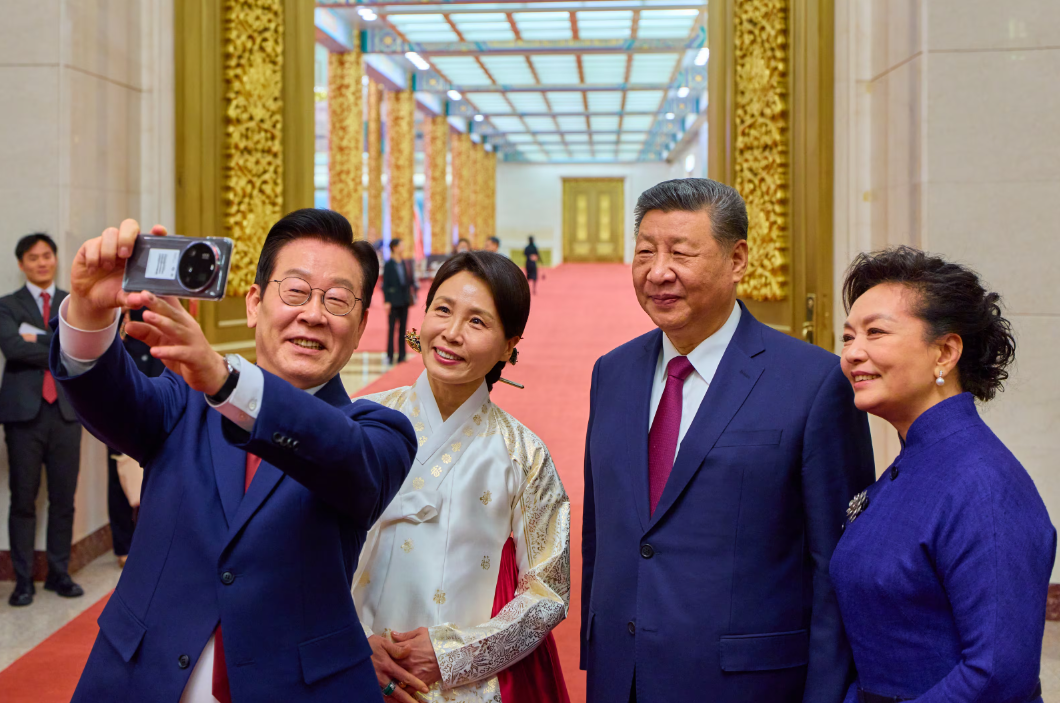
South Korea has recently proven atypically successful in straddling regional tensions involving China, but Beijing’s strained relations with Washington and its allies will sorely test Seoul’s pragmatic diplomacy in 2026.

Sun Chenghao, Fellow, Center for International Security and Strategy of Tsinghua University; Munich Young Leader 2025
Jan 06, 2026
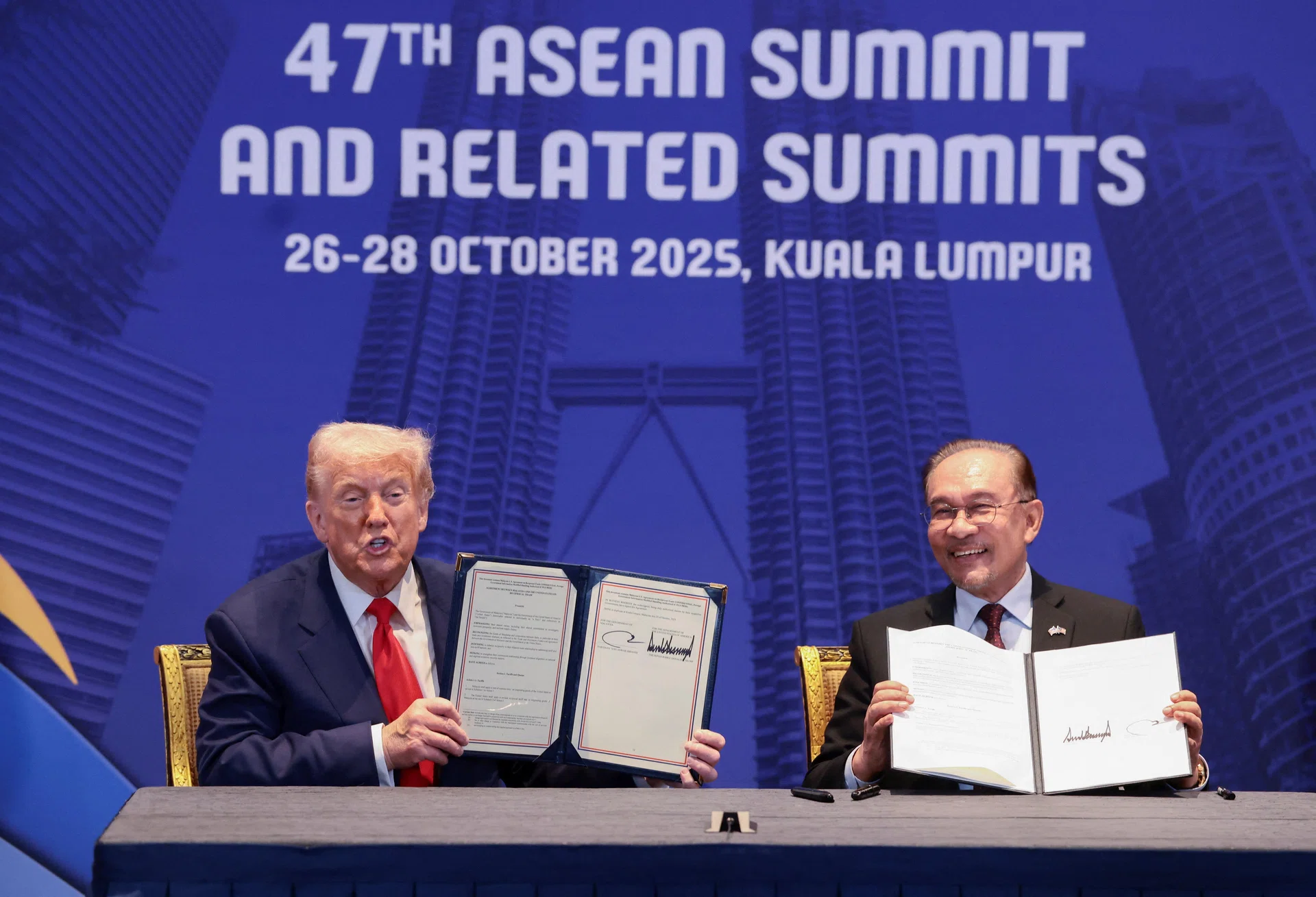
For China-U.S. relations today, the realistic question is not how to construct a G2 but how the two countries can find a workable mode of coexistence under conditions in which cooperation and competition can coexist.
Bibek Raj Kandel, New World AsiaGlobal Fellow Energy and Climate Policy Expert
Diana Teoh, Asia Global Institute Fellow
Dec 15, 2025
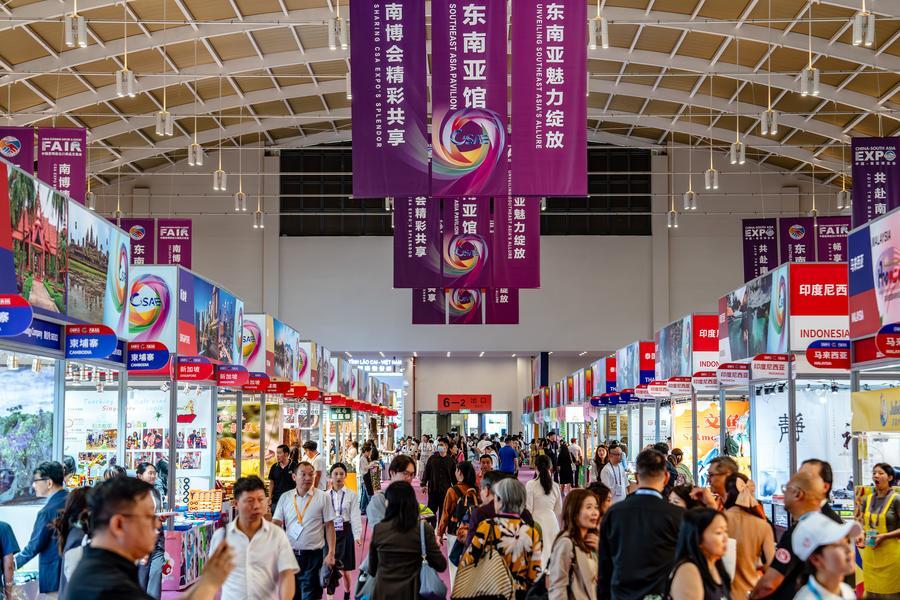
For decades, Western multinationals and tech firms built Malaysia’s export base while China financed its railways, ports, and industrial zones -- a balance Kuala Lumpur managed with unusual ease. Now, rare-earth ambitions are pulling that equilibrium in new directions, intensifying debates at home over control, national interest, and how far neutrality can stretch.

Dan Steinbock, Founder, Difference Group
Nov 28, 2025
When Japan’s new prime minister Sanae Takaichi took office, she pledged to focus on economic improvement. After her Taiwan comments, new missteps could prove costly to Japan, the region, even the world.
Bibek Raj Kandel, New World AsiaGlobal Fellow Energy and Climate Policy Expert
Oct 28, 2025
Bangladesh’s deepening energy crisis has made it the center of a regional contest, with China expanding investments and India seeking to use geography to retain influence. Dhaka’s post-election energy choices will determine whether Delhi can convert that leverage into lasting power or yield ground to Beijing’s faster-moving ambitions.
Philip Cunningham, Independent Scholar
Oct 24, 2025
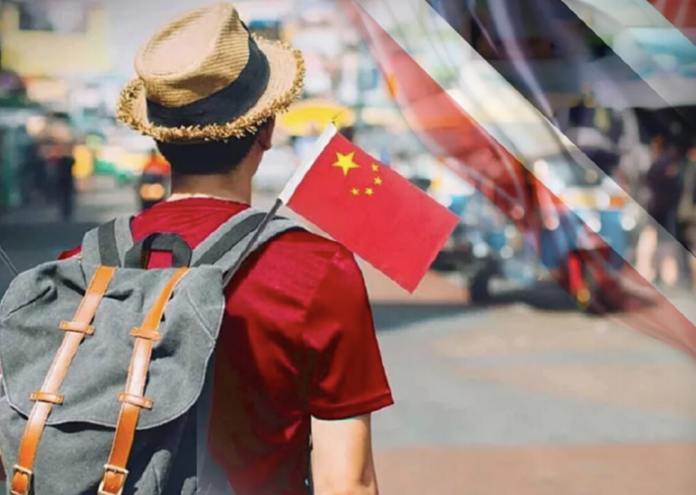
Chinese tourists dominate temple-centered travel in Asia, with Thailand seeing a sharp drop due to safety and infrastructure issues, while Japan faces overcrowded destinations like Kyoto and Nara. Visitor patterns reveal regional tourism, commerce, and cultural trends, leading into Part Two’s focus on China’s domestic travel.
Back to Top

- China-US Focus builds trust and understanding between the U.S. and China through open dialogue among thought leaders.