Wang Lei, Assistant Research Fellow, Institute of World Political Studies, CICIR
Mar 29, 2026
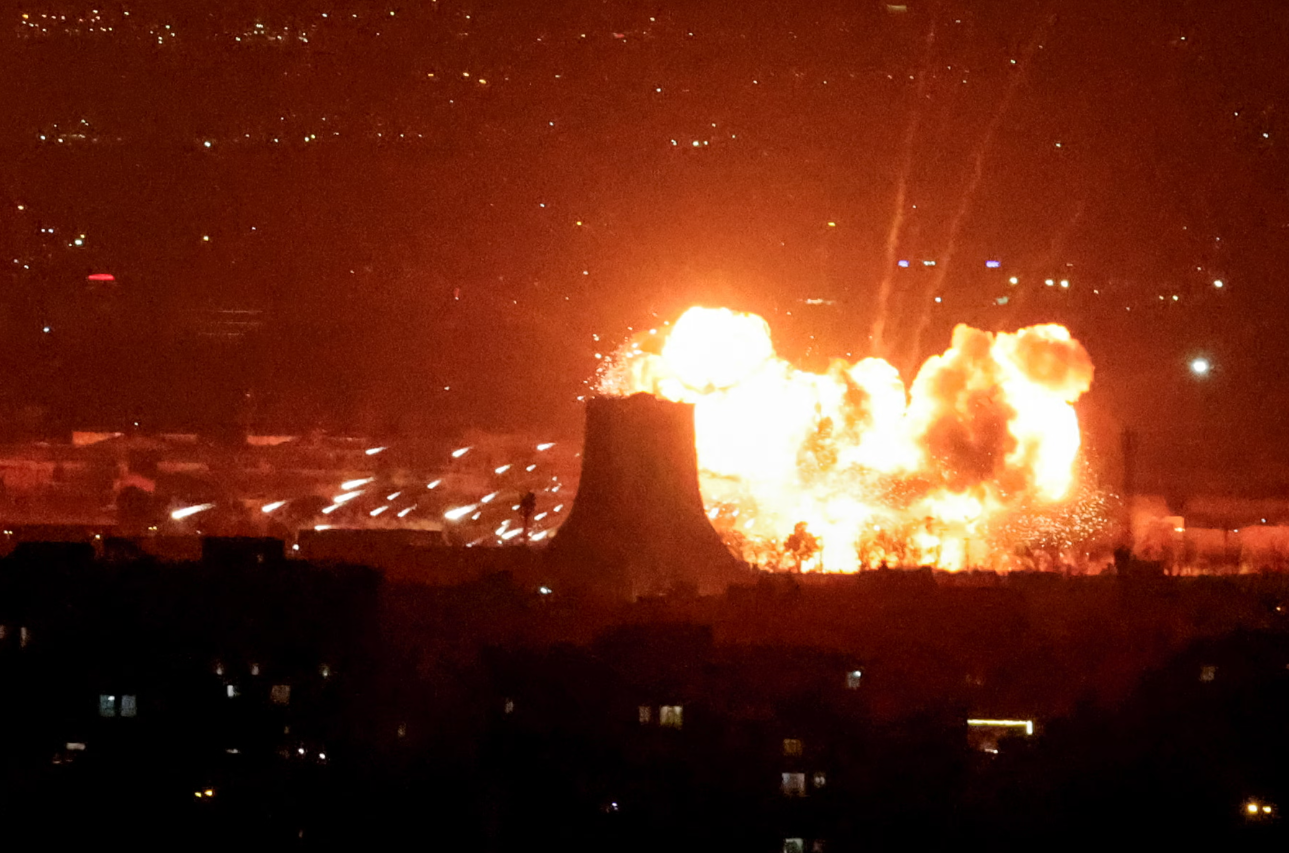
The contradictions between the Trump administration’s state strategies and outward actions highlight its new geopolitical interventionist mindset. It claims to oppose prolonged wars, yet it does not reject military means to pursue economic interests. Washington has exposed its hegemonic nature.
Ananth Krishnan, Director at The Hindu Group, and AsiaGlobal Fellow at University of Hong Kong
Mar 05, 2026
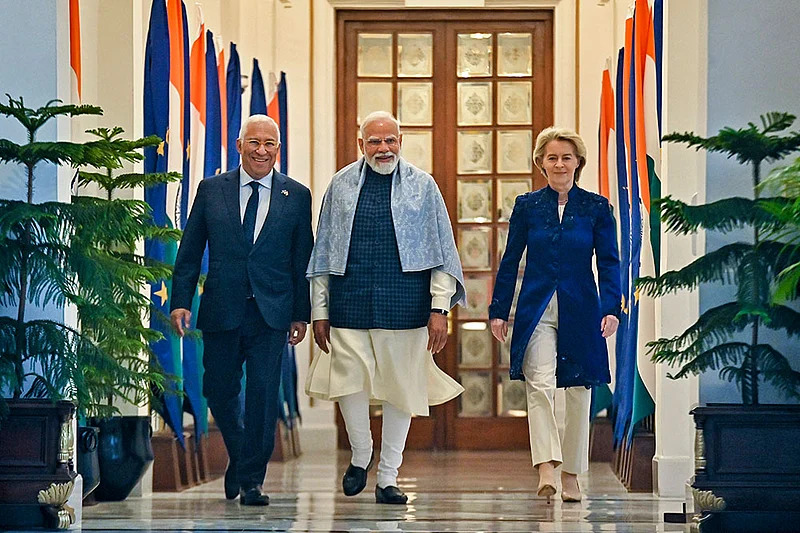
Growing instability in the global order and rising uncertainty in relations with major powers are driving countries such as India, Canada, Brazil, and European states to deepen cooperation with one another. These middle powers are increasingly pursuing strategic partnerships, trade agreements, and supply-chain coordination to preserve autonomy and stability amid great-power rivalry.
Lai Yuan, Assistant Fellow, Center for Latin-America Studies, Shanghai Institute for International Studies
Jan 23, 2026
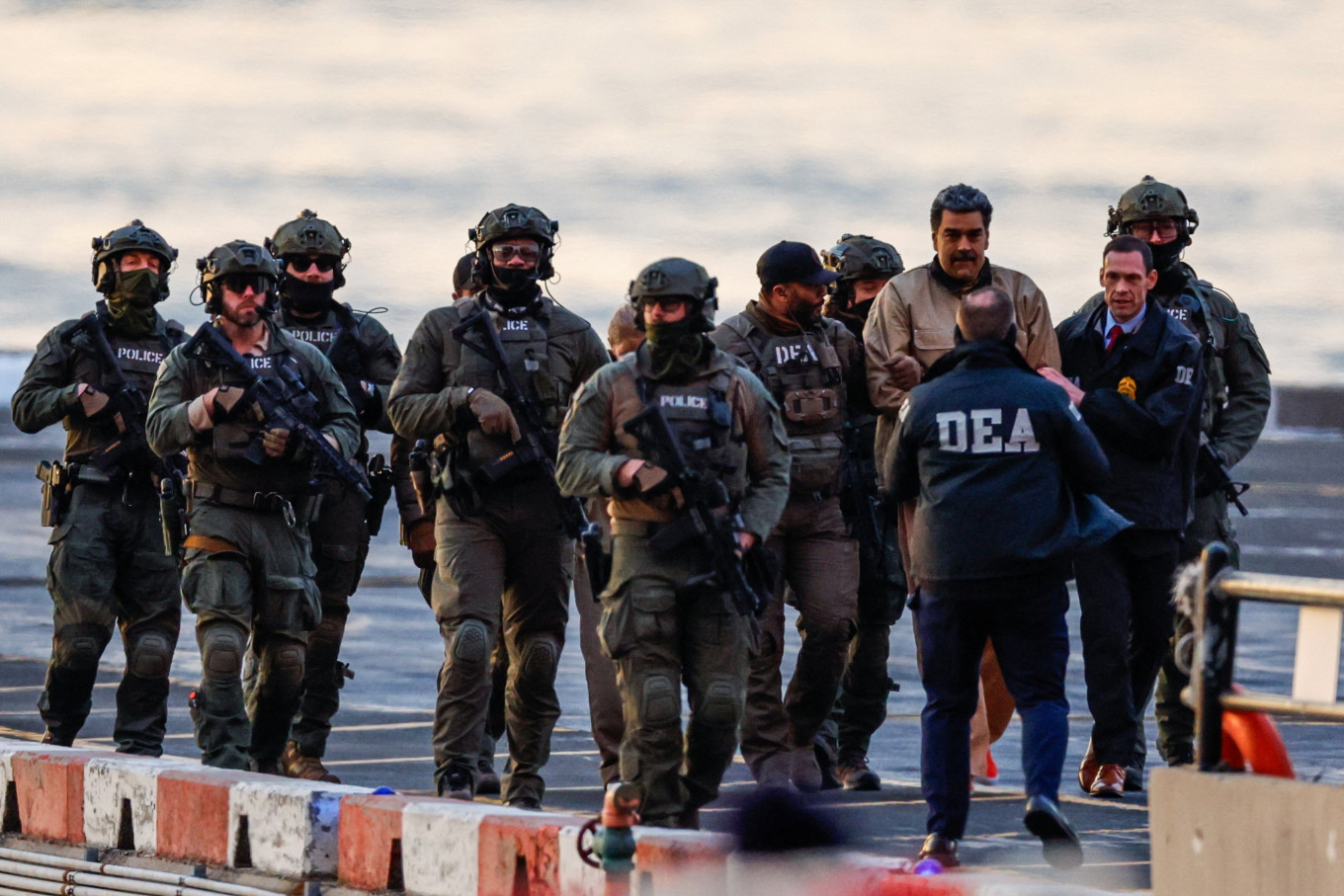
Today’s Venezuela will have a long and unpredictable road to travel before it can escape the shadow of the Noriega era. Operation Absolute Resolve will either bring the United States to the summit of hegemony or act as a fuse that ignites the collapse of the rules-based global order.
Zhao Long, Deputy Director and Senior Fellow, Institute for International Strategic and Security Studies, Shanghai Institutes for International Studies (SIIS)
Jan 19, 2026
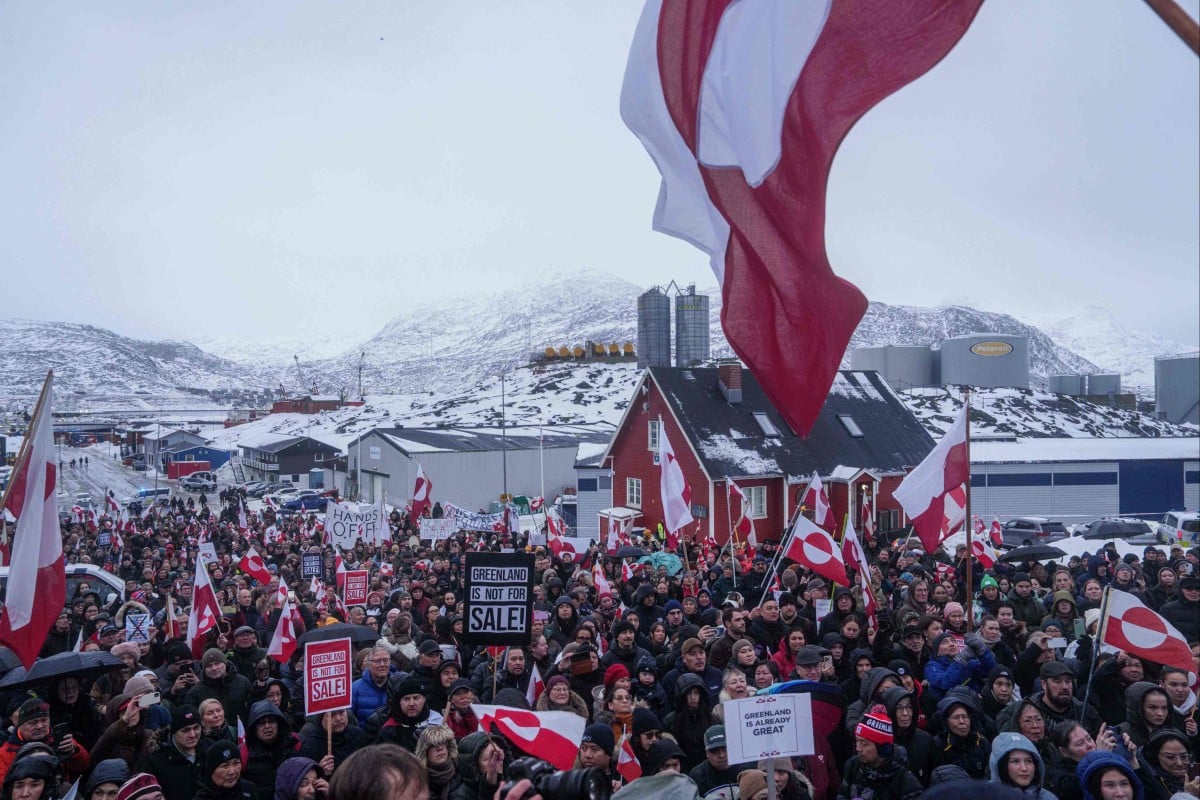
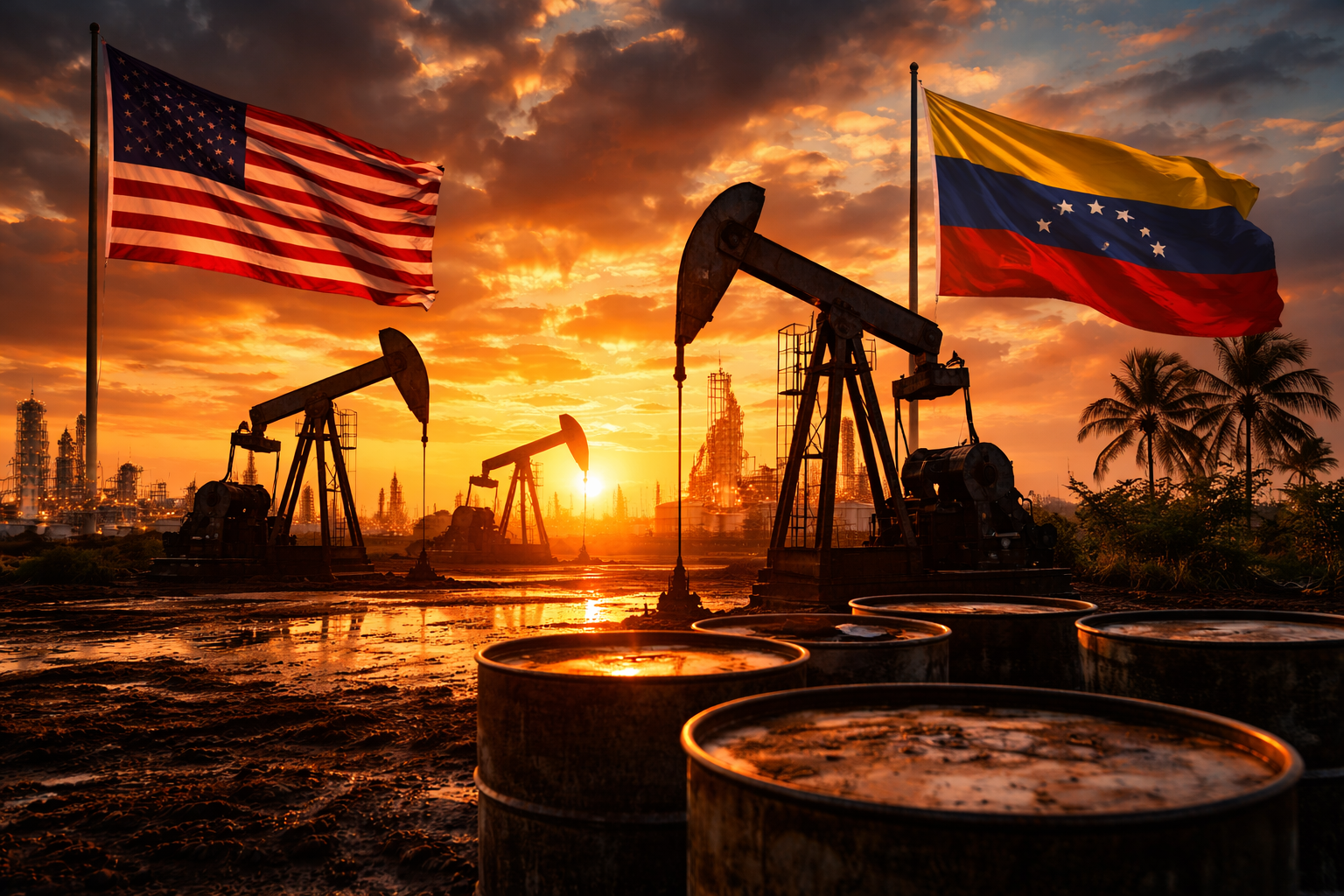
Trump cannot easily replicate his muscular intervention in South America because conditions are far different. But the methods that appeared effective in Venezuela are ill-suited to a territory that is deeply embedded in alliance politics and the international legal order.
Jayanath Colombage, Former Navy Chief and Former Foreign Secretary of Sri Lanka
Jan 19, 2026
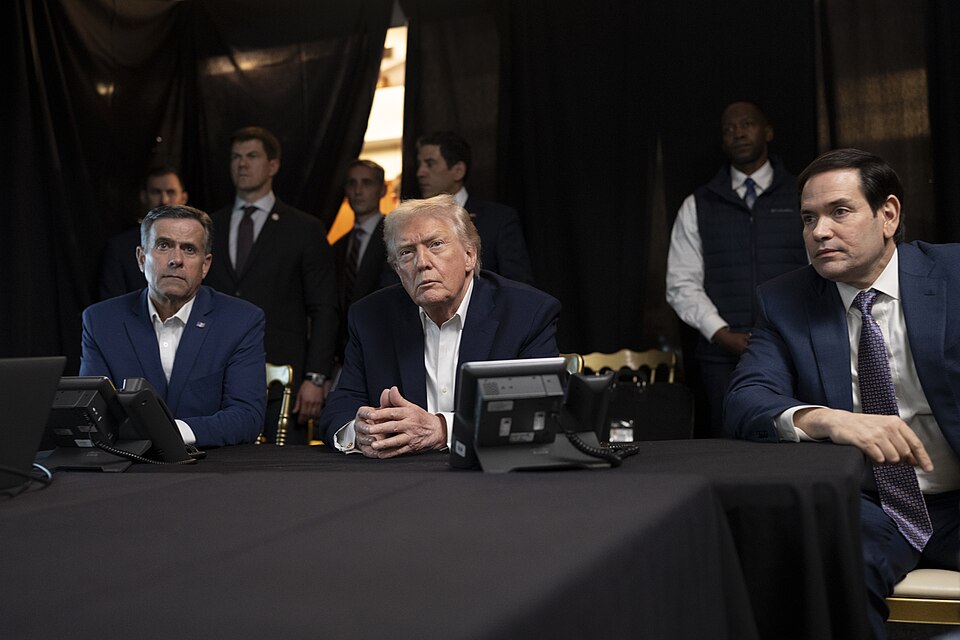
Many countries in the North appear to be justifying the action by the U.S., while most in the South are condemning it. It is especially important now that political leaders be aware of the true aspirations and hardships of their people and address them urgently before these can escalate into dissent.
Lucio Blanco Pitlo III, President of Philippine Association for Chinese Studies, and Research Fellow at Asia-Pacific Pathways to Progress Foundation
Jan 16, 2026
The U.S. operation to capture Venezuelan President Nicolás Maduro demonstrates Washington’s military power and intent to counter rival influence, particularly China, in the Western Hemisphere, but it violates international law and risks destabilizing the region. Such interventions often produce unintended consequences, embolden other powers to challenge norms, and expose smaller states to coercion, highlighting the dangers of unilateral actions under the guise of national or hemispheric security.
Sun Chenghao, Fellow, Center for International Security and Strategy of Tsinghua University; Munich Young Leader 2025
Jan 12, 2026
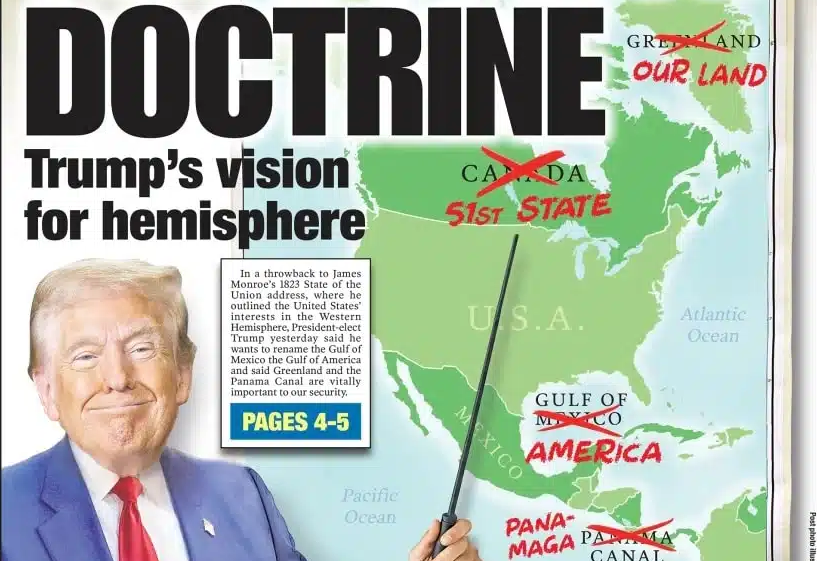
Is the United States engaging in retrenchment or a new form of hegemony? Venezuela and Greenland are not separate stories but a single thread. A more transactional, more emotional and more coercion-oriented U.S. is taking shape.

Nong Hong, Executive Director, Institute for China-America Studies; Senior Fellow, Beijing Club for International Dialogue
Jan 12, 2026
The cases of Greenland, Venezuela and Ukraine signal what’s coming in the next phase of global governance. It is not disappearing but is being rebuilt—faster, more contested and more deal-driven than ever under the pressure of crisis and rivalry.

Carla Norrlöf, Professor of Political Science at University of Toronto, non-resident senior fellow at Atlantic Council
Jan 07, 2026
The most important question stemming from America’s intervention in Venezuela is not whether it violated international law and norms, but what it reveals about the future of the liberal international order. Contrary to what some commentators say, that order is not collapsing, since its core pillars remain in place and the alternatives to them are still weak. But sustaining it will now involve more frequent discretionary US actions, and it will become increasingly unclear where the thresholds for future interventions lie.
Sujit Kumar Datta, Professor, Department of International Relations, University of Chittagong, Bangladesh
Jan 07, 2026
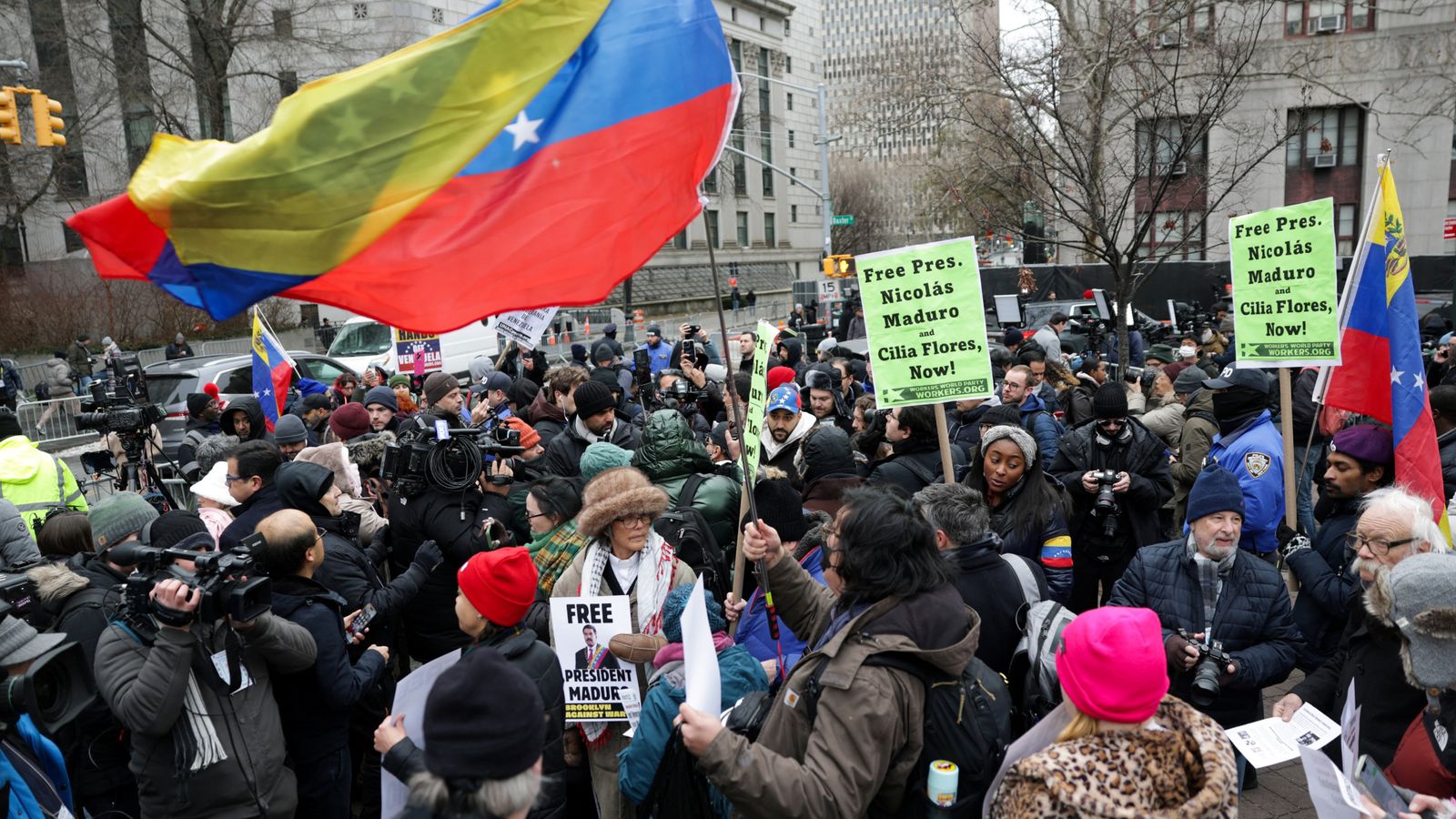
When lawless behavior by powerful nations can be carried out with virtual impunity—with no significant international opposition—a civilized world order founded on rules rather than brute force can no longer be guaranteed.
Back to Top

- China-US Focus builds trust and understanding between the U.S. and China through open dialogue among thought leaders.