Sebastian Contin Trillo-Figueroa, Geopolitics Analyst in EU-Asia Relations and AsiaGlobal Fellow, The University of Hong Kong
May 22, 2026
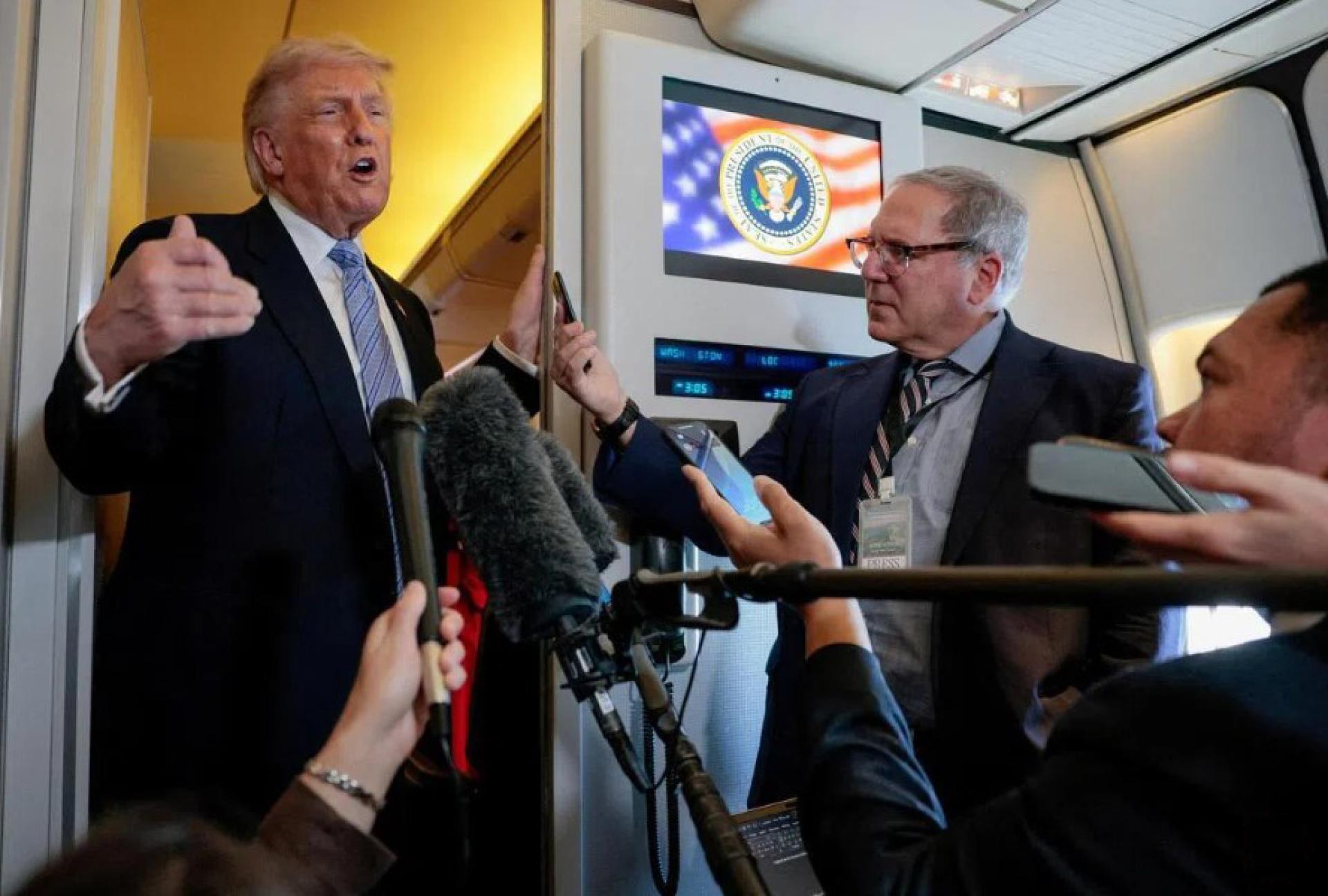
Trump’s high-stakes visit to China against a backdrop of conflict with Iran and economic tit-for-tat exchanges have made those issues the central focus for observers, but the shift in the U.S. President’s tone on Taiwan’s defense may be just as consequential as any deal that emerges.
David Shambaugh, Gaston Sigur Professor of Asian Studies, Political Science, and International Relations; Director of China Policy Program, George Washington University
May 04, 2026
When Presidents Xi Jinping and Donald Trump meet in Beijing on May 14-15, both are looking to stabilize the volatile and fraught U.S.-China relationship. Significant and diverse differences between the two sides will endure long beyond the summit meeting, but overall stabilization and progress on ten specific policy areas is achievable.
Zhang Tuosheng, Principal Researcher at Grandview Institution, and Academic Committee Member of Center for International Security and Strategy at Tsinghua University
Dec 02, 2025
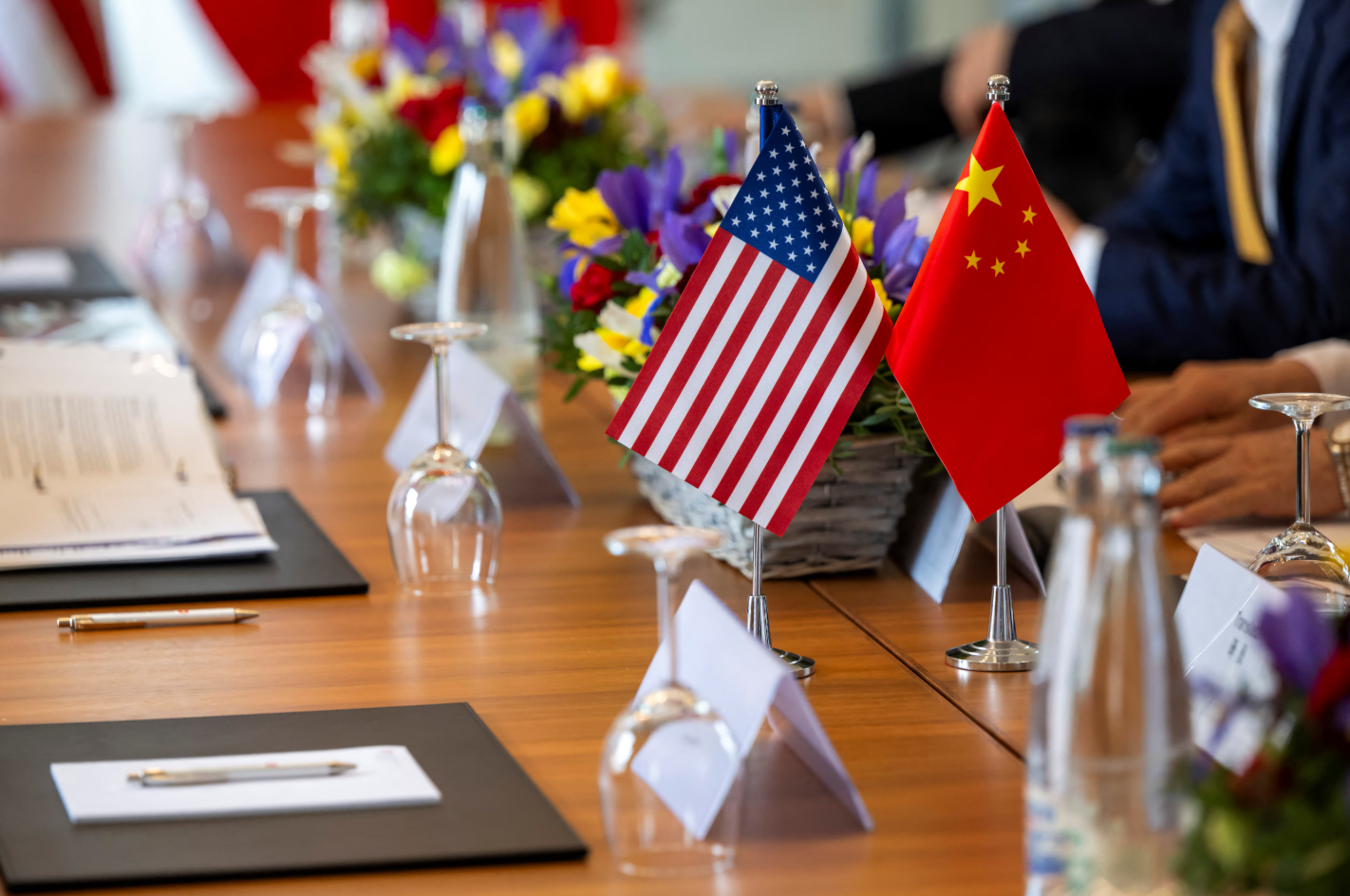
China and the U.S. must avoid both the Thucydides trap and the Cold War trap. This is not only in their strategic interest but also that of other countries in the region and around the world. Both sides must make major efforts jointly and in a sustained manner.
Warwick Powell, Adjunct Professor at Queensland University of Technology
Nov 26, 2025
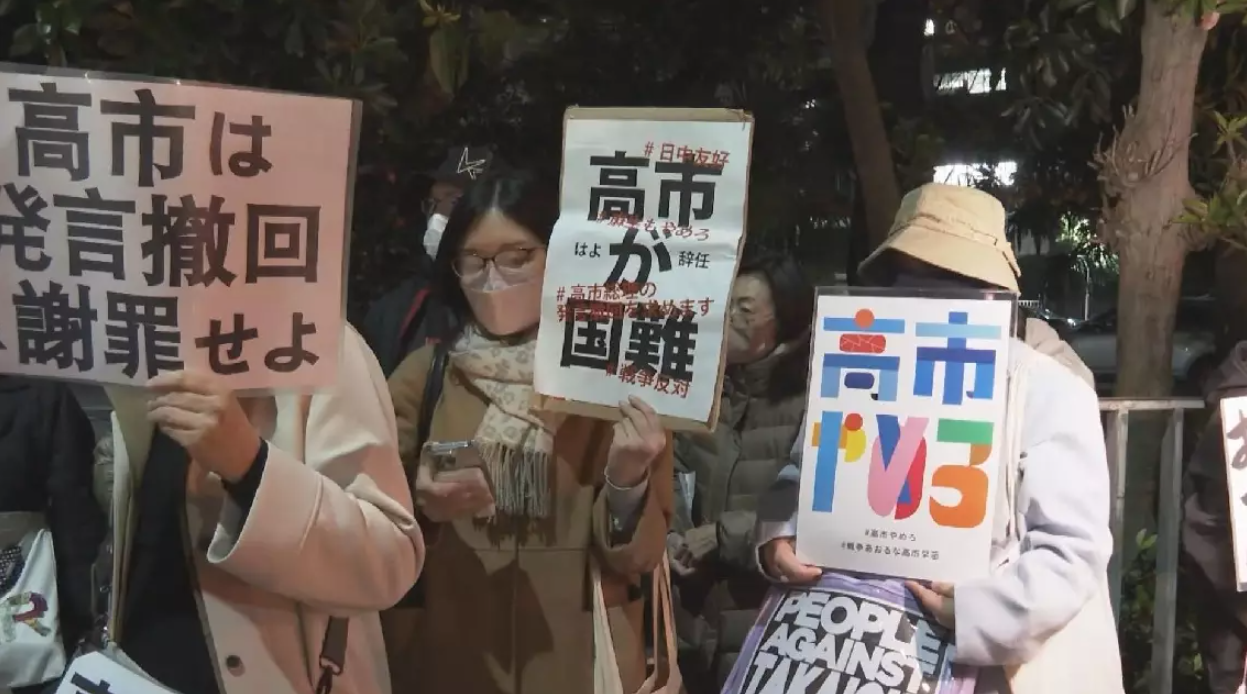
In mid-November 2025, Japan’s new prime minister, Sanae Takaichi, in a moment of parliamentary pressure, crossed a line that Beijing had long drawn in red ink.
Zhang Gaosheng, Researcher at Department of World Peace and Security, China Institute of International Studies
Oct 02, 2025
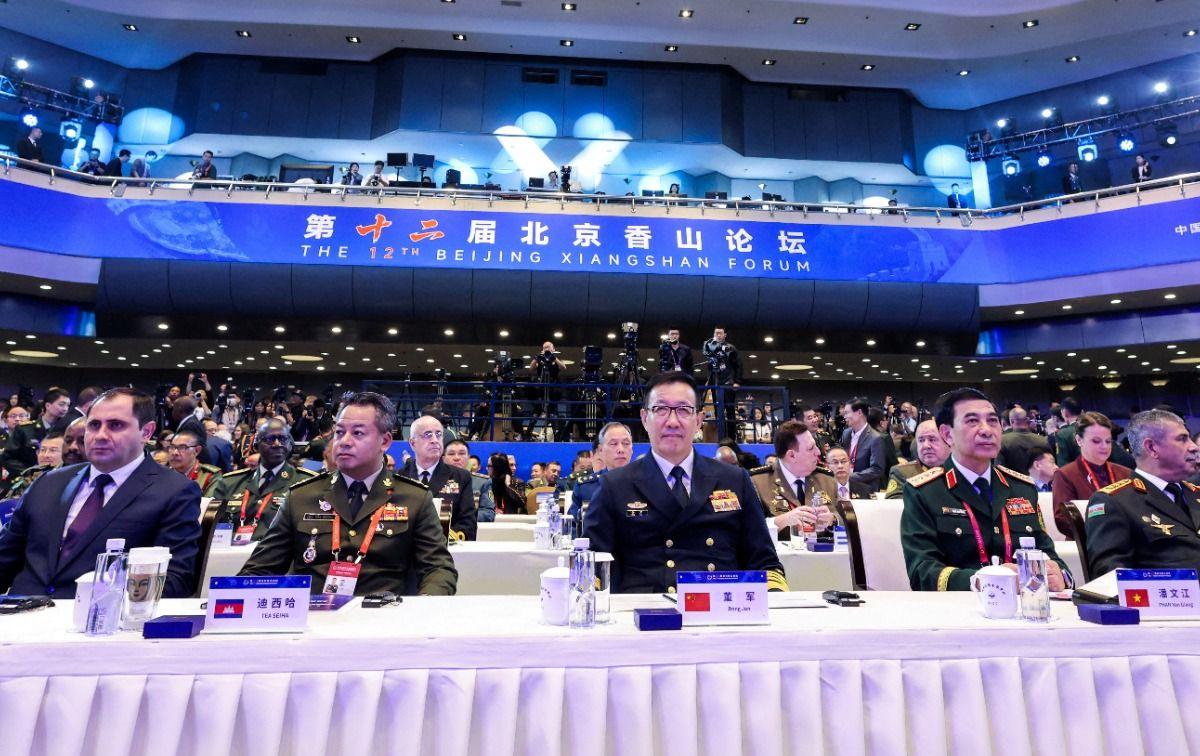
China and the United States should work to improve their crisis management mechanisms and to promote mutual trust and cooperation. In this way they can contribute to each other’s success, achieve common prosperity and bring benefits to themselves and the world.
Sujit Kumar Datta, Professor, Department of International Relations, University of Chittagong, Bangladesh
Jul 09, 2025
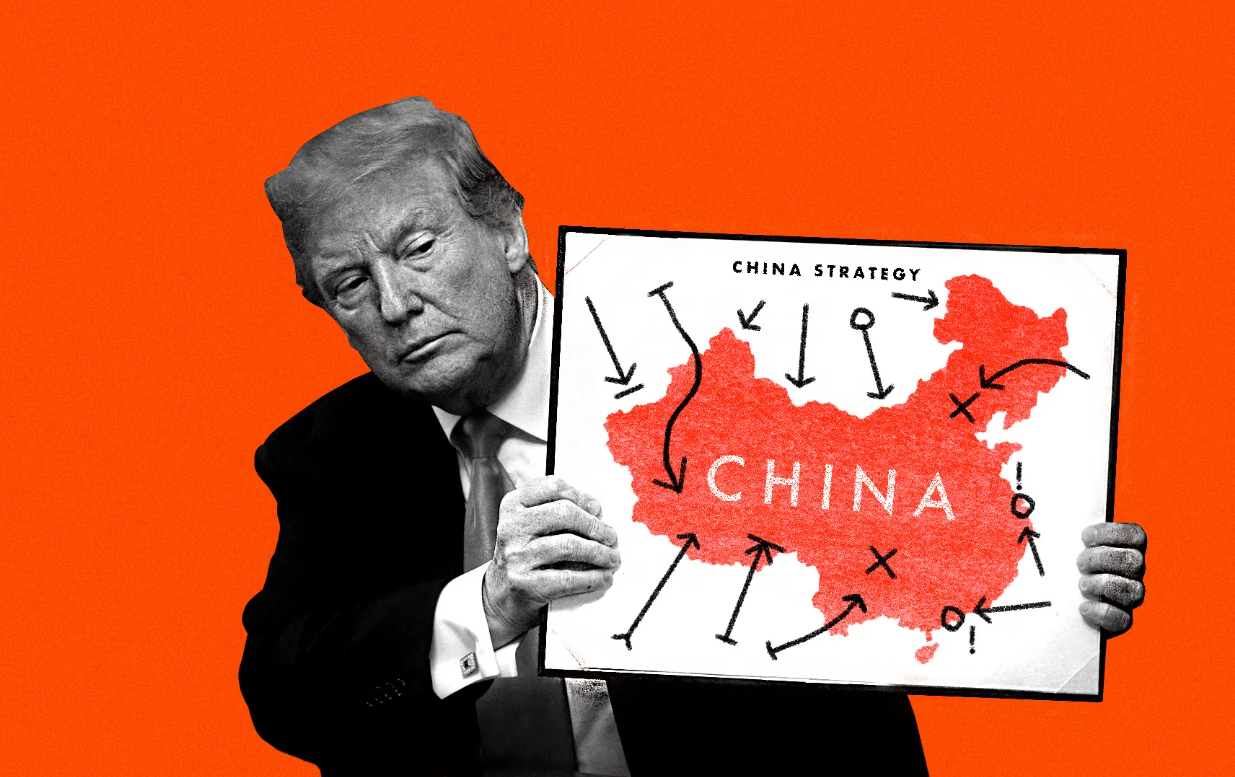
Strategic adjustments, characterized by economic decoupling, high-tech restrictions and military posturing in the Indo-Pacific region, will transform the bilateral relationship and the shape of global security itself.
Tong Liqun, Associate Researcher at Institute for Taiwan, Hong Kong & Macao Studies, Shanghai Institute for International Studies
Jul 09, 2025
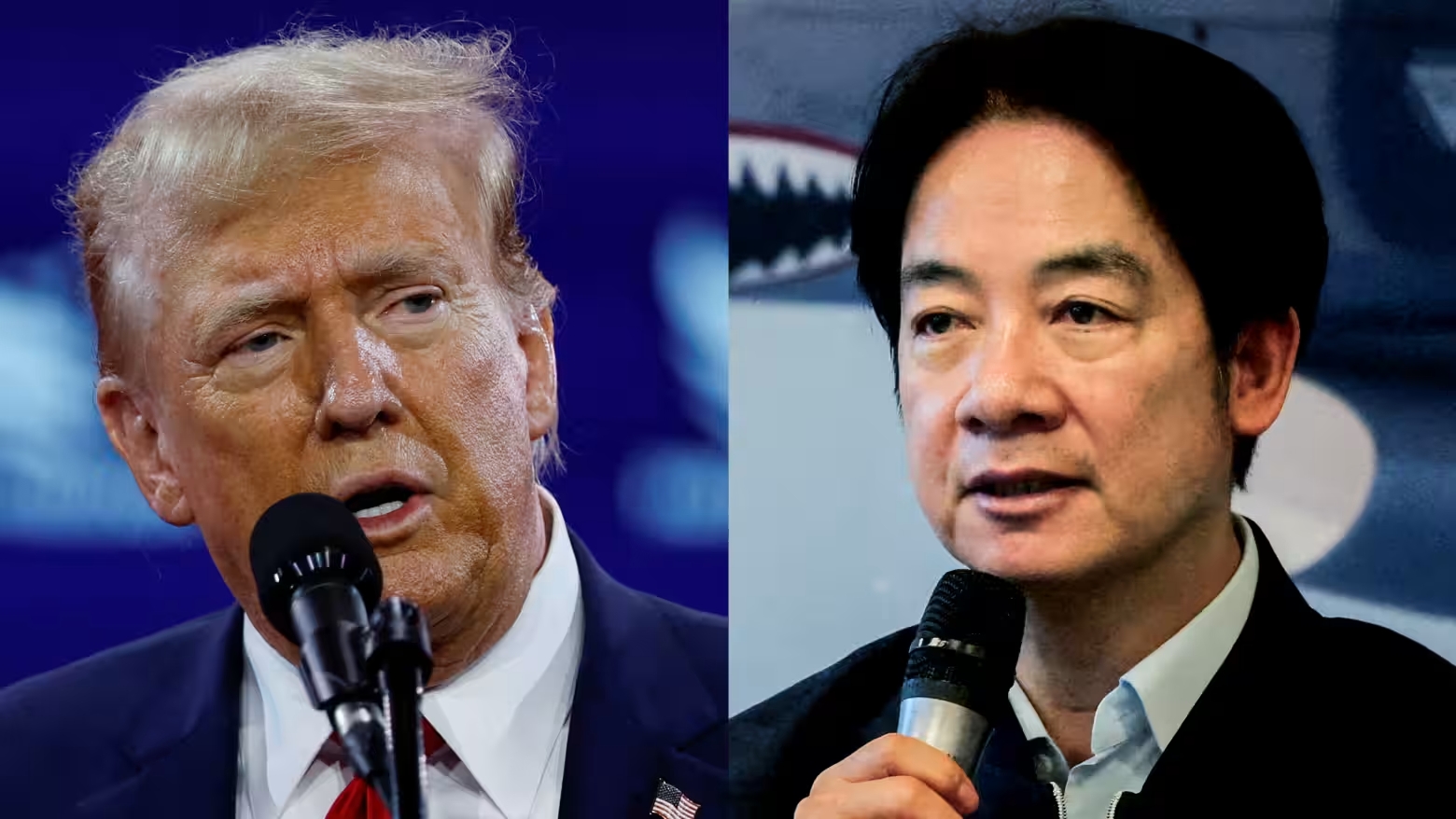
An extreme imbalance of power appears likely to emerge in the future. Donald Trump’s personal attitude will be a critical factor influencing the sensitive political dynamics of the island, and doubts about the reliability of U.S. support will continue to grow.
Ted Galen Carpenter, Senior Fellow, Randolph Bourne Institute
Jul 04, 2025
Taiwan’s Democratic Progressive Party faces mounting political turmoil and scandal, weakening its ability to govern despite recent electoral wins. At the same time, doubts about U.S. security support under Trump leave Taiwan increasingly vulnerable amid rising tensions with China.
Shao Yuqun, Director, Institute for Taiwan, HK and Macau Studies, Shanghai Institutes for International Studies
Apr 11, 2025
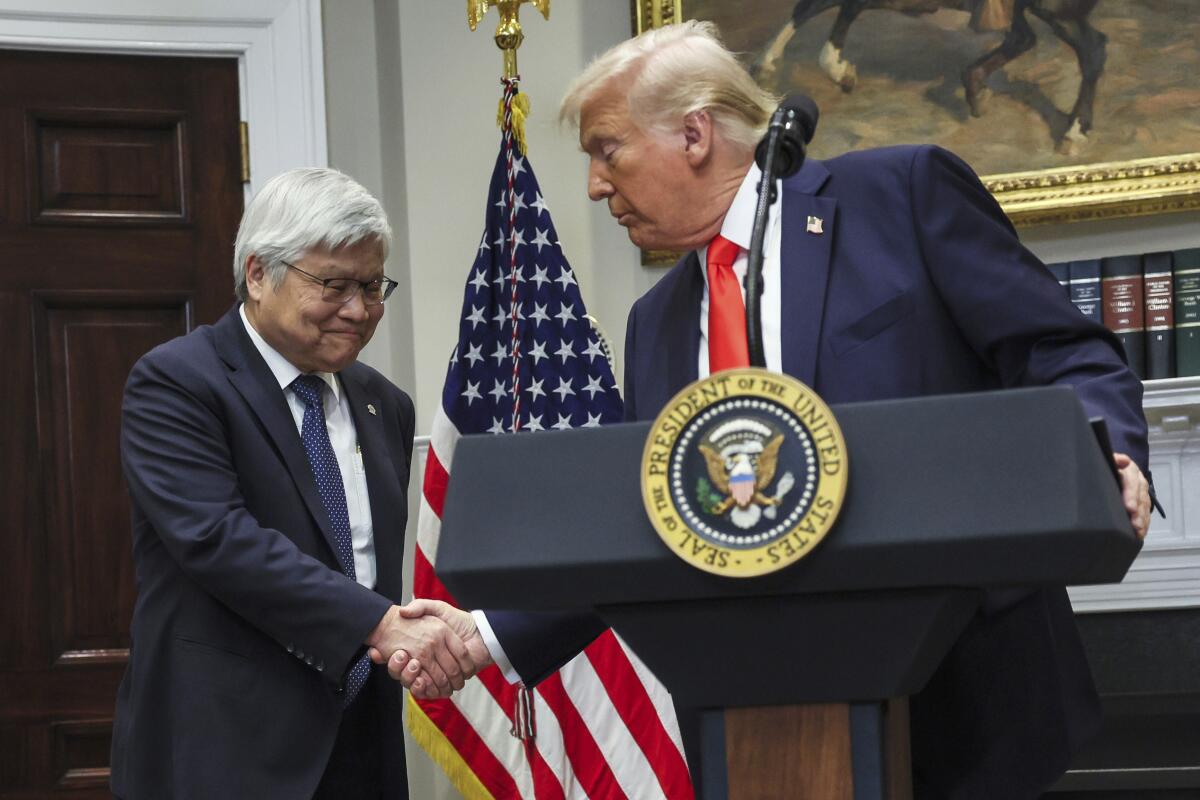
If the Trump administration remains oblivious to the dangers and provocations of Lai Ching-te’s policies, the confrontation between Beijing and the United States over the island will intensify.
Zhang Tuosheng, Principal Researcher at Grandview Institution, and Academic Committee Member of Center for International Security and Strategy at Tsinghua University
Apr 10, 2025
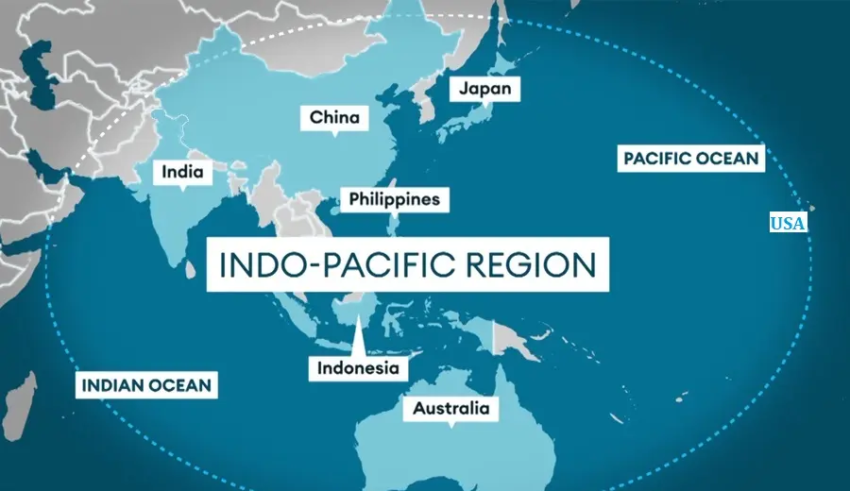
Here are some suggestions for promoting peace, stability and development in the Asia Pacific region. For starters, to avoid bloc politics and confrontation or even a new cold war in the Asia Pacific, China, the U.S., Russia, Japan and India should actively develop new dialogues and exchanges and build on existing ones.
Back to Top

- China-US Focus builds trust and understanding between the U.S. and China through open dialogue among thought leaders.