Xiao Bin, Deputy Secretary-general, Center for Shanghai Cooperation Organization Studies, Chinese Association of Social Sciences
Mar 06, 2026
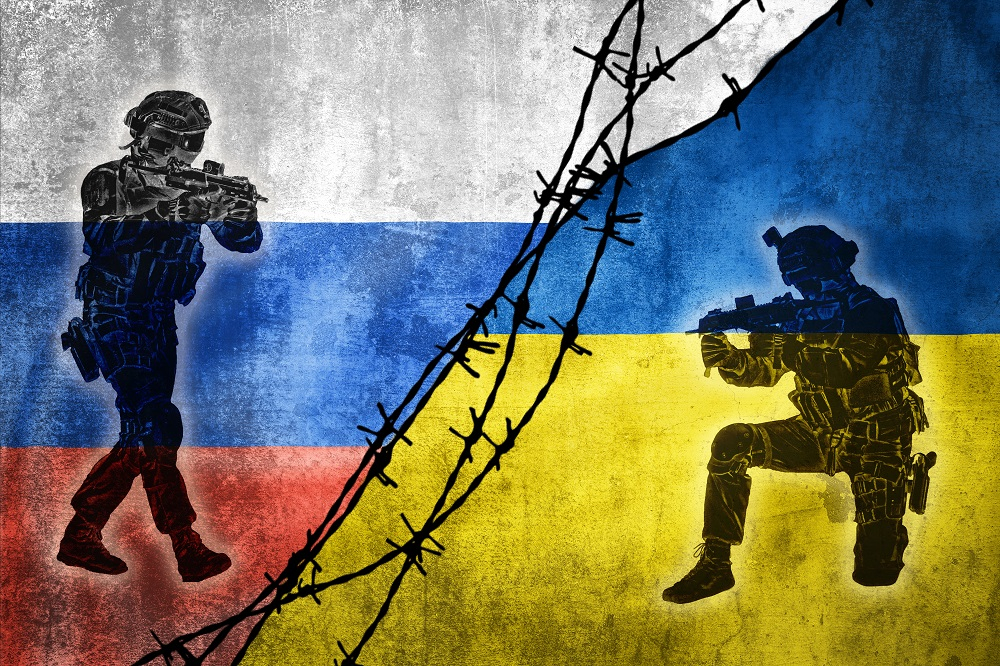
Whether assessing the prospects of the war in Ukraine or predicting the trajectory of relations between the United States and Russia, U.S. policy discussions have generally revealed a cautious, realistic tone: The war is unlikely to end quickly, and the rupture in the international order is widening.
Ananth Krishnan, Director at The Hindu Group, and AsiaGlobal Fellow at University of Hong Kong
Mar 05, 2026
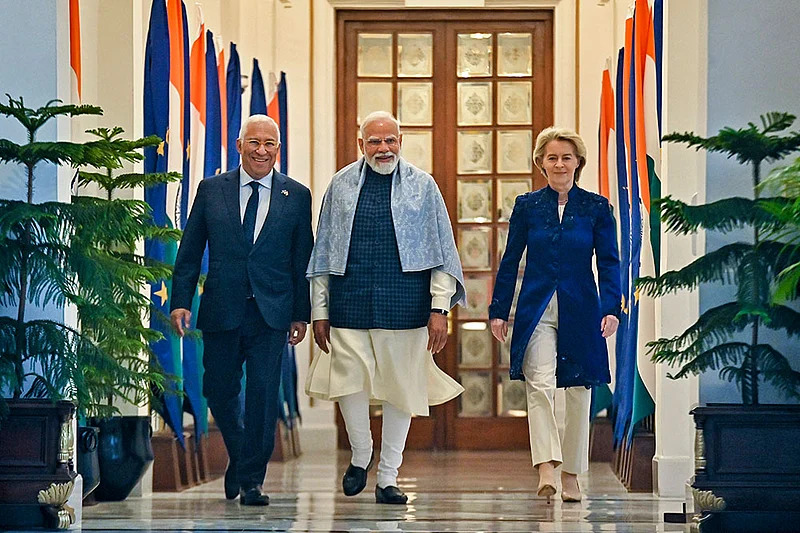
Growing instability in the global order and rising uncertainty in relations with major powers are driving countries such as India, Canada, Brazil, and European states to deepen cooperation with one another. These middle powers are increasingly pursuing strategic partnerships, trade agreements, and supply-chain coordination to preserve autonomy and stability amid great-power rivalry.
Jade Wong, Senior Fellow, Gordon & Leon Institute
Jan 30, 2026
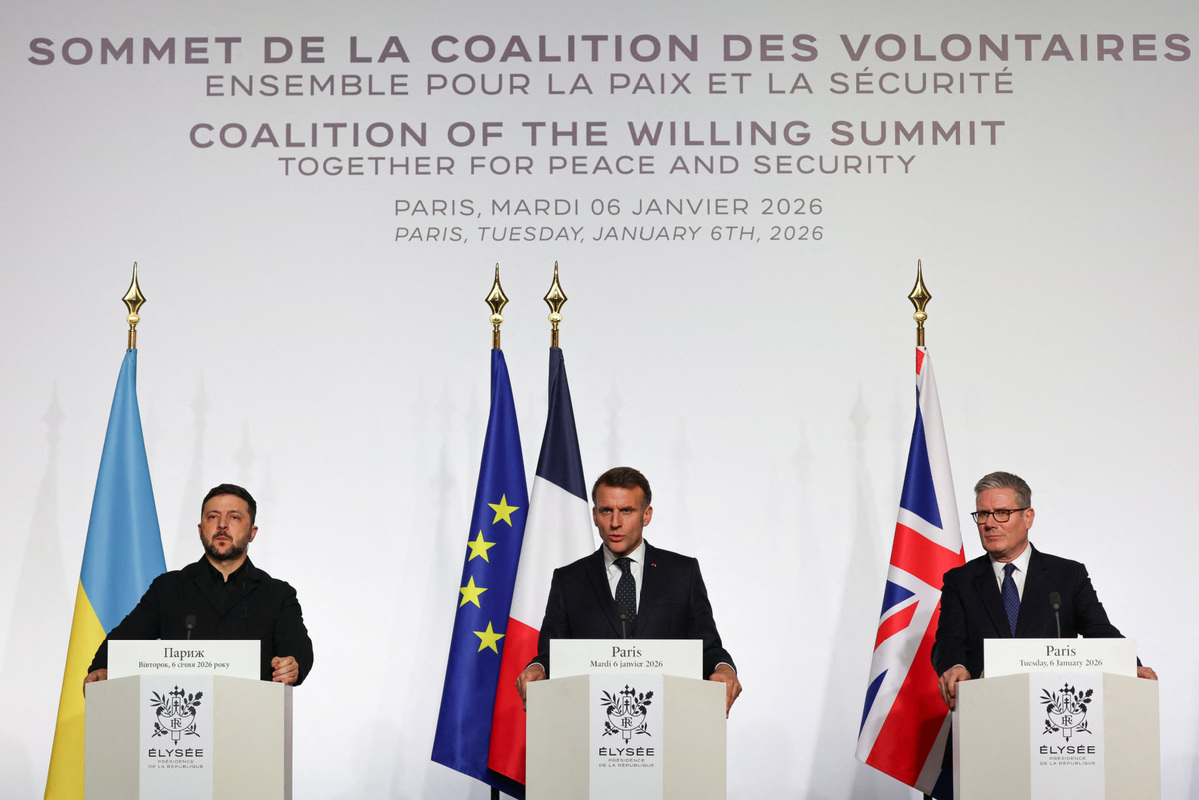
Europe has again gained an advantage in its sustained competition with Russia to influence the United States. While Washington is likely to continue pursuing a calibrated re-engagement with Russia and to further reduce its direct role in European security, the scope for abrupt and highly oscillatory shifts in U.S. policy on Ukraine appears to have narrowed.
Xiao Bin, Deputy Secretary-general, Center for Shanghai Cooperation Organization Studies, Chinese Association of Social Sciences
Dec 09, 2025
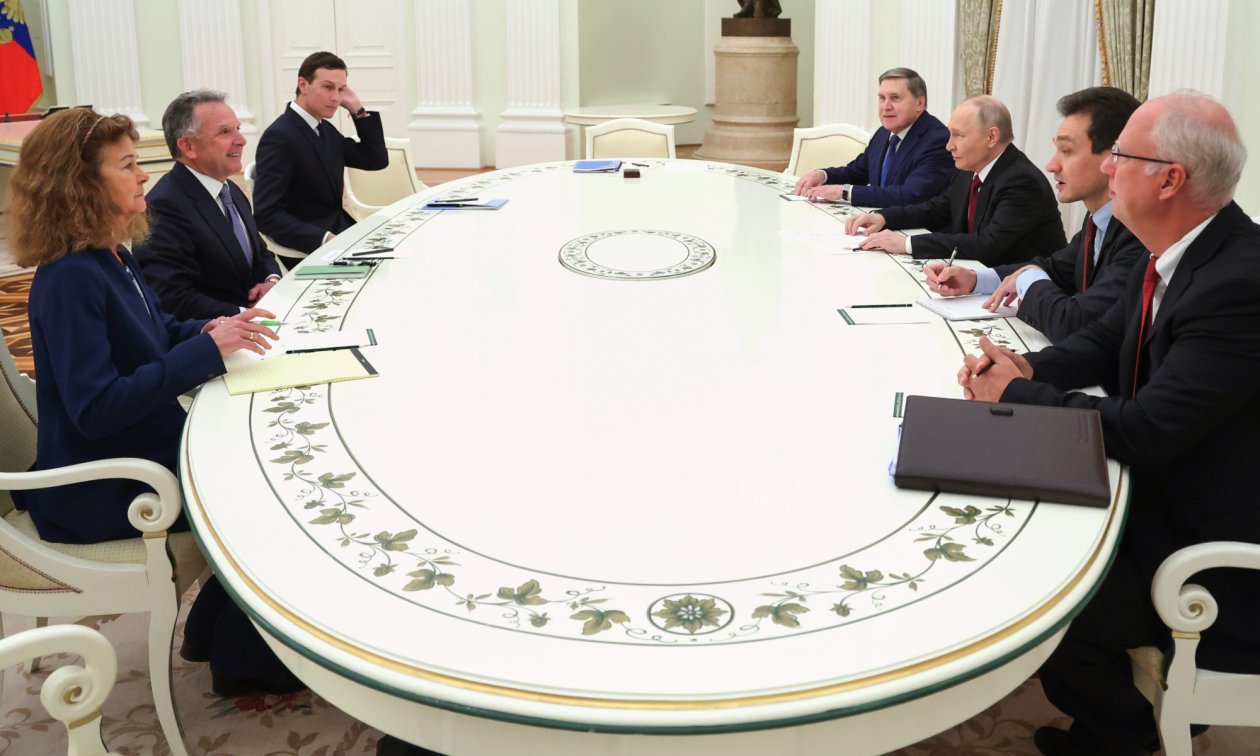
Negotiations on Ukraine’s peace plan reveal more than technical differences. They show a calculation by all parties related to the cost of war, the capacity to endure over time and the sequencing of strategic priorities.
Xiao Bin, Deputy Secretary-general, Center for Shanghai Cooperation Organization Studies, Chinese Association of Social Sciences
Oct 28, 2025
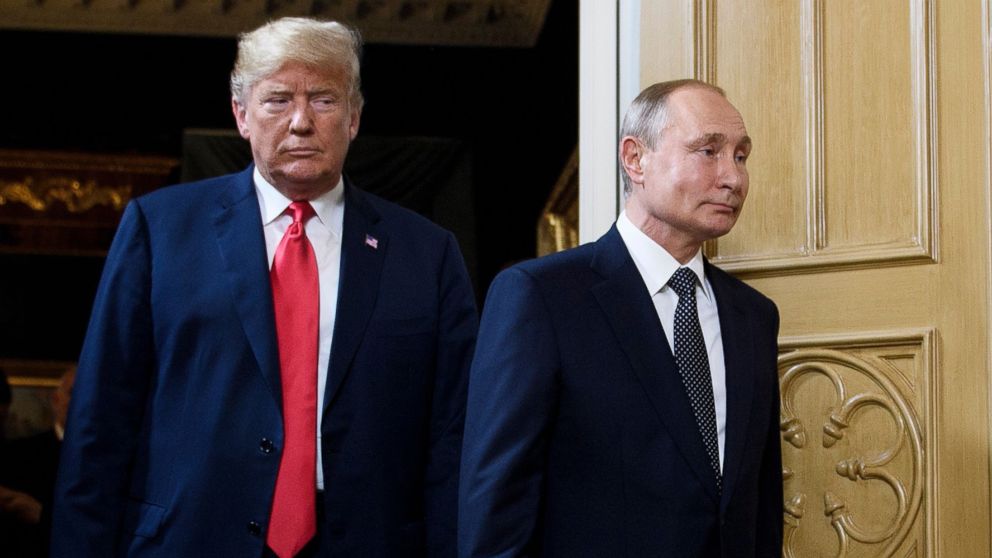
The meeting was agreed upon to promote a cease-fire in the Ukraine conflict. But it was called off, underscoring the fragility of peace initiatives and suggesting that the war is likely to continue for a long time.

Eka Khorbaladze, Research Associate, Ng Teng Fong · Sino Group Belt and Road Research Institute
Oct 22, 2025
Underneath the public press jabs that go on between East and West, the realm of resource competition is reshaping the relationships between Europe, China, and Russia as states move to secure immediate needs of oil and other resources.
An Gang, Adjunct Fellow, Center for International Security and Strategy, Tsinghua University
Sep 30, 2025
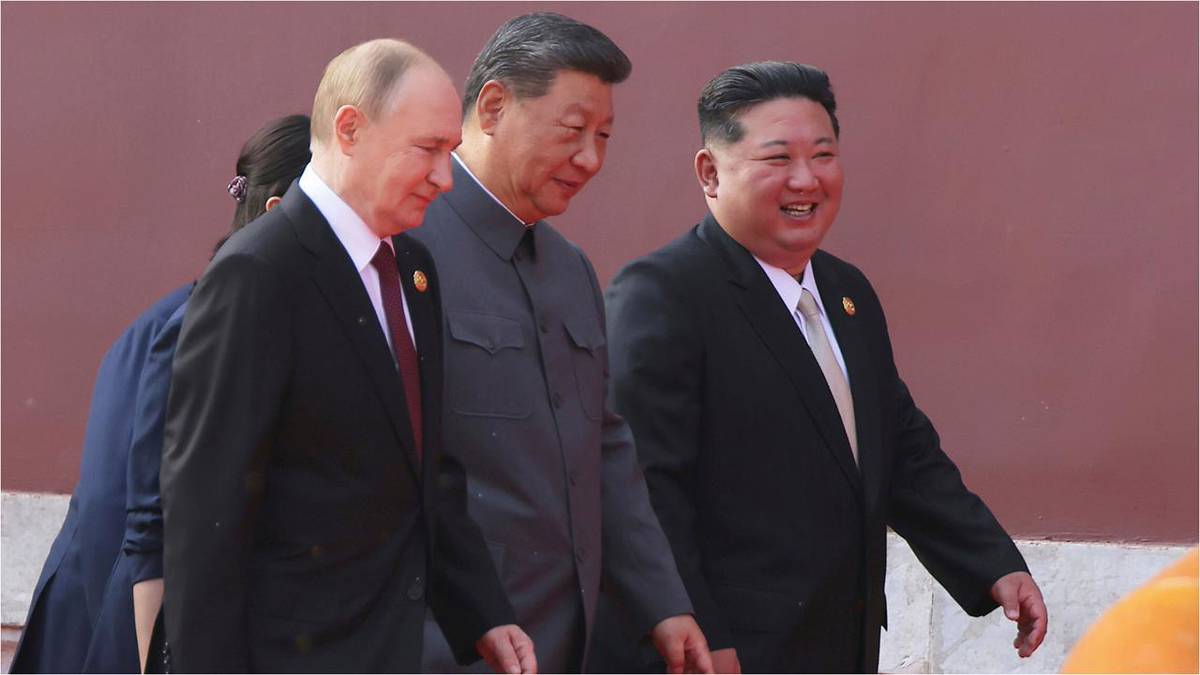
The military parade in Beijing on Sept. 3 and the SCO summit in Tianjin elicited a profound psychological response in the United States and other Western countries. Debates over China’s strategic ascent and the prospect of a continental alignment have intensified.
Xiao Bin, Deputy Secretary-general, Center for Shanghai Cooperation Organization Studies, Chinese Association of Social Sciences
Sep 25, 2025
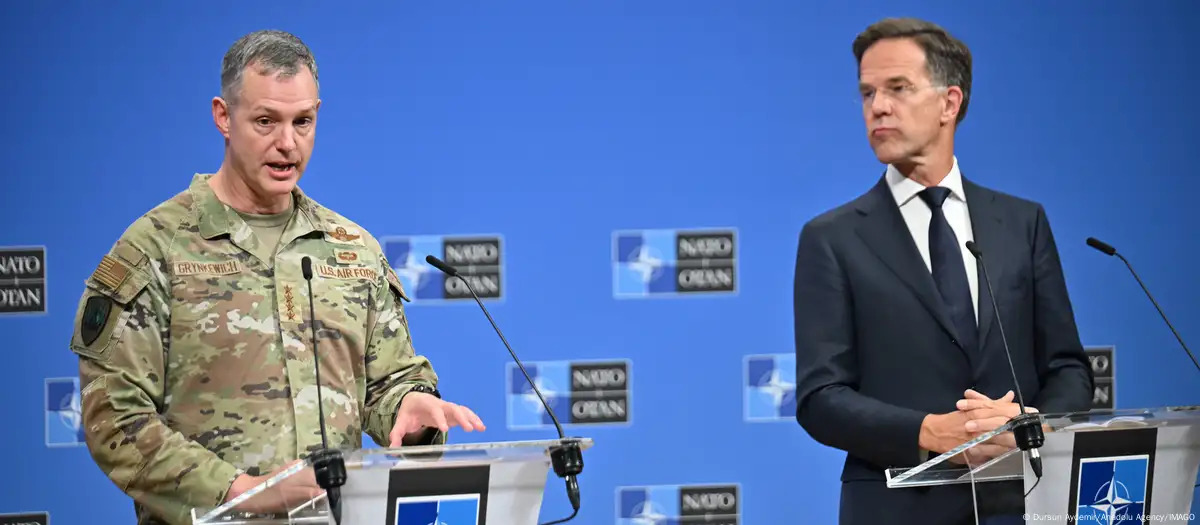
NATO’s Sentinel East system puts technological and strategic prowess on display and is a landmark event in the U.S.-Russia military rivalry in Europe. It represents a new inflection point in security that adds to the complexity of the Ukraine crisis.

Zhao Long, Deputy Director and Senior Fellow, Institute for International Strategic and Security Studies, Shanghai Institutes for International Studies (SIIS)
Sep 12, 2025
Only by transcending the “winner-loser” mindset and exploring a binding solution that is fair, enduring and acceptable to all parties can countries finally rebuild a balanced, effective and sustainable European security framework based on the concept of community.

Sebastian Contin Trillo-Figueroa, Geopolitics Analyst in EU-Asia Relations and AsiaGlobal Fellow, The University of Hong Kong
Sep 05, 2025
Today’s international order is shaped by “orbital bipolarity,” dominated by the United States and China, with secondary powers navigating their influence; Europe is limited in its role, China acts cautiously, Russia capitalizes on Western hesitation, and Ukraine remains trapped in the conflict.
Back to Top

- China-US Focus builds trust and understanding between the U.S. and China through open dialogue among thought leaders.