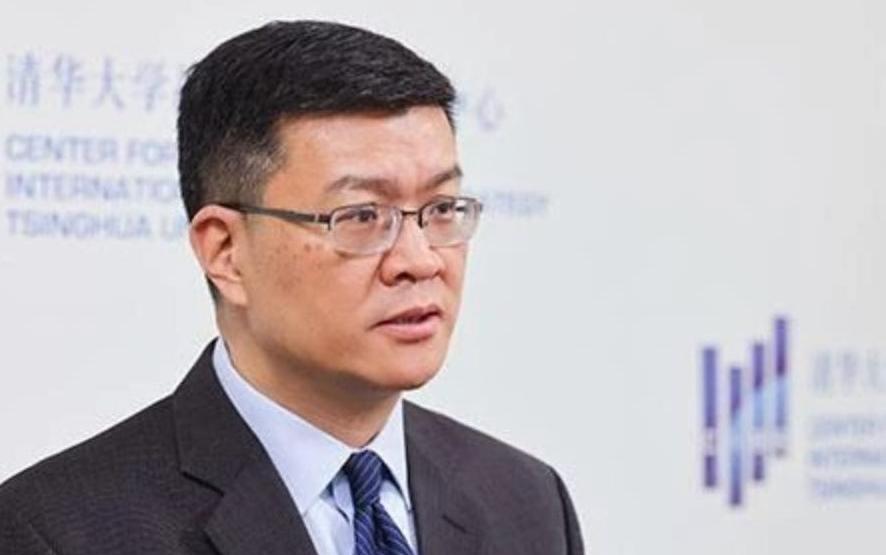
Da Wei, Director of Center for International Strategy and Security; Professor at Tsinghua University
Apr 10, 2026
China neither seeks nor intends to replace the United States in filling any so-called “vacuum”, nor should it be expected to play such a role, says leading Tsinghua IR scholar Da Wei in the recent interview with The Paper.
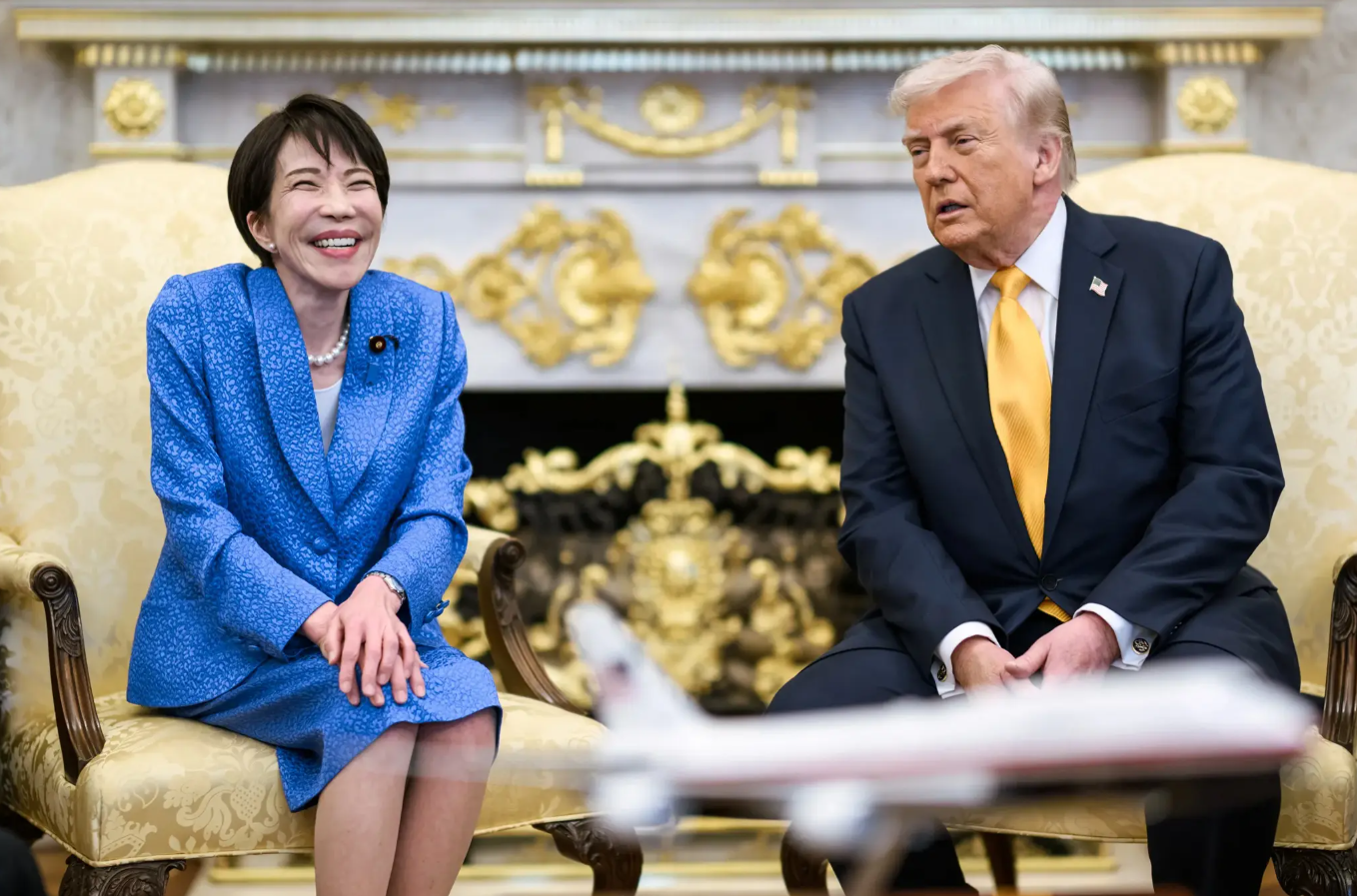
Zhang Yun, Professor, School of International Relations, Nanjing University
Apr 10, 2026
The visit of Japanese Prime Minister Sanae Takaichi to the United States showcased the internal solidarity of the alliance. But an official U.S. report warned Tokyo against escalating tensions with China.
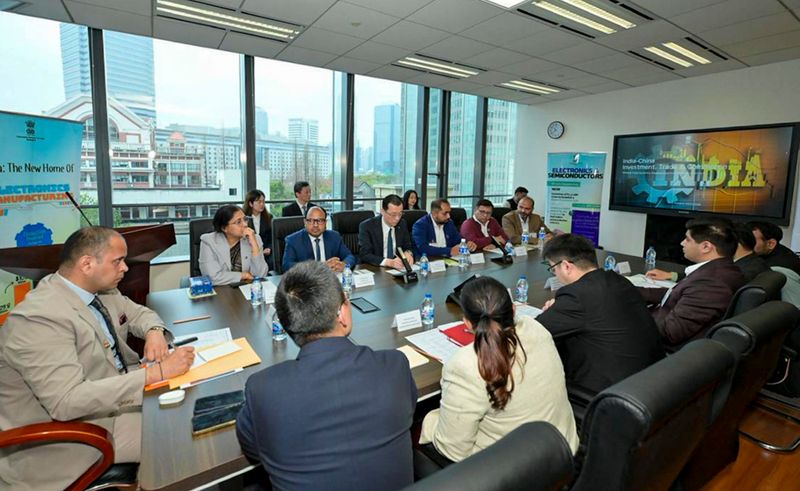
Brian Wong, Assistant Professor in Philosophy and Fellow at Centre on Contemporary China and the World, HKU and Rhodes Scholar
Apr 10, 2026
It’s no secret that the relationship between Asia’s two largest states is far from friendly, but the present window of opportunity for new global leaders to take center-stage could turn things around if both play to their strengths.
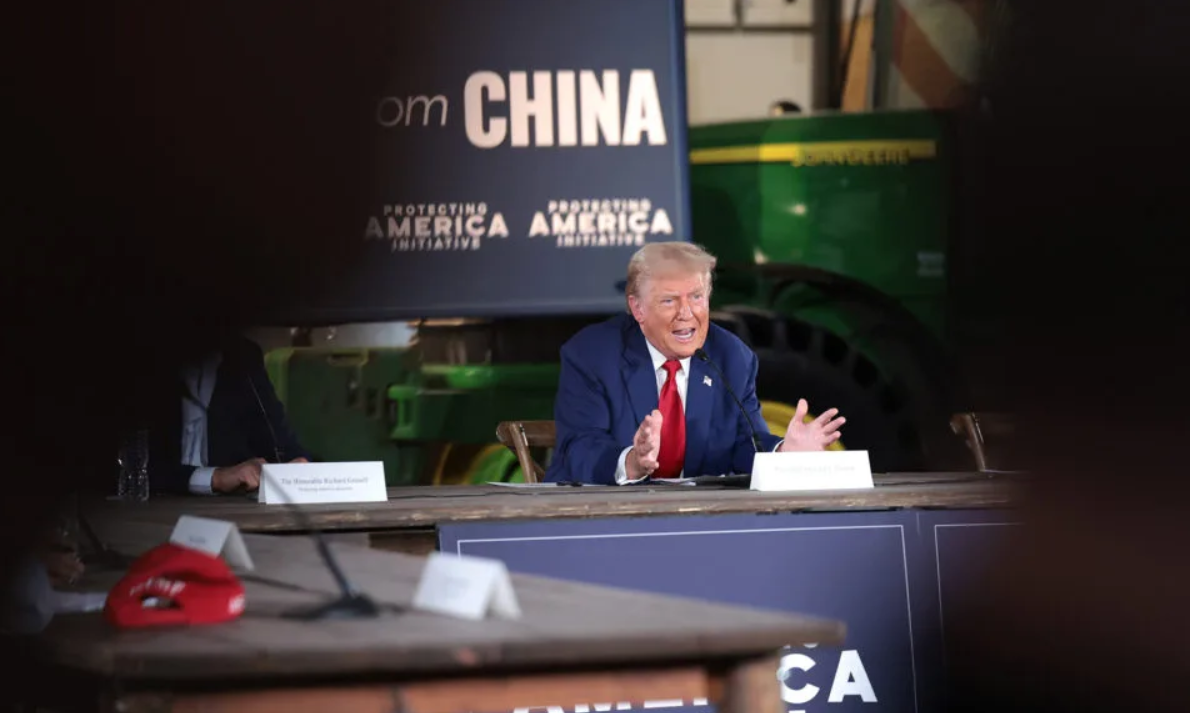
Sun Chenghao, Fellow, Center for International Security and Strategy of Tsinghua University; Munich Young Leader 2025
Li Yijie, PhD candidate in International Relations, Tsinghua University’s School of Social Sciences
Mar 29, 2026
What matters most for China is not whether the United States is in decline but how to understand a country that seeks to shape history while being no longer willing to bear the costs under the old rules. The United States today stands at a historic crossroads. To understand, one must begin with this fundamental reality.
Xiao Bin, Deputy Secretary-general, Center for Shanghai Cooperation Organization Studies, Chinese Association of Social Sciences
Mar 27, 2026
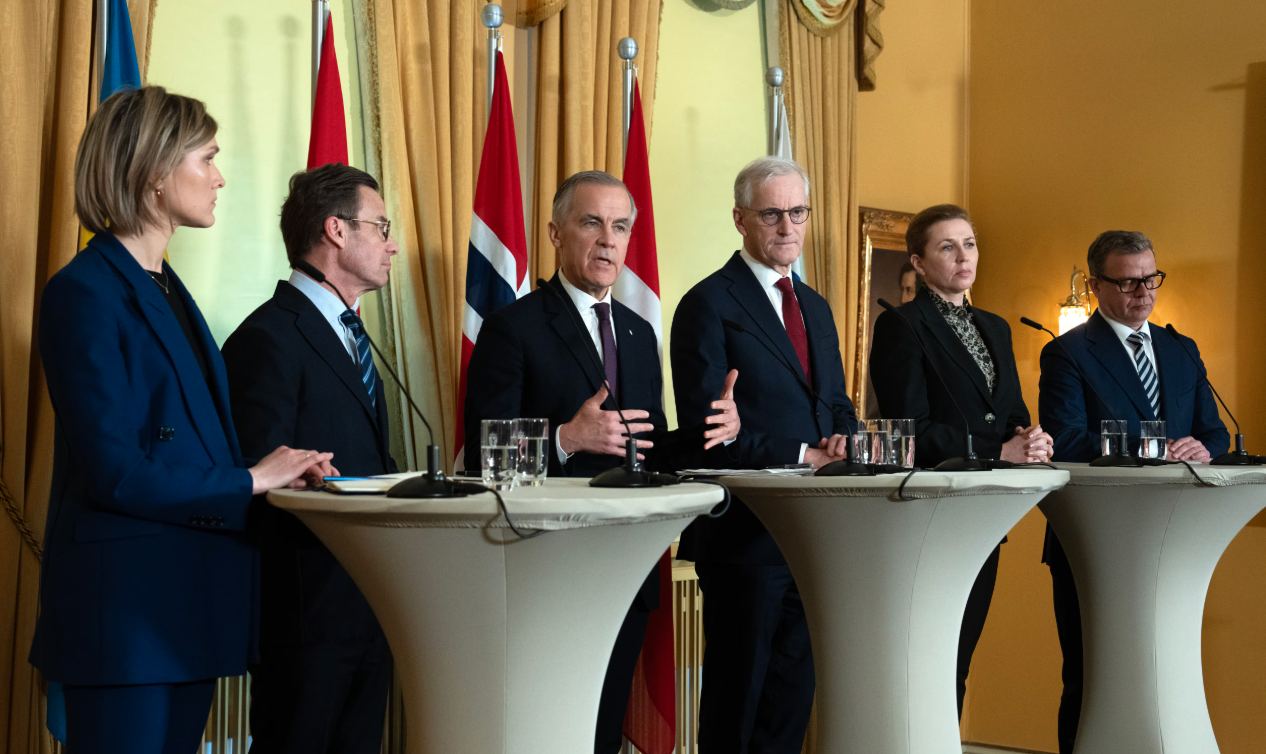
Middle powers on the continent have a real motivation to cooperate. Constrained by structural factors such as their defense systems, however, the so-called transatlantic shared heritage and the scale of the U.S. market, their cooperation is seen mostly in policy coordination and diplomatic statements.
Brian Wong, Assistant Professor in Philosophy and Fellow at Centre on Contemporary China and the World, HKU and Rhodes Scholar
Mar 27, 2026
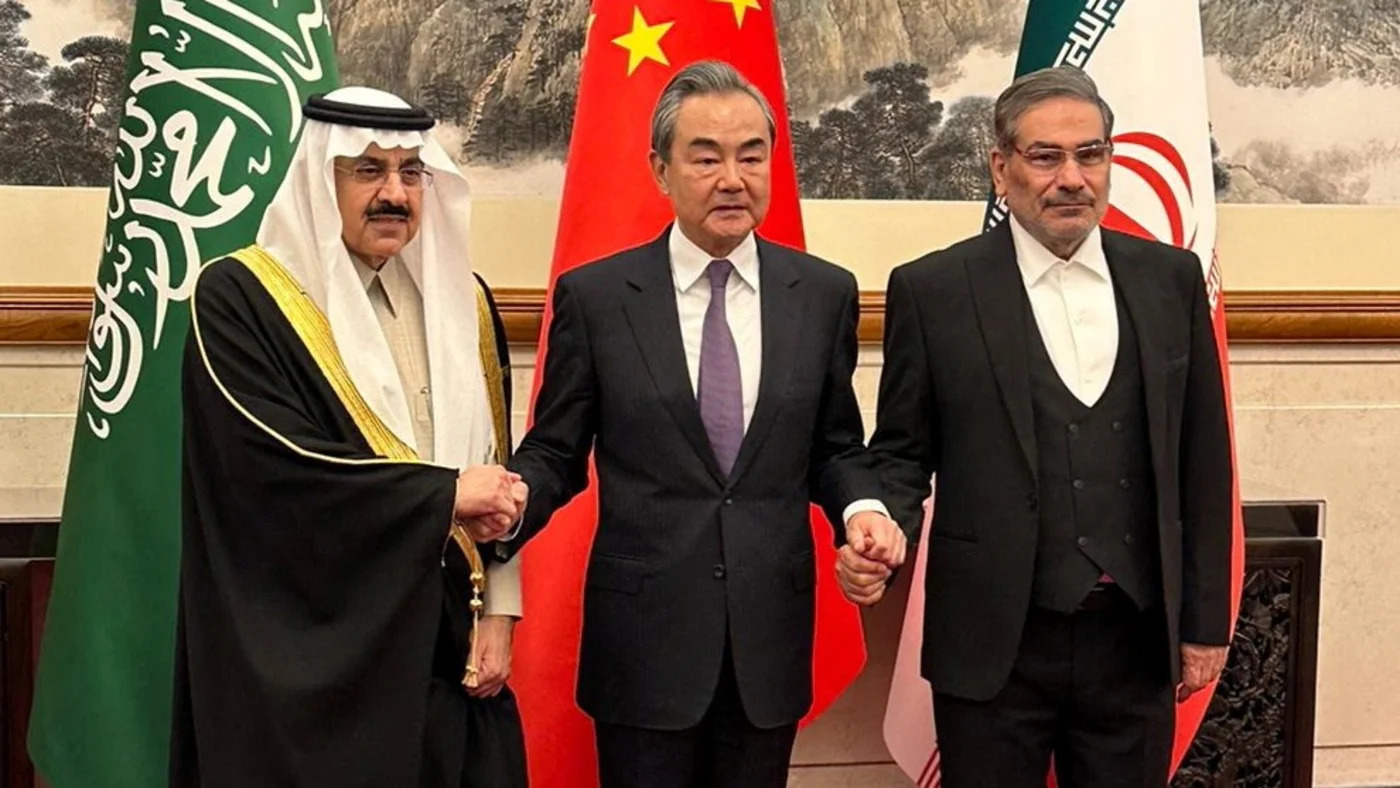
The U.S.-Israel strikes on Iran have heightened regional instability while exposing China’s complex strategic dilemma, as Beijing seeks to safeguard critical energy imports and investments without becoming directly involved. Balancing ties with Iran, Gulf states, and the West, China is pursuing a cautious, deliberately ambiguous approach to protect its broader geopolitical and economic interests.

Zhang Zhixin, Research Professor of Institute of American Studies, CICIR
Mar 26, 2026
Four interconnected risks threaten Republican control of the U.S. Congress in November’s midterm elections. The vote will determine not only control of Congress but will also profoundly influence the future trajectory of American politics.
Zhou Yiqi, Associate Fellow, Center for West Asian & African Studies, Shanghai Institutes for International Studies
Mar 26, 2026
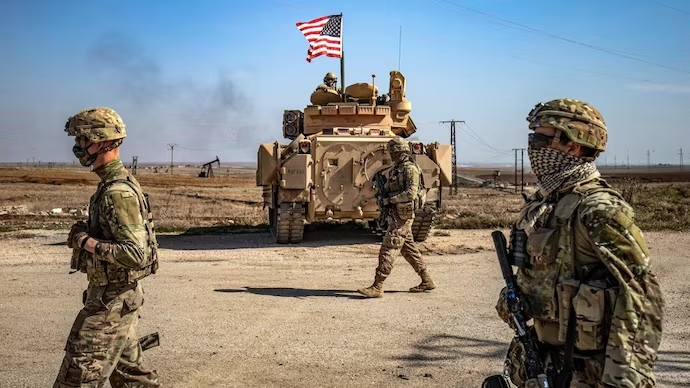
An era has reached its end. Washington now faces a stark choice: It must either pay the true diplomatic and political price of leadership or prepare to hand over the keys to a region it can neither afford nor effectively manage.
Wang Youming, Senior Research Fellow of BRICS Economic Think Tank, Tsinghua University
Mar 23, 2026
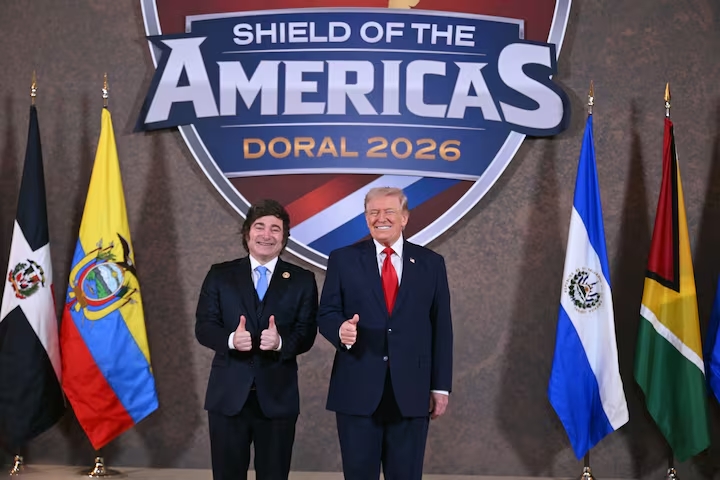
While leaning toward the United States, President Javier Milei has been adjusting ties with China. Given the U.S. strategic narrative of “Western Hemisphere First,” his approach to balancing relations with Beijing and Washington may serve as a bellwether for the foreign policy strategies of other countries across the region.
Lucio Blanco Pitlo III, President, ForeSea Consulting
Mar 17, 2026
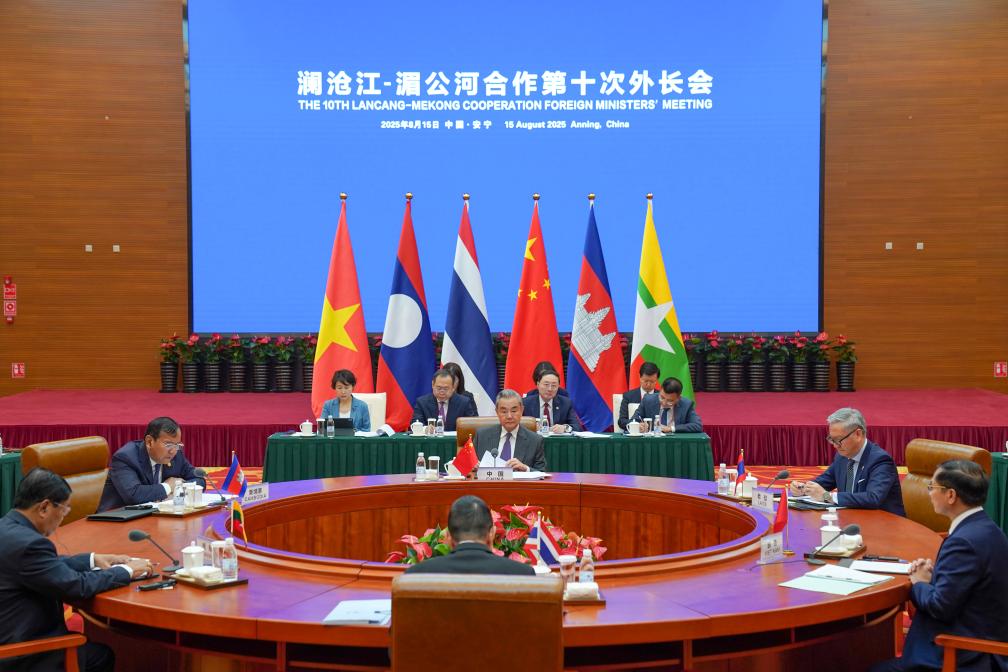
Sweeping crackdowns on online gambling and fraud activities in mainland Southeast Asia highlight the importance of regional cooperation platforms such as the Lancang-Mekong Cooperation (LMC). LMC’s Integrated Law Enforcement and Security Cooperation Center, established in Kunming in 2017, facilitates intelligence sharing and joint operations. This contributes to the ongoing campaign against transnational organized syndicates, such as the joint Myanmar-Thailand-China action against scam parks in the Myawaddy area in early February. But LMC’s value goes beyond busting cross-border crimes.
Back to Top

- China-US Focus builds trust and understanding between the U.S. and China through open dialogue among thought leaders.