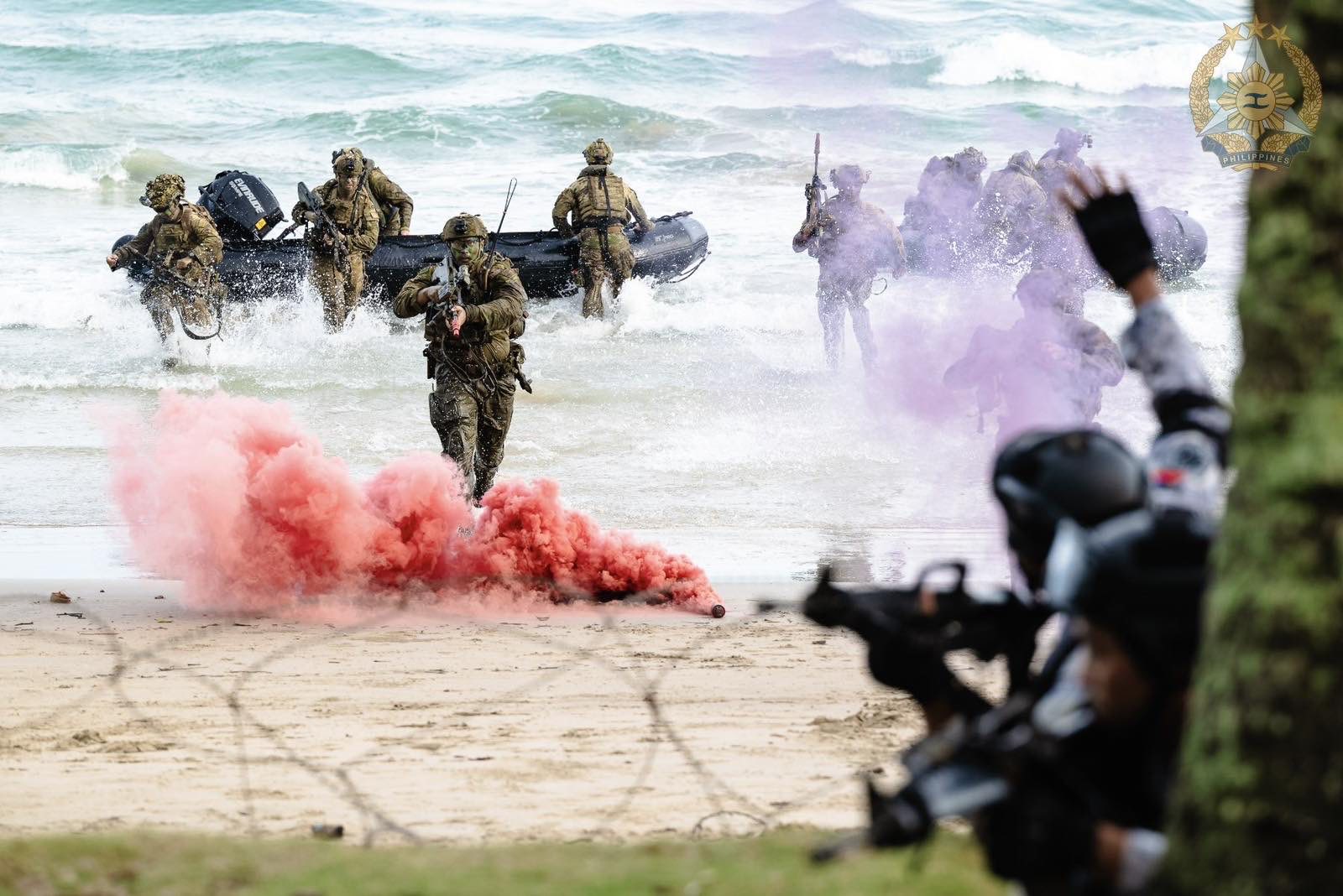
Richard Javad Heydarian, Professorial Chairholder in Geopolitics, Polytechnic University of the Philippines
Sep 19, 2025
The Philippines is significantly upgrading defense ties with Australia and other Western partners amid growing tensions with China in the South China Sea, underscored by large joint exercises and plans for expanded troop access. Yet despite China’s overwhelming military advantage, both Manila and Beijing share responsibility to de-escalate tensions and pursue diplomatic solutions, especially as the Philippines prepares to chair ASEAN next year.

Zhao Long, Deputy Director and Senior Fellow, Institute for International Strategic and Security Studies, Shanghai Institutes for International Studies (SIIS)
Sep 12, 2025
Only by transcending the “winner-loser” mindset and exploring a binding solution that is fair, enduring and acceptable to all parties can countries finally rebuild a balanced, effective and sustainable European security framework based on the concept of community.
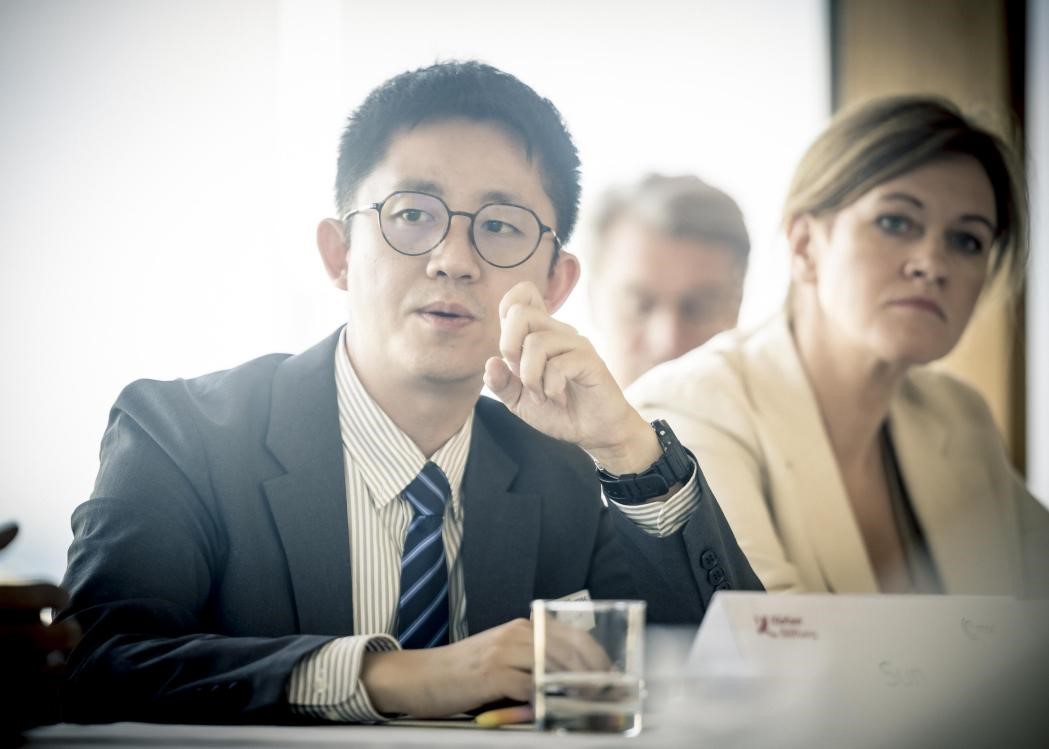
Sun Chenghao, Fellow, Center for International Security and Strategy of Tsinghua University; Munich Young Leader 2025
Sep 12, 2025
Europe retains global influence in areas such as multilateral governance, the green transition and technological innovation. If it can craft a new synthesis between strategic autonomy and transatlantic cooperation, it may yet play an independent role in the emerging great-power landscape.
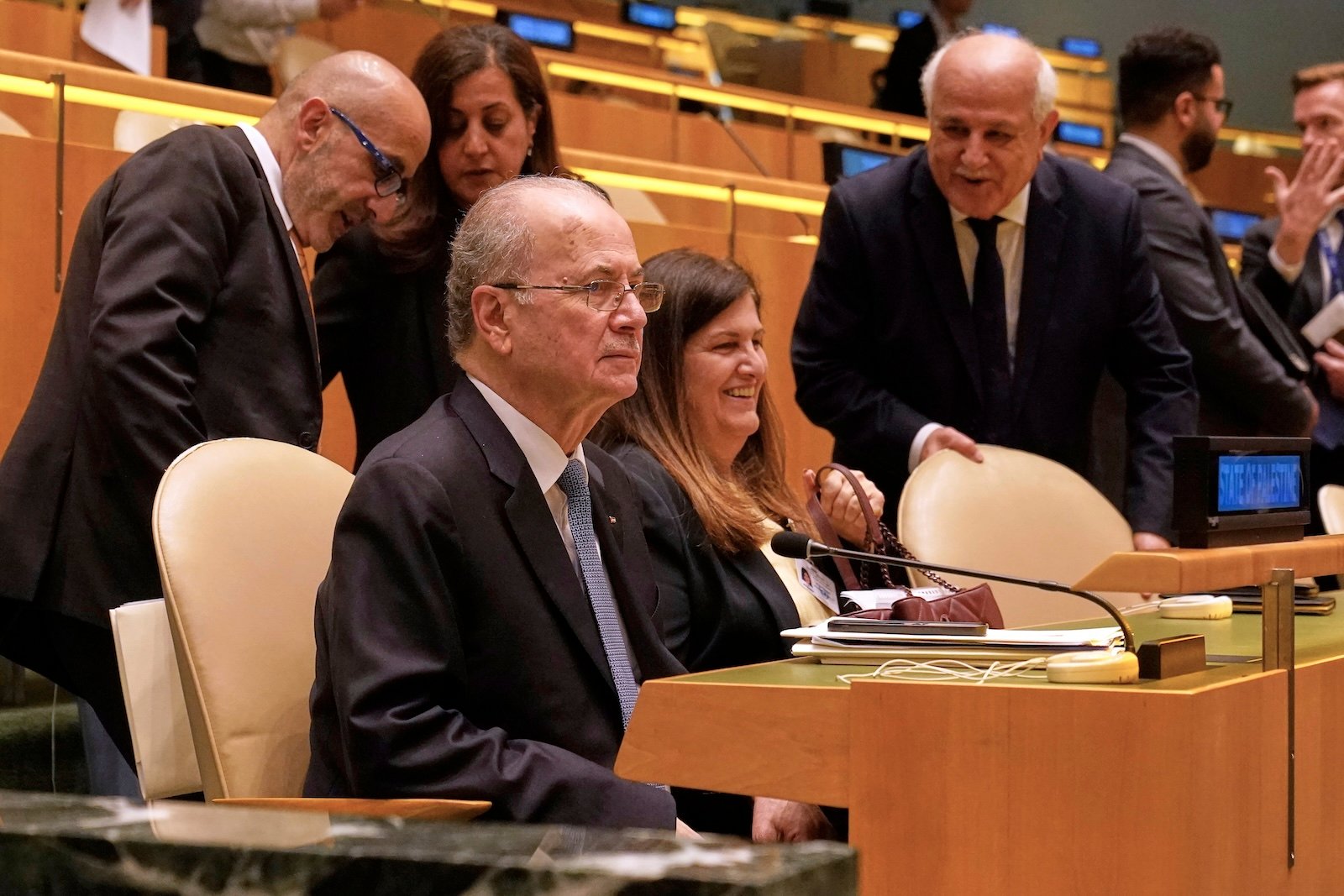
Dan Steinbock, Founder, Difference Group
Sep 12, 2025
As evidenced by complicity in the Gaza genocide, the U.S.-Israel military symbiosis in the Middle East is increasingly shunned by the international community. What the region needs is aggressive economic development.
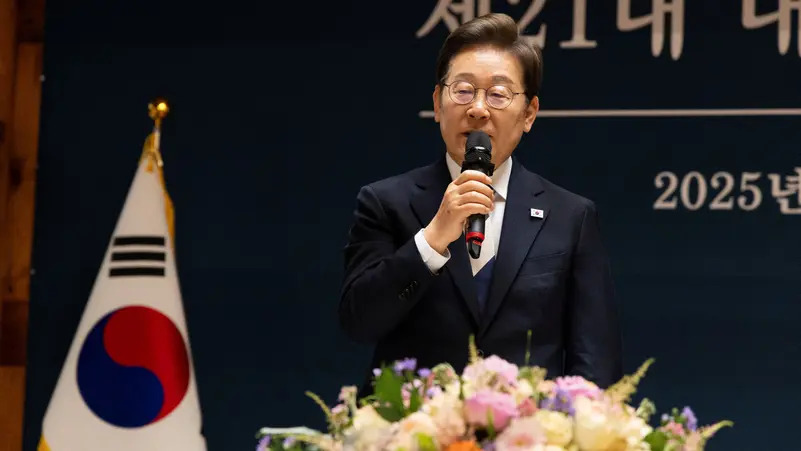
Zhang Tuosheng, Principal Researcher at Grandview Institution, and Academic Committee Member of Center for International Security and Strategy at Tsinghua University
Sep 05, 2025
The ROK’s new president, Lee Jae-myung, is attempting to improve relations with Pyongyang. But if Seoul is serious, it will need to take steps that go beyond rhetoric. Conciliatory efforts may not guarantee Pyongyang’s engagement, but they could lower the temperature and create space for negotiation.
Brian Wong, Assistant Professor in Philosophy and Fellow at Centre on Contemporary China and the World, HKU and Rhodes Scholar
Sep 02, 2025
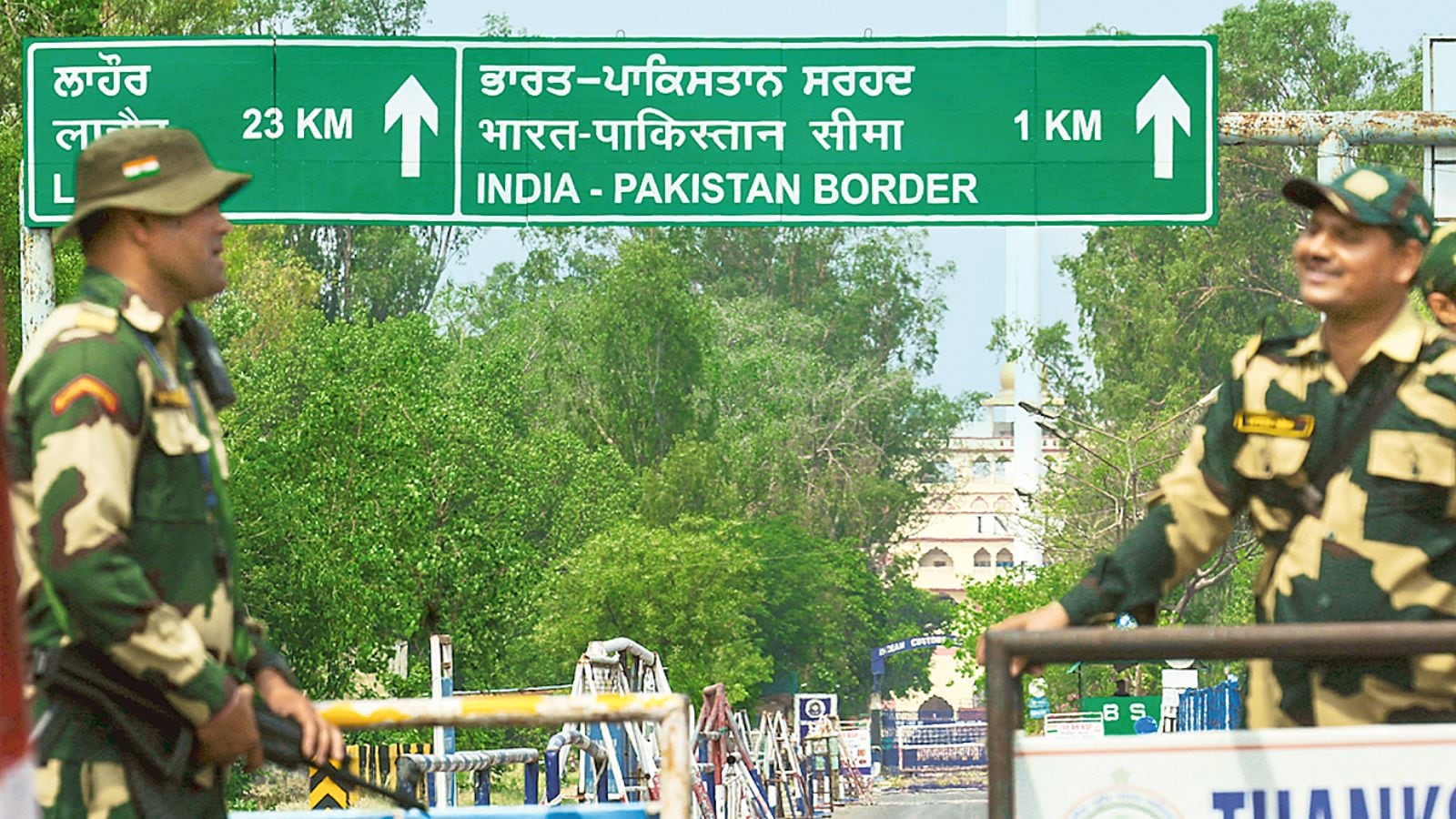
China’s approach to conflict mediation is characterized by what scholars call “quasi-mediation diplomacy,” in which Beijing emphasizes rhetoric and symbolic gestures while avoiding costly commitments. Recent cases show that China prefers strategic ambiguity and bureaucratic caution over assuming a high-profile mediator role.
Dan Steinbock, Founder, Difference Group
Aug 28, 2025
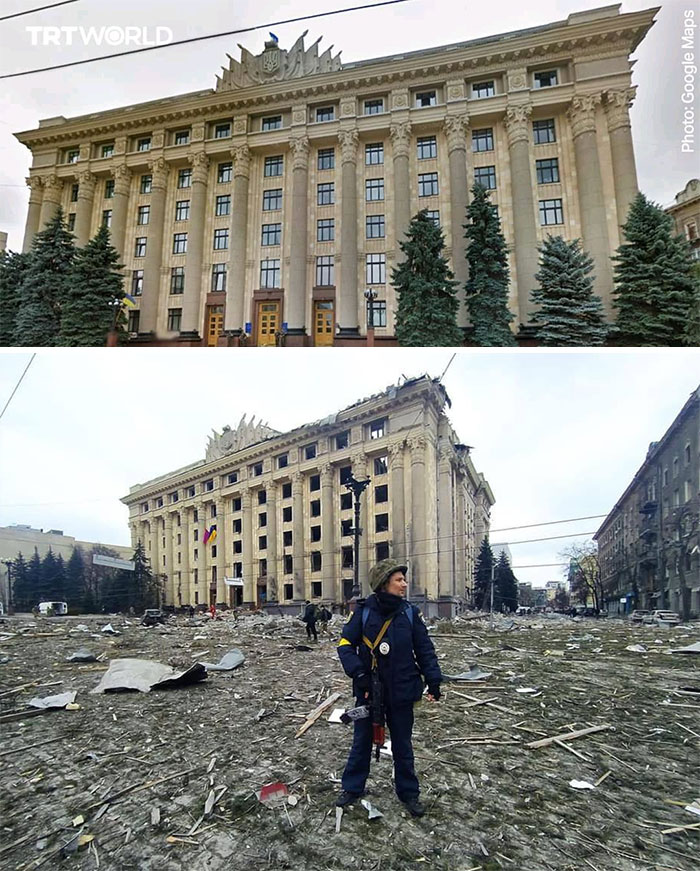
As the endgame looms over the proxy war in Ukraine, the catastrophic costs of the unwarranted conflict continue to soar. There was an alternative future for Ukraine, based on development. But it was purposely denied.
Warwick Powell, Adjunct Professor at Queensland University of Technology
Aug 22, 2025
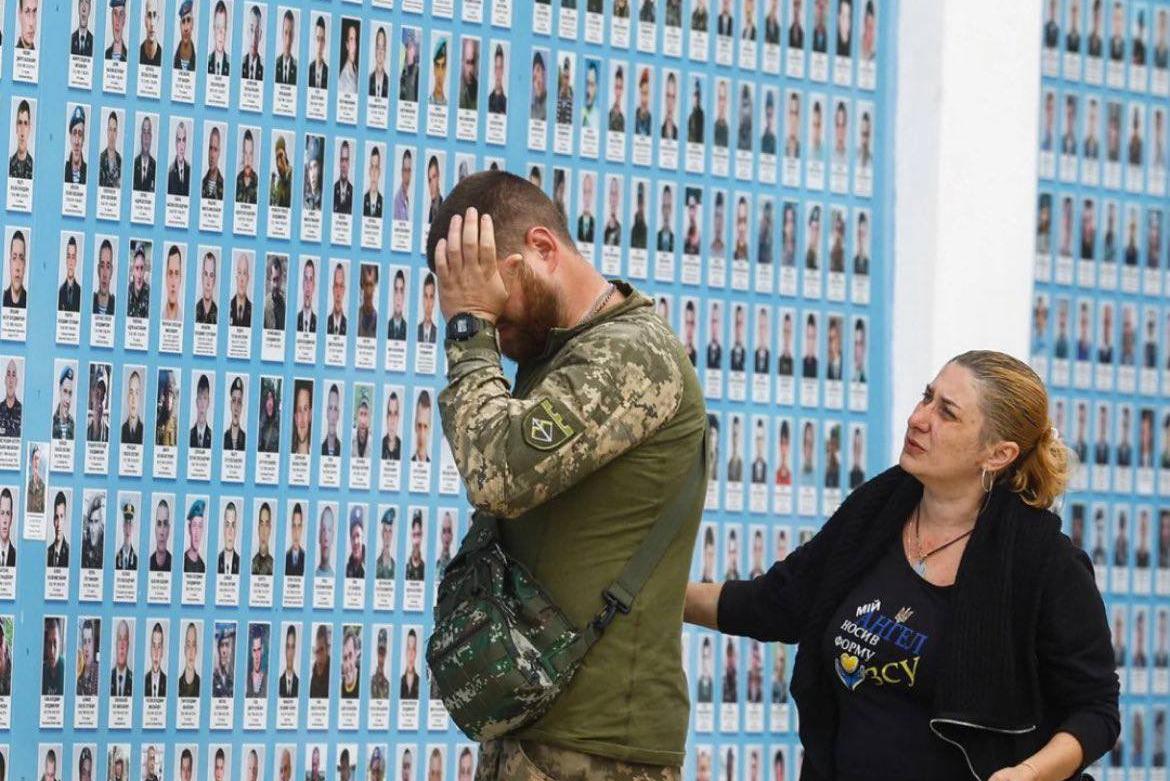
The war in Ukraine grinds on into its fourth year, and yet peace seems elusive. American President Donald Trump recently met Russian President Vladimir Putin in Anchorage, Alaska. Some hailed this as a breakthrough; others derided it as Trump being “played.”

Han Liqun, Researcher, China Institutes of Contemporary International Relations
Aug 22, 2025
The logic underpinning the U.S. president’s approach to war and peace looks at international conflicts as being subject to transactional pricing mechanisms. In the short run, this strategy can yield results, but its long-term sustainability remains deeply uncertain.
He Wenping, Senior Research Fellow, Charhar Institute and West Asia and Africa Studies Institute of the China Academy of Social Sciences
Aug 12, 2025
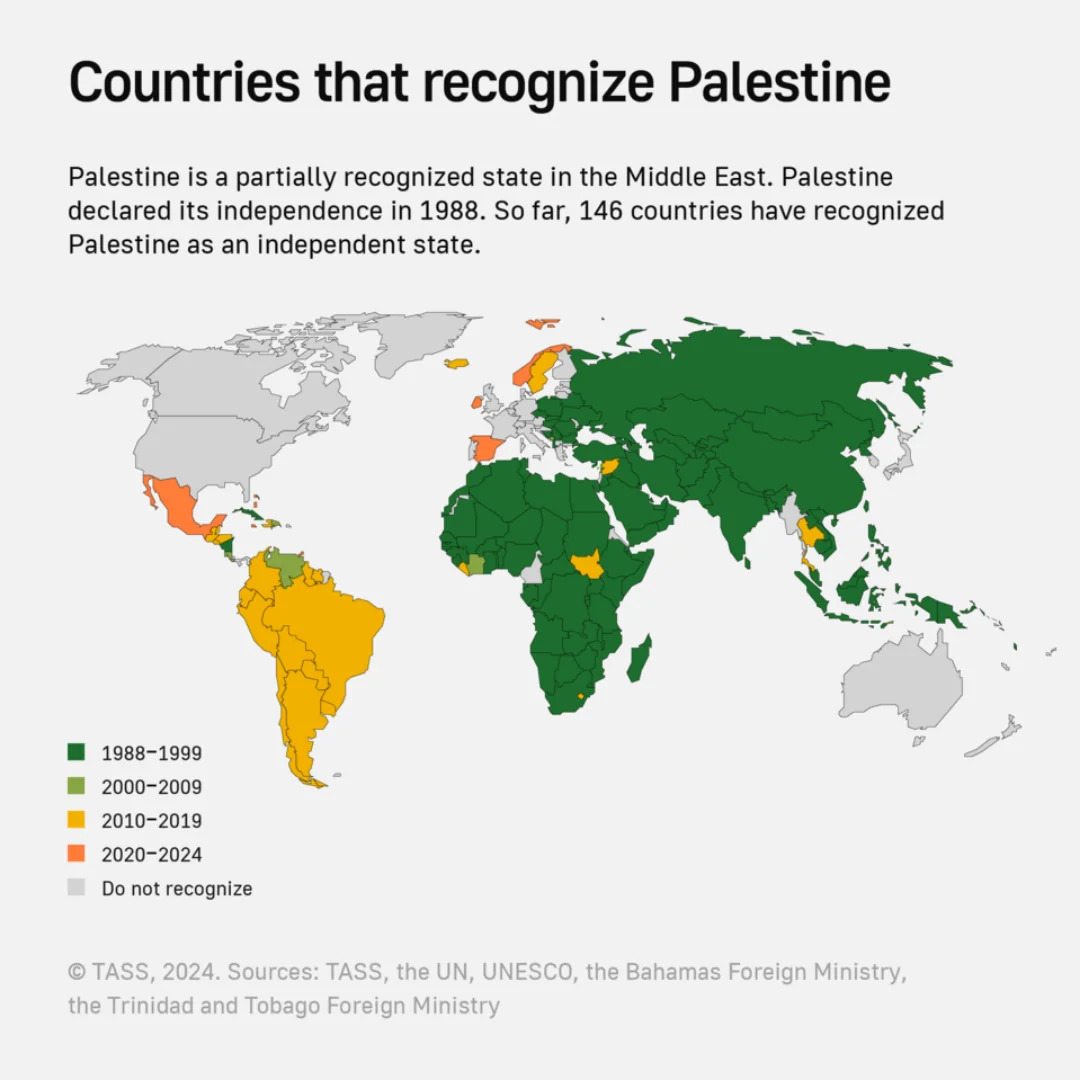
The stated intentions of France, the United Kingdom, Canada and Australia may add to Israel’s growing international isolation and could prompt a reassessment — though not a fundamental shift — in support for Israel by the United States.
Back to Top

- China-US Focus builds trust and understanding between the U.S. and China through open dialogue among thought leaders.