Guo Xiaobing, Director of the Center for Arms Control Studies, China Institutes of Contemporary International Relations
Oct 22, 2025
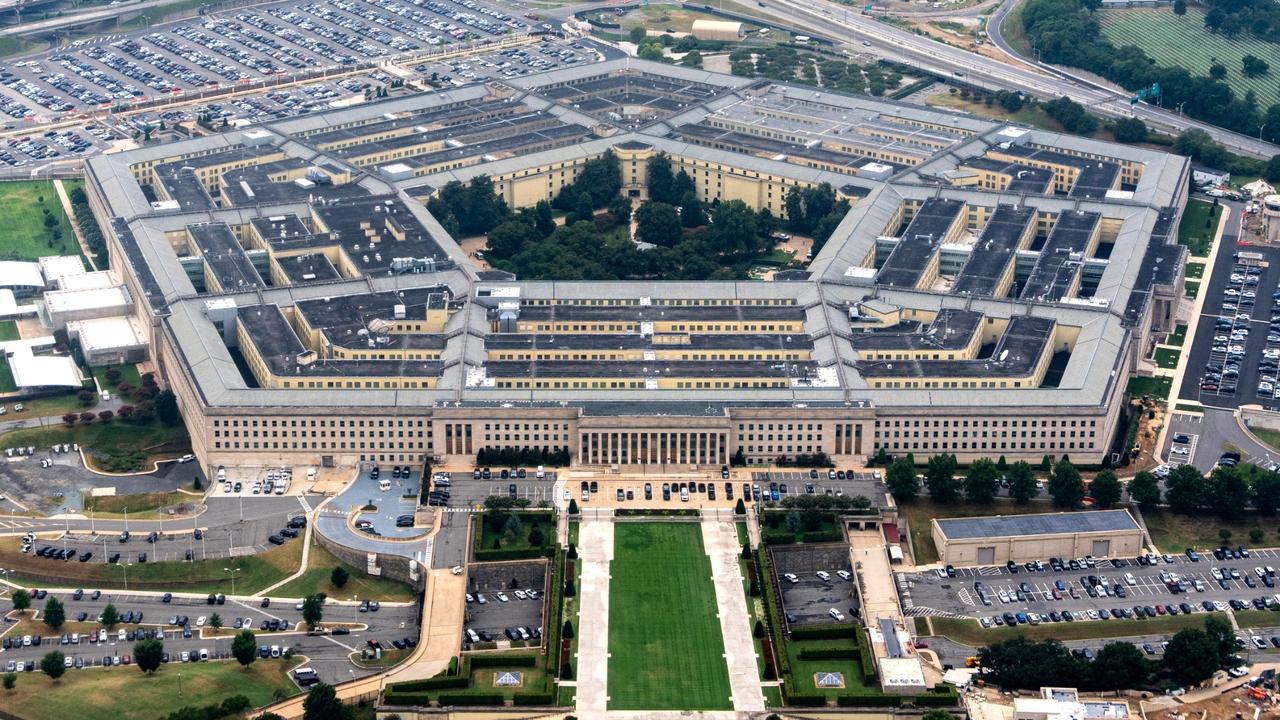
The Trump administration’s emphasis has shifted toward homeland security and the security of the Western Hemisphere. At the same time its deeply contradictory and confused mindset on Taiwan is dangerous and could lead the military astray.

Lucio Blanco Pitlo III, Member of Board of Directors, Philippine Association for Chinese Studies
Oct 17, 2025
The Philippines is strengthening defense ties with the United States at a time of escalating US-China rivalry. Manila aims to mitigate power asymmetry, while China’s response to its maritime neighbor reflects a deep distrust of alliances and wary of invaders which came by sea.
Sujit Kumar Datta, Professor, Department of International Relations, University of Chittagong, Bangladesh
Oct 10, 2025
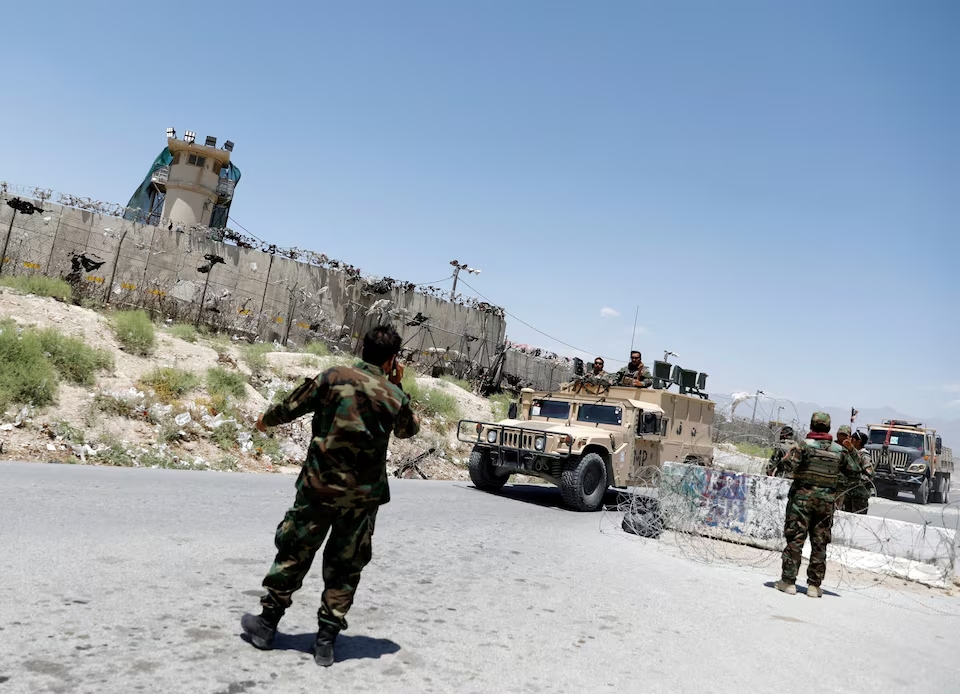
America’s Afghan pullout was a strategic debacle. Going back to Bagram Air Base would only sink the U.S. into another costly, divisive and failure-prone intervention in a geo-economic war at the center of Asia.
Richard Weitz, Senior Fellow, Hudson Institute
Oct 03, 2025
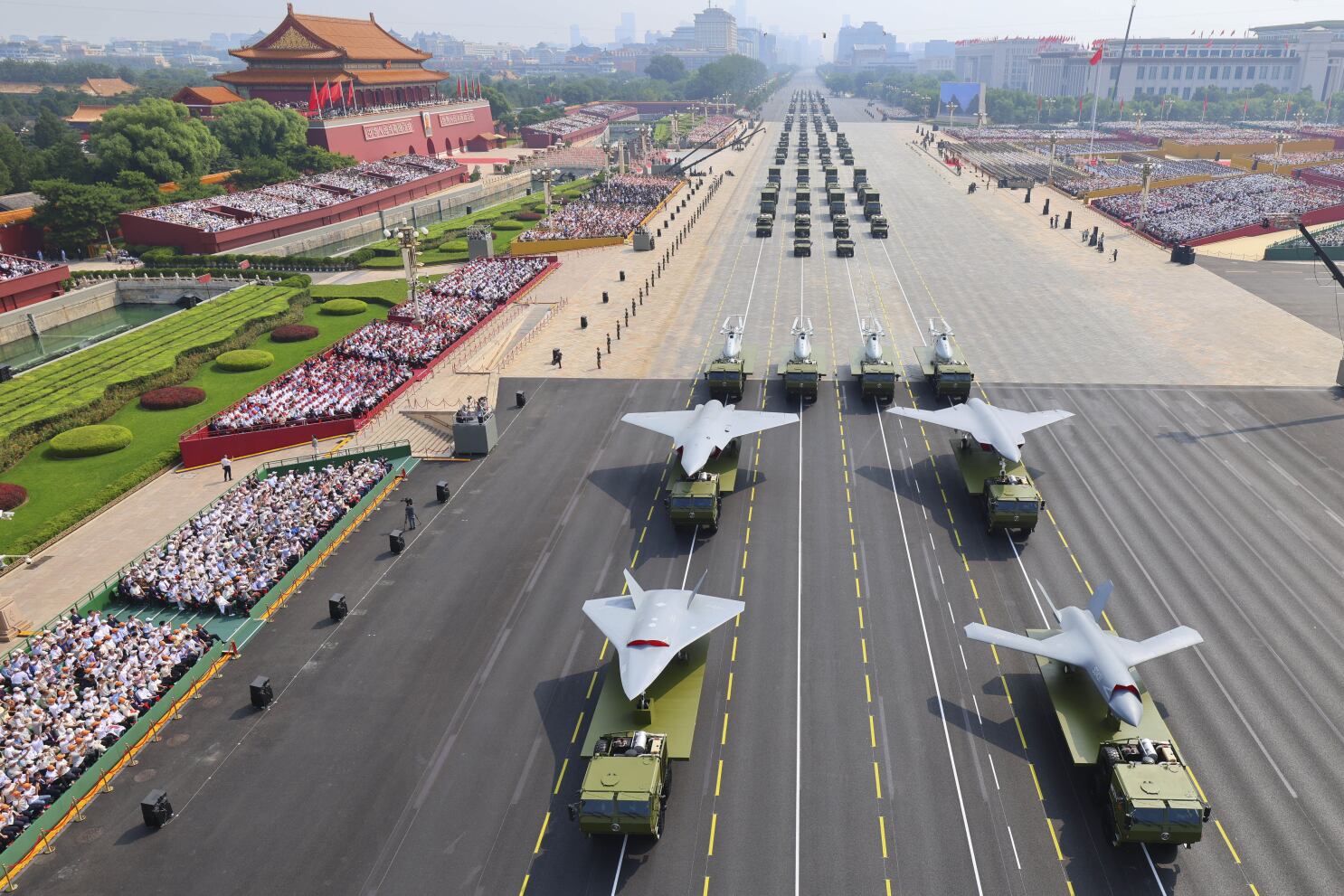
By displaying China’s growing military power, the September 3 parade aimed to intimidate adversaries, impress friends, and justify government policies. Yet, Russia’s failures in Ukraine remind us that organizing a parade and winning a war are different endeavors.
Zhang Zhixin, Research Professor of Institute of American Studies, CICIR
Oct 02, 2025
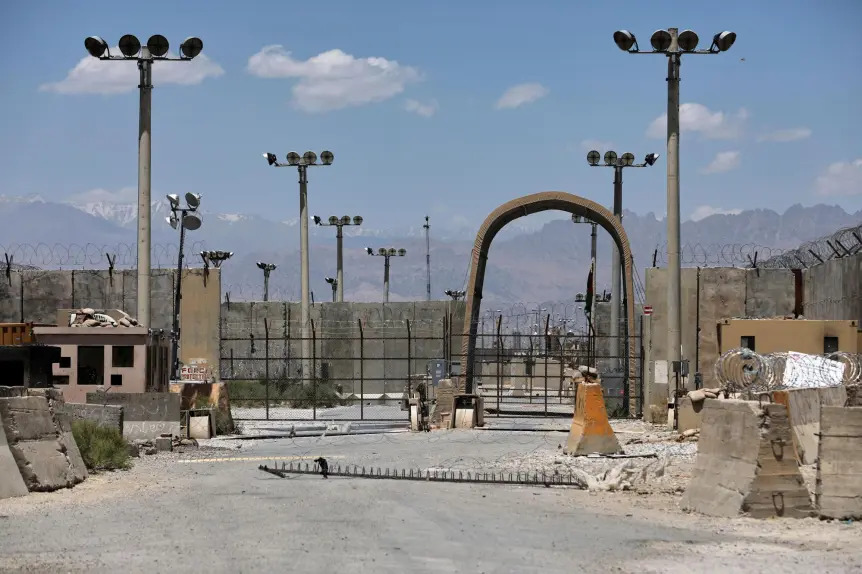
Donald Trump is threatening to retake Bagram Air Base to gain access to Afghanistan’s rich mineral deposits and to check China and other countries. It’s a costly fantasy. Trump himself signed the 2020 Doha Accord, and his about-face reveals a foreign policy driven by political revenge.
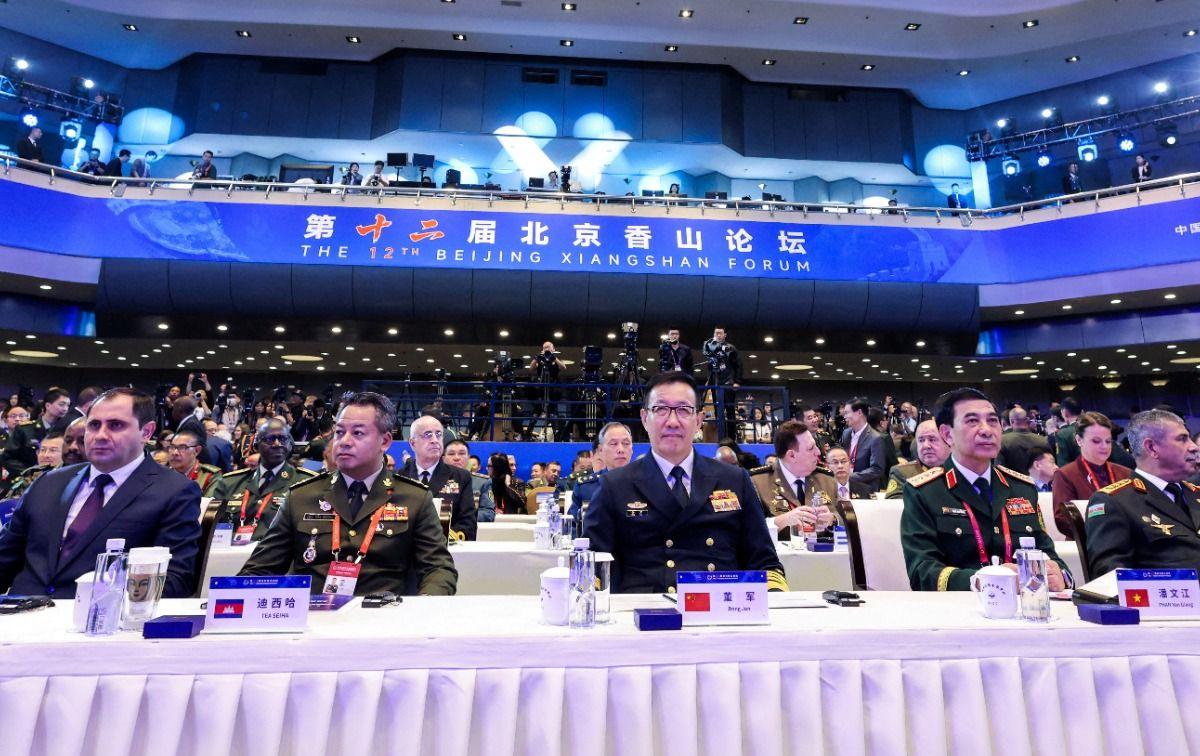
Zhang Gaosheng, Researcher at Department of World Peace and Security, China Institute of International Studies
Oct 02, 2025
China and the United States should work to improve their crisis management mechanisms and to promote mutual trust and cooperation. In this way they can contribute to each other’s success, achieve common prosperity and bring benefits to themselves and the world.
Wang Zhen, Professor and Deputy Director, Institute for International Relation Studies, Shanghai Academy of Social Sciences
Oct 02, 2025
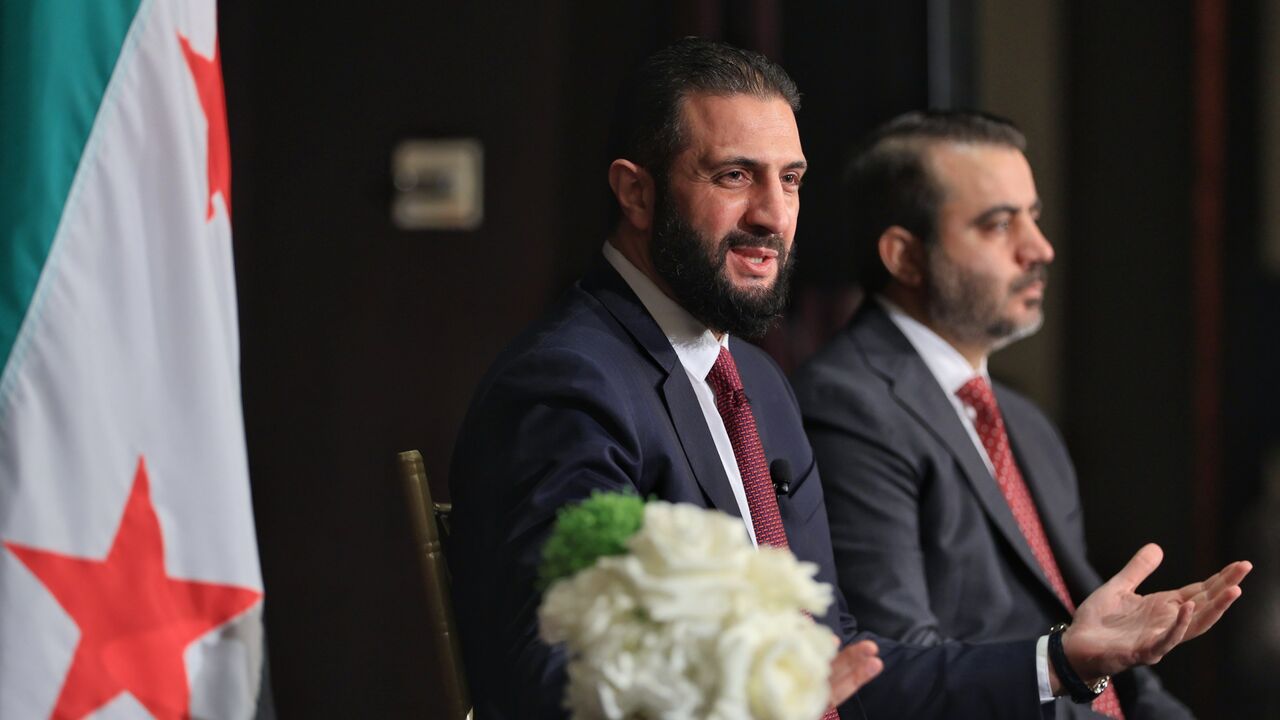
The UN visit of Ahmed Hussein al-Sharaa, the leader of Syria’s transitional government who changed his name from Abu Mohammed al-Julani, demonstrates that Western countries are replacing their post-9/11 consensus on counterterrorism cooperation with a sort of narrow geopolitical logic.
Warwick Powell, Adjunct Professor at Queensland University of Technology
Sep 26, 2025
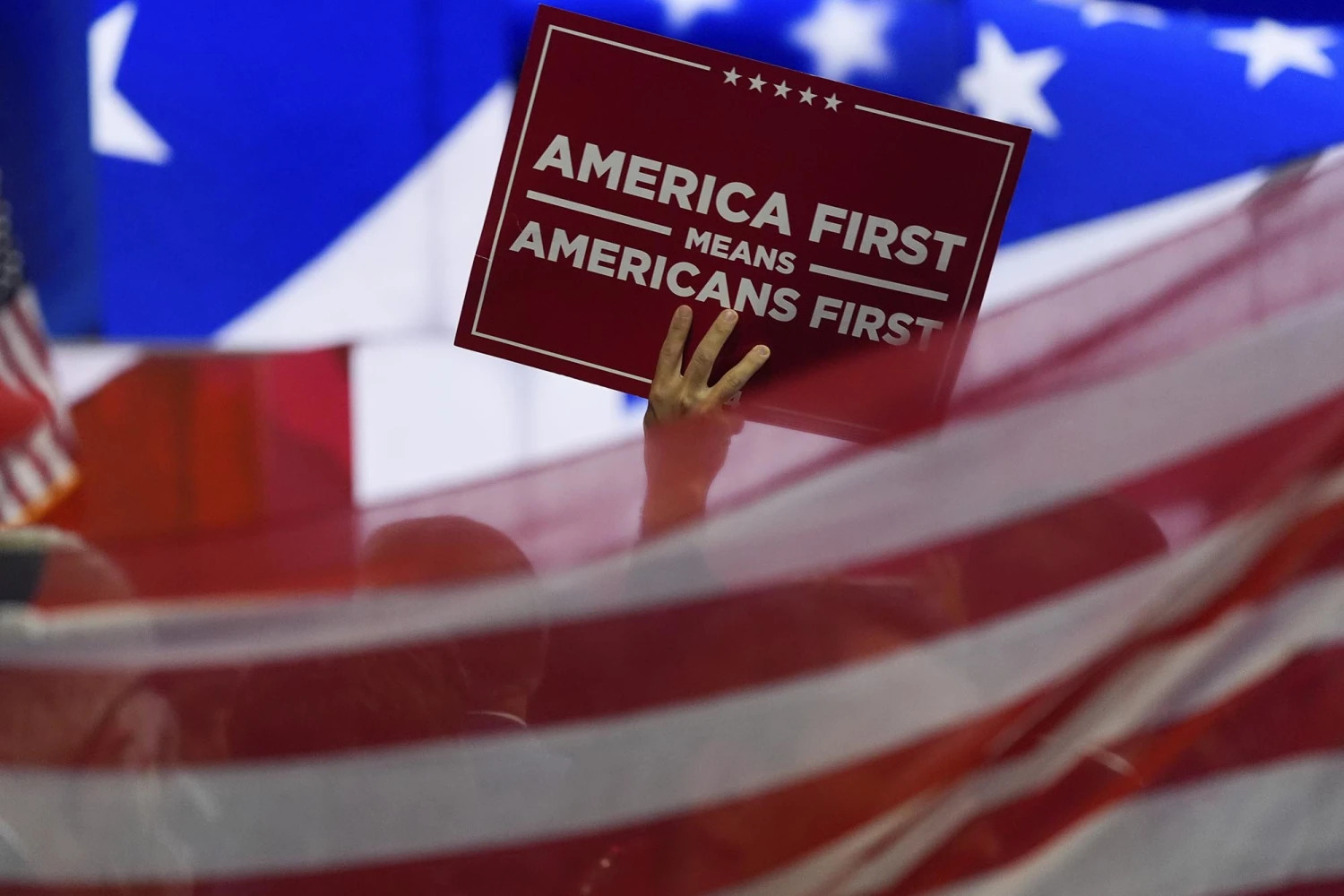
The United States remains committed to global primacy. That’s been a longstanding ambition that cuts across party lines inside the Beltway. Its security doctrines, diplomatic rhetoric and military posture continue to project the image of an indispensable nation whose umbrella guarantees the survival of allies from Europe to Asia. Yet beneath this facade, a widening gap has emerged between Washington’s strategic ambitions and its material capabilities.
Dan Steinbock, Founder, Difference Group
Sep 26, 2025
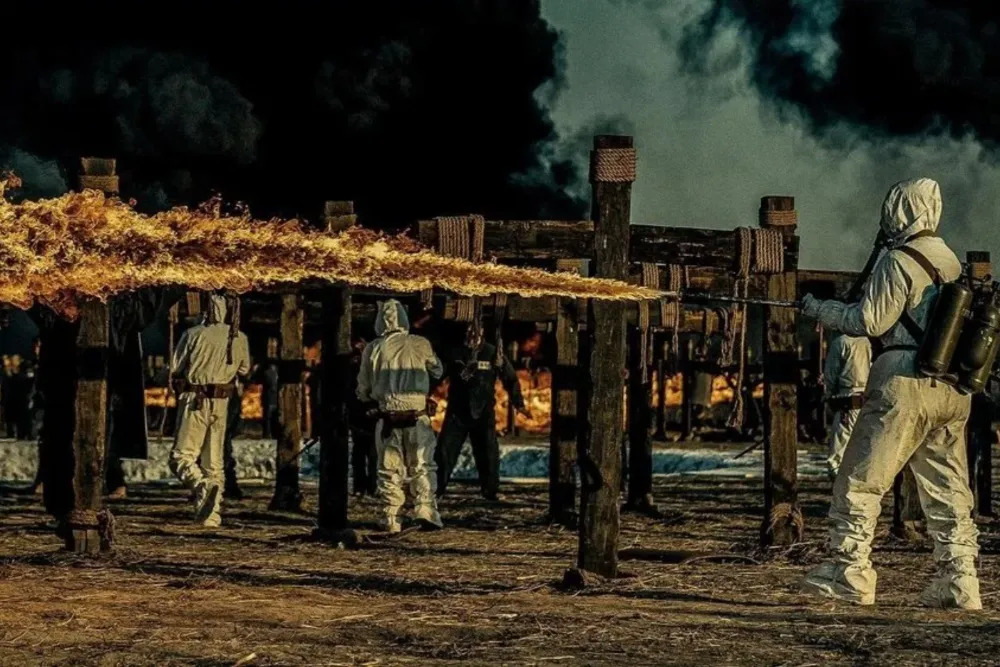
The new film Evil Unbound tells the story of Unit 731 and Japanese biowarfare in China. How the mass murderers escaped justice with U.S. support after World War II offers lessons even today.
Niu Xinchun, Professor, China-Arab Research Institute, Ningxia University
Sep 25, 2025
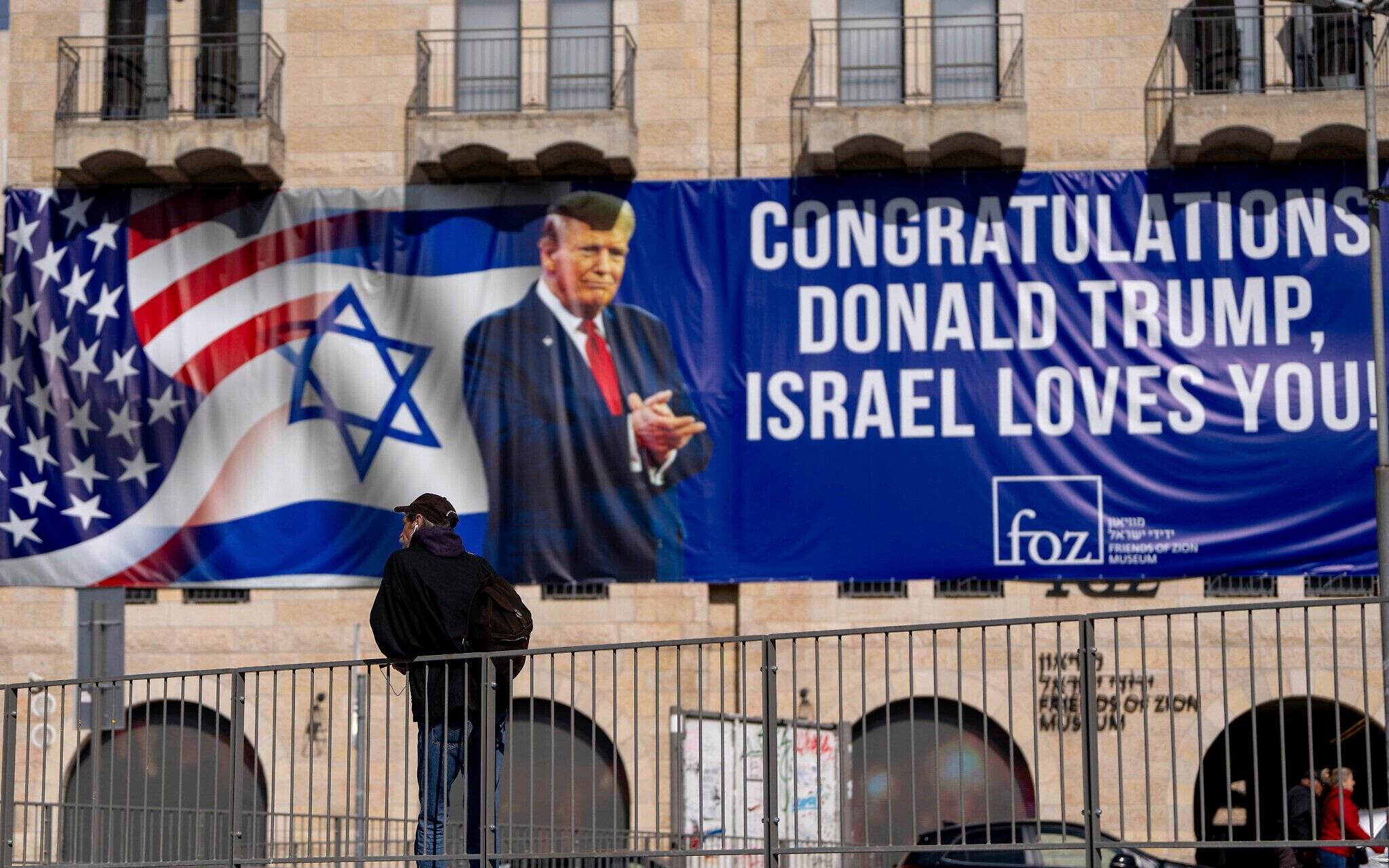
Amid the broader context of its strategic retrenchment in the Middle East, Washington aims to preserve its influence without committing substantial resources, something that requires deft skills — something that Donald Trump lacks.
Back to Top

- China-US Focus builds trust and understanding between the U.S. and China through open dialogue among thought leaders.