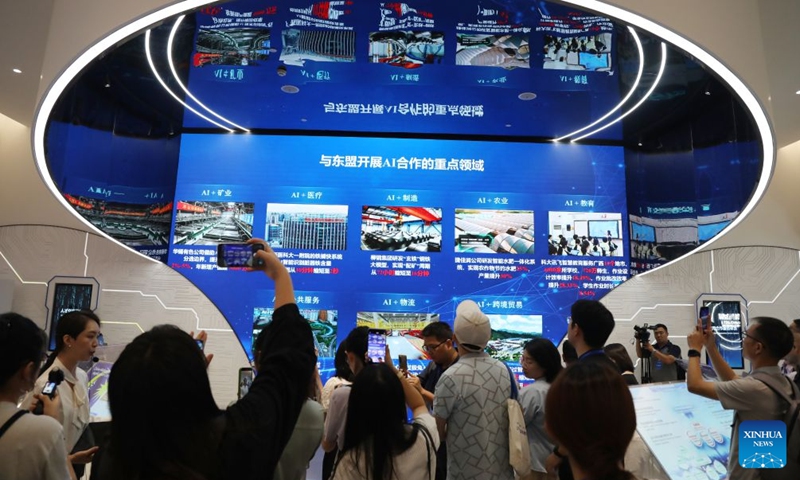
Sun Chenghao, Fellow, Center for International Security and Strategy of Tsinghua University; Munich Young Leader 2025
Oct 16, 2026
Against the backdrop of China-U.S. competition in AI, China-ASEAN cooperation can offer regional countries more practical help in navigating the competitive landscape with greater confidence.
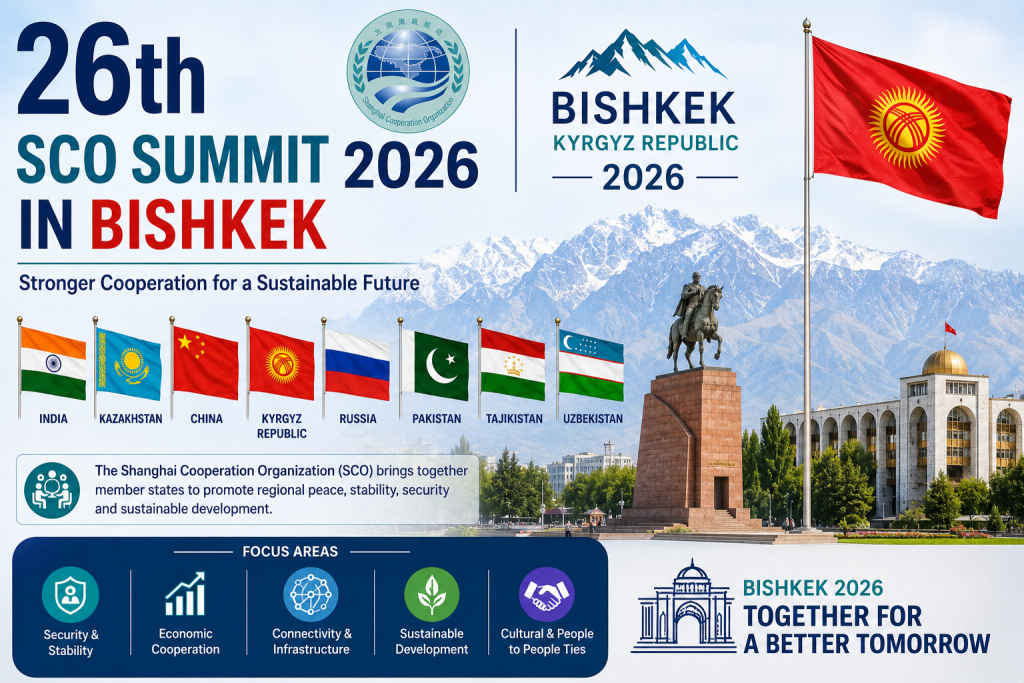
Warwick Powell, Adjunct Professor at Queensland University of Technology
Sep 07, 2026
Multilateral architecture rarely collapses with a dramatic bang; it hollows out often imperceptibly, victim to the growing weight of contradictions between real material conditions and outmoded institutional forms. In the span of a single recent 24-hour cycle, at the end of August and beginning of September 2026, the contemporary geopolitical landscape put two distinct models of regionalism on stark display.
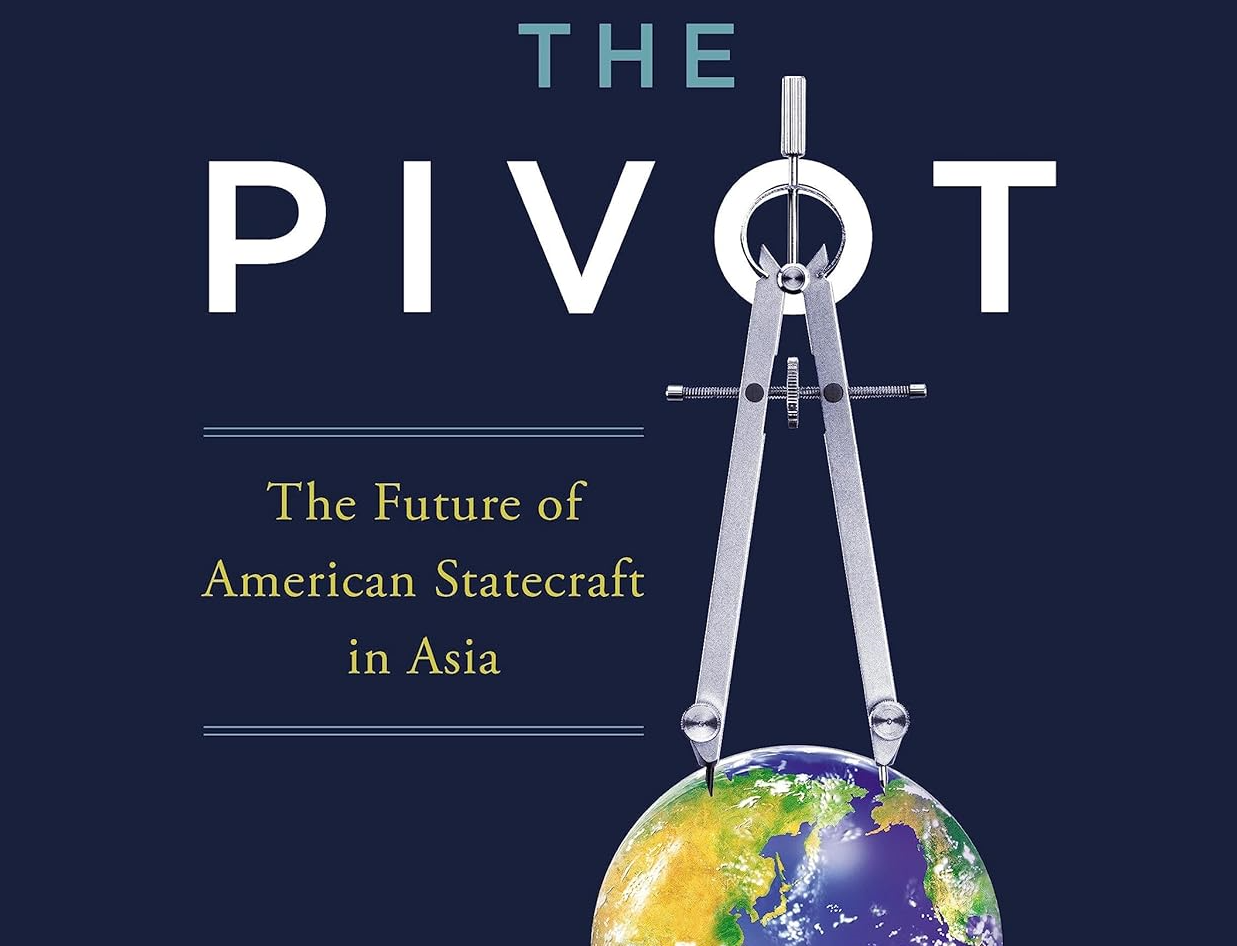
Warwick Powell, Adjunct Professor at Queensland University of Technology
Aug 07, 2026
For nearly eight decades, American grand strategy in the Indo-Pacific has rested on a singular assumption: that the United States can project decisive military
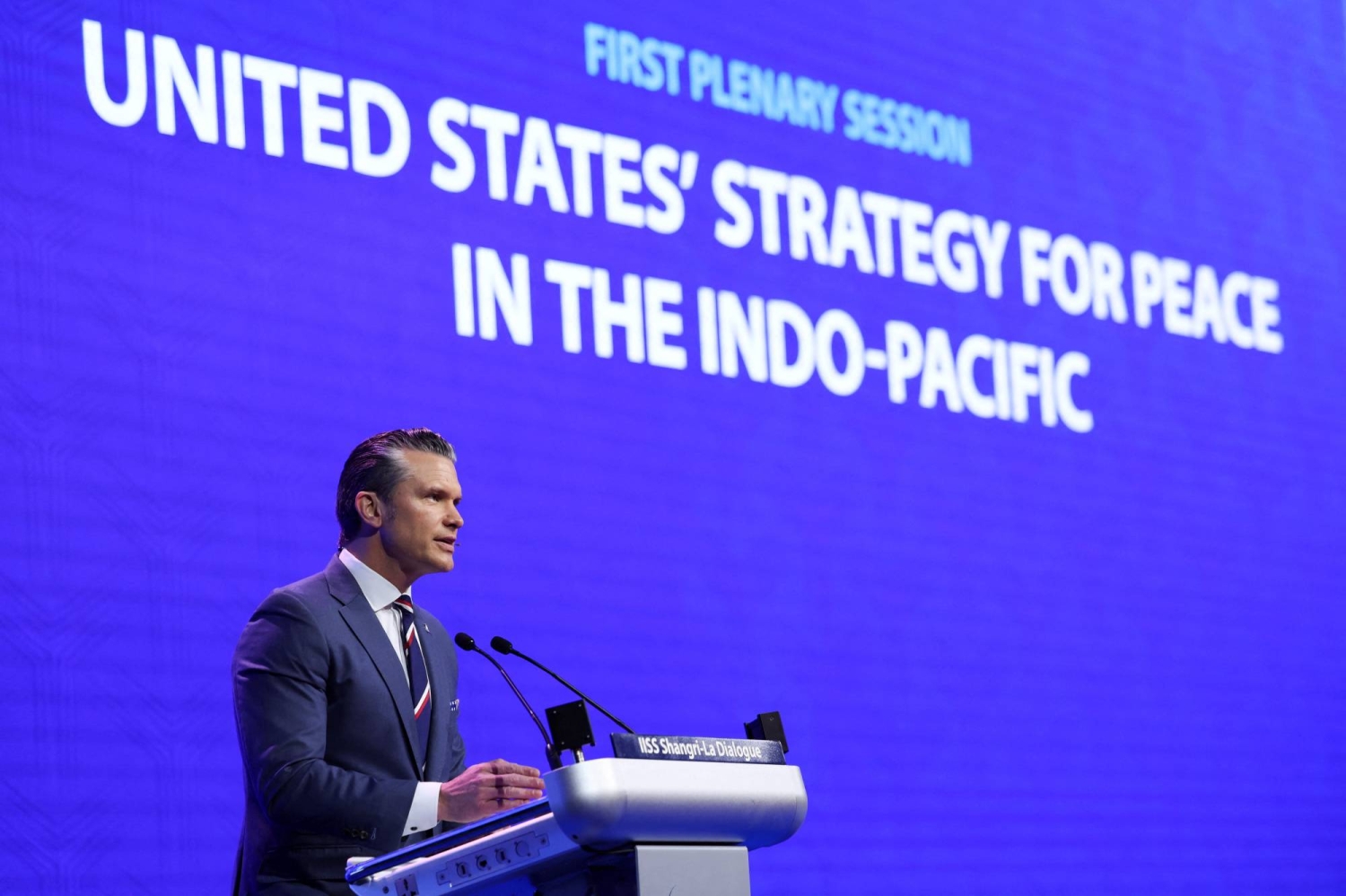
Brian Wong, Assistant Professor in Philosophy and Fellow at Centre on Contemporary China and the World, HKU and Rhodes Scholar
Jun 03, 2026
When it comes to the principle of multi-alignment – that is, the formation of non-binding yet effectual ties with a number of exogenous actors, including but not limited to great powers or regional blocs – ASEAN, the eleven-member bloc in Southeast Asia, is most definitely an astute exemplar.
He Weiwen, Senior Fellow, Center for China and Globalization, CCG
May 27, 2026
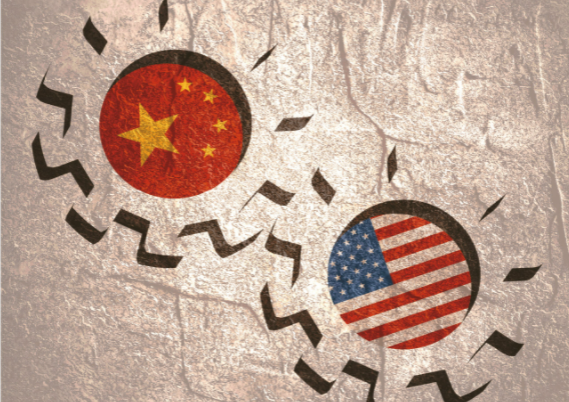
Trump’s trip to China signals the start of a new trade relationship, anchored in good economic fundamentals that are solid, stable and sustainable. Both countries stand to benefit, as does the rest of the world in terms of peace and prosperity.
Du Lan, Deputy Director at Asia-Pacific Institute, China Institute of International Studies
Apr 27, 2026
The current U.S. policy toward Southeast Asia is generating a range of negative effects. If the United States fails to adjust its competitive, confrontational and self-serving foreign policy, its influence in the region is likely to face further decline.
Richard Javad Heydarian, Professorial Chairholder in Geopolitics, Polytechnic University of the Philippines
Jan 09, 2026
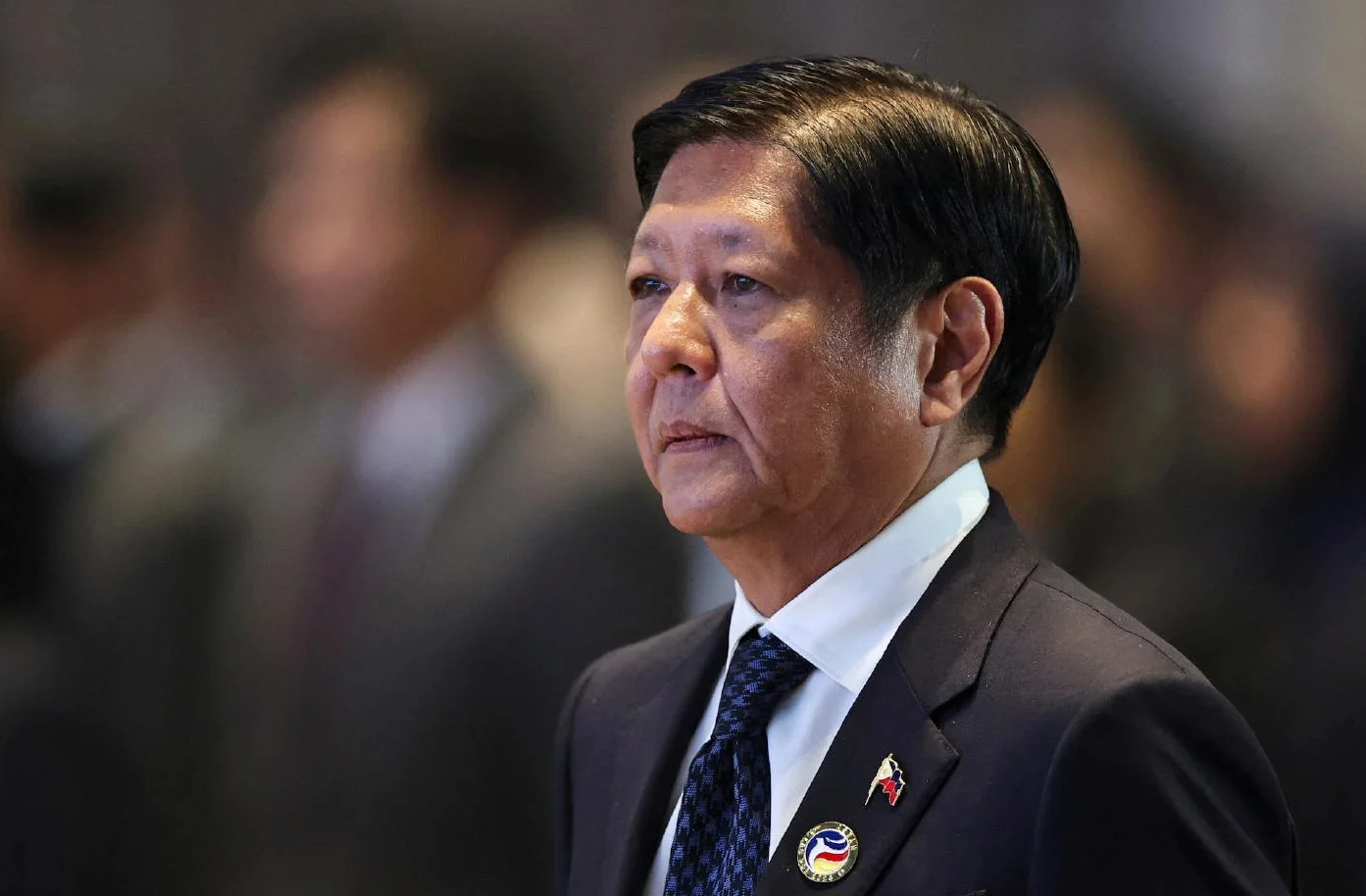
As the Philippines assume the ASEAN chairmanship in 2026, President Ferdinand Marcos Jr. is seeking to de-escalate tensions with China while deepening defense cooperation with the United States and other partners amid rising frictions in the South China Sea. The strategy reflects Manila’s effort to bolster deterrence without undermining ASEAN consensus or provoking broader regional instability.
Lucio Blanco Pitlo III, Member of Board of Directors, Philippine Association for Chinese Studies
Dec 18, 2025
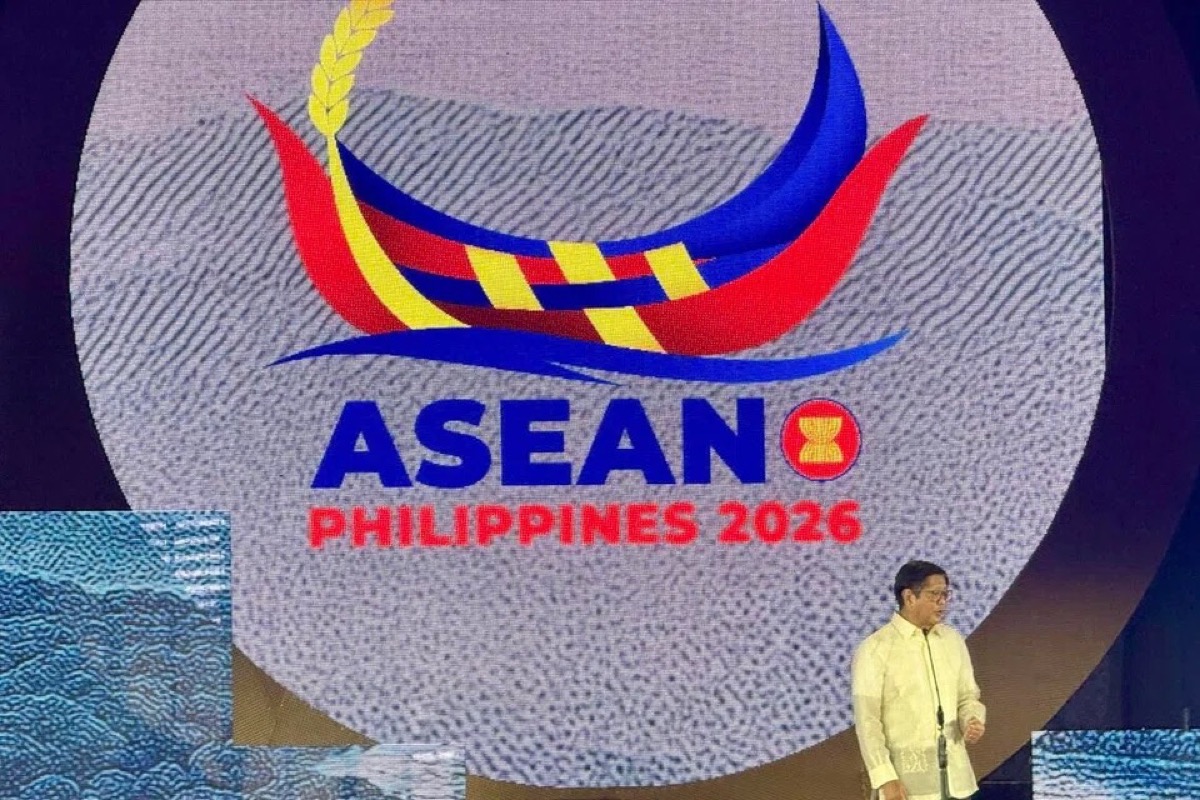
ASEAN’s leadership has now been passed onto the Philippines during a time when traditional world powers like the U.S. and China are courting new relationships in rising regions.
Brian Wong, Assistant Professor in Philosophy and Fellow at Centre on Contemporary China and the World, HKU and Rhodes Scholar
Dec 18, 2025
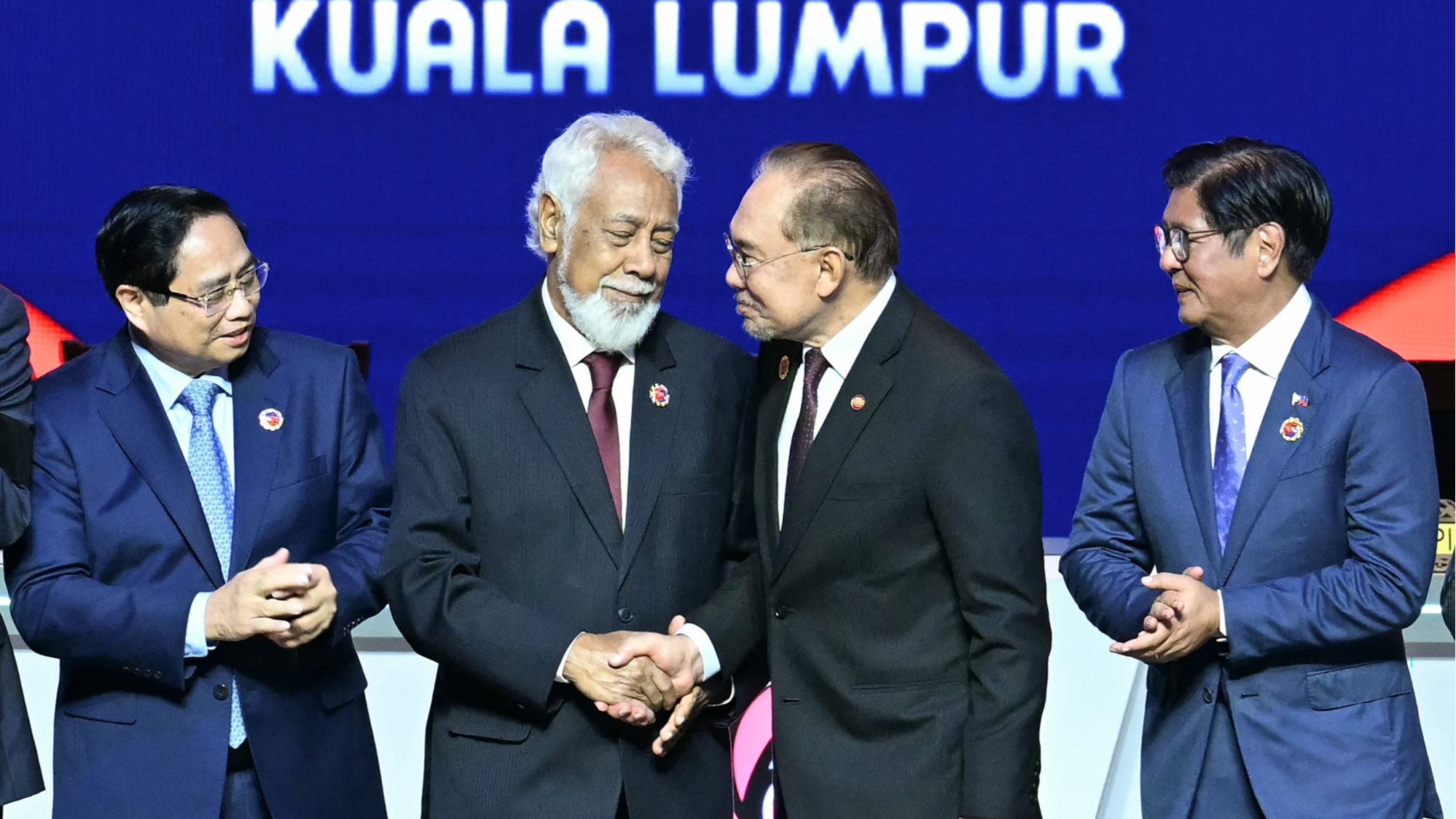
Timor-Leste’s accession to ASEAN underscores its expanding but still limited relationship with China, marked by significant infrastructure and trade cooperation alongside ongoing institutional and investment challenges. Deeper and more coordinated Chinese engagement would enable Timor-Leste to play a meaningful role in strengthening Sino-ASEAN cooperation.
Gu Bin, Associate Professor, Beijing Foreign Studies University
Oct 09, 2025
The new way is not about dismantling anything. It simply rejects American hegemonic thinking and embraces the Oriental wisdom of consultation and co-governance. This approach, which transcends the American model, represents the future.
Back to Top

- China-US Focus builds trust and understanding between the U.S. and China through open dialogue among thought leaders.