Zhang Zhixin, Research Professor of Institute of American Studies, CICIR
Mar 26, 2026
Four interconnected risks threaten Republican control of the U.S. Congress in November’s midterm elections. The vote will determine not only control of Congress but will also profoundly influence the future trajectory of American politics.
Zhou Yiqi, Associate Fellow, Center for West Asian & African Studies, Shanghai Institutes for International Studies
Mar 26, 2026
An era has reached its end. Washington now faces a stark choice: It must either pay the true diplomatic and political price of leadership or prepare to hand over the keys to a region it can neither afford nor effectively manage.
Sebastian Contin Trillo-Figueroa, Geopolitics Analyst in EU-Asia Relations and AsiaGlobal Fellow, The University of Hong Kong
Mar 26, 2026
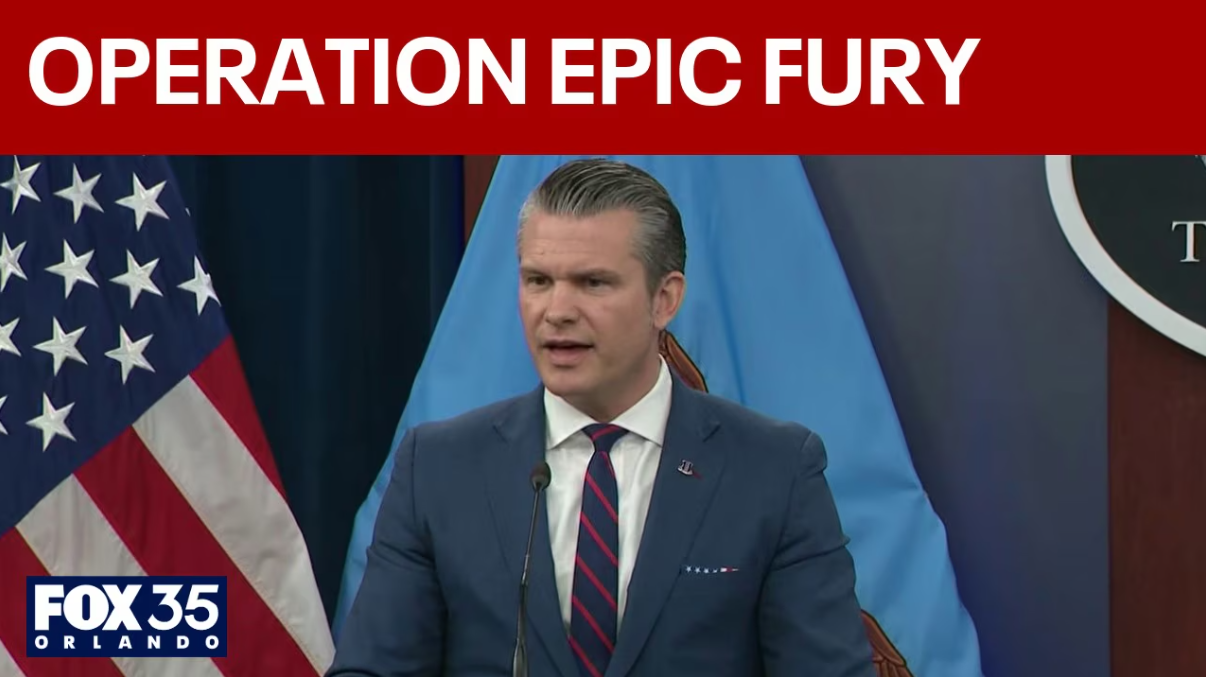
U.S. strikes on Iran that killed Supreme Leader Ali Khamenei redirected American military resources and attention from the Indo-Pacific to the Middle East. This shift allows China to strengthen its strategic position in Asia while the United States becomes absorbed in a secondary conflict.
Shou Huisheng, Director, Center for Turkey Studies at Beijing Language and Culture University
Mar 23, 2026
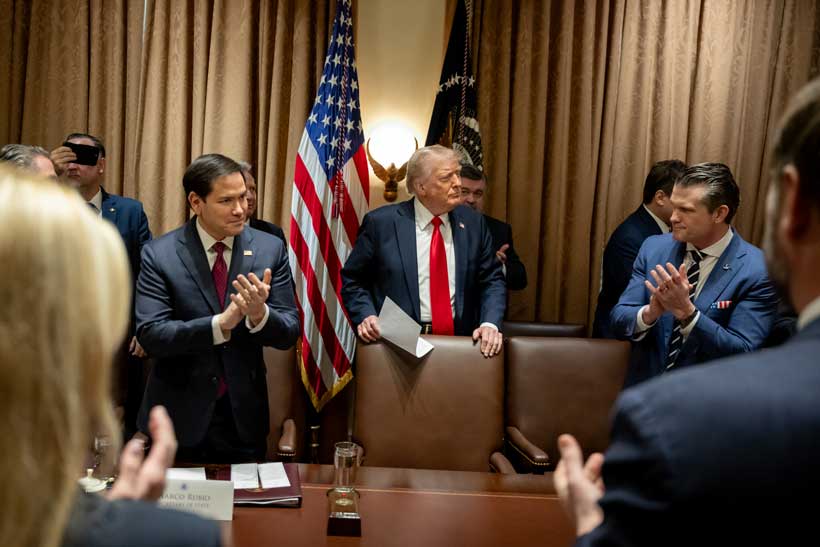
Donald Trump is deconstructing U.S. foreign policy through his erratic decision-making and appetite for political theater. The correction likely depends less on any single president but on whether America can build more stable strategic assessment mechanisms, more open decision-making processes and more resilient policy-correction capacity.
Li Zheng, Assistant Research Processor, China Institutes of Contemporary International Relations
Mar 06, 2026
An effective balance of power rests on the management of strategic uncertainty, whereas Donald Trump’s approach actively manufactures uncertainty. It cuts against the core tenets of traditional theory. His style is unlikely to endure.
Stephen Holmes, Professor at New York University School of Law, Berlin Prize Fellow at American Academy in Berlin
Feb 05, 2026
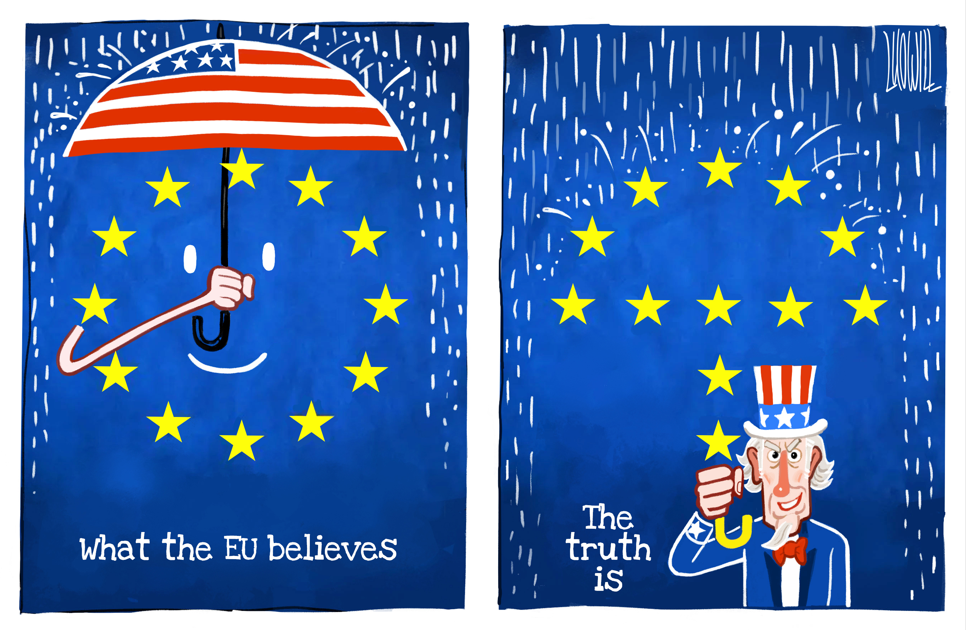
By threatening to seize Greenland by force, US President Donald Trump has exposed the childlike illusions of his European admirers. Having spent years cultivating their bromances with him, the continent’s right-wing populists – the United Kingdom’s Nigel Farage, Jordan Bardella in France, Alice Weidel in Germany, Italy’s Matteo Salvini, Robert Fico in Slovakia, Hungary’s Viktor Orbán, and Mateusz Morawiecki in Poland – imagined themselves fellow travelers in a revolt against liberal internationalism. Now their idol and patron has been threatening to swallow whole or in part (if the supposed “deal” he has announced comes about) the sovereign territory of a European ally.
Li Yan, Director of President's Office, China Institutes of Contemporary International Relations
Feb 05, 2026
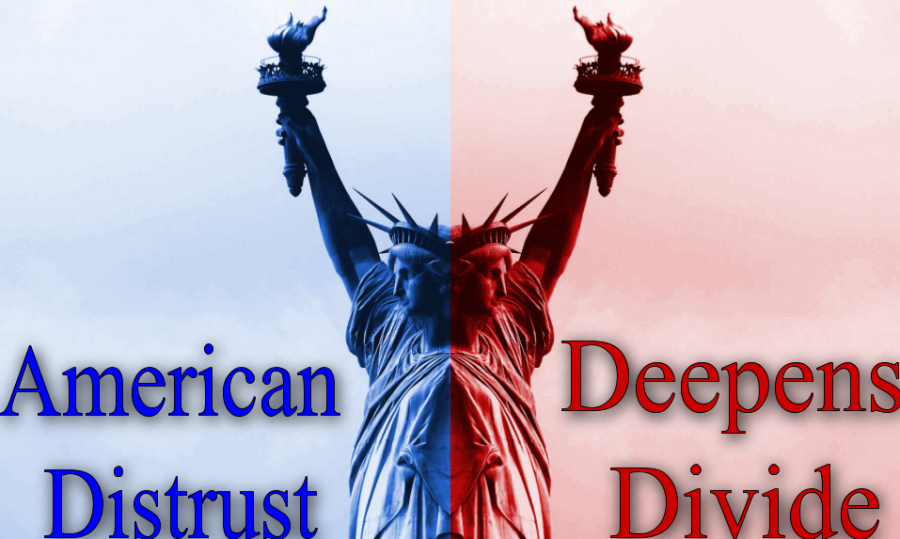
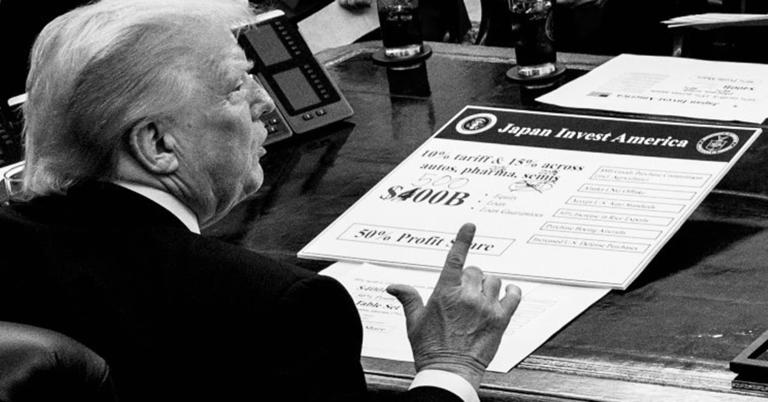
Partisan polarization, electoral pressures and factional strife function together, driving Trump to take a tough stance abroad as his main tool in his political gamesmanship.
Ghulam Ali, PhD, Monash University, Australia
Jan 30, 2026
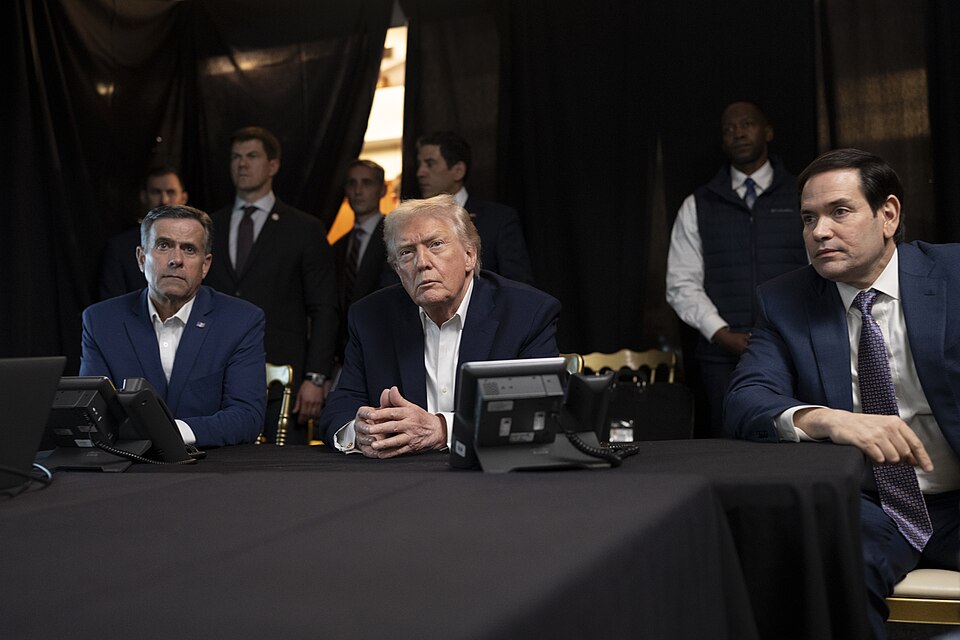
By January 2026, the first year of the second four-year—and constitutionally final—term of U.S. President Donald Trump was complete. This initial quarter of his tenure has jolted the world, unnerving the global community on economic, trade, and security matters while weakening the post-war international order. The resulting shocks reverberate across the international system, amplified by the scale of U.S. power and global entanglement. This disruption is unfolding in real time.
Lucio Blanco Pitlo III, President of Philippine Association for Chinese Studies, and Research Fellow at Asia-Pacific Pathways to Progress Foundation
Jan 16, 2026
The U.S. operation to capture Venezuelan President Nicolás Maduro demonstrates Washington’s military power and intent to counter rival influence, particularly China, in the Western Hemisphere, but it violates international law and risks destabilizing the region. Such interventions often produce unintended consequences, embolden other powers to challenge norms, and expose smaller states to coercion, highlighting the dangers of unilateral actions under the guise of national or hemispheric security.
Sebastian Contin Trillo-Figueroa, Geopolitics Analyst in EU-Asia Relations and AsiaGlobal Fellow, The University of Hong Kong
Jan 13, 2026
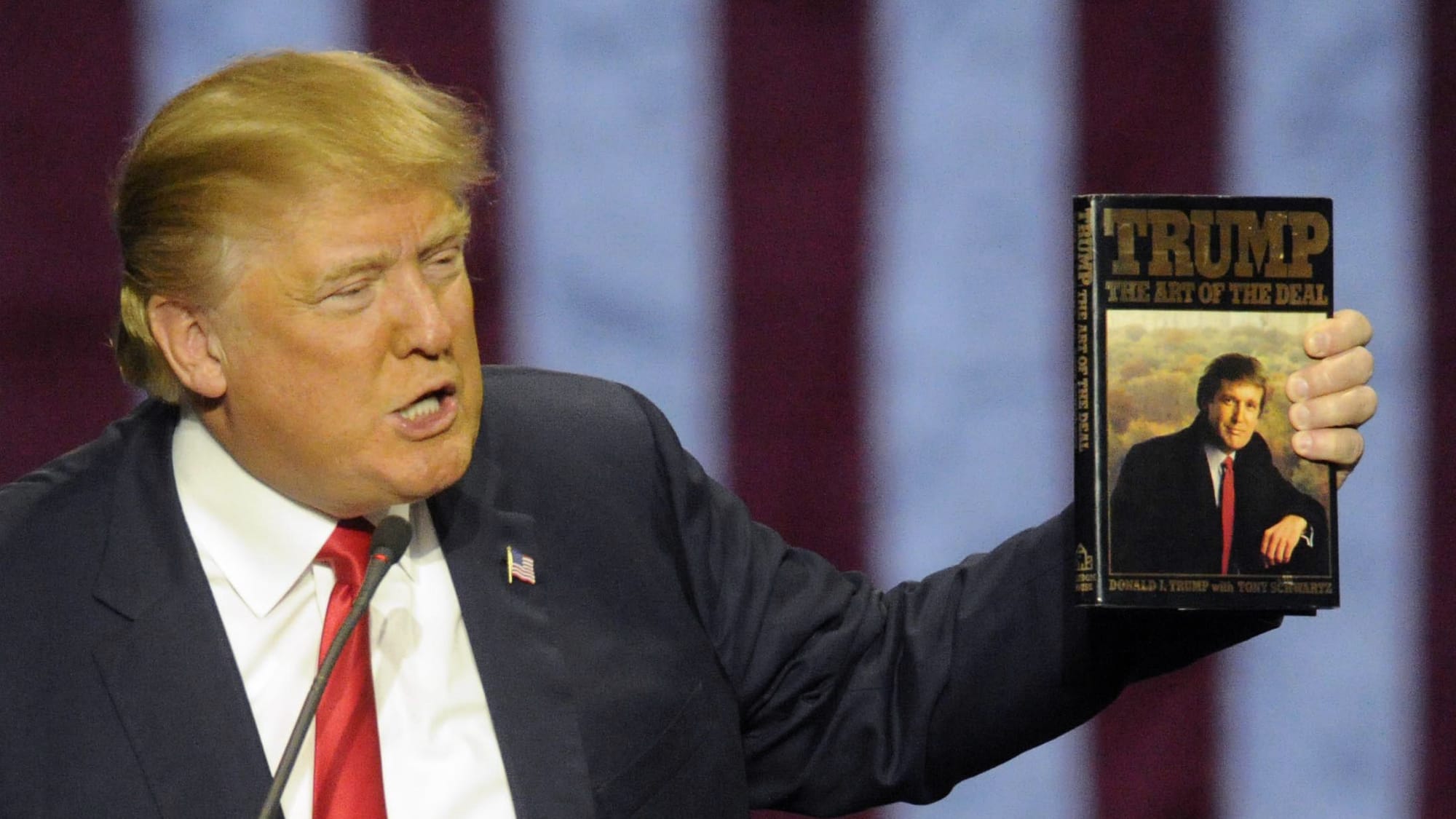
The Trump administration has merged state authority with private interests, treating political power as a monetizable platform rather than a system of public governance. From Beijing’s perspective, this validates China’s pragmatic approach to legitimacy and positions the U.S. as a conglomerate of private interests rather than a traditional state.
Back to Top

- China-US Focus builds trust and understanding between the U.S. and China through open dialogue among thought leaders.