Shou Huisheng, Director, Center for Turkey Studies at Beijing Language and Culture University
Mar 23, 2026
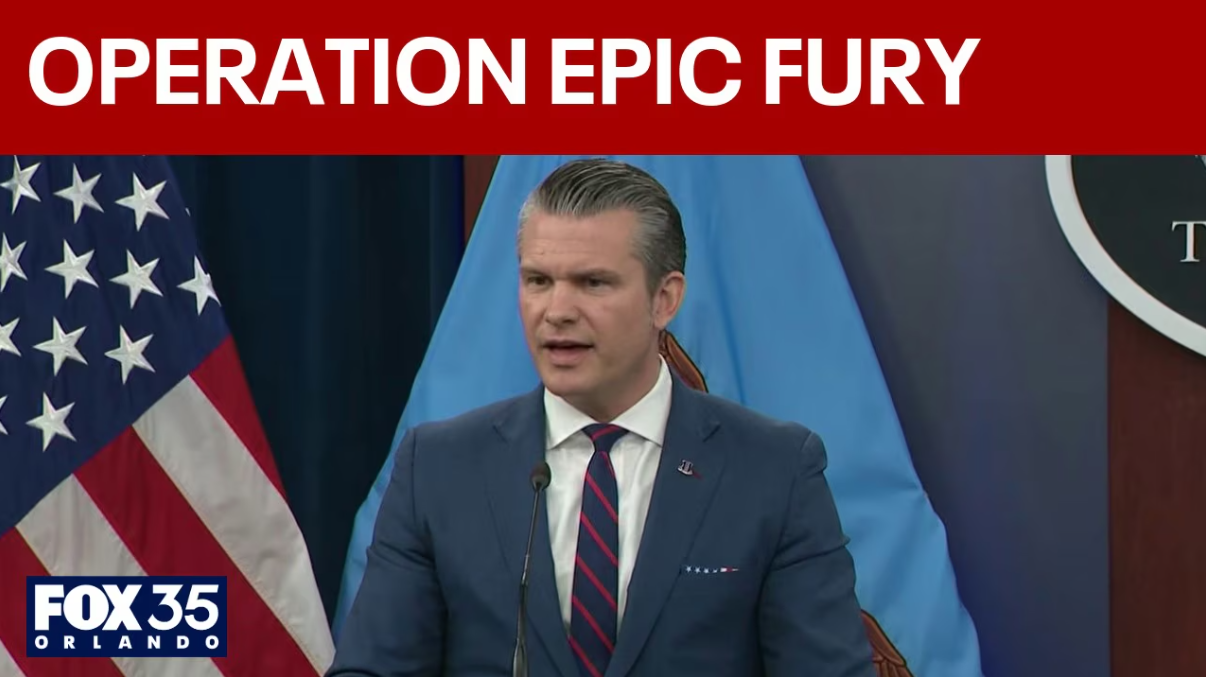
Donald Trump is deconstructing U.S. foreign policy through his erratic decision-making and appetite for political theater. The correction likely depends less on any single president but on whether America can build more stable strategic assessment mechanisms, more open decision-making processes and more resilient policy-correction capacity.
Carla Norrlöf, Professor of Political Science at University of Toronto, non-resident senior fellow at Atlantic Council
Mar 20, 2026
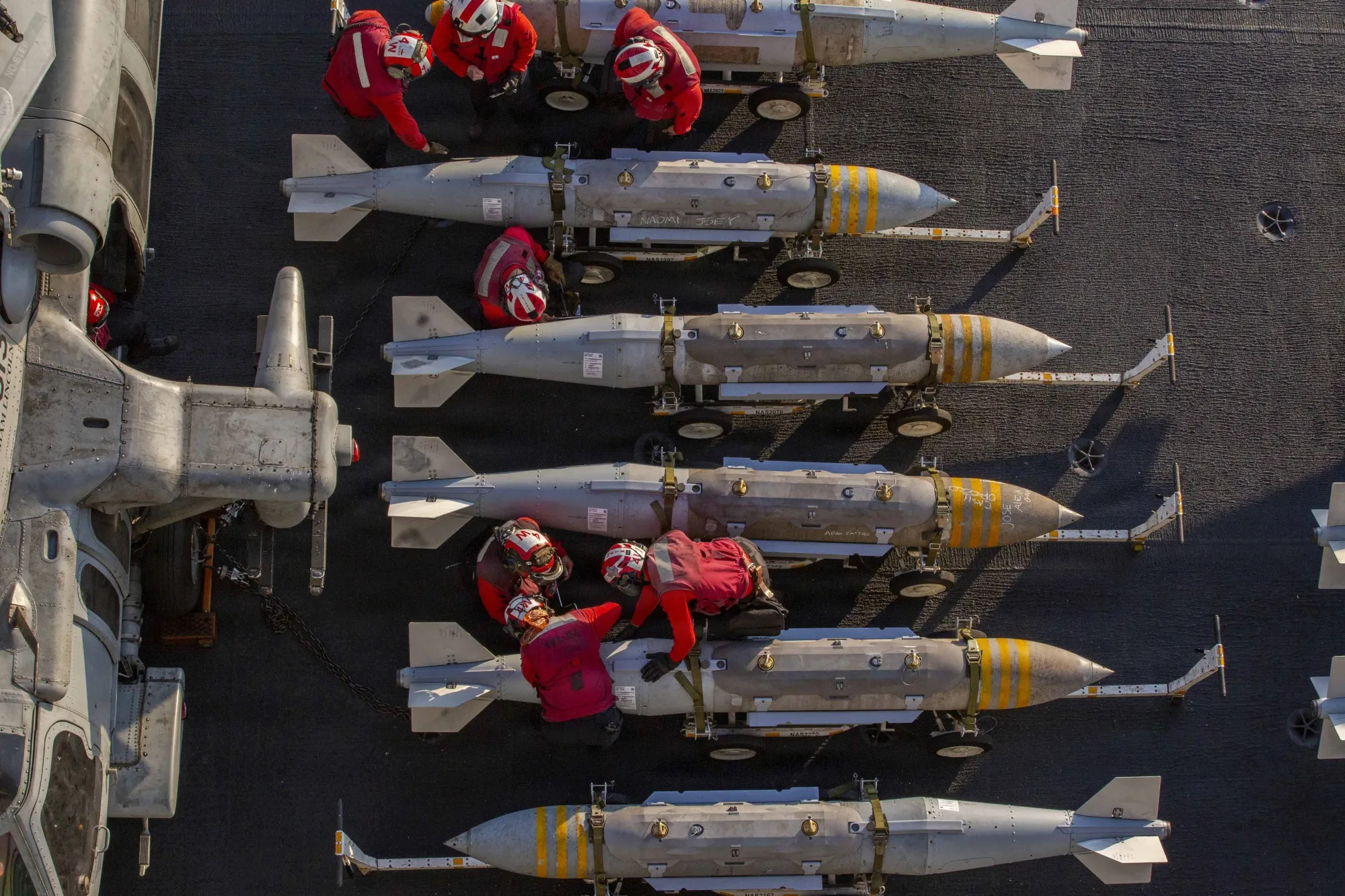
The messy crisis in the Strait of Hormuz has clarified how power works in the 21st century. It reminds us that the greatest long-term threat to the United States is not China’s military buildup or Russian aggression, but the gradual fragmentation of the alliance system that has underwritten its global leadership since World War II.
Ted Galen Carpenter, Senior Fellow, Randolph Bourne Institute
Mar 13, 2026
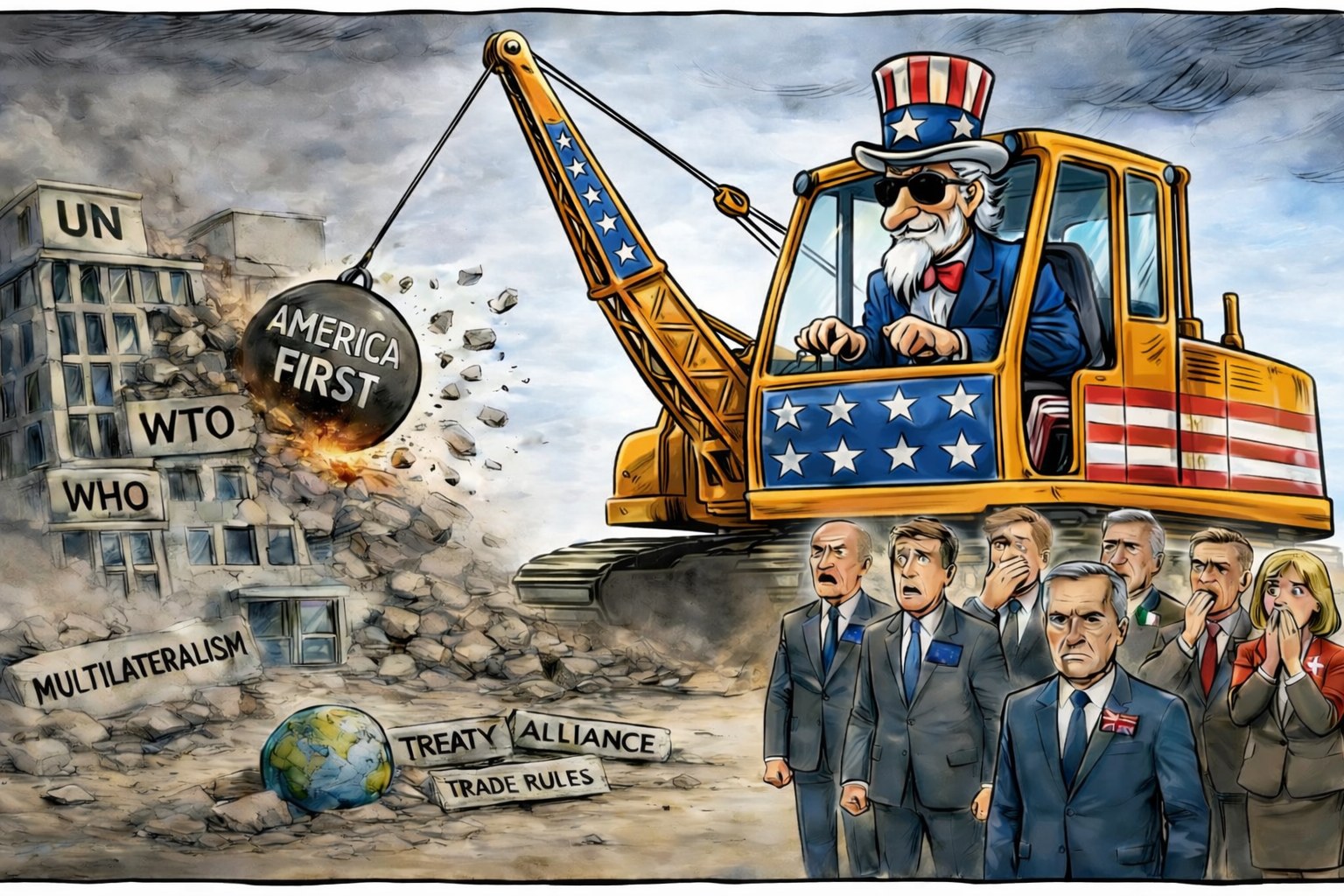
Donald Trump has not destroyed a legitimate rules-based international order; rather, his actions have exposed the long-standing hypocrisy of a system in which the United States and its allies have frequently ignored international law while enforcing it selectively against their adversaries.
Stephen Holmes, Professor at New York University School of Law, Berlin Prize Fellow at American Academy in Berlin
Mar 02, 2026
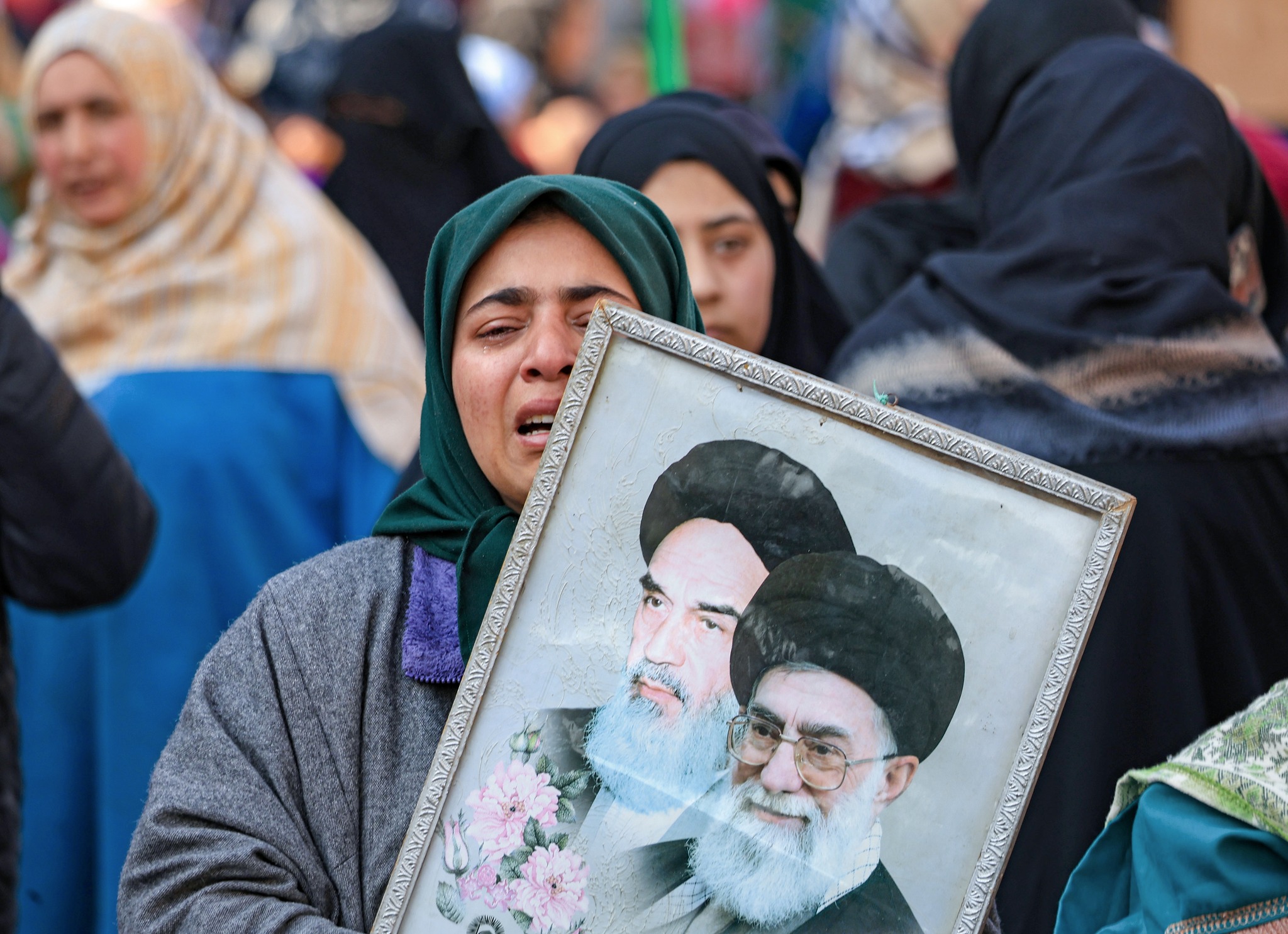
Critics of the attack on Iran by the United States and Israel point out that US President Donald Trump has no plan for what comes next. And they are not wrong: when Trump boasts that he can resolve wars in a single day, he merely exposes the limits of his attention span. But the real problem is not the shortness of Trump’s time horizon; it’s the narrowness of his threat perception.
Warwick Powell, Adjunct Professor at Queensland University of Technology
Feb 26, 2026
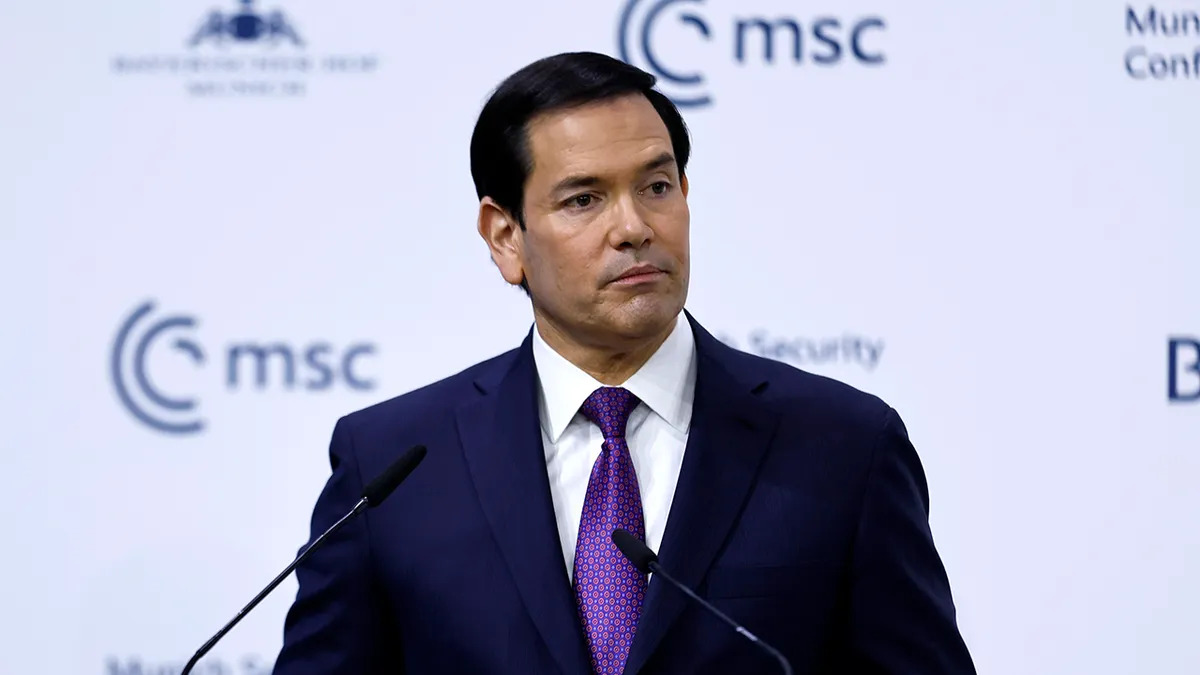
U.S. Secretary of State Marco Rubio stood before the Munich Security Conference on 14 February 2026 and delivered a speech that will be remembered less for its
Dan Steinbock, Founder, Difference Group
Feb 13, 2026
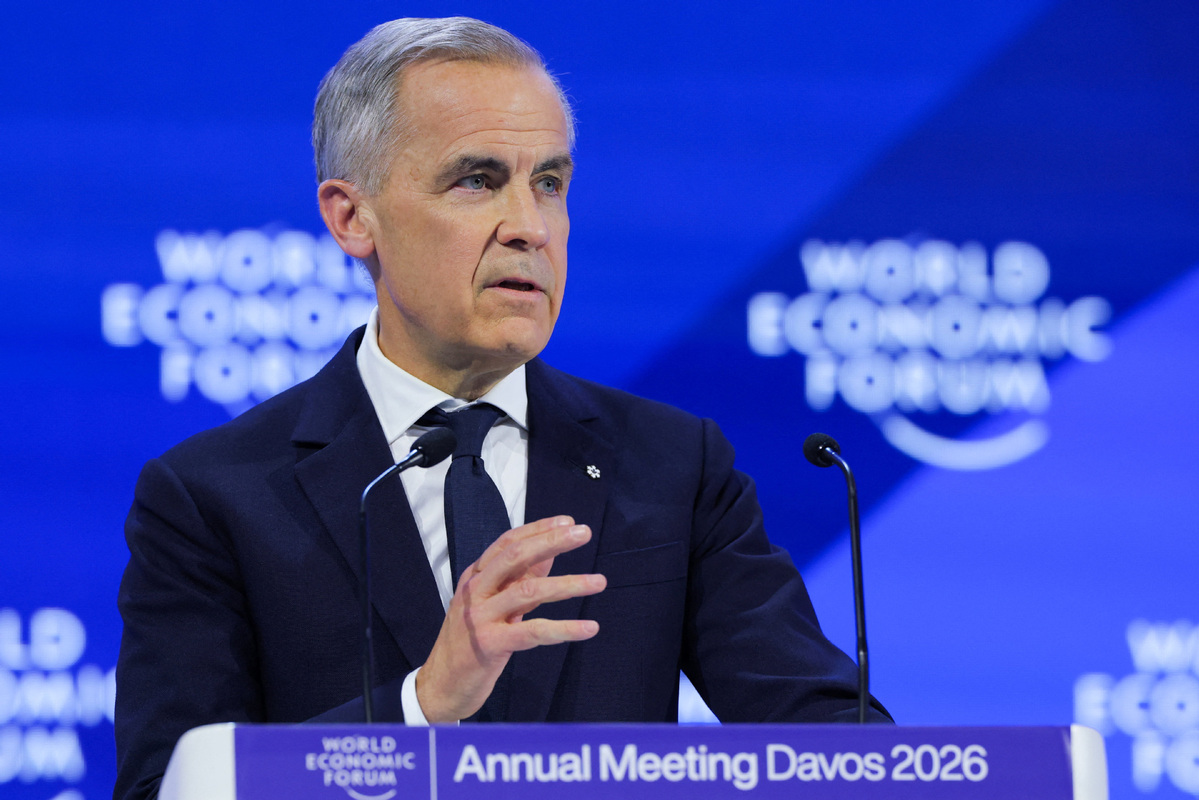
In a recent speech, Canada’s Prime Minister Mark Carney declared the end of the rules-based order. Yet, U.S. unilateralism began accelerating in the 1980s, and much of the West complied so long as it remained beneficial. Today, that alignment no longer holds.
Wang Lei, Assistant Research Fellow, Institute of World Political Studies, CICIR
Jan 30, 2026
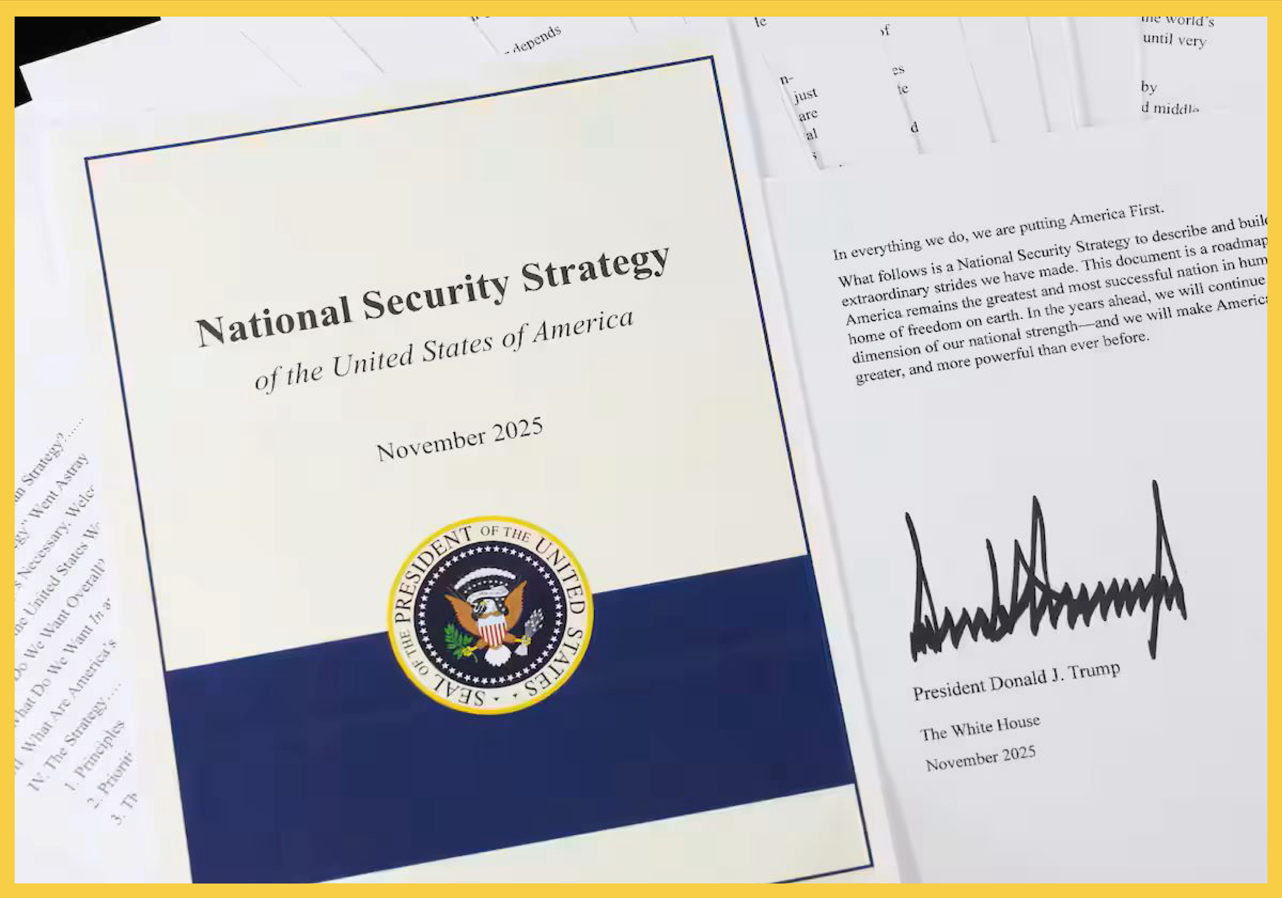
The U.S. president’s strategic shift is not temporary. It represents a medium- to long-term trajectory that stems from the confluence of simmering contradictions and various domestic and international factors.
Christopher A. McNally, Professor of Political Economy, Chaminade University
Jan 30, 2026
Donald Trump’s second-term foreign policy has accelerated the collapse of the postwar liberal international order by abandoning its institutions, norms, and sources of legitimacy. Economic integration is now widely used as a tool of coercion, placing middle powers in an unstable interregnum defined by great-power rivalry, forced alignment choices, and a widening contrast between U.S. unilateralism and China’s defense of globalization and multilateralism.
Sun Chenghao, Fellow, Center for International Security and Strategy of Tsinghua University; Munich Young Leader 2025
Jan 12, 2026
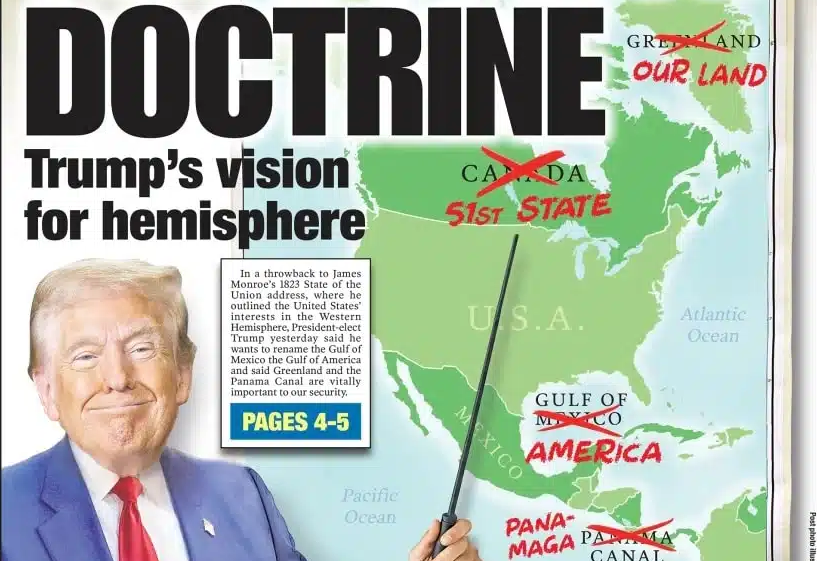
Is the United States engaging in retrenchment or a new form of hegemony? Venezuela and Greenland are not separate stories but a single thread. A more transactional, more emotional and more coercion-oriented U.S. is taking shape.

Nong Hong, Executive Director, Institute for China-America Studies; Senior Fellow, Beijing Club for International Dialogue
Jan 12, 2026
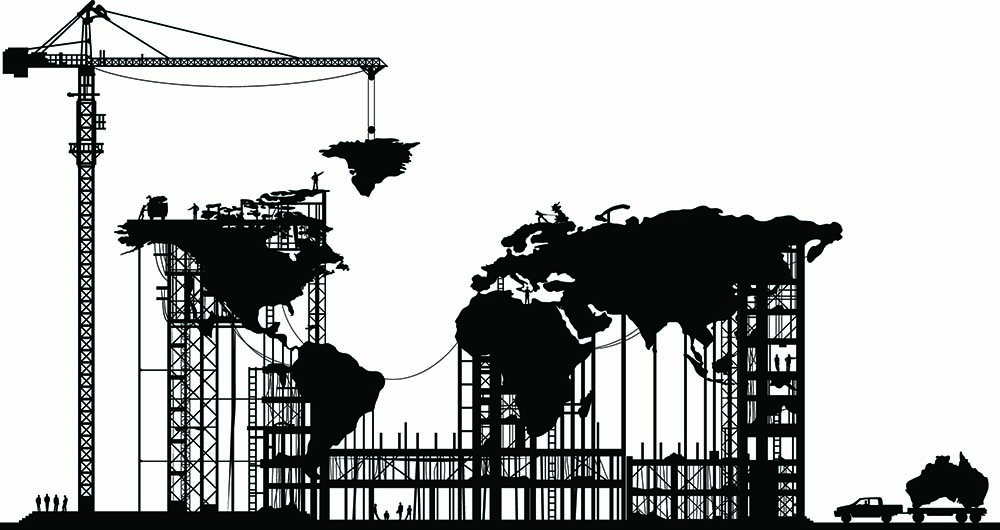
The cases of Greenland, Venezuela and Ukraine signal what’s coming in the next phase of global governance. It is not disappearing but is being rebuilt—faster, more contested and more deal-driven than ever under the pressure of crisis and rivalry.
Back to Top

- China-US Focus builds trust and understanding between the U.S. and China through open dialogue among thought leaders.