Brian Wong, Assistant Professor in Philosophy and Fellow at Centre on Contemporary China and the World, HKU and Rhodes Scholar
Jun 24, 2026
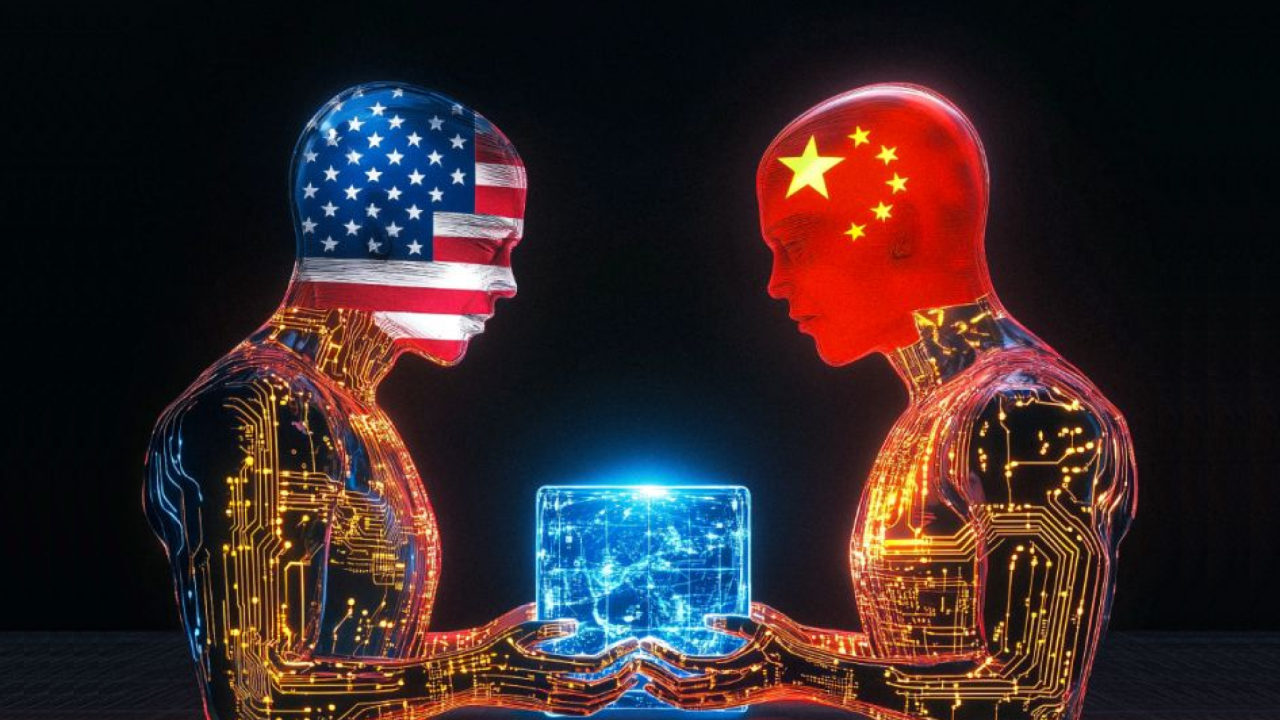
Global governance is increasingly constrained by three interconnected traps: a shrinking supply of international public goods as U.S. global leadership recedes, a growing crisis of public trust in governments and institutions, and the rising power of AI firms that outpaces effective regulation. Together, these trends weaken the ability of states and international institutions to address major transnational challenges, from security and public health to climate change and artificial intelligence.
Ghulam Ali, PhD, Monash University, Australia
Jun 24, 2026
As international conflicts intensify amid a weakening global order, China has expanded its mediatory diplomacy. This diplomacy is comprehensive and structured, encompassing three reinforcing components: peace-brokering roles at different levels, a conceptual framework in the form of the Global Security Initiative (GSI), and an institutional foundation in the form of the International Organization for Mediation (IOMed). Together, these components offer a robust and systematic framework for addressing varied international conflicts.
Li Yan, Director of President's Office, China Institutes of Contemporary International Relations
Jun 18, 2026
As more countries seek to break free from external constraints and assert greater control over their own development and security agenda, the global wave of strategic autonomy is increasingly challenging the post-Cold War order and reshaping the international system.
Lucio Blanco Pitlo III, President, ForeSea Consulting
Jun 18, 2026
Iran is increasingly reorienting its foreign policy and economic strategy toward China and Eurasia, using expanded overland transport and energy links through Central and South Asia to reduce its vulnerability to sanctions and maritime disruption. This shift aligns with Beijing’s push for deeper trans-Eurasian connectivity and positions Iran as a more important partner in China's efforts to integrate the Eurasian continent through infrastructure, trade, and energy networks.
Prateek Joshi, DPhil at the University of Oxford
Jun 15, 2026
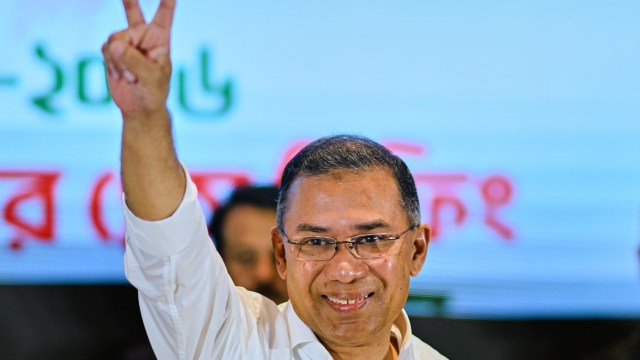
On 17th February, Tarique Rahman was sworn in as the Prime Minister of Bangladesh, marking a paradigm shift in the country’s politics after his return from a 17-year exile. Notwithstanding the optimism surrounding his party’s (Bangladesh Nationalist Party) confidence to deliver on the domestic front, Bangladesh is all set to emerge as a new arena of Sino-US competition.
Matteo Giovannini, International Finance Professional and AsiaGlobal Fellow, The University of Hong Kong
Jun 12, 2026
Beijing has become one of the world's essential diplomatic capitals, with countries across geopolitical divides increasingly relying on engagement with China to advance economic, political, and security objectives. Its influence stems from China's central role in global trade, finance, technology, and diplomacy, making Beijing a key hub for negotiation, coordination, and strategic engagement in the multipolar era.

Zhu Zhaoyi, Executive Director of the Institute of Middle East Studies, Peking University HSBC Business School.
Jun 05, 2026
Two and a half years of war have depleted much of the moral capital Israel accumulated over the past half-century. Meanwhile, the lobbying machinery in America has a resilience that no fleeting surge of public emotion is likely to overturn.
Bian Qingzu, Research Fellow, China Foundation for International Studies
Jun 05, 2026
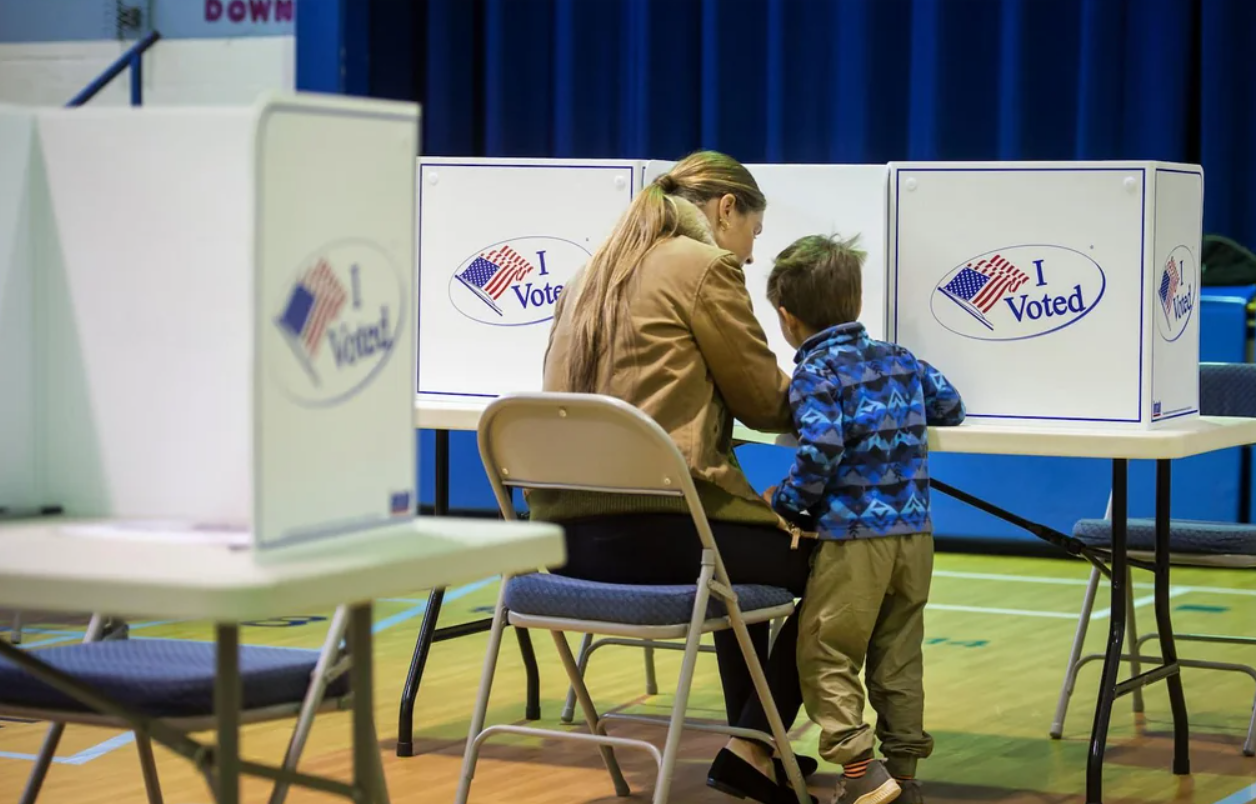
The 2026 midterm elections in the United States are set for early November. The results will serve as a test of the Trump 2.0 administration and are also are likely to have a profound impact on the stability of China-U.S. relations.
Wang Youming, Senior Research Fellow of BRICS Economic Think Tank, Tsinghua University
Jun 05, 2026
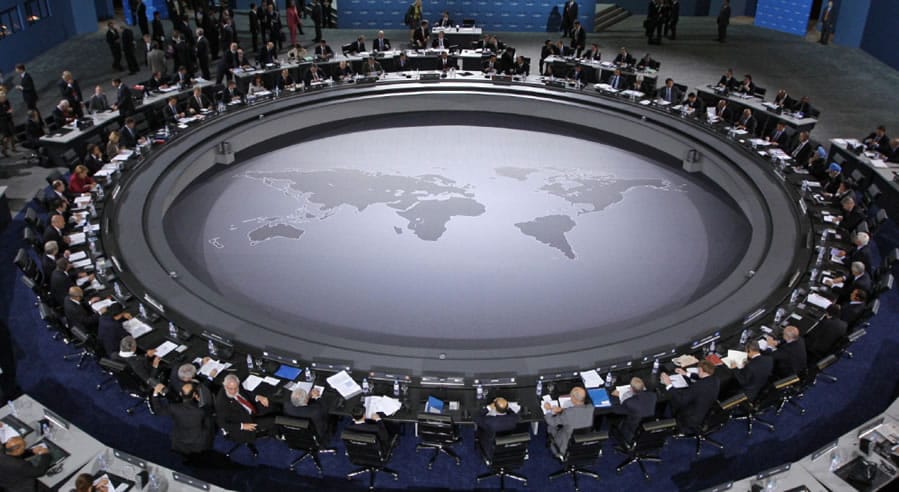
The United States, along with the emerging Global South and declining Western powers represented by the European Union and Canada, are all seeking to steer the future international order toward pathways they can more effectively shape and control.
Jia Qingguo, Director and Professor, Institute for Global Cooperation and Understanding, Peking University
Jun 03, 2026
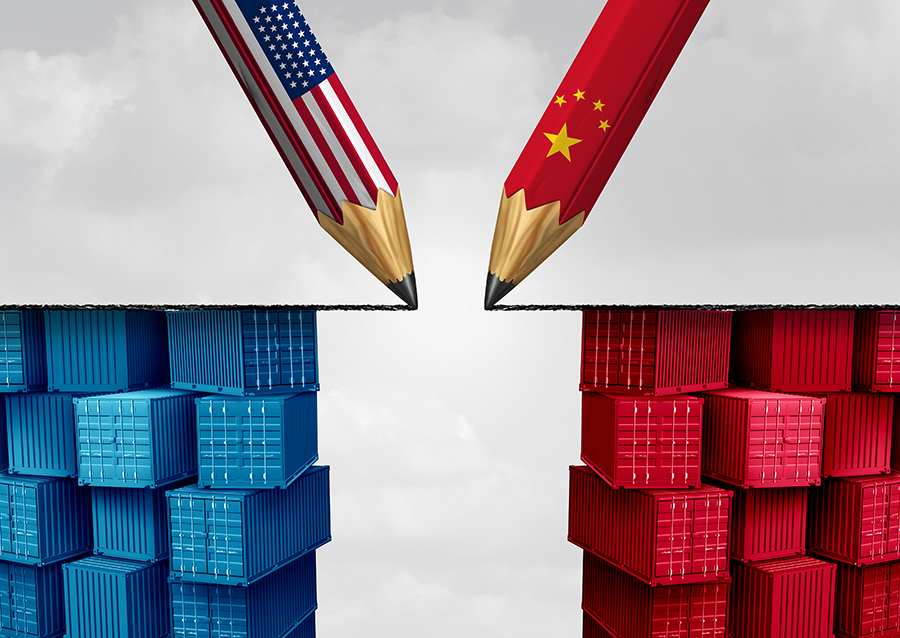
The meeting of two presidents created a certain degree of stability and opened up possibilities for cooperation, but China-U.S. relations remain fundamentally fragile. Nudging the relationship in a constructive direction will require that both countries continue in good faith.
Back to Top

- China-US Focus builds trust and understanding between the U.S. and China through open dialogue among thought leaders.