Jin Liangxiang, Senior Research Fellow, Shanghai Institute of Int'l Studies
Mar 29, 2026
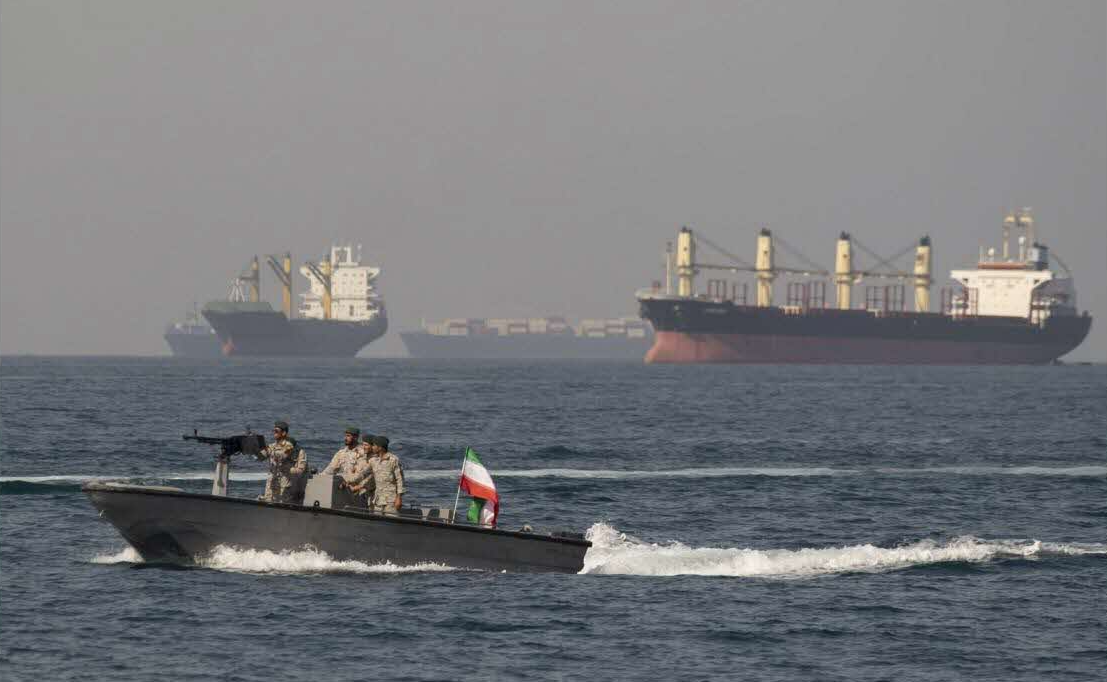
The pretext for Trump’s aggression against Iran, in partnership with Israel, is flimsy. As the saying goes, even a gentle rabbit may bite when cornered. The current war is, in some respects, an extreme manifestation of hegemony. And the whole world is paying the price.
Lucio Blanco Pitlo III, President of Philippine Association for Chinese Studies, and Research Fellow at Asia-Pacific Pathways to Progress Foundation
Mar 27, 2026
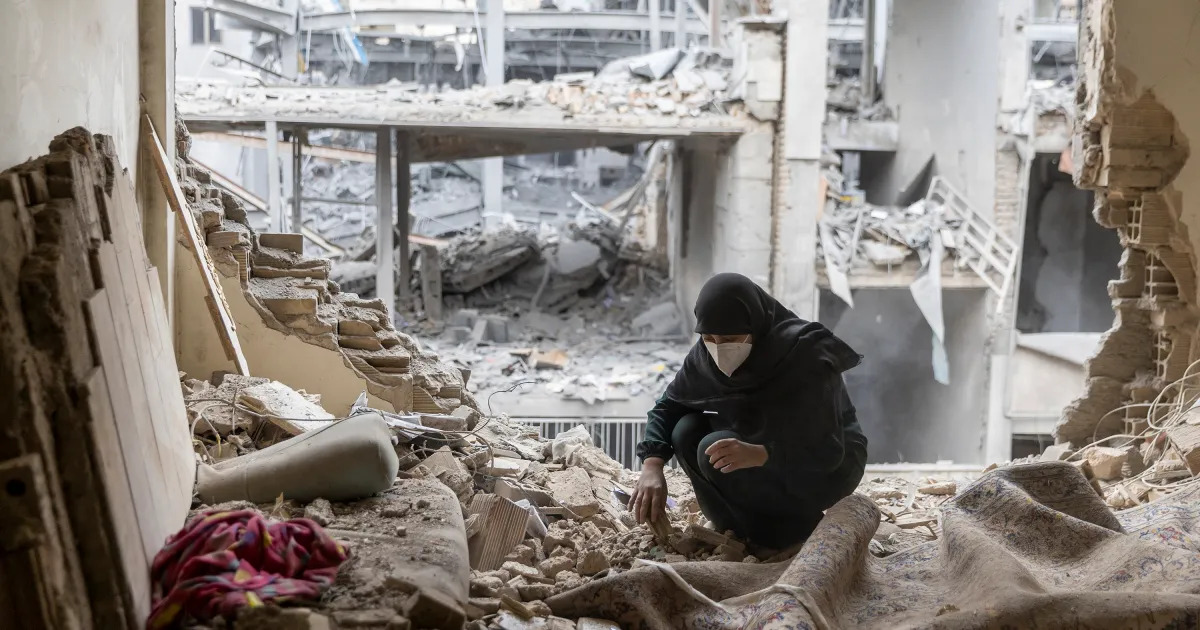
The U.S.-Israel war with Iran is exposing widening reluctance among American allies to support the conflict, signaling potential erosion in U.S. global influence. At the same time, moves to bypass the U.S. dollar in oil trade, amid growing Chinese involvement, could challenge the petrodollar and reshape the global energy order.
Brian Wong, Assistant Professor in Philosophy and Fellow at Centre on Contemporary China and the World, HKU and Rhodes Scholar
Mar 27, 2026
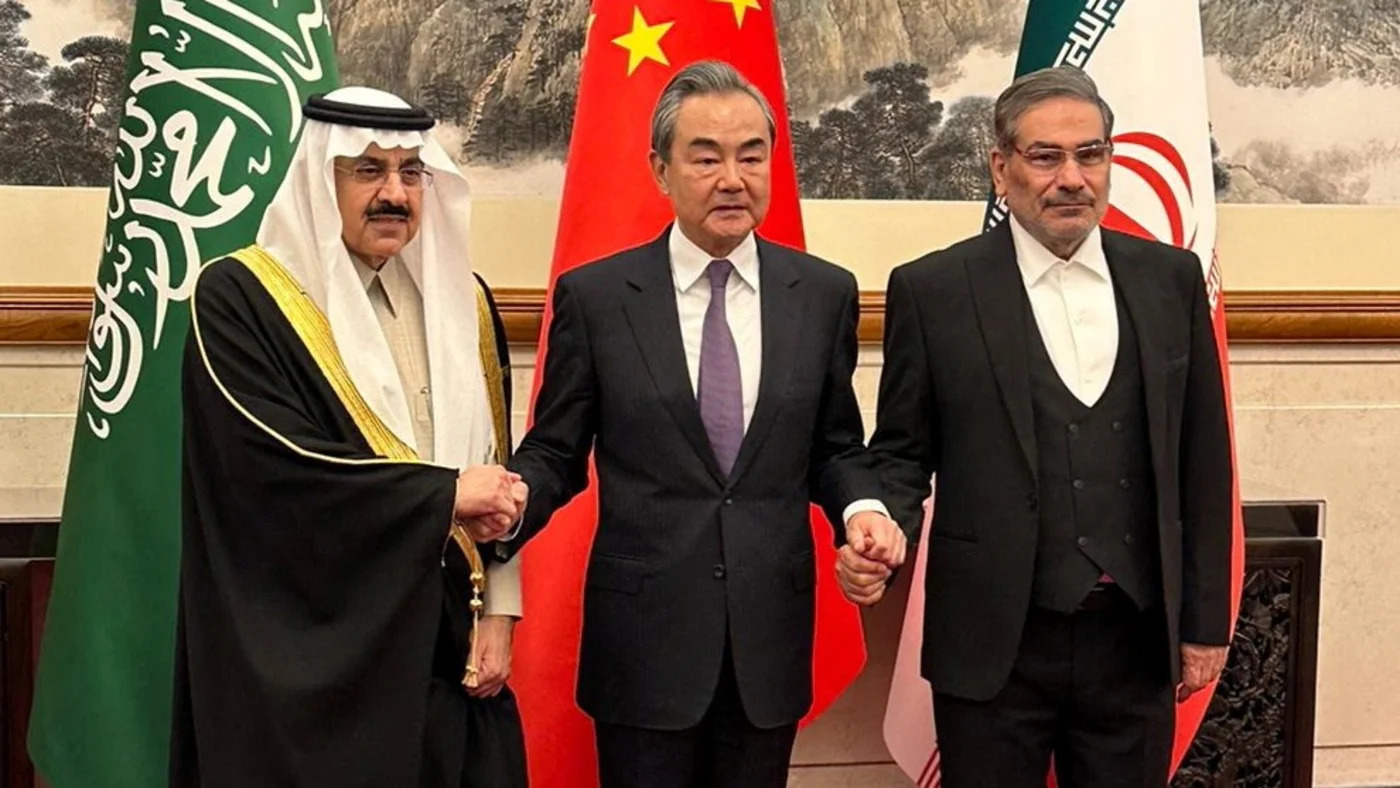
The U.S.-Israel strikes on Iran have heightened regional instability while exposing China’s complex strategic dilemma, as Beijing seeks to safeguard critical energy imports and investments without becoming directly involved. Balancing ties with Iran, Gulf states, and the West, China is pursuing a cautious, deliberately ambiguous approach to protect its broader geopolitical and economic interests.
Warwick Powell, Adjunct Professor at Queensland University of Technology
Mar 20, 2026
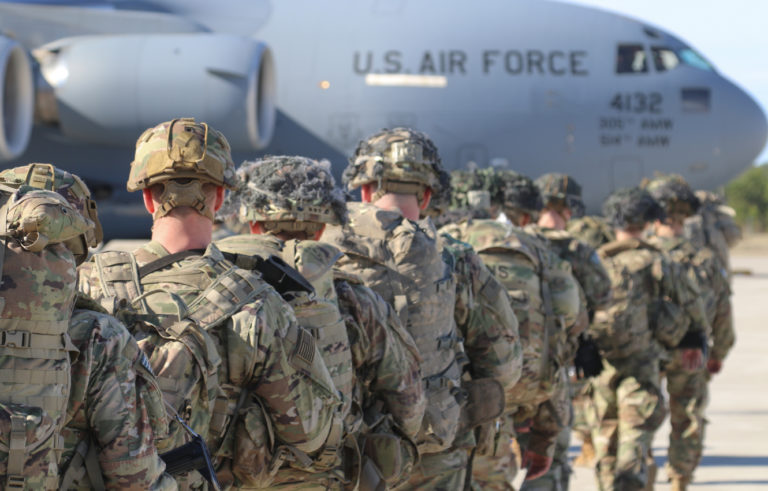
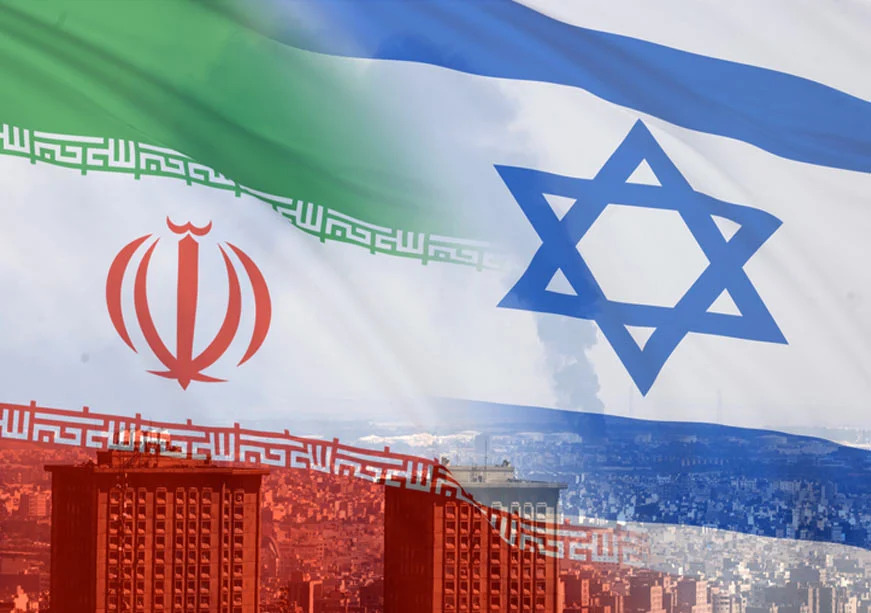
Two weeks into the U.S.-Israeli military campaign against Iran - launched on 28 February 2026 with the explicit aim of decapitating leadership, and ostensible objectives of degrading nuclear and missile capabilities, so as to trigger regime collapse - the conflict has instead evolved into a grinding quagmire. What Washington anticipated as a swift application of air superiority leading to internal disintegration has produced the opposite: a politically consolidated Iranian state, depleted U.S. and allied air-defence stocks, Iranian control over the Strait of Hormuz, and a cascading energy shock rippling across global markets.
Zhu Zhaoyi, Executive Director of the Institute of Middle East Studies, Peking University HSBC Business School.
Mar 19, 2026
Each has three core national objectives that are internally contradictory. Any two can be pursued simultaneously, but never all three. Until these triangles are broken, there will be no lasting peace in the Middle East—only the same fire burning in different forms.
Dan Steinbock, Founder, Difference Group
Mar 13, 2026
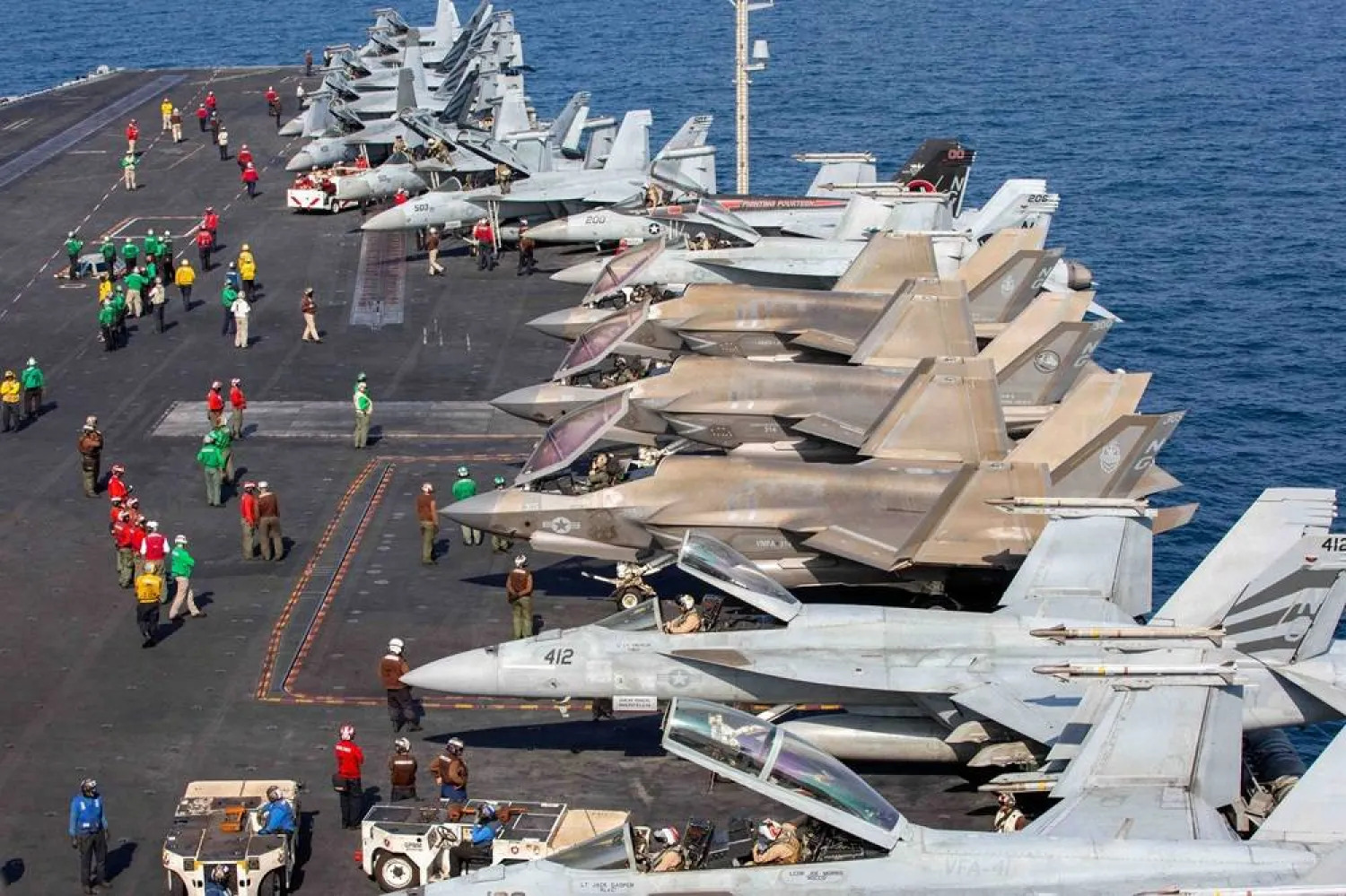
The chaotic conditions created by the U.S./Israeli war against Iran are now in an escalatory phase. The reverberations will be severe worldwide.
Wang Zhen, Professor and Deputy Director, Institute for International Relation Studies, Shanghai Academy of Social Sciences
Mar 05, 2026
The U.S.-Israel strike on Iran lacks a clear legal basis or credible justification and represents a high-risk gamble by the Trump administration. Despite early military success, the operation faces uncertain prospects, including limited chances of regime change and the risk of prolonged conflict.
Zhu Zhaoyi, Executive Director of the Institute of Middle East Studies, Peking University HSBC Business School.
Mar 05, 2026
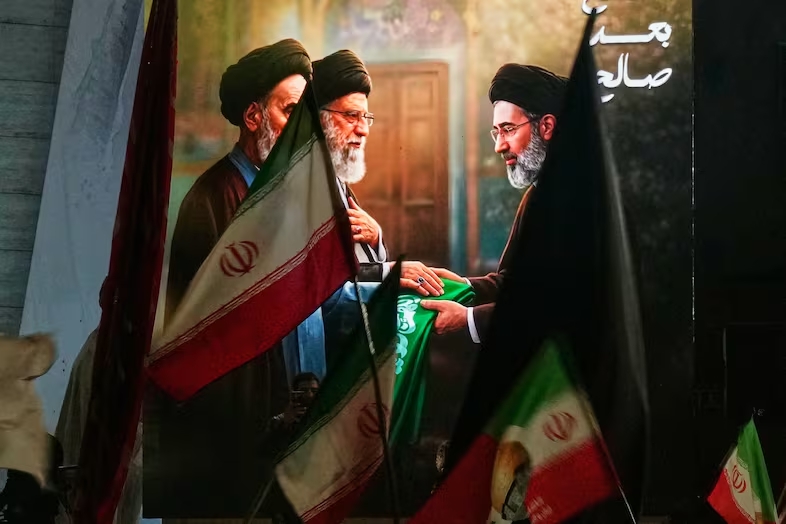
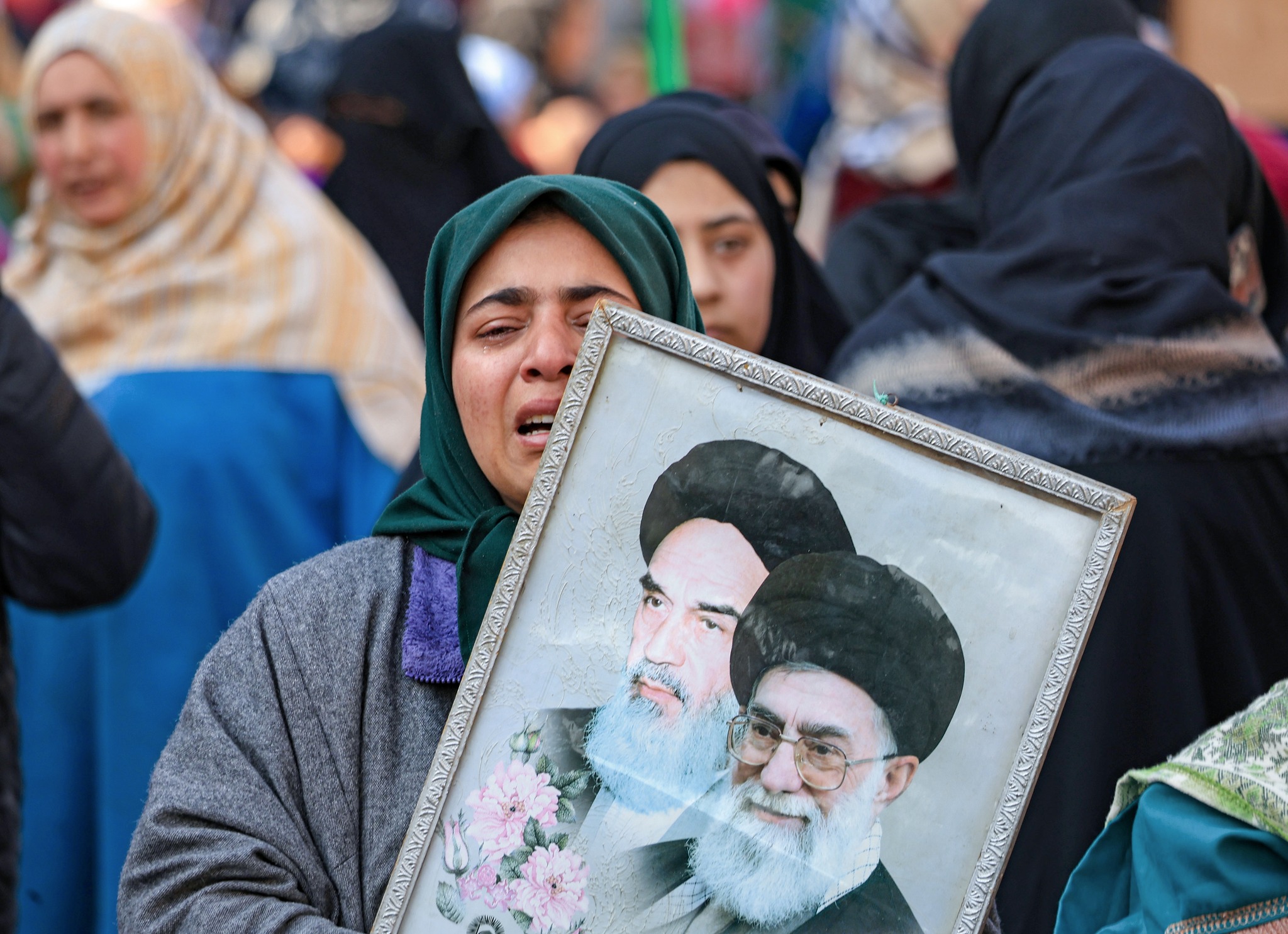
The death of Iran’s Supreme Leader Ayatollah Ali Khamenei in U.S.-Israeli strikes has created leadership uncertainty in Tehran, weakened Iran’s regional network of allies, and accelerated shifts in Middle Eastern power dynamics. For China, the conflict threatens energy supplies and Belt and Road investments while potentially expanding Beijing’s diplomatic role if it maintains neutrality and engagement with all sides.
Tian Shichen, Founder & President, Global Governance Institution
Mar 03, 2026
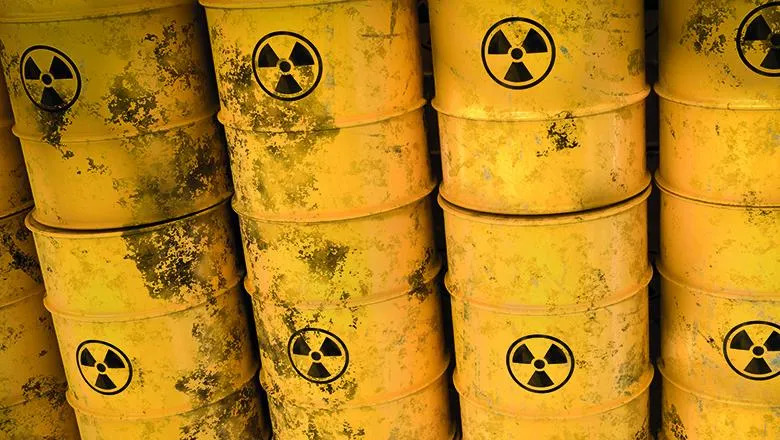
Reaffirming legal limits is not an act of idealism. It is one of prudence. Strategic stability is not self-sustaining. It must be actively maintained. And in the nuclear age, maintenance begins not only with capability but with responsibility.
Stephen Holmes, Professor at New York University School of Law, Berlin Prize Fellow at American Academy in Berlin
Mar 02, 2026
Critics of the attack on Iran by the United States and Israel point out that US President Donald Trump has no plan for what comes next. And they are not wrong: when Trump boasts that he can resolve wars in a single day, he merely exposes the limits of his attention span. But the real problem is not the shortness of Trump’s time horizon; it’s the narrowness of his threat perception.
Back to Top

- China-US Focus builds trust and understanding between the U.S. and China through open dialogue among thought leaders.