Zhang Zhixin, Research Professor of Institute of American Studies, CICIR
Sep 07, 2026
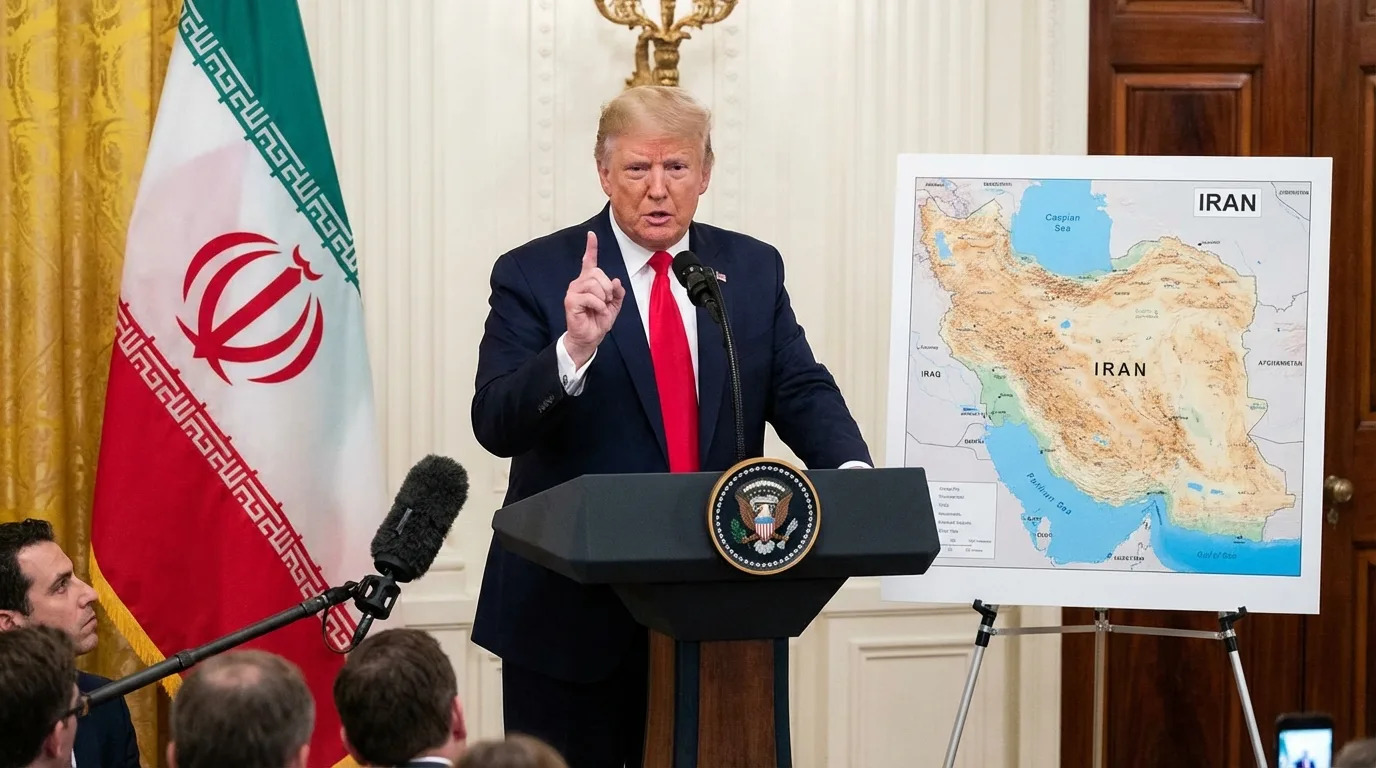
The American president’s approach has been characterized by improvisation, contradictory messaging, lack of coherent strategic planning and no clear exit strategy. This has imposed significant political and economic costs and undermined U.S. standing and deterrence worldwide.
He Wenping, Senior Research Fellow, Charhar Institute and West Asia and Africa Studies Institute of the China Academy of Social Sciences
Aug 28, 2026
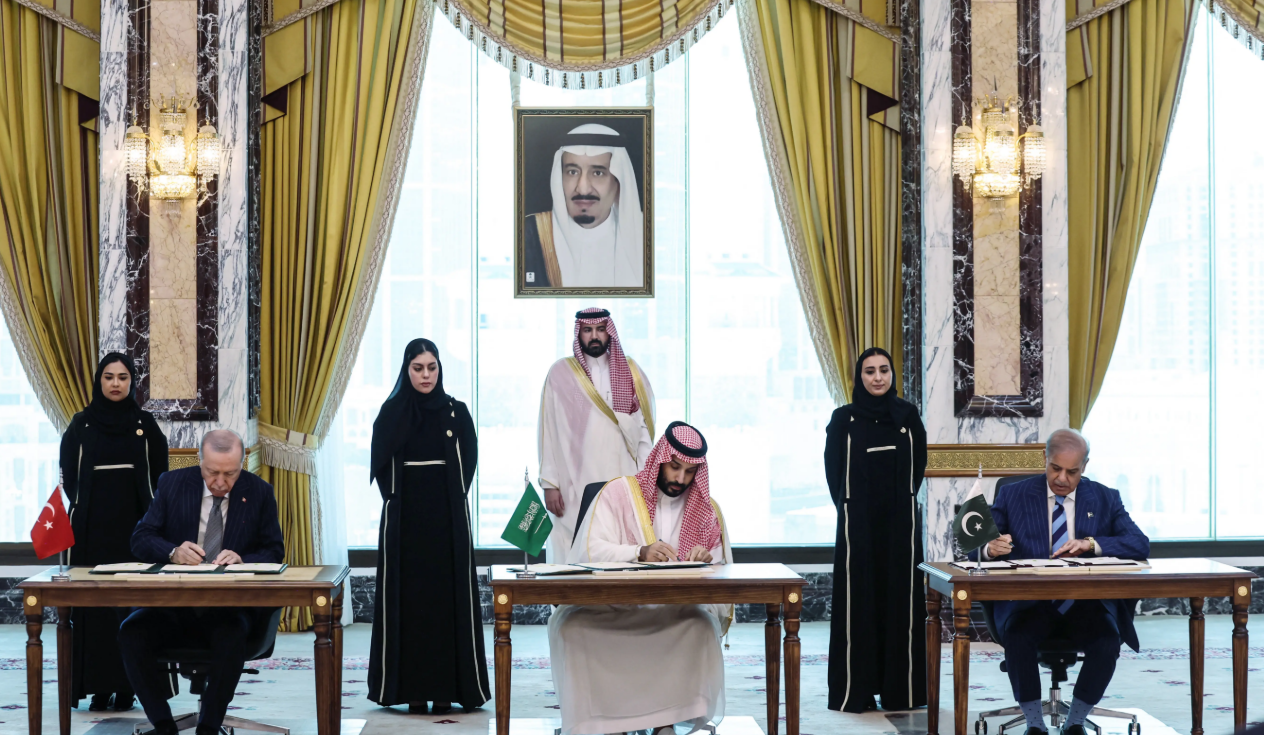
The American-Israeli war against Iran failed to produce the Middle East security order the two parties had hoped for but instead has spurred the emergence of a new security architecture in the Gulf to work around regional distrust of U.S. guarantees.
Han Liqun, Researcher, China Institutes of Contemporary International Relations
Aug 10, 2026
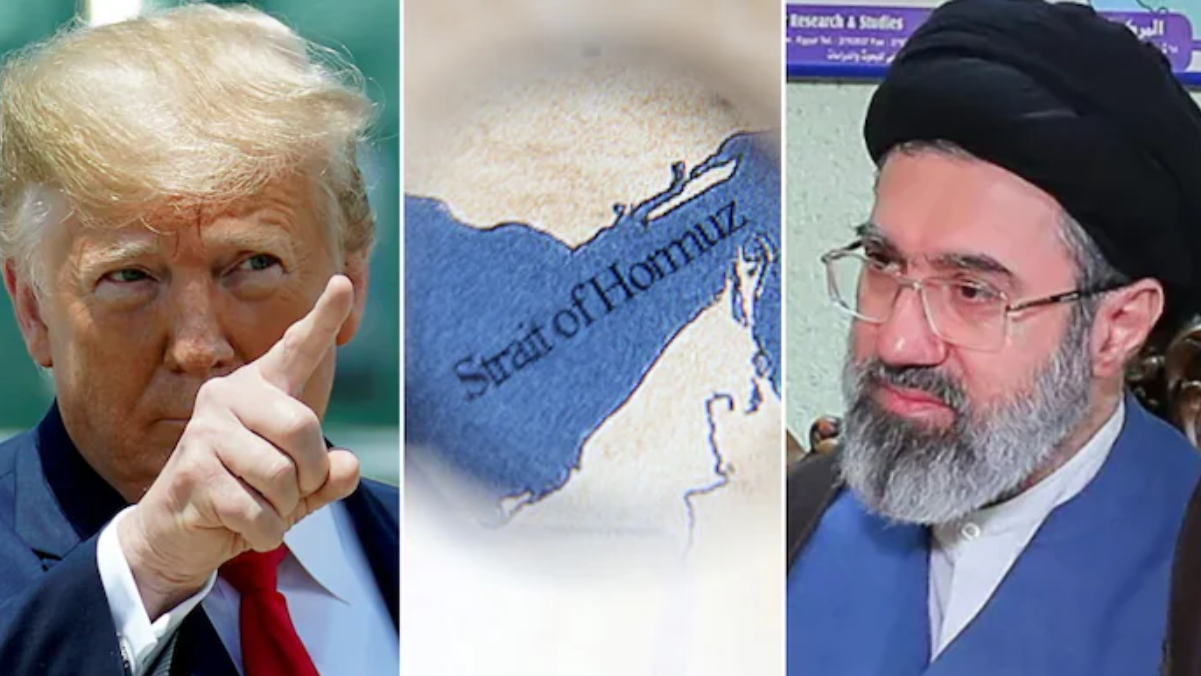
Given the overwhelming superiority of the American military, Washington could create the appearance of bringing Iran under control. Regardless how the conflict ultimately unfolds, however, the United States is unlikely ever to return to an era in which the Iran issue was manageable at a limited and predictable cost.
Niu Xinchun, Professor, China-Arab Research Institute, Ningxia University
Aug 05, 2026
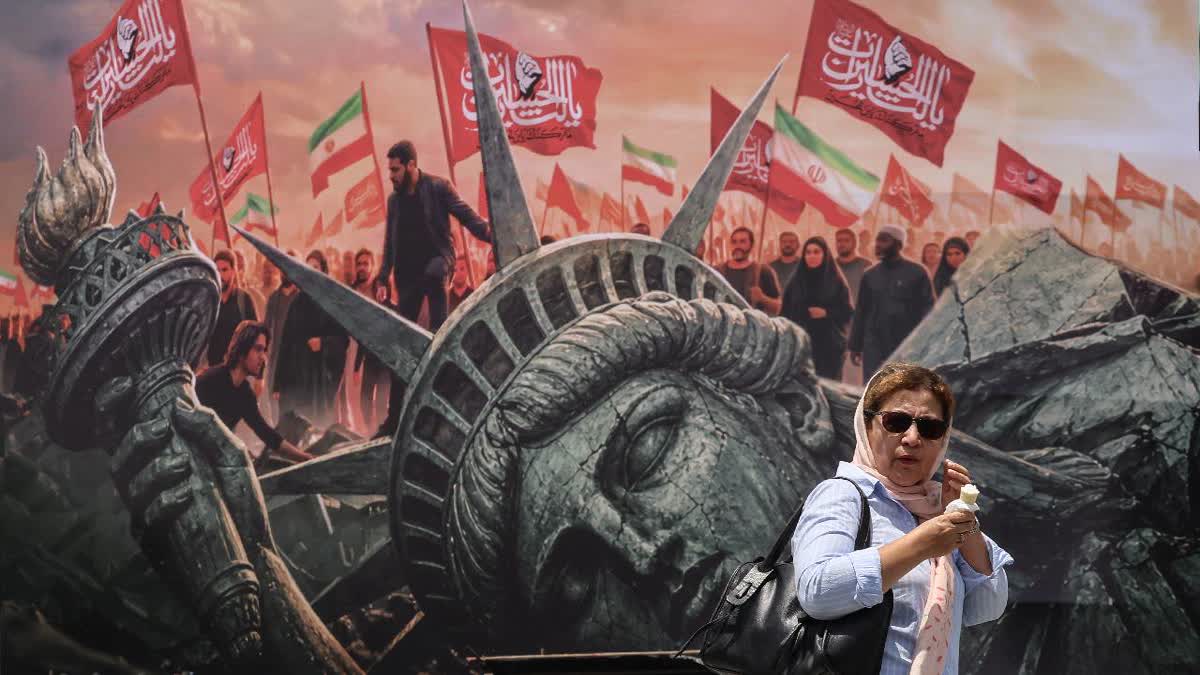
The conflict and its surrounding issues are characterized by a series of interconnected paradoxes, none of which comes with a simple, direct or rapid solution. The United States and Iran appear destined for a prolonged strategic contest.
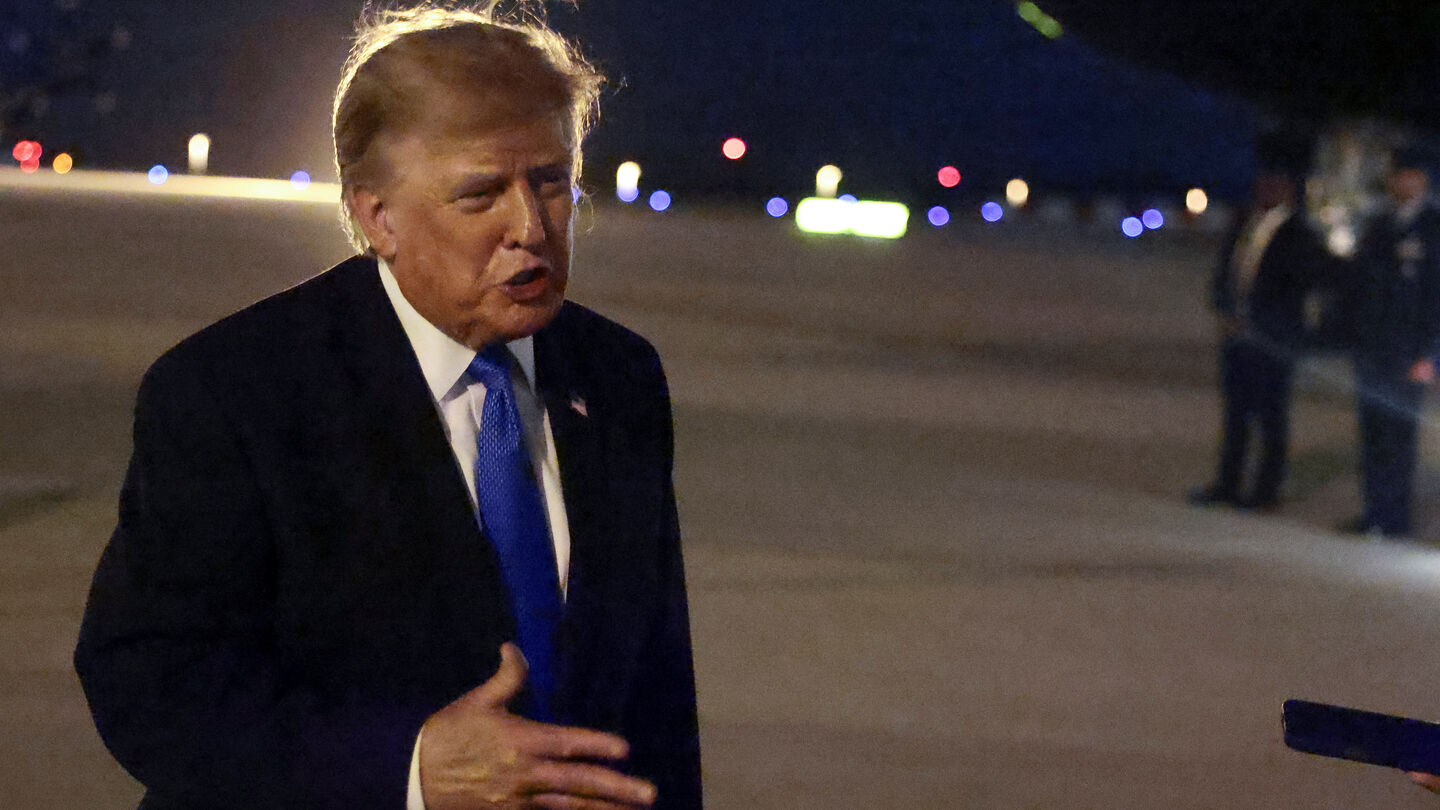
Zhu Zhaoyi, Executive Director of the Institute of Middle East Studies, Peking University HSBC Business School.
Aug 05, 2026
What the U.S. president needs is not another, more intense round of airstrikes but a cease-fire formula that every side can sell at home.
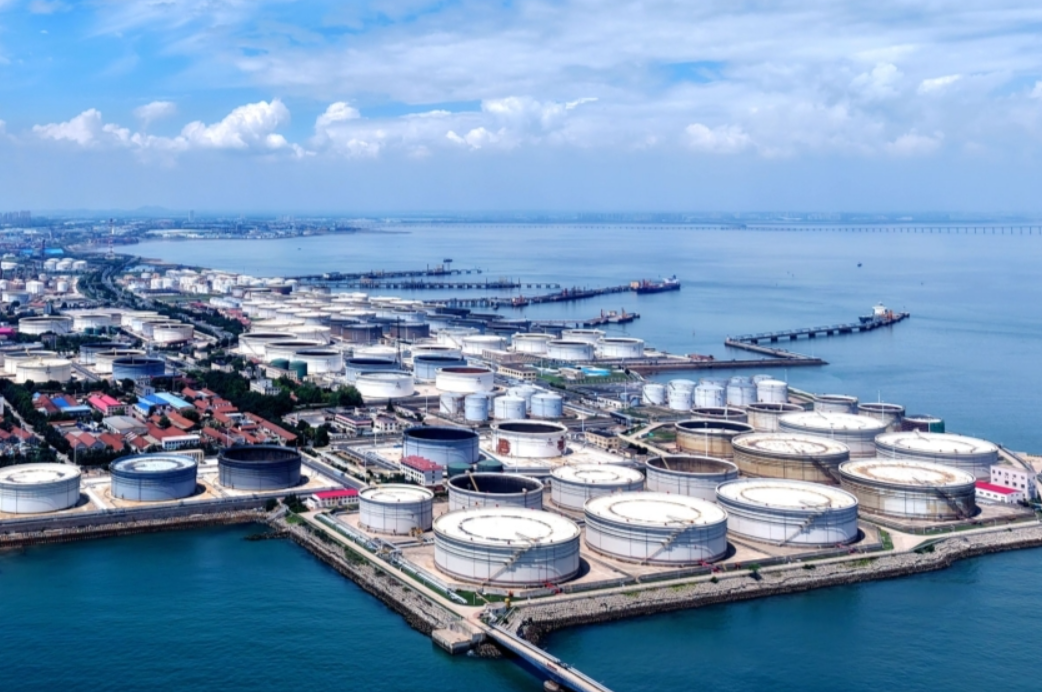
Kathryn Neville, Founder of Spark Energy Intelligence
Jul 24, 2026
The 2026 oil crisis revealed a transformed China: no longer just the world's largest oil importer and refiner, but a state actor deploying stockpiles, export controls, and strategic opacity to shape global energy markets on its own terms.
Richard Javad Heydarian, Professorial Chairholder in Geopolitics, Polytechnic University of the Philippines
Jul 17, 2026
The Iran conflict has accelerated the emergence of a more multipolar global order, compelling U.S. allies such as the Philippines to reassess their foreign policy priorities. Facing mounting energy and economic pressures, Manila is exploring greater engagement with China while pursuing a more independent, interest-driven approach to great power competition.
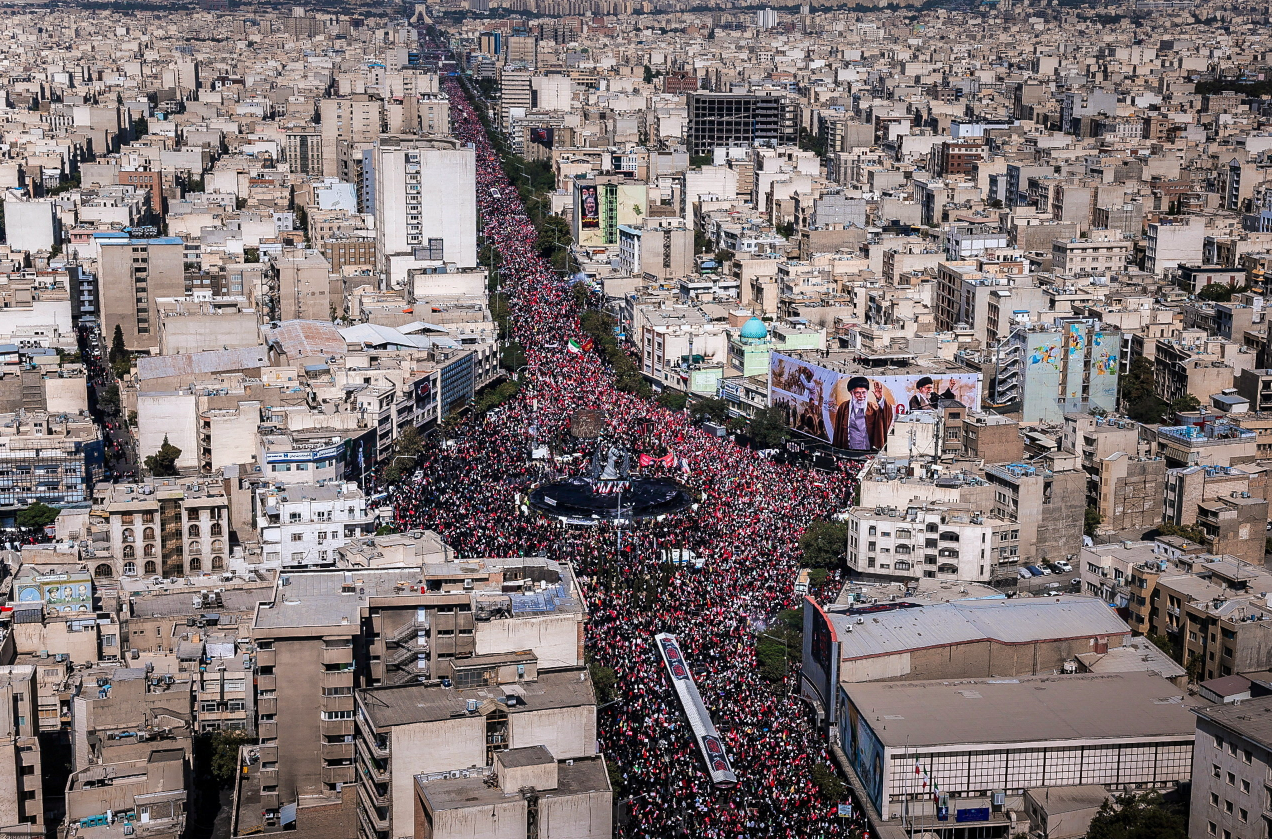
Fu Zhuorui, Economic Affairs Officer at the United Nations Economic and Social Commission for Western Asia
Jul 08, 2026
Great powers have long made policy toward an imagined Iran—one that none of them had the patience to truly understand. Now, the great powers must rely on deep understanding, mutual respect and presence. But presence is precisely what Washington and Beijing lack.
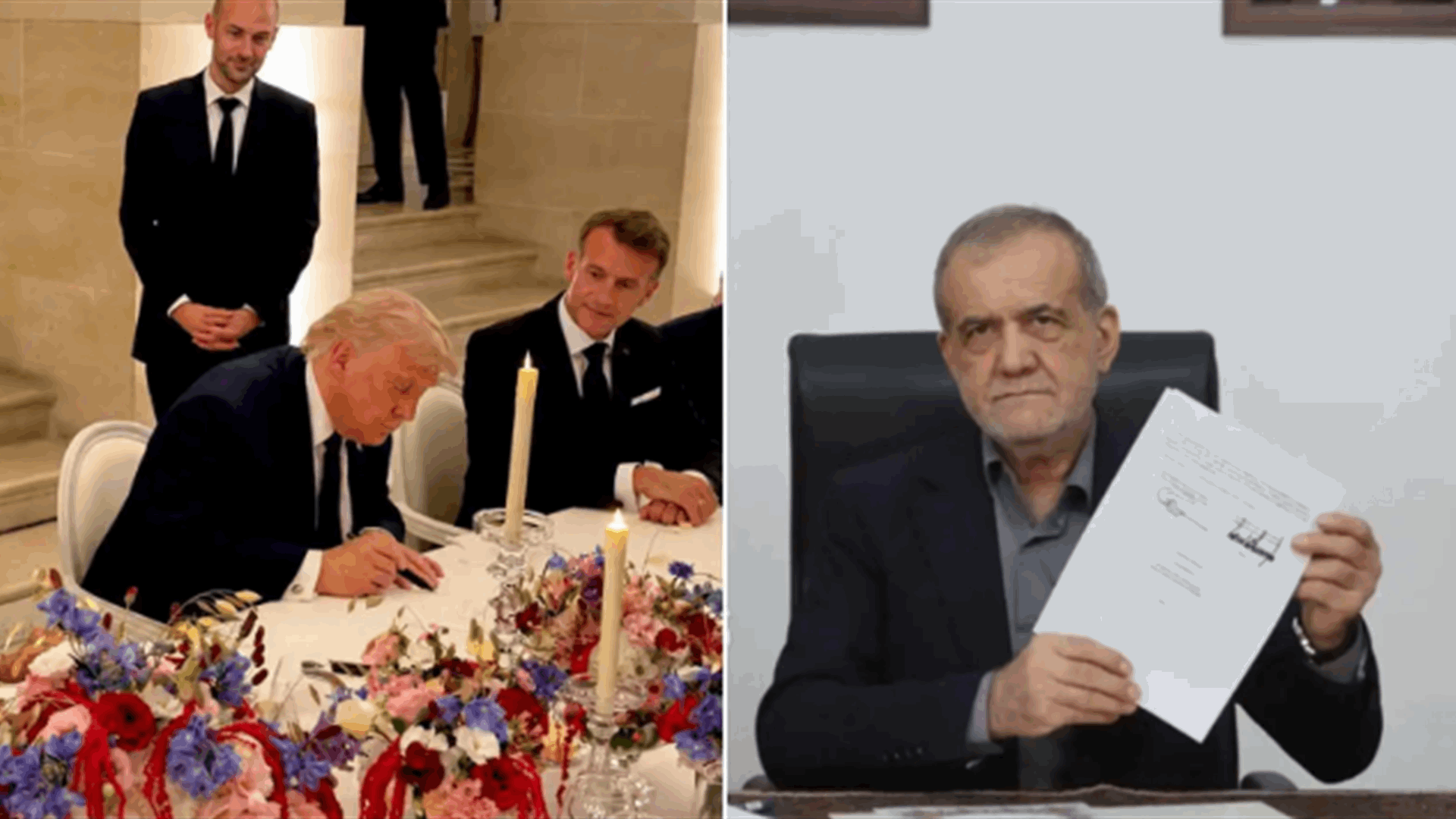
Zhu Zhaoyi, Executive Director of the Institute of Middle East Studies, Peking University HSBC Business School.
Jul 06, 2026
The U.S.-Iran memorandum of understanding is only a political commitment and carries no legally binding force. What truly matters is whether the two sides can conclude a formal peace agreement within the 60-day negotiating period. Three formidable hurdles stand in the way.
Lucio Blanco Pitlo III, Member of Board of Directors, Philippine Association for Chinese Studies
Jun 18, 2026
Iran is increasingly reorienting its foreign policy and economic strategy toward China and Eurasia, using expanded overland transport and energy links through Central and South Asia to reduce its vulnerability to sanctions and maritime disruption. This shift aligns with Beijing’s push for deeper trans-Eurasian connectivity and positions Iran as a more important partner in China's efforts to integrate the Eurasian continent through infrastructure, trade, and energy networks.
Back to Top

- China-US Focus builds trust and understanding between the U.S. and China through open dialogue among thought leaders.