
Warwick Powell
Adjunct Professor at Queensland University of Technology

Nov 10, 2026
The 2026 midterms delivered a clear message. Cost of living dominated voter concerns. The ongoing war and its economic spill-overs weighed heavily. Beneath both lay a deeper unease: a growing share of Americans sense that the country’s political economy—at home and in its foreign policy—is no longer delivering for ordinary households. Anxieties about eroded domestic productive capacity and persistent trade imbalances sit at the centre of that discontent.

Oct 13, 2026
The recent Xi-Trump summit produced a modest but telling outcome on artificial intelligence. An agreement was arrived at to establish a bilateral communication channel for AI-related incidents, with further dialogue scheduled.

Sep 07, 2026
Multilateral architecture rarely collapses with a dramatic bang; it hollows out often imperceptibly, victim to the growing weight of contradictions between real material conditions and outmoded institutional forms. In the span of a single recent 24-hour cycle, at the end of August and beginning of September 2026, the contemporary geopolitical landscape put two distinct models of regionalism on stark display.
Aug 07, 2026
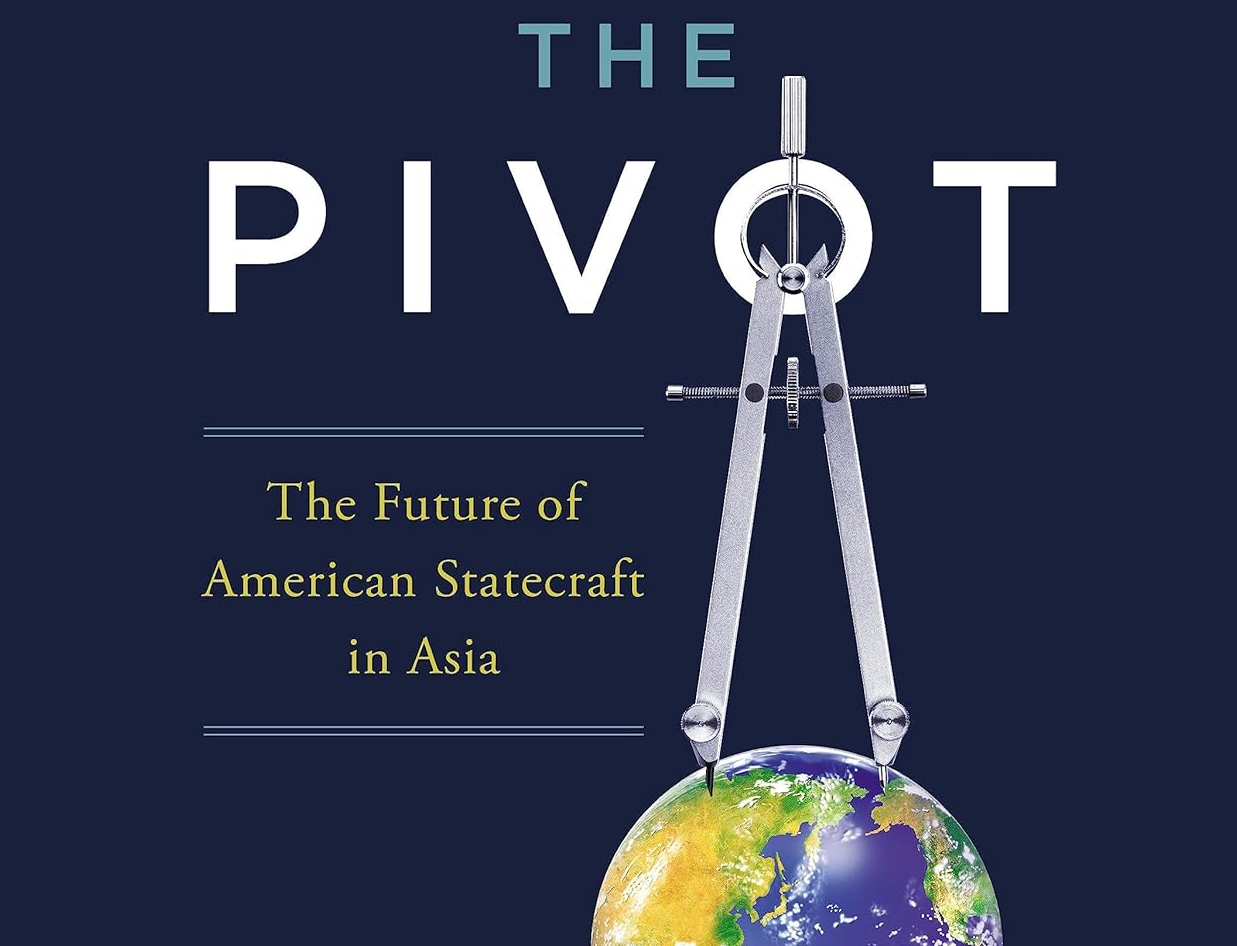
For nearly eight decades, American grand strategy in the Indo-Pacific has rested on a singular assumption: that the United States can project decisive military

Jul 10, 2026
The Gap Between Ambition and CapabilityThe United States remains committed to global primacy. That’s been a longstanding ambition that cuts across party l
Jun 04, 2026
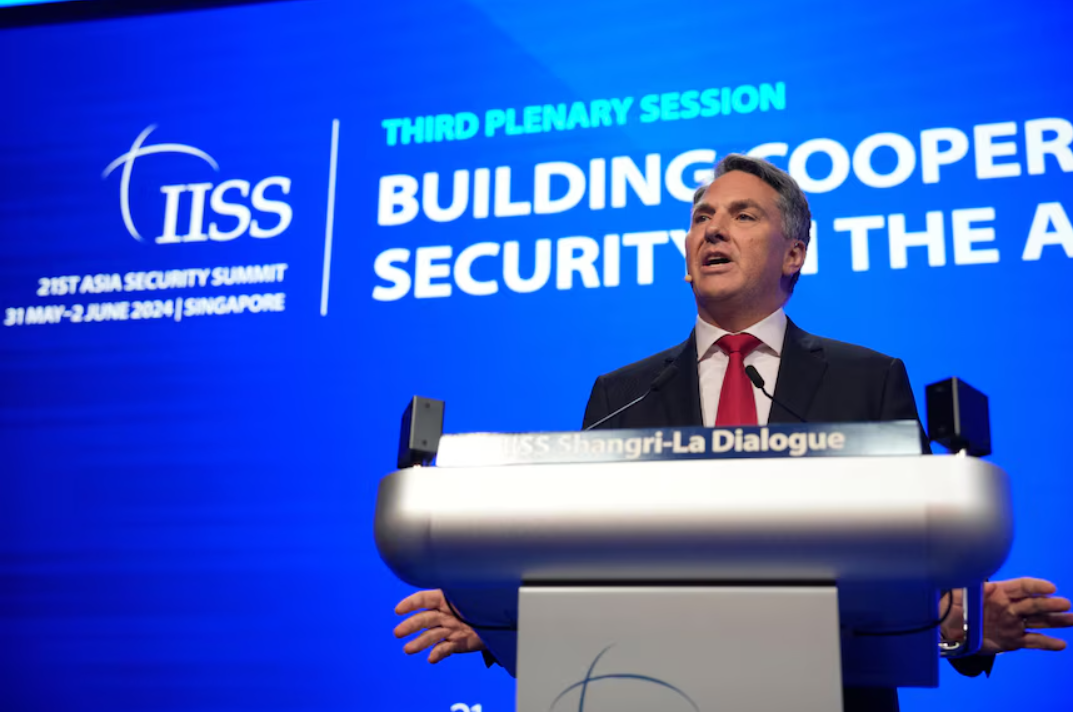
The recent Shangri-La Dialogue in Singapore offered a window into the evolving realities of power in the Indo-Pacific. U.S. Secretary of War Pete Hegseth’s address struck a notably more measured tone than his previous interventions. Gone were the sharper edges of 2025 rhetoric. In their place emerged a focus on securing a “favourable but durable balance of power,” preventing any single hegemon — implicitly China — from dominating the region. Allies were urged to shoulder greater burdens, with familiar calls for increased defence spending. Conspicuously absent was any direct reference to Taiwan.
May 08, 2026
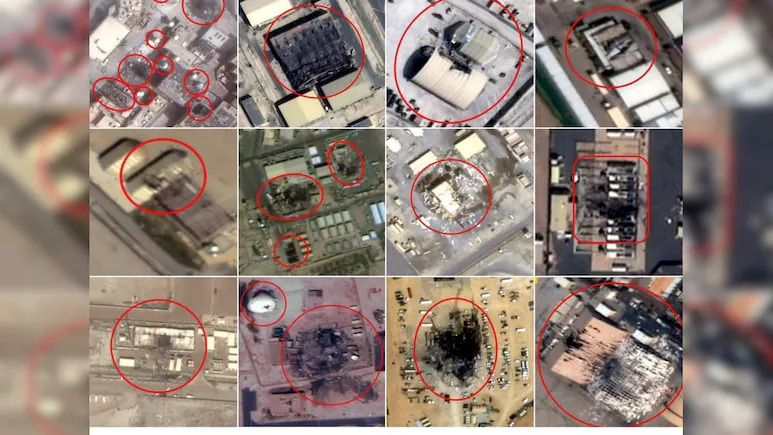
Recent satellite imagery tells a sobering story. Iranian strikes during the 2026 conflict damaged or destroyed at least 228 structures and pieces of equipment across US military sites in the Middle East. Hangars, barracks, fuel depots, aircraft, radars, communications nodes, and air defense systems were hit at around 16 installations spanning eight countries. This represents the majority of America’s regional footprint in West Asia. Analyses by The Washington Post and CNN, drawing on verified commercial and Iranian-released imagery, reveal far more extensive impact than initial Pentagon assessments acknowledged.
Mar 20, 2026
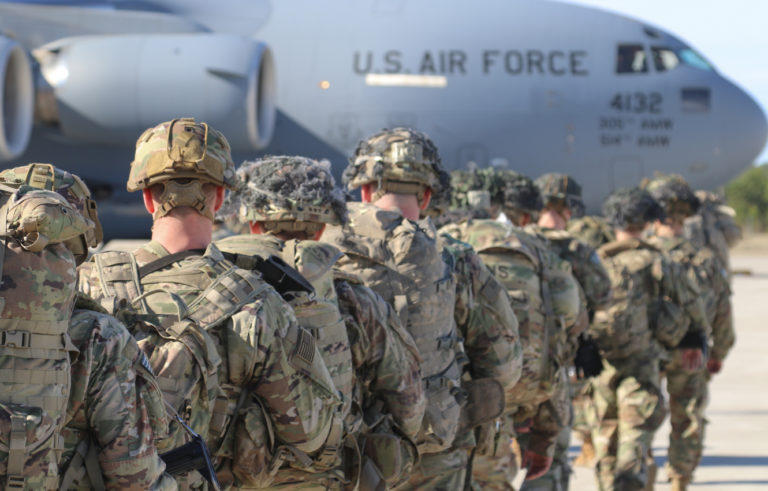
Two weeks into the U.S.-Israeli military campaign against Iran - launched on 28 February 2026 with the explicit aim of decapitating leadership, and ostensible objectives of degrading nuclear and missile capabilities, so as to trigger regime collapse - the conflict has instead evolved into a grinding quagmire. What Washington anticipated as a swift application of air superiority leading to internal disintegration has produced the opposite: a politically consolidated Iranian state, depleted U.S. and allied air-defence stocks, Iranian control over the Strait of Hormuz, and a cascading energy shock rippling across global markets.
Feb 26, 2026
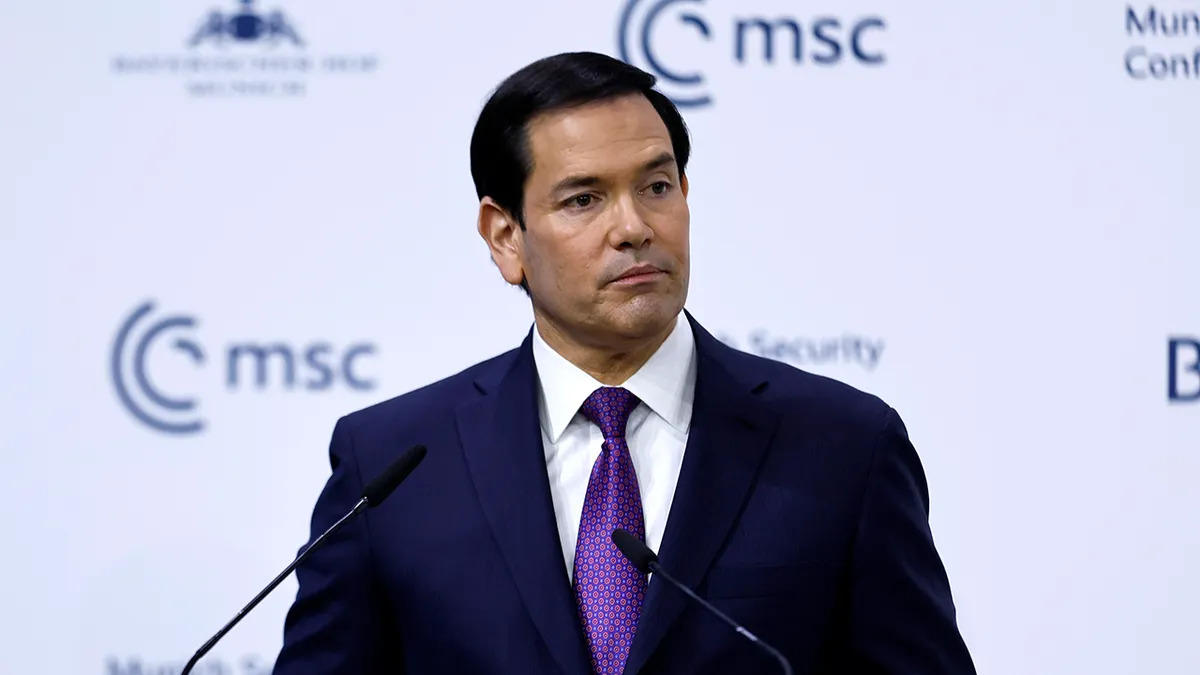
U.S. Secretary of State Marco Rubio stood before the Munich Security Conference on 14 February 2026 and delivered a speech that will be remembered less for its
Jan 21, 2026
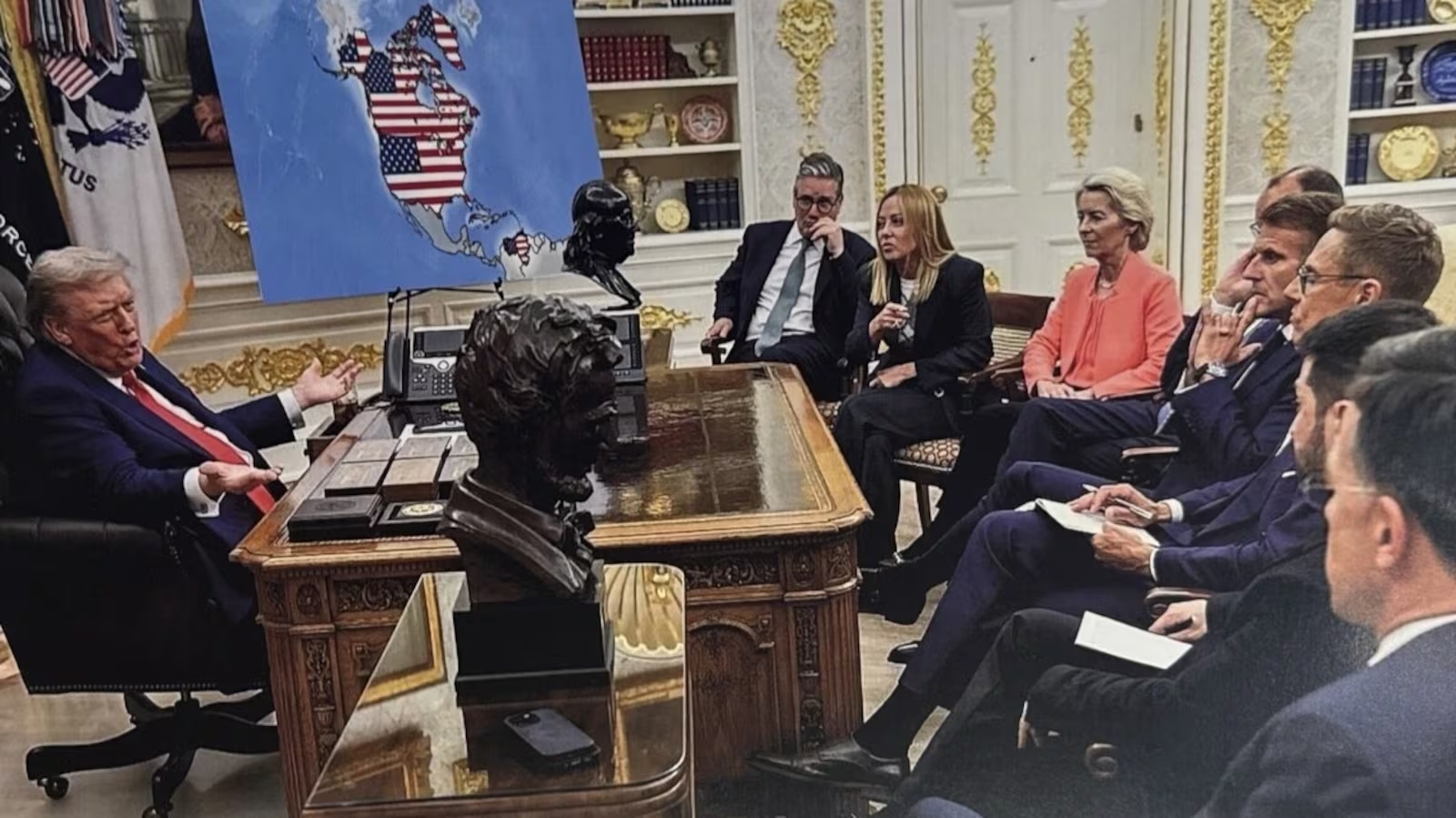
(Social media @realDonaldTrump)In May 2024, I penned an article that framed Europe’s existential dilemma starkly: either fade into obscurity as the "conti
