Richard Javad Heydarian, Professorial Chairholder in Geopolitics, Polytechnic University of the Philippines
Nov 11, 2022
There are growing indications that Washington has embraced a new era of great power competition with China, and the recent security documents released by the Pentagon identified China as the most significant threat to America. But without a diplomatic breakthrough between the two nations, it’s possible the superpowers are heading towards a “New Cold War,” which is threatening decades of peace and prosperity in the Indo-Pacific.
Brian Wong, Assistant Professor in Philosophy and Fellow at Centre on Contemporary China and the World, HKU and Rhodes Scholar
Oct 20, 2022
The nature of U.S.-China relations have become increasingly polarized since the mid-2010s. It seems like both sides sit on opposite sides of a spectrum, when in reality, both nations exert influence and control over resources and neighbors that could be organized to work well together.
Yu Hongjun, Senior Research Fellow, Academy of Contemporary China and World Studies
Oct 20, 2022
In turbulent times, China remains steadfastly committed to its path of peaceful development. The words of President Xi Jinping and State Councilor and Foreign Minister Wang Yi are worthy of thoughtful study.
Dong Chunling, Deputy Director, Office of the Center for the Study of a Holistic View of National Security, CICIR
Oct 03, 2022
The U.S. strategic community’s assessment of America’s China policy can make a major difference in bilateral relations. Crises have a double edge: They provide challenges but also opportunities. Whether or not U.S. leaders will listen to the experts remains an open question.
Doug Bandow, Senior Fellow, Cato Institute
Sep 30, 2022
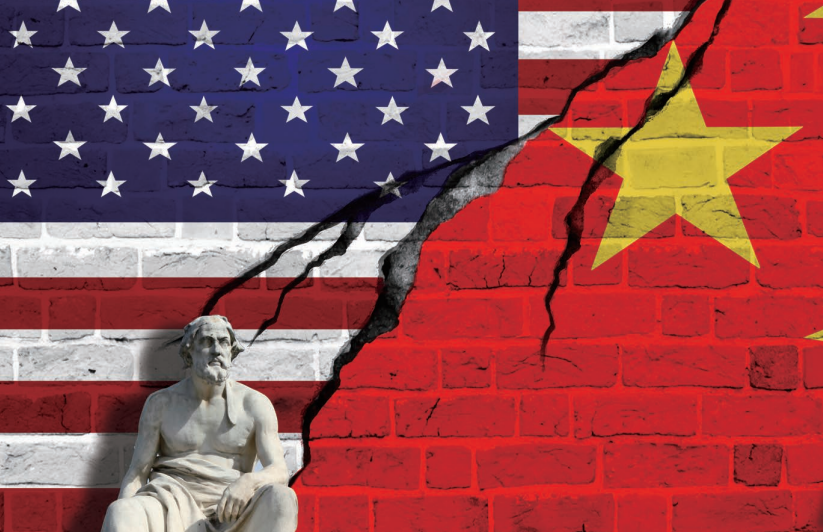
The Russo-Ukraine conflict has raged on and looks to continue into the near future, straining relations in Europe. The ripple effects of military conflict involving a pronounced foe of the United States has created an even more tense climate on a global stage that already sees U.S.-China relations declining at an alarming rate.
Zhu Feng, Dean of School of International Studies, Nanjing University
Sep 30, 2022
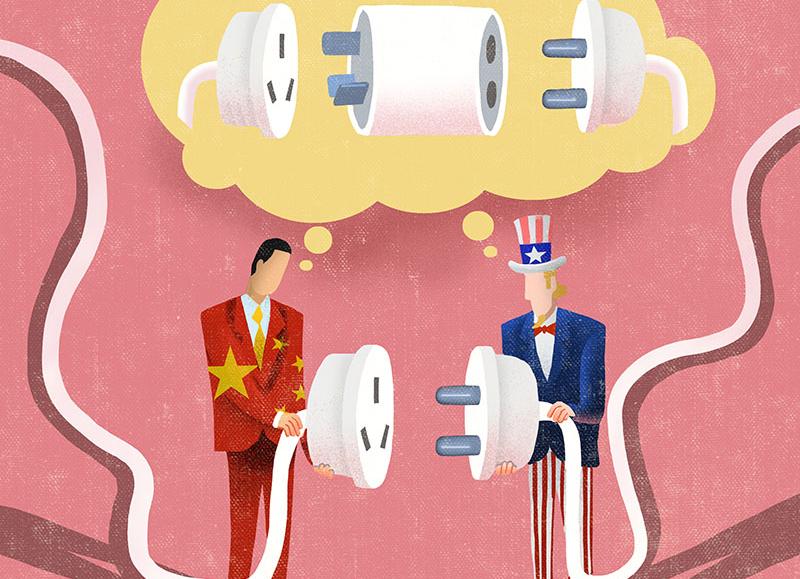
Major-country relations are changing dramatically. Chinese academics and political leaders should conduct an in-depth analysis of what China faces. The United States has already started a new Cold War in regional and global industrial chains.
Brian Wong, Assistant Professor in Philosophy and Fellow at Centre on Contemporary China and the World, HKU and Rhodes Scholar
Aug 26, 2022
It is counterproductive to set China and the ‘West’ up as rivals locked in an existential struggle over values. In light of the increasingly polarized views of the East and the West, it is crucial to steer clear of political absolutism to have a more truthful understanding and practical progress on a range of issues such as policy, education, health, etc.
Xiao Bin, Deputy Secretary-general, Center for Shanghai Cooperation Organization Studies, Chinese Association of Social Sciences
Aug 26, 2022
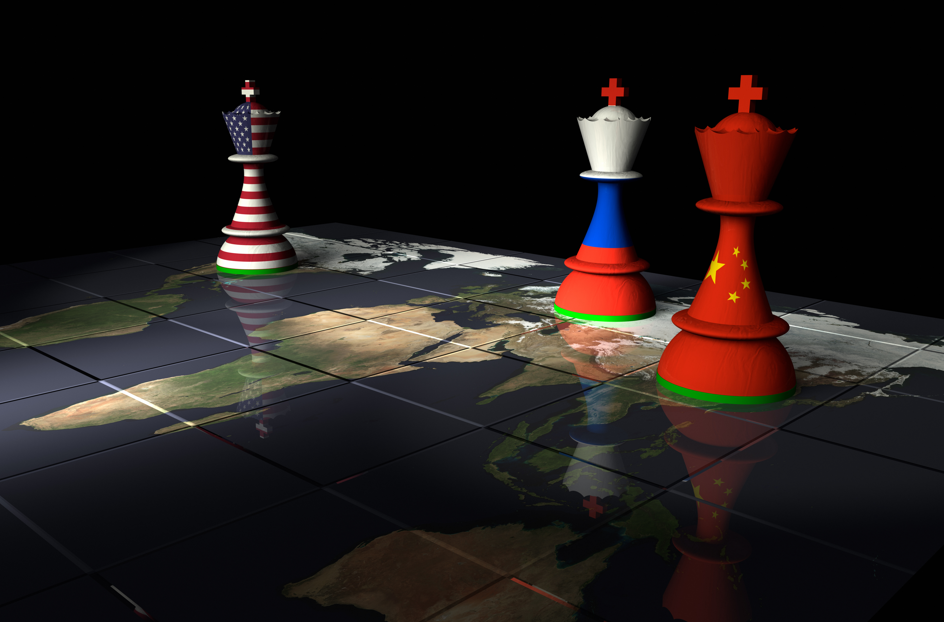
Its biggest troubles come from Western sources, which have levied sanctions and provided military aid to Ukraine. While Russia has lost the ability to manipulate international politics, an alignment with China could add new variables.
Li Yan, Director of President's Office, China Institutes of Contemporary International Relations
Aug 03, 2022
If China and the United States could identify specific collaborative projects, break the bottlenecks of international supply chains and provide assistance to countries suffering from shortages from food to energy, normal relations could be restored.
Huang Jing, University Professor at Shanghai International Studies University
Jun 17, 2022
The Russia-Ukraine war has had a direct impact on China-U.S. relations, with American rhetoric putting China in a difficult position. Going forward, prevention of conflict between the two big powers depends not only on their own actions but also on the entire international community.
Back to Top

- China-US Focus builds trust and understanding between the U.S. and China through open dialogue among thought leaders.