David Shambaugh, Gaston Sigur Professor of Asian Studies, Political Science, and International Relations; Director of China Policy Program, George Washington University
May 21, 2026
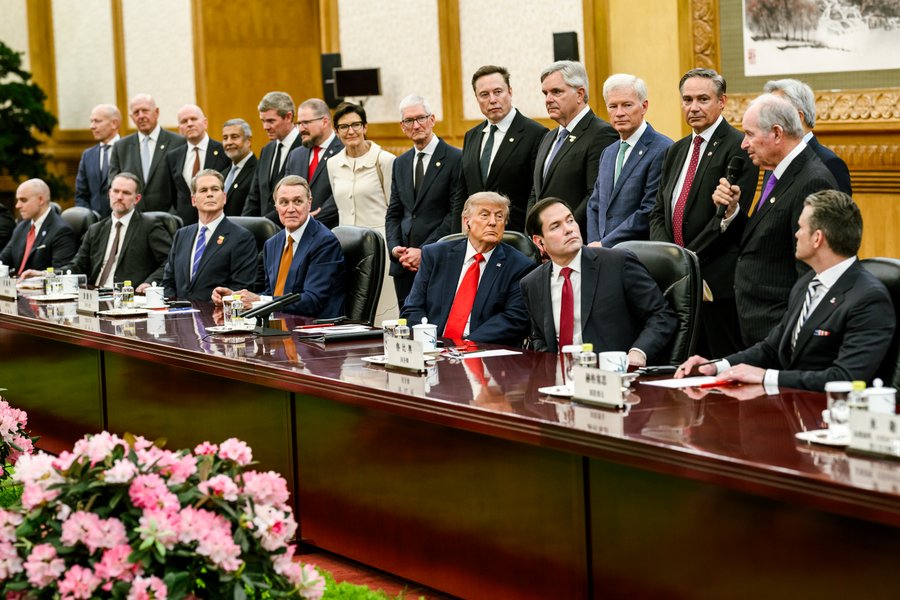
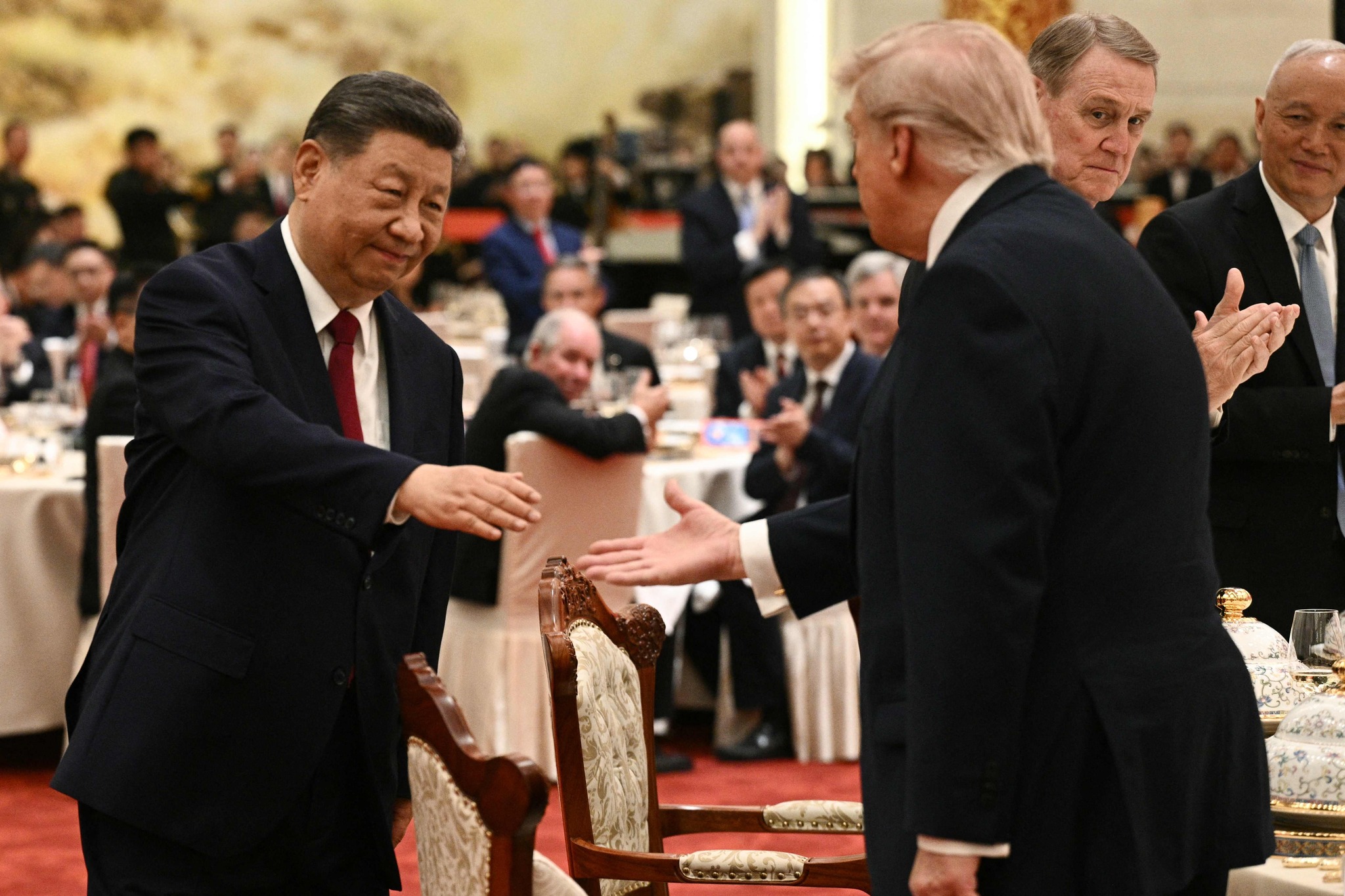
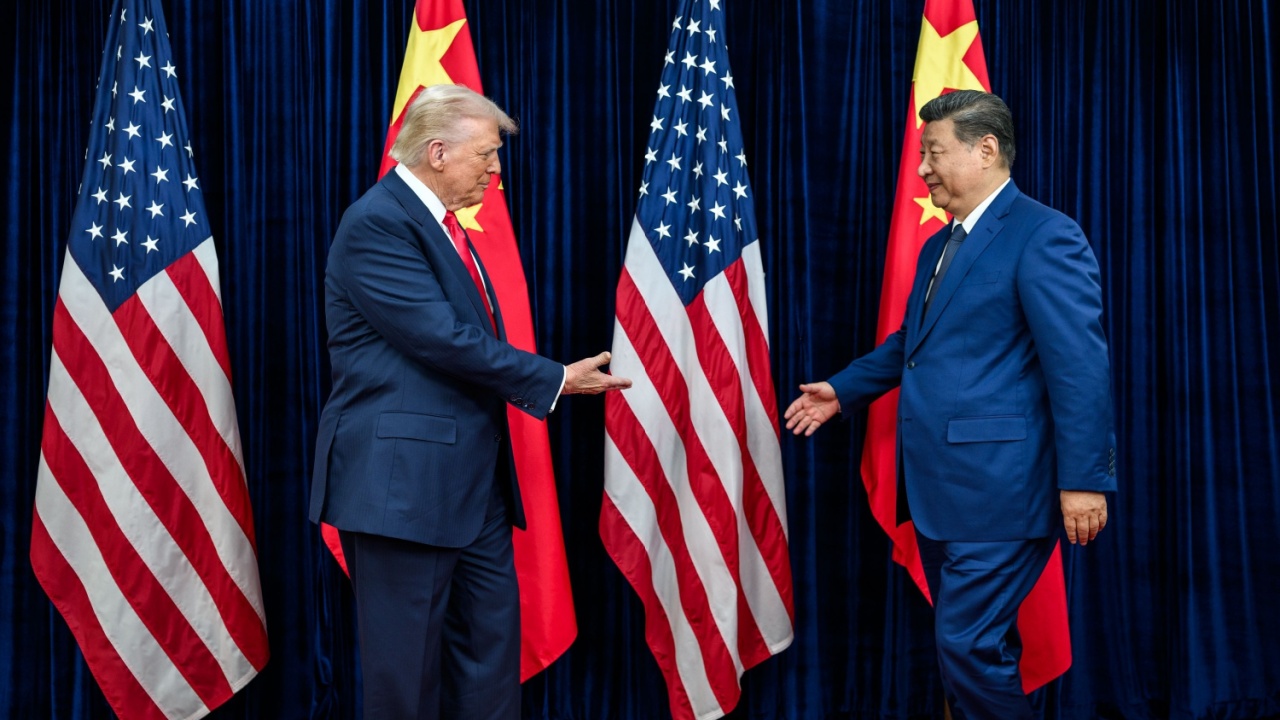
The May 14-15 summit meeting in Beijing between Presidents Xi Jinping and Donald Trump resulted in some badly needed stabilization in bilateral relations. Both the symbols and the substance of the visit suggest a return to some normalcy of regularized interactions and the ability of the two leaders and their teams to discuss some of the most sensitive issues between the two sides. Even if detailed agreements are not reached (and not many were) there is still considerable value in such direct exchanges.
Zhao Minghao, Professor, Institute of International Studies at Fudan University, and China Forum Expert
May 19, 2026
China-U.S. relations involve the well-being of some 8 billion people worldwide. Both sides, therefore, need to safeguard their hard-won stability. They should honor their commitments and move toward each other to create favorable conditions for building a more promising future.

Xiao Qian, Deputy Director, Center for International Security and Strategy at Tsinghua University
May 11, 2026
As discussions grow around the upcoming visit by U.S. President Donald Trump, much attention has focused on tariffs, trade, and semiconductors. Many expect that artificial intelligence will also feature prominently on the agenda.
Sun Chenghao, Fellow, Center for International Security and Strategy of Tsinghua University; Munich Young Leader 2025
May 11, 2026
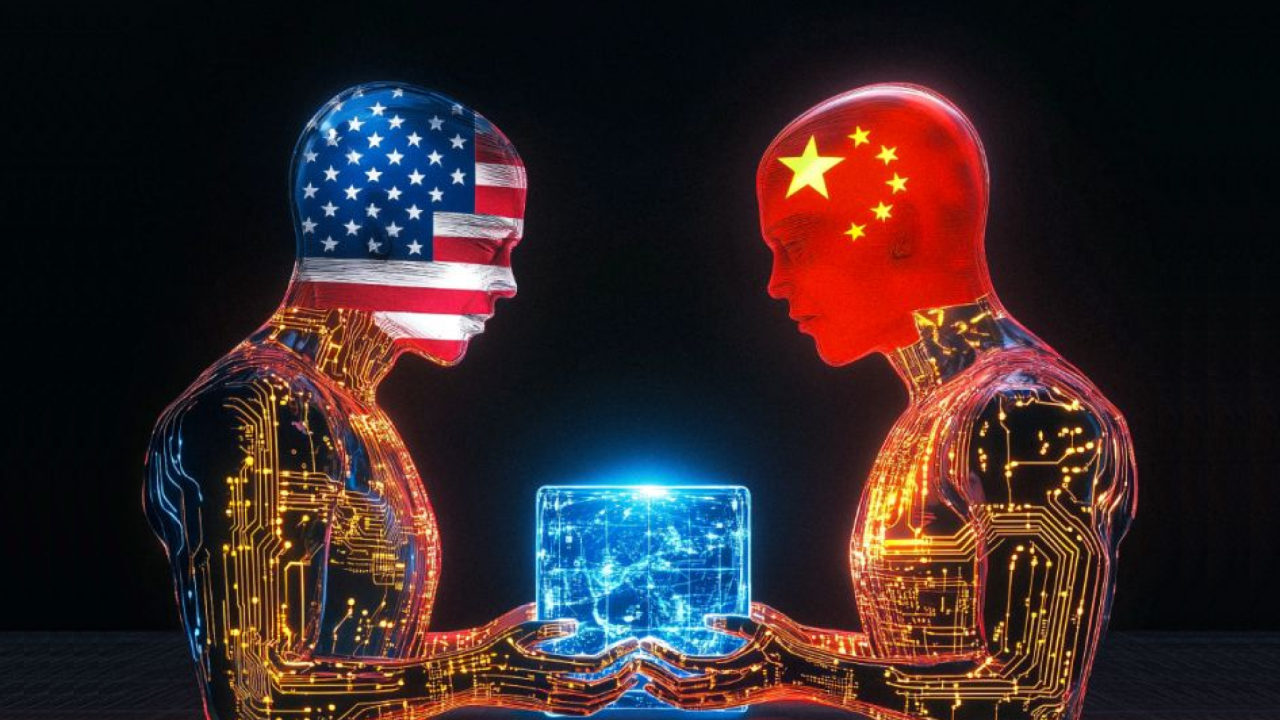
Looking back over the past period, even as technological competition between China and the U.S. has intensified, the two sides have also made some constructive progress in cooperation on artificial intelligence (AI).
Aaron Glasserman, Postdoctoral fellow at the Center for the Study of Contemporary China at the University of Pennsylvania
May 08, 2026
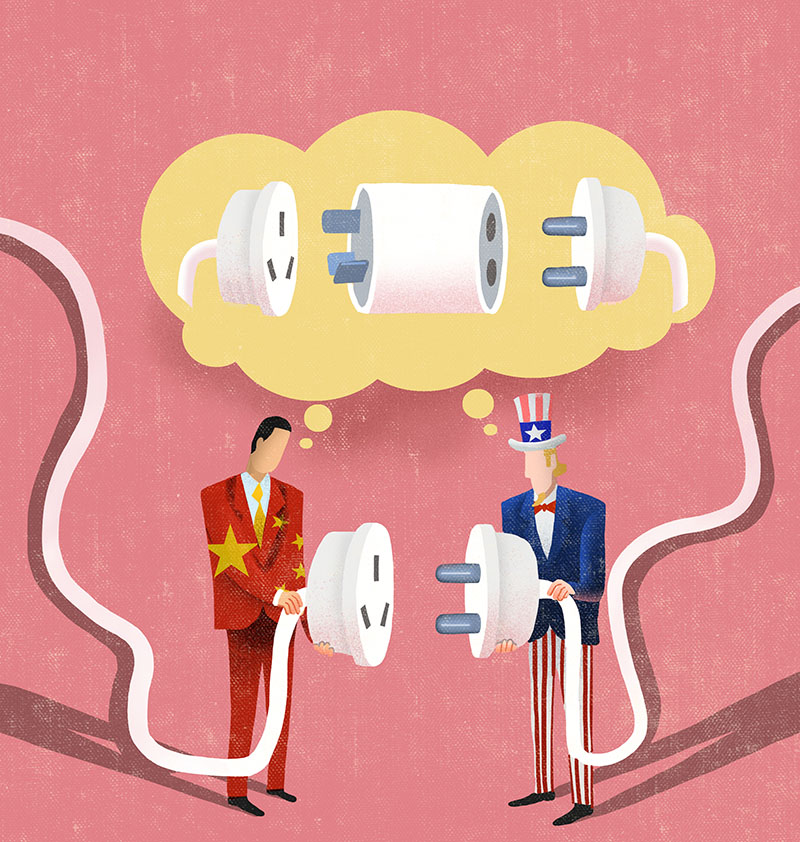
Labeling China as part of an “Axis of Chaos” misrepresents its strategy by overstating its alignment with other U.S. adversaries and wrongly implying that it seeks global instability. China’s power and the challenge it poses to the United States instead stem primarily from its deep integration and central role in the global economy, not from fostering chaos or acting as part of a unified anti-U.S. bloc.
Matteo Giovannini, Senior Finance Manager at Industrial and Commercial Bank of China
May 04, 2026
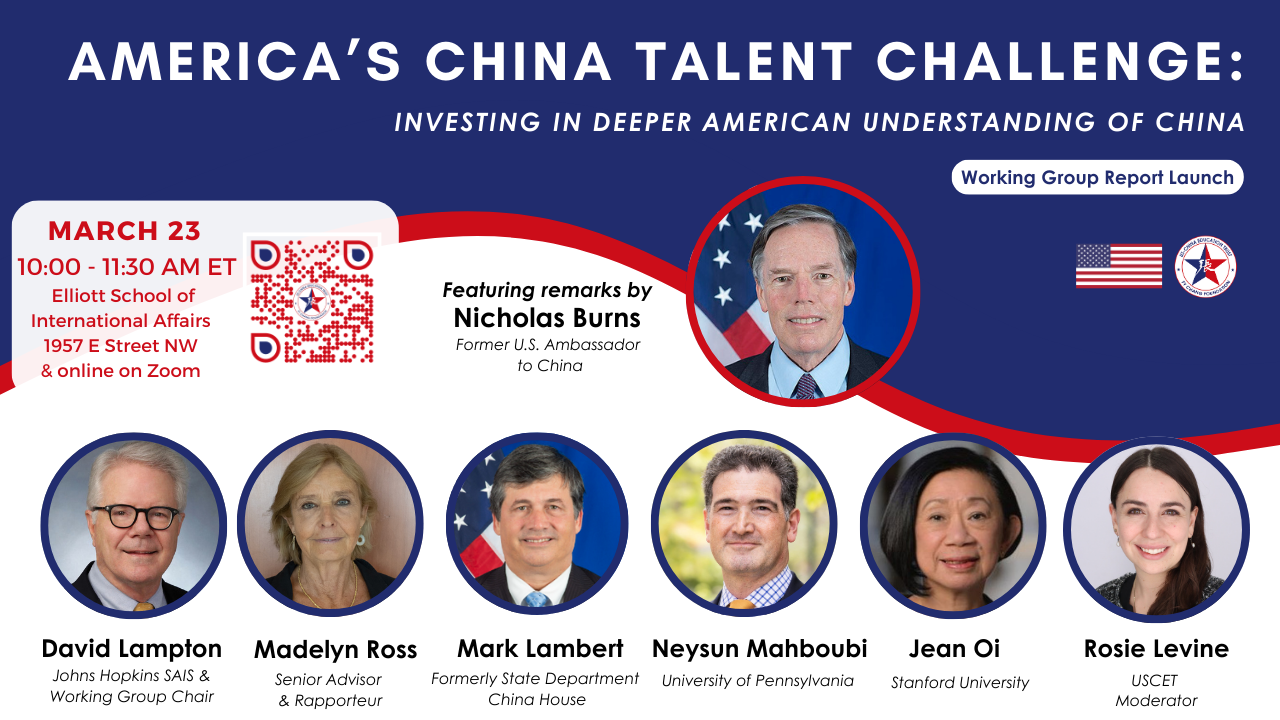
The U.S. faces a growing strategic risk from a shrinking pool of China experts, weakening its ability to manage intensifying competition with China. Efforts to limit engagement for security reasons may deepen this problem by reducing understanding, underscoring the need for targeted, security-conscious investment in expertise.
David Shambaugh, Gaston Sigur Professor of Asian Studies, Political Science, and International Relations; Director of China Policy Program, George Washington University
May 04, 2026
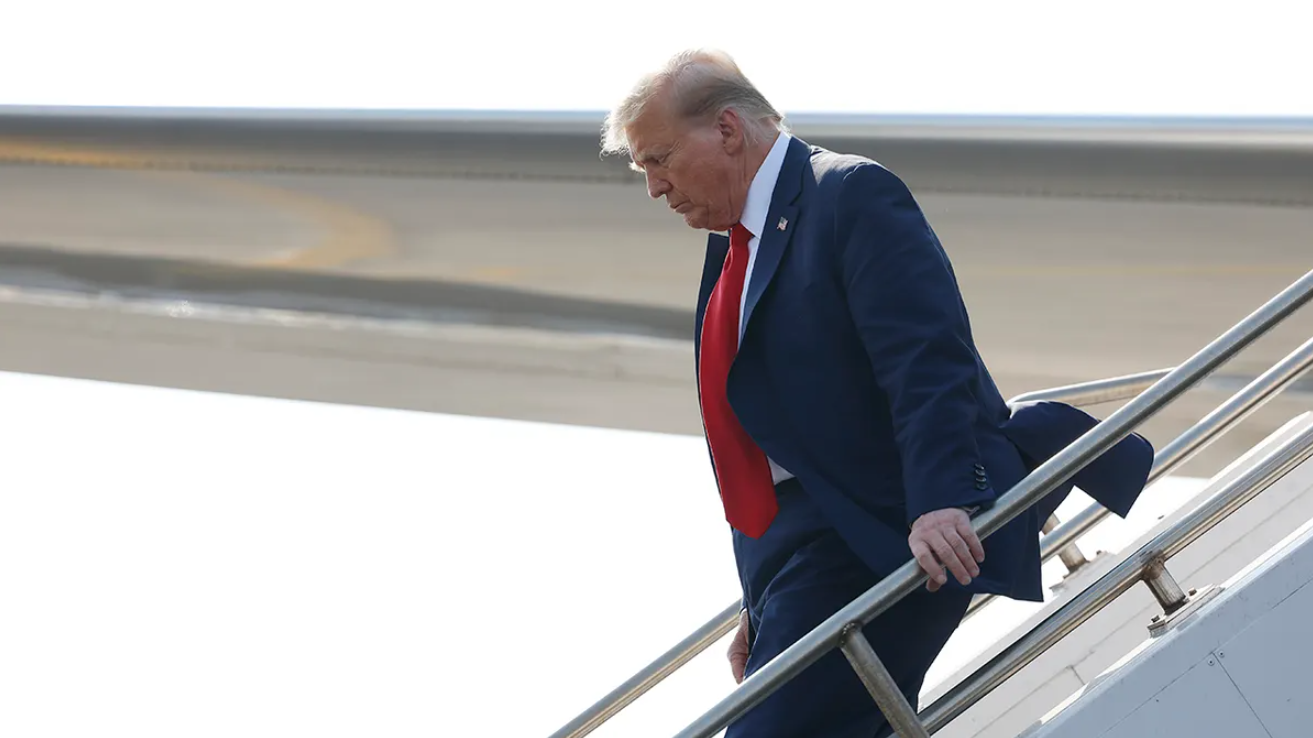
When Presidents Xi Jinping and Donald Trump meet in Beijing on May 14-15, both are looking to stabilize the volatile and fraught U.S.-China relationship. Significant and diverse differences between the two sides will endure long beyond the summit meeting, but overall stabilization and progress on ten specific policy areas is achievable.

Mallie Prytherch, Manager of Research Affairs, Centre on Contemporary China and the World, University of Hong Kong
Apr 24, 2026
Unfiltered, people-to-people interactions reveal the human complexity behind international relations and challenge simplistic “us vs. them” narratives. These everyday cross-cultural exchanges, including those through digital media like streamers’ travels, can reduce hostility and reshape how younger generations perceive countries like China and the United States.
Brian Wong, Assistant Professor in Philosophy and Fellow at Centre on Contemporary China and the World, HKU and Rhodes Scholar
Apr 24, 2026
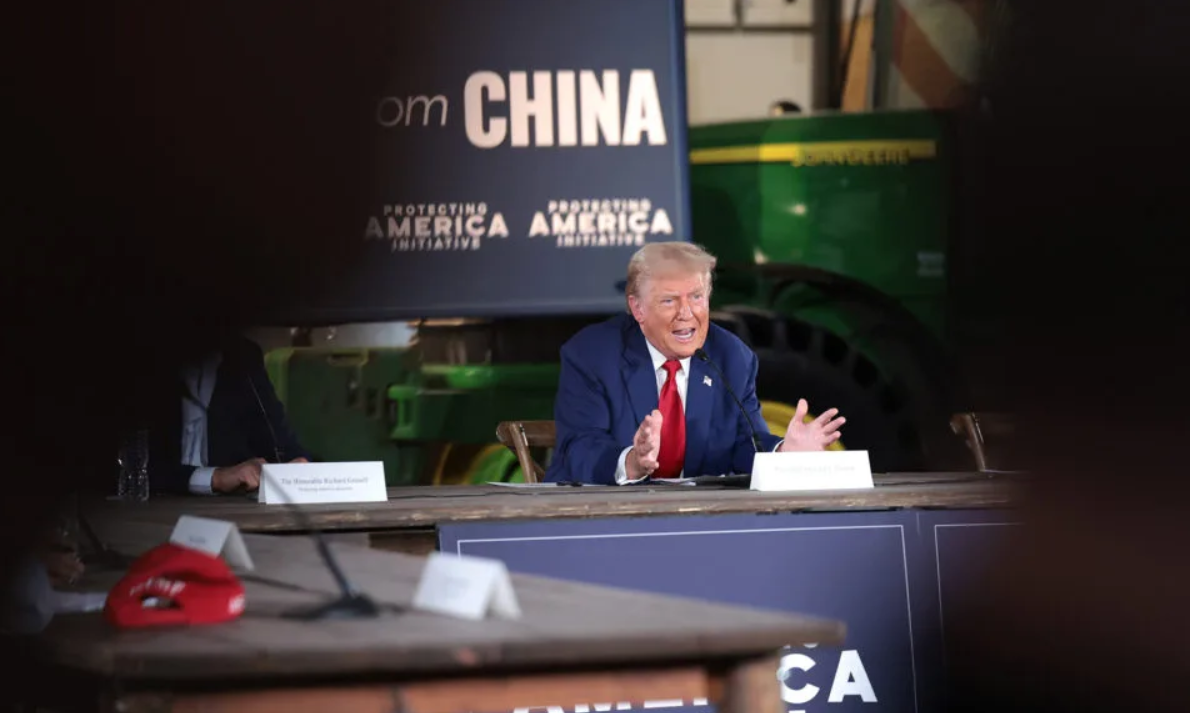
Trump’s foreign policy setbacks, particularly with Iran, have complicated his diplomatic agenda and delayed a key summit with China, though both sides remain motivated by domestic and strategic incentives to pursue limited, pragmatic agreements. However, any cooperation will likely focus on narrow, short-term gains, as deep structural rivalry and mutual distrust continue to constrain meaningful long-term rapprochement.
Sun Chenghao, Fellow, Center for International Security and Strategy of Tsinghua University; Munich Young Leader 2025
Li Yijie, PhD candidate in International Relations, Tsinghua University’s School of Social Sciences
Mar 29, 2026
What matters most for China is not whether the United States is in decline but how to understand a country that seeks to shape history while being no longer willing to bear the costs under the old rules. The United States today stands at a historic crossroads. To understand, one must begin with this fundamental reality.
Back to Top

- China-US Focus builds trust and understanding between the U.S. and China through open dialogue among thought leaders.