Warwick Powell, Adjunct Professor at Queensland University of Technology
Sep 07, 2026
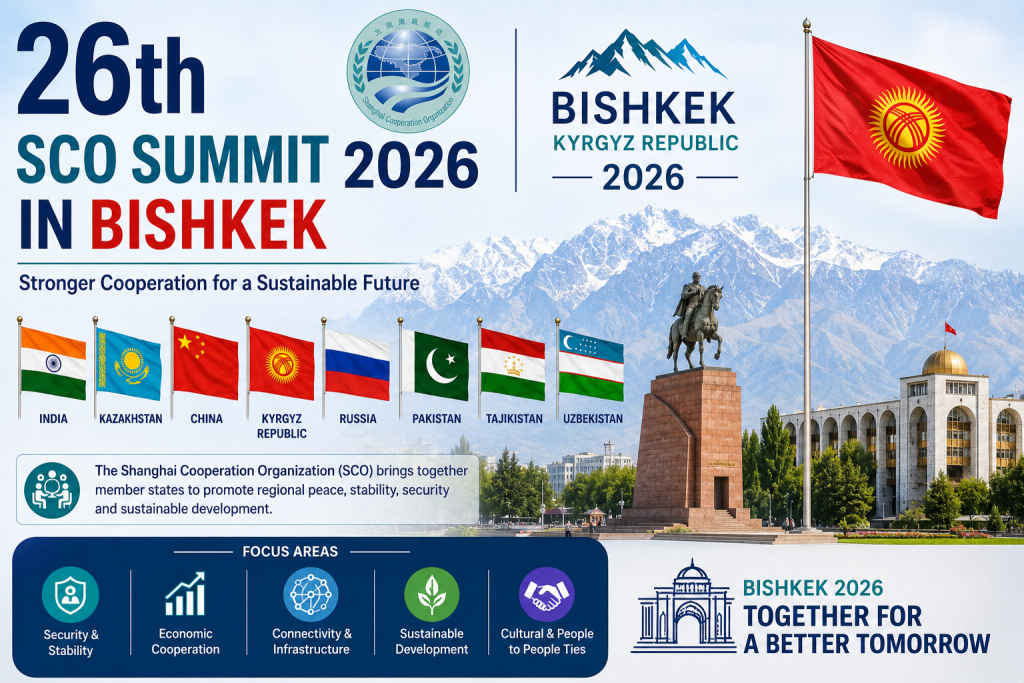
Multilateral architecture rarely collapses with a dramatic bang; it hollows out often imperceptibly, victim to the growing weight of contradictions between real material conditions and outmoded institutional forms. In the span of a single recent 24-hour cycle, at the end of August and beginning of September 2026, the contemporary geopolitical landscape put two distinct models of regionalism on stark display.
Nicola Casarini, Senior Fellow, Istituto Affari Internazionali
Jul 29, 2026
The U.S.-Iran conflict and Trump’s tendency to weaponize the dollar are hastening attempts by China to de-dollarize oil and gas markets, boosting the use of the ‘petro-yuan’, while pushing the EU to resurrect plans to strengthen the euro on the global stage. A tripolar monetary order is emerging, in which the dollar would be ‘first among equals’ and the renminbi, and the euro, would have their rightful place, commensurate with their importance in the global economy.
Richard Javad Heydarian, Professorial Chairholder in Geopolitics, Polytechnic University of the Philippines
Jul 17, 2026
The Iran conflict has accelerated the emergence of a more multipolar global order, compelling U.S. allies such as the Philippines to reassess their foreign policy priorities. Facing mounting energy and economic pressures, Manila is exploring greater engagement with China while pursuing a more independent, interest-driven approach to great power competition.

Matteo Giovannini, Senior Finance Manager at Industrial and Commercial Bank of China
Jun 12, 2026
Beijing has become one of the world's essential diplomatic capitals, with countries across geopolitical divides increasingly relying on engagement with China to advance economic, political, and security objectives. Its influence stems from China's central role in global trade, finance, technology, and diplomacy, making Beijing a key hub for negotiation, coordination, and strategic engagement in the multipolar era.
Xiao Bin, Deputy Secretary-general, Center for Shanghai Cooperation Organization Studies, Chinese Association of Social Sciences
Jun 03, 2026
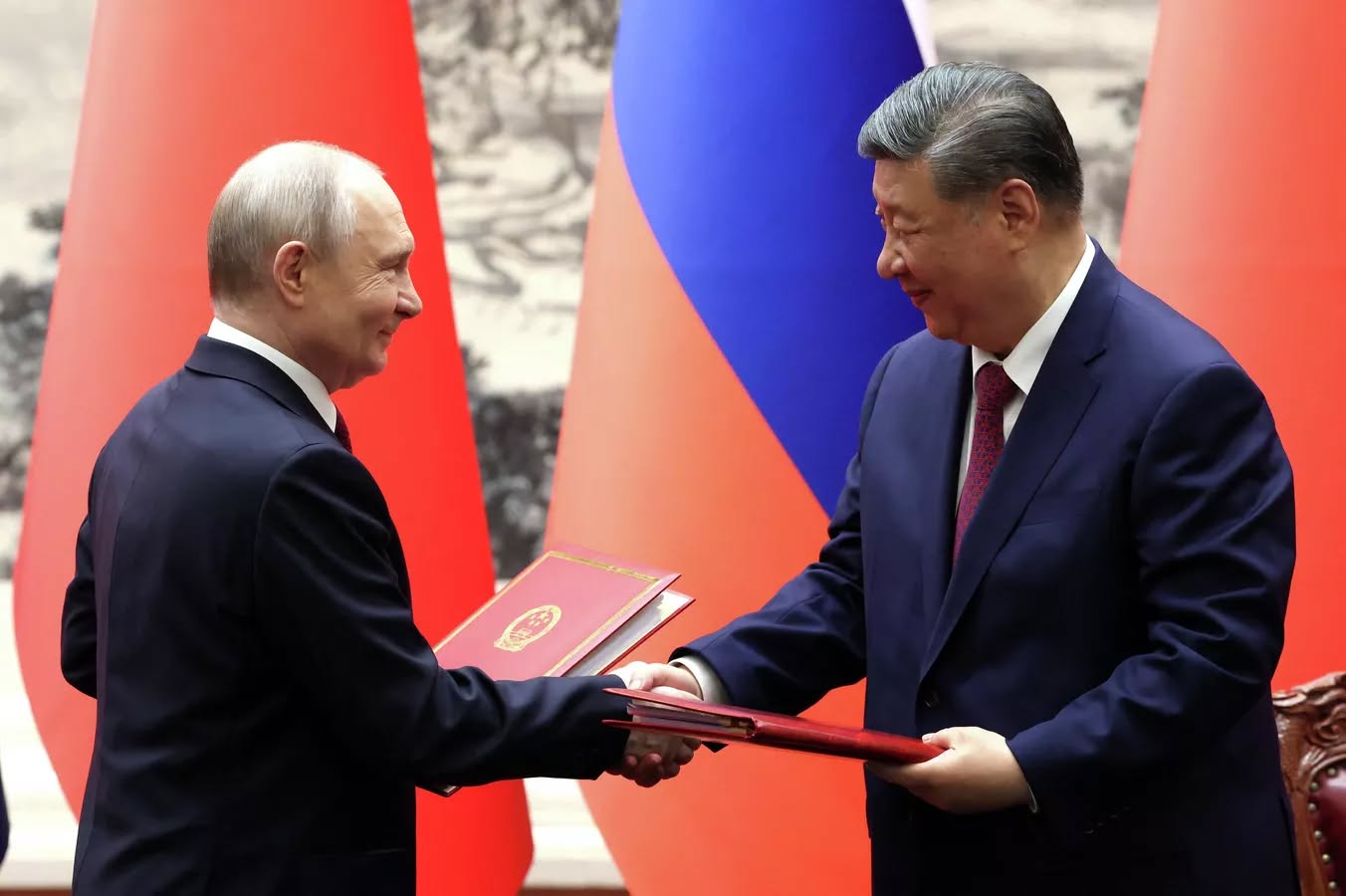
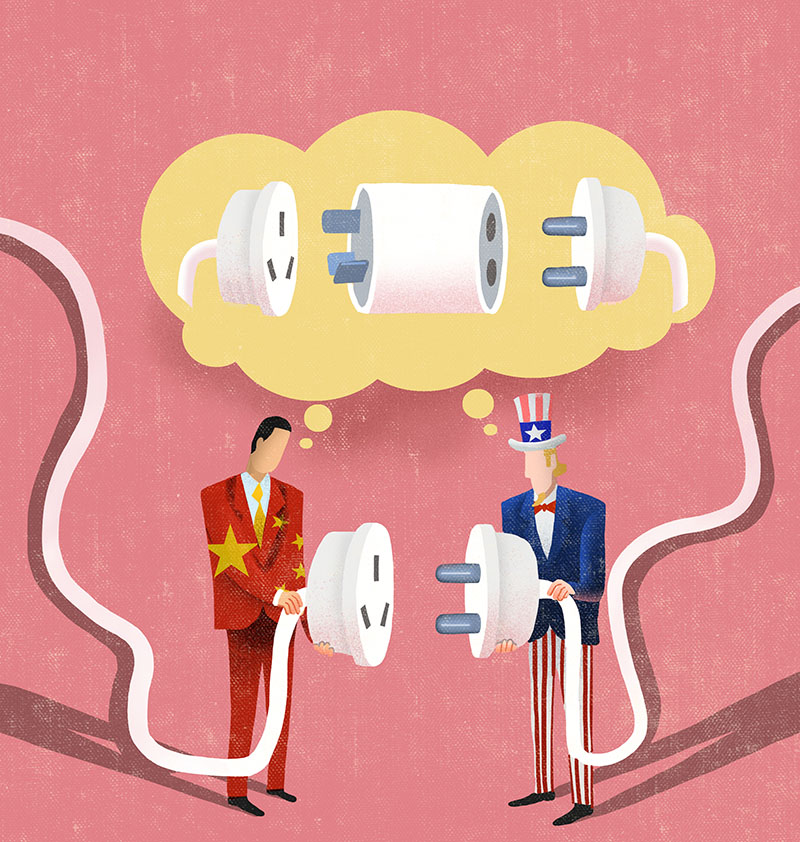
Back-to-back China-Russia coordination is a response to the growing turbulence in the international system. While their strategic collaboration enhances bilateral strategic predictability, it also signifies that major-country competition is becoming more protracted and complex.
Aaron Glasserman, Postdoctoral fellow at the Center for the Study of Contemporary China at the University of Pennsylvania
May 08, 2026
Labeling China as part of an “Axis of Chaos” misrepresents its strategy by overstating its alignment with other U.S. adversaries and wrongly implying that it seeks global instability. China’s power and the challenge it poses to the United States instead stem primarily from its deep integration and central role in the global economy, not from fostering chaos or acting as part of a unified anti-U.S. bloc.
Richard Javad Heydarian, Professorial Chairholder in Geopolitics, Polytechnic University of the Philippines
May 04, 2026
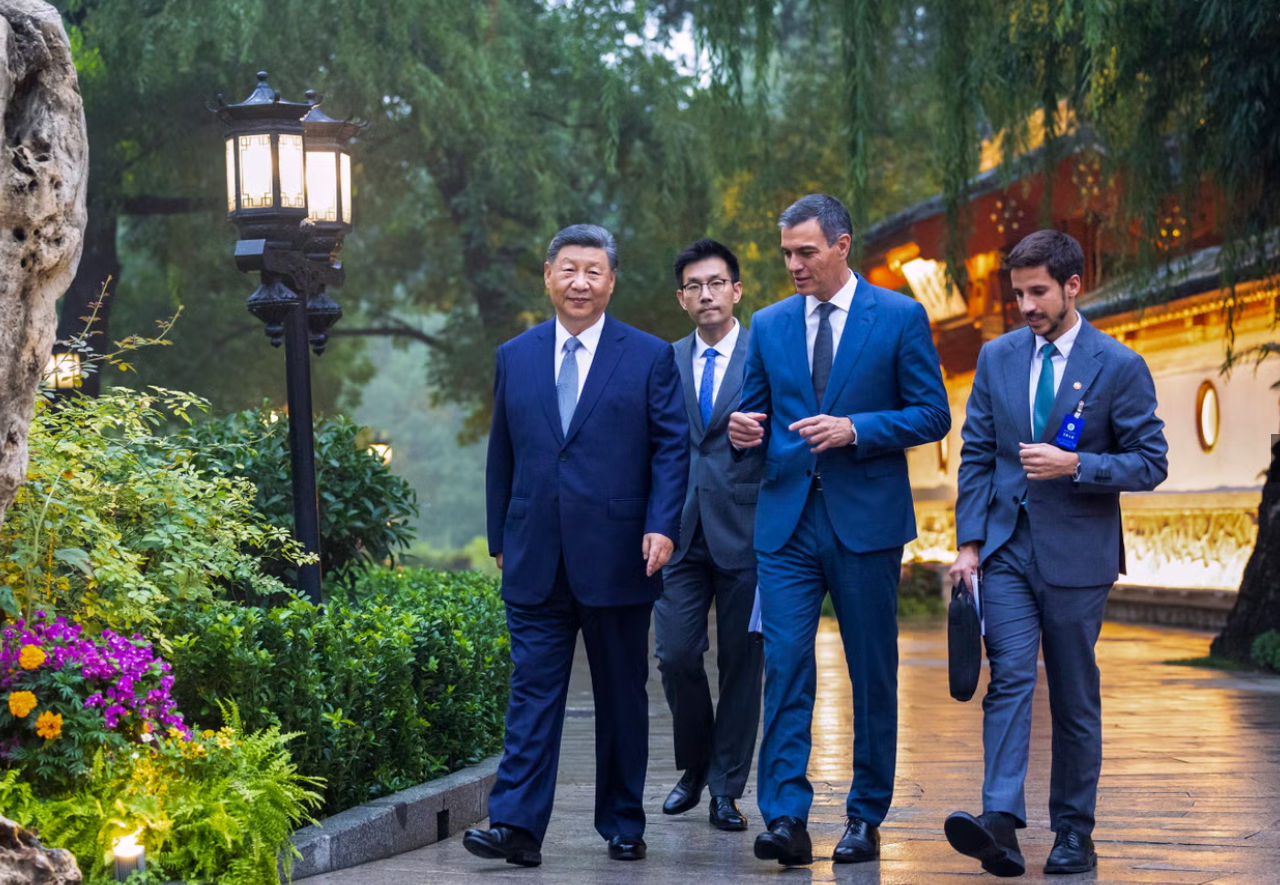
Key U.S. allies in Europe, North America, and Asia are increasingly courting China or hedging toward it in response to growing uncertainty and unilateralism in American foreign policy under Donald Trump. This shift reflects a broader recalibration toward strategic autonomy and multipolarity, as allies seek to diversify partnerships, reduce dependence on the U.S., and manage both the risks and opportunities posed by China’s rise.
Xiao Bin, Deputy Secretary-general, Center for Shanghai Cooperation Organization Studies, Chinese Association of Social Sciences
Mar 27, 2026
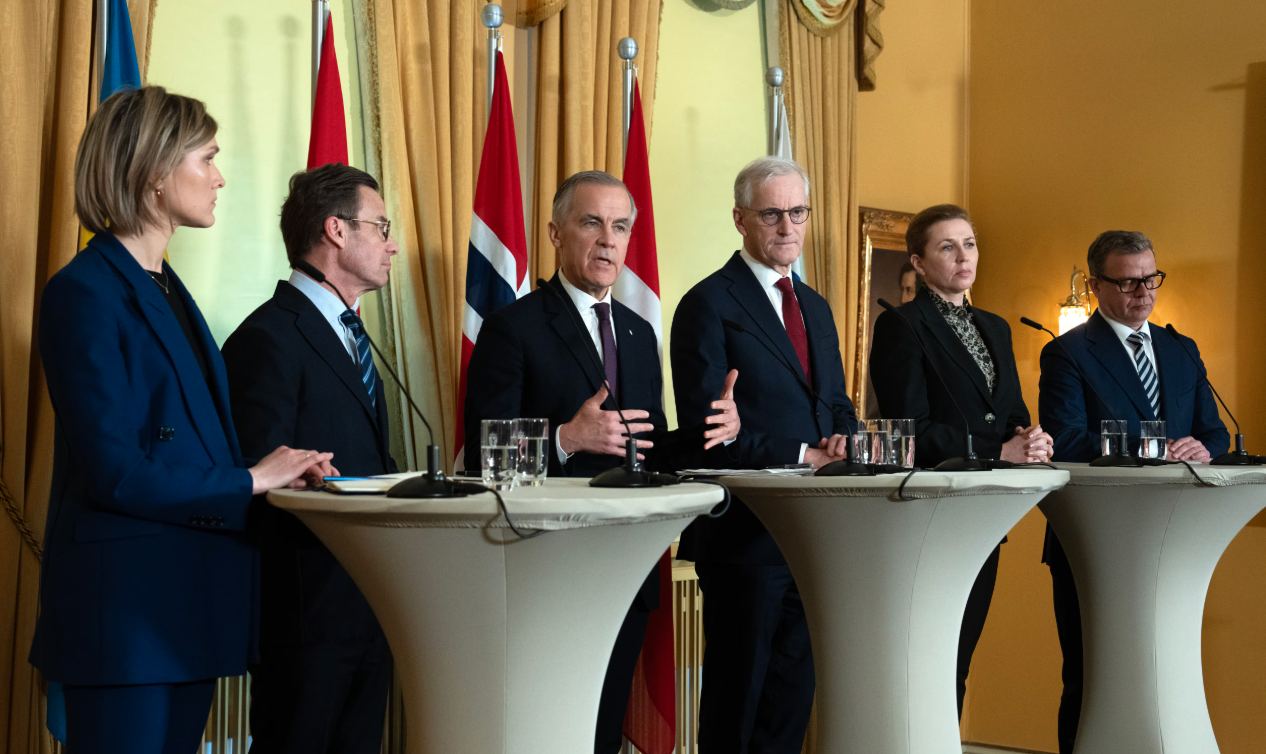
Middle powers on the continent have a real motivation to cooperate. Constrained by structural factors such as their defense systems, however, the so-called transatlantic shared heritage and the scale of the U.S. market, their cooperation is seen mostly in policy coordination and diplomatic statements.
Dan Steinbock, Founder, Difference Group
Feb 13, 2026
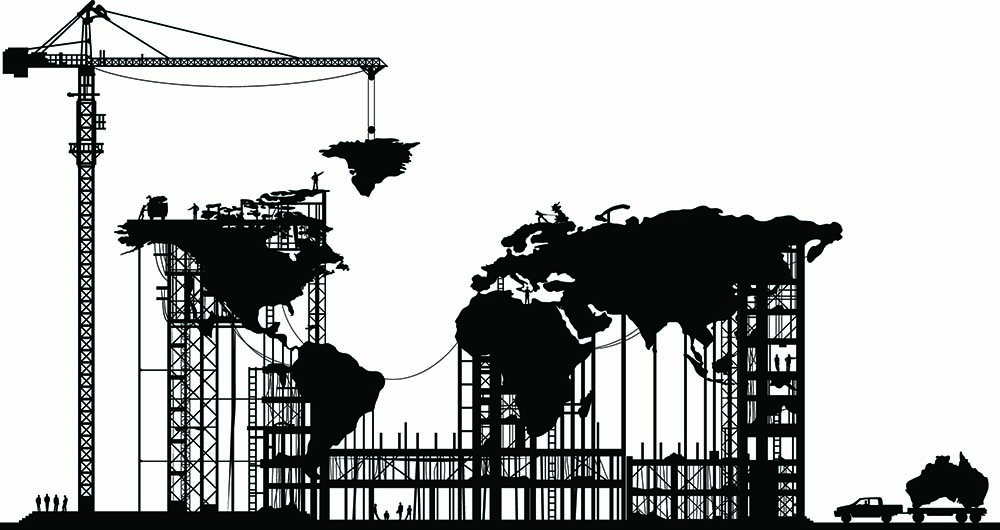
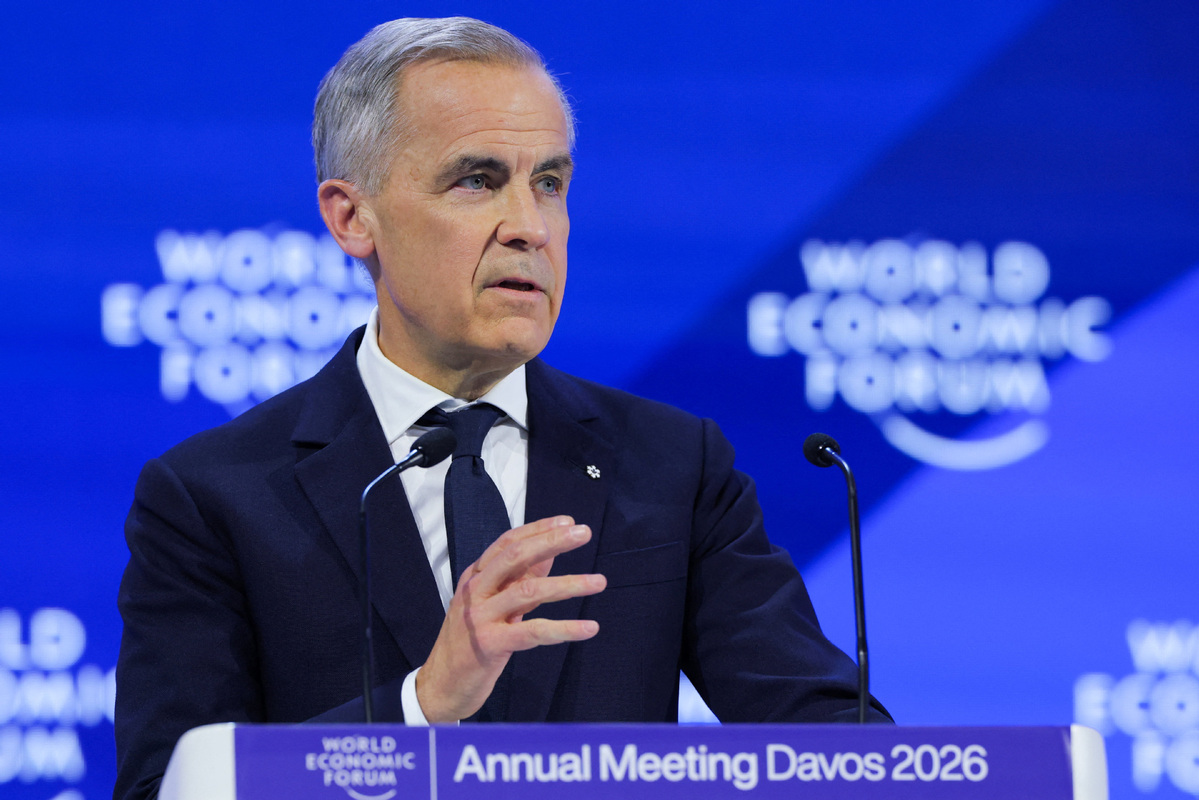
In a recent speech, Canada’s Prime Minister Mark Carney declared the end of the rules-based order. Yet, U.S. unilateralism began accelerating in the 1980s, and much of the West complied so long as it remained beneficial. Today, that alignment no longer holds.
Christopher A. McNally, Professor of Political Economy, Chaminade University
Jan 30, 2026
Donald Trump’s second-term foreign policy has accelerated the collapse of the postwar liberal international order by abandoning its institutions, norms, and sources of legitimacy. Economic integration is now widely used as a tool of coercion, placing middle powers in an unstable interregnum defined by great-power rivalry, forced alignment choices, and a widening contrast between U.S. unilateralism and China’s defense of globalization and multilateralism.
Back to Top

- China-US Focus builds trust and understanding between the U.S. and China through open dialogue among thought leaders.