Jade Wong, Senior Fellow, Gordon & Leon Institute
Jul 24, 2026
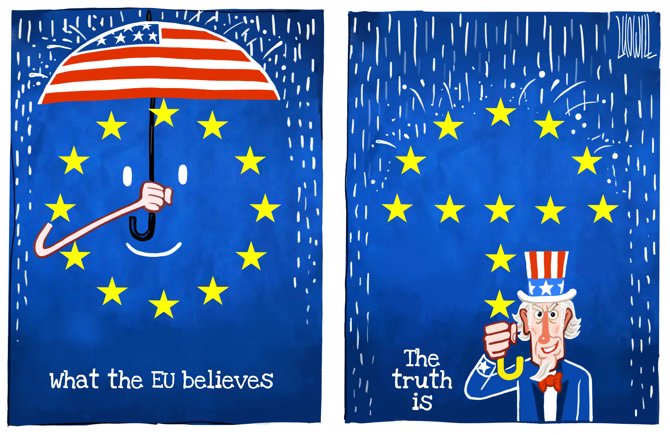
The recent G7 and NATO summits suggest that Europe is seeking not only to retain the initiative in shaping regional security but also to play a more active role in building an improved international order. In doing so, it has absorbed elements of Donald Trump’s transactional diplomacy.
Sebastian Contin Trillo-Figueroa, Geopolitics Analyst in EU-Asia Relations and AsiaGlobal Fellow, The University of Hong Kong
Jun 26, 2026
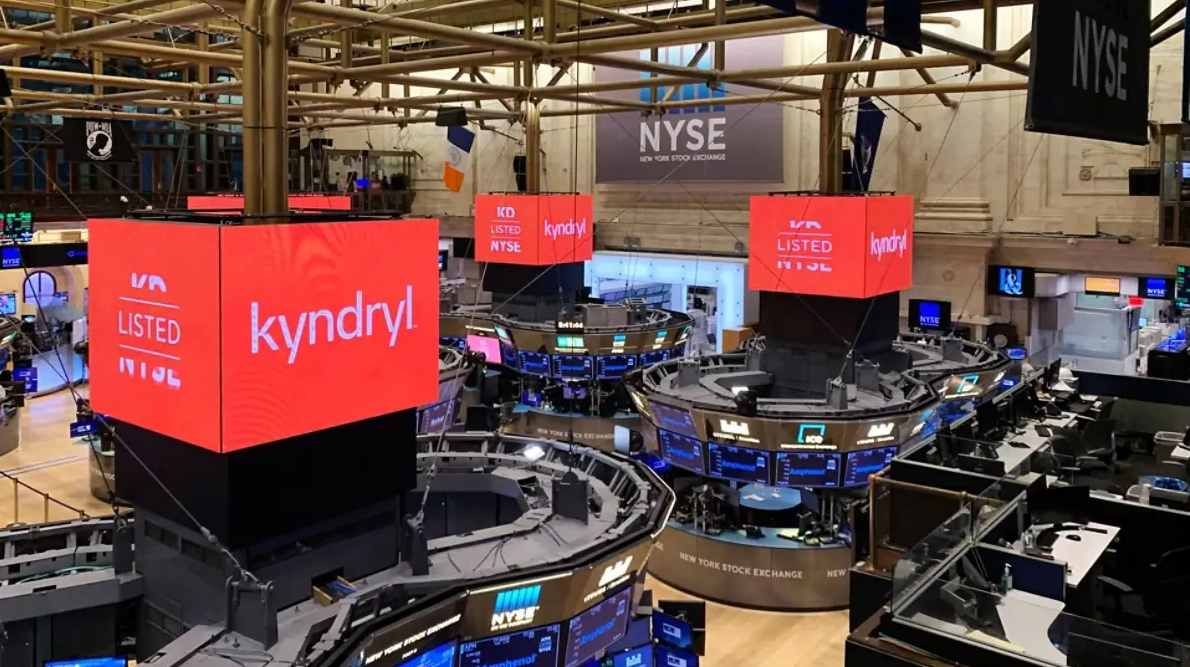
Europe is increasingly applying the same economic-security standards to U.S. firms that it once reserved for China, reflecting growing concerns over strategic dependence and American jurisdiction. However, while the EU has strengthened its ability to block foreign acquisitions, it still lacks the industrial capacity to replace them with competitive European alternatives.
Nicu Popescu, Former Deputy Prime Minister and Minister for Foreign Affairs of Moldova, Co-Director of the European Security Program at the European Council on Foreign Relations
Fredrik Wesslau, Acting Director of the European Policy Institute in Kyiv, Distinguished Policy Fellow at the Swedish Institute of International Affairs
May 04, 2026
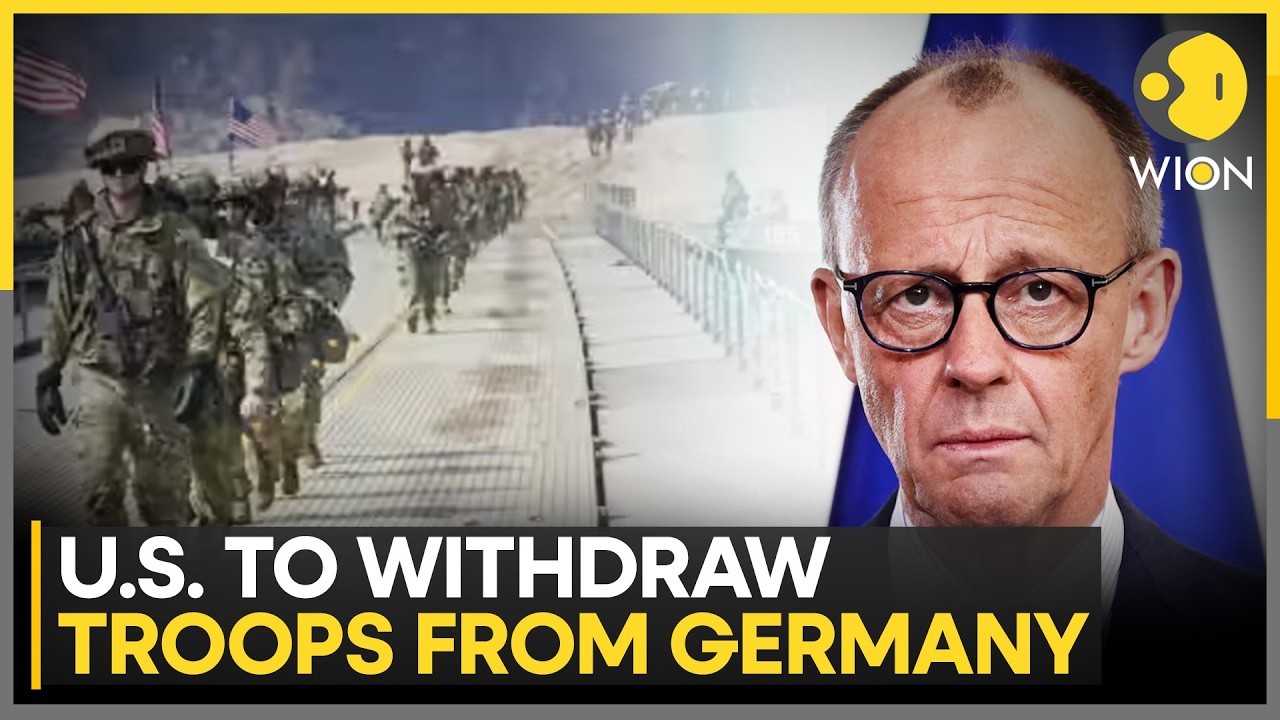
By Nicu Popescu and Fredrik Wesslau PARIS—For decades, much of Europe viewed military engagement through the lens of NATO or the European Union, since t
Xiao Bin, Deputy Secretary-general, Center for Shanghai Cooperation Organization Studies, Chinese Association of Social Sciences
Mar 27, 2026
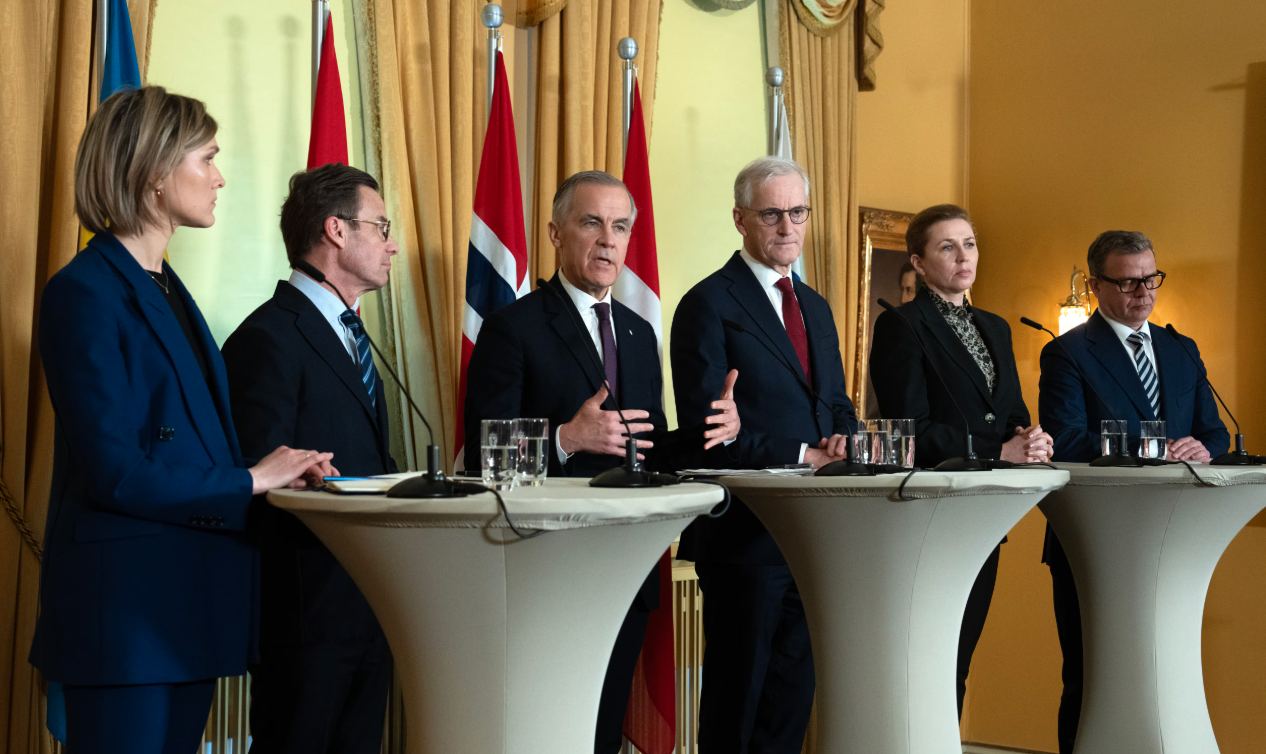
Middle powers on the continent have a real motivation to cooperate. Constrained by structural factors such as their defense systems, however, the so-called transatlantic shared heritage and the scale of the U.S. market, their cooperation is seen mostly in policy coordination and diplomatic statements.
Warwick Powell, Adjunct Professor at Queensland University of Technology
Feb 26, 2026
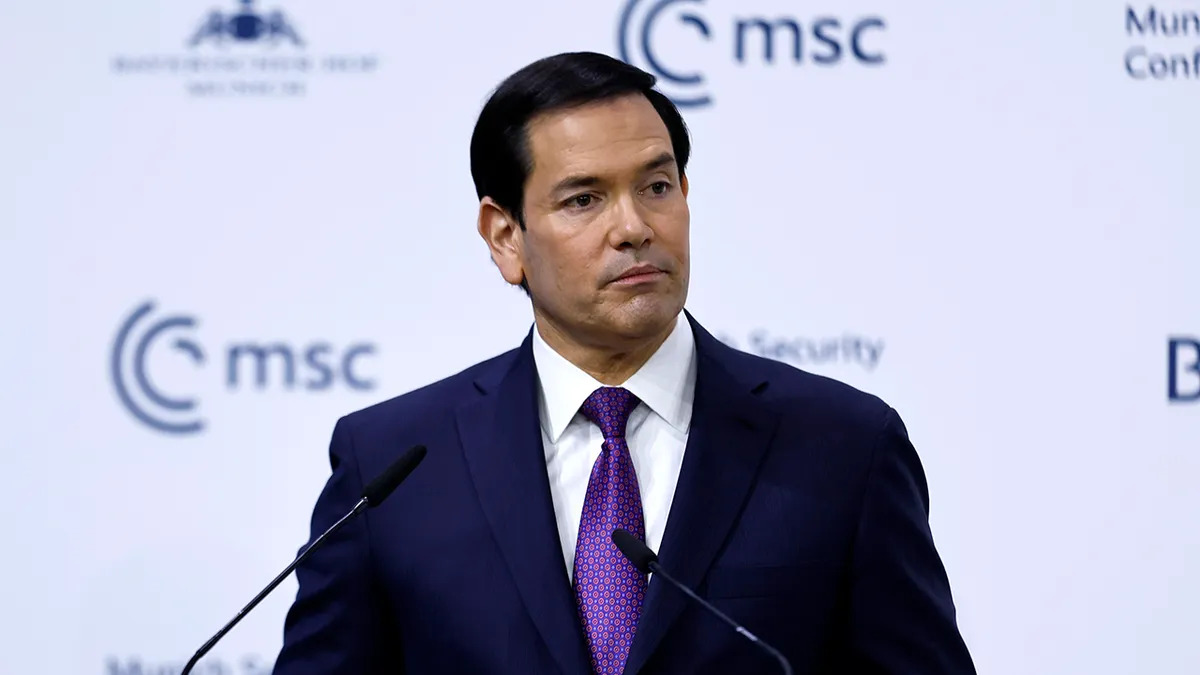
U.S. Secretary of State Marco Rubio stood before the Munich Security Conference on 14 February 2026 and delivered a speech that will be remembered less for its
Jade Wong, Senior Fellow, Gordon & Leon Institute
Feb 10, 2026
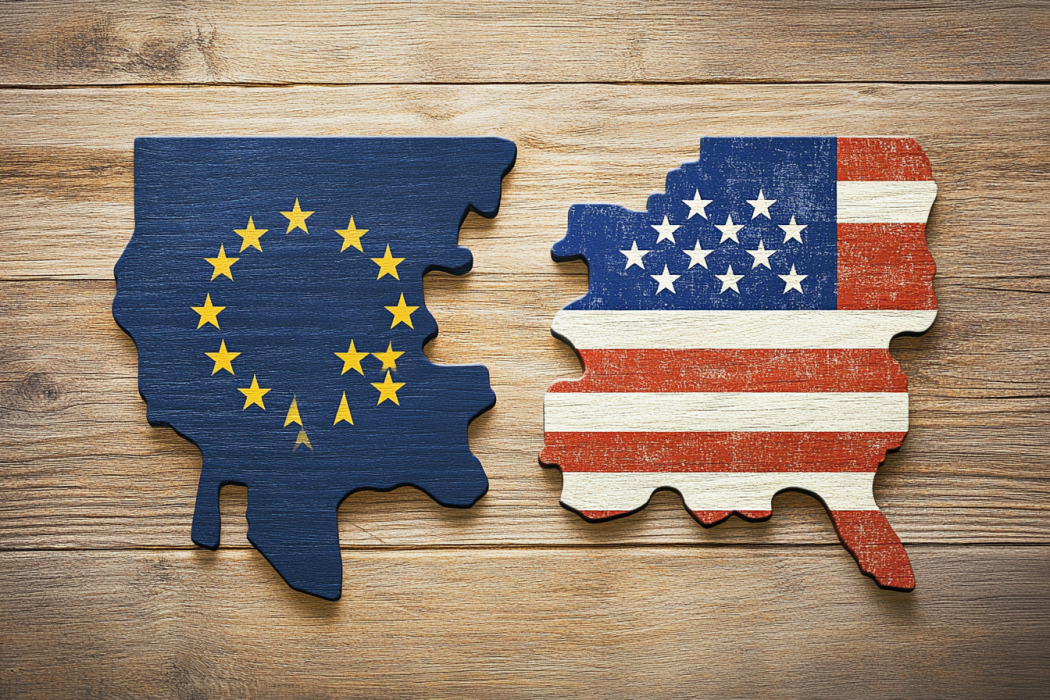
For Europe, despair runs deeper than sorrow when it comes to the United States. Yet it will seek to leverage its advantages—institutions, laws, norms and expertise—as it tries to guide and constrain the U.S..
Stephen Holmes, Professor at New York University School of Law, Berlin Prize Fellow at American Academy in Berlin
Feb 05, 2026
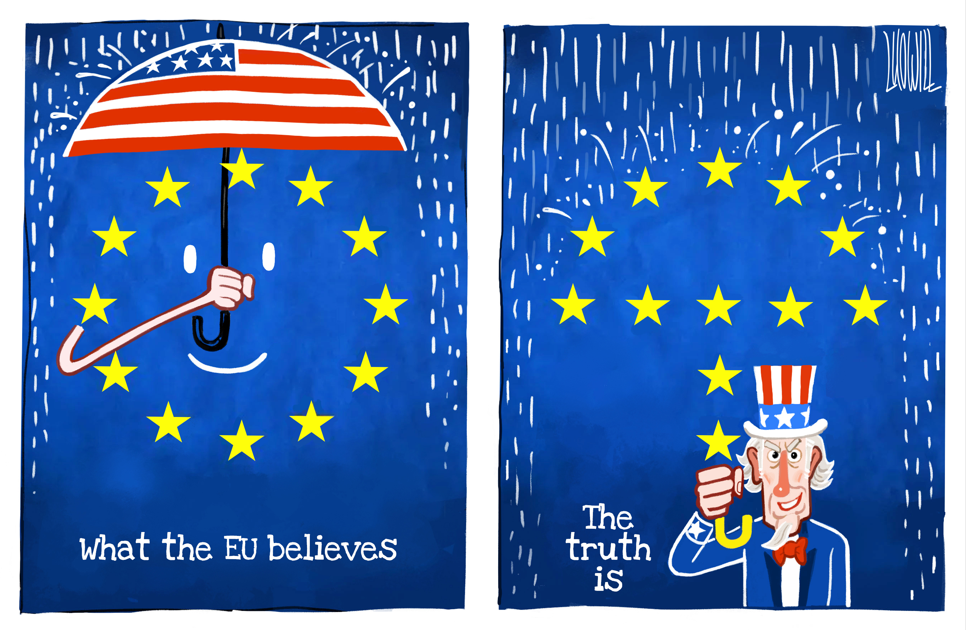
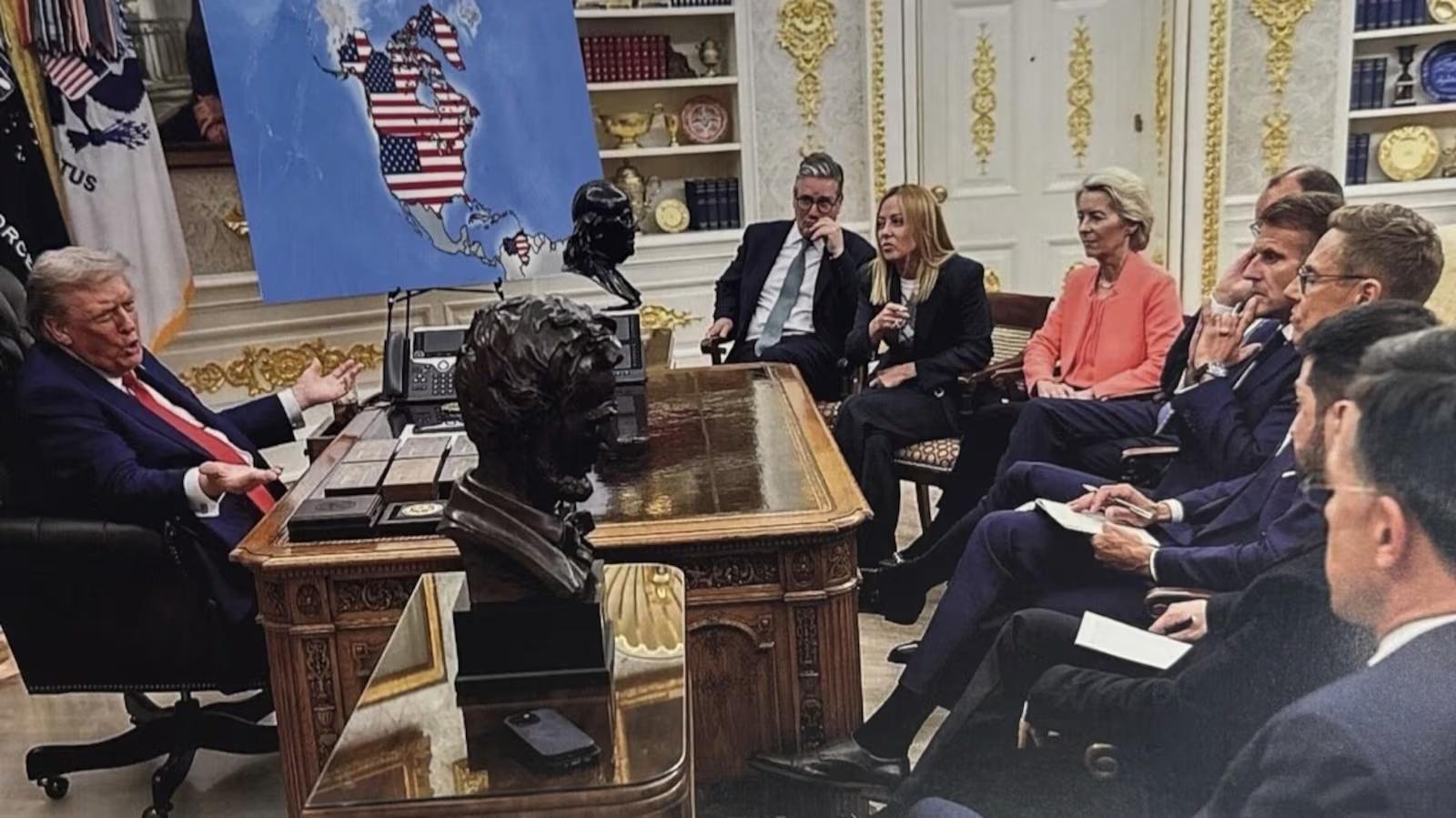
By threatening to seize Greenland by force, US President Donald Trump has exposed the childlike illusions of his European admirers. Having spent years cultivating their bromances with him, the continent’s right-wing populists – the United Kingdom’s Nigel Farage, Jordan Bardella in France, Alice Weidel in Germany, Italy’s Matteo Salvini, Robert Fico in Slovakia, Hungary’s Viktor Orbán, and Mateusz Morawiecki in Poland – imagined themselves fellow travelers in a revolt against liberal internationalism. Now their idol and patron has been threatening to swallow whole or in part (if the supposed “deal” he has announced comes about) the sovereign territory of a European ally.
Jade Wong, Senior Fellow, Gordon & Leon Institute
Jan 30, 2026
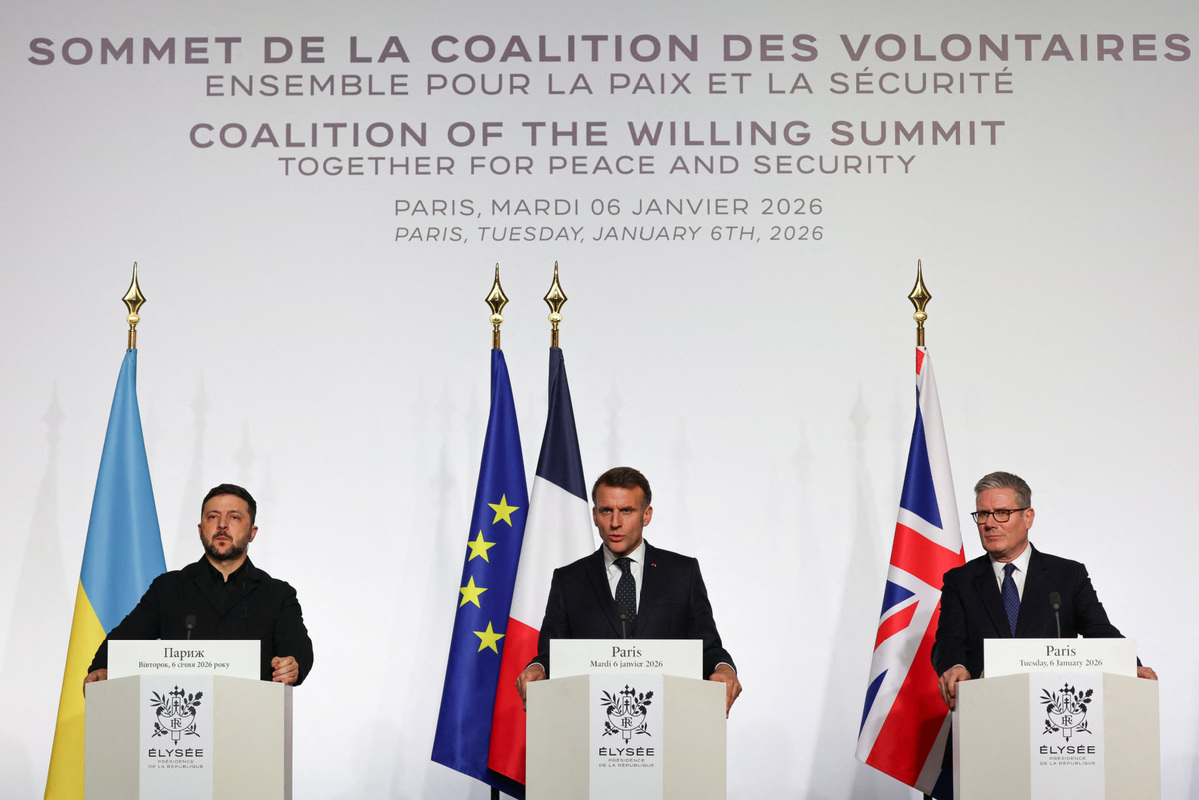
Europe has again gained an advantage in its sustained competition with Russia to influence the United States. While Washington is likely to continue pursuing a calibrated re-engagement with Russia and to further reduce its direct role in European security, the scope for abrupt and highly oscillatory shifts in U.S. policy on Ukraine appears to have narrowed.
Warwick Powell, Adjunct Professor at Queensland University of Technology
Jan 21, 2026
(Social media @realDonaldTrump)In May 2024, I penned an article that framed Europe’s existential dilemma starkly: either fade into obscurity as the "conti
Zhang Monan, Deputy Director of Institute of American and European Studies, CCIEE
Jan 16, 2026
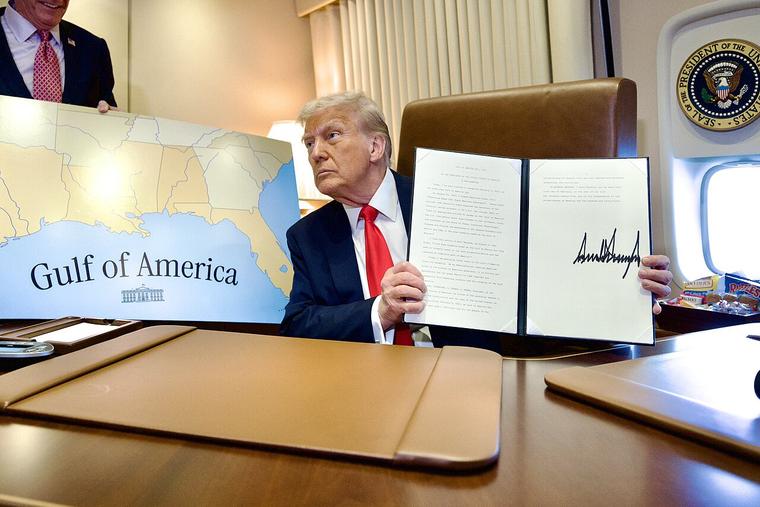
Unable to maintain its position of leadership, the United States is severely hindering the progress of other nations. It’s a self-isolating form of hegemony that poses real geopolitical dangers. By openly acknowledging and pursuing exclusive spheres of influence, America is effectively signaling a return to the law of the jungle.
Back to Top

- China-US Focus builds trust and understanding between the U.S. and China through open dialogue among thought leaders.